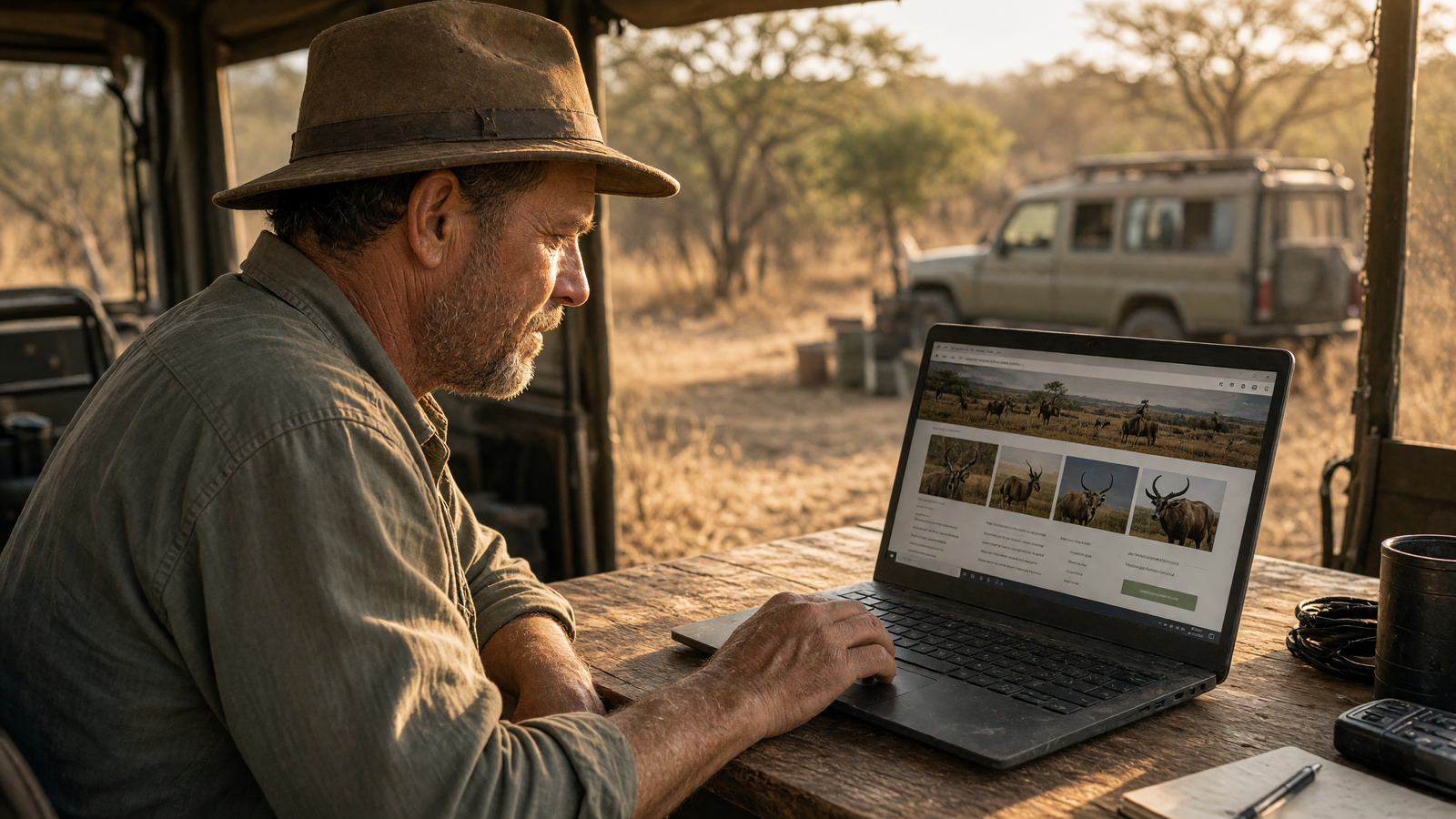
In the competitive world of guided hunts, your hunt booking page often serves as the first real handshake with a potential client. It is more than a simple webpage. It is the digital campfire where stories of past adventures, details of upcoming opportunities, and your commitment to ethical hunting and conservation come together. For outfitters, a well-crafted booking page can fill the calendar and attract hunters who share your values. A weak one sends them clicking away to the next option.
Hunters today research thoroughly before committing time and money to a guided hunt. They compare multiple outfitters, often on mobile devices during short breaks. Industry observations from outdoor recreation groups indicate that many prospective clients visit eight to twelve outfitter sites before making a decision. If your page loads slowly, looks outdated, or fails to answer key questions right away, you lose them. Recent web performance data shows that 53 percent of mobile users abandon a site that takes more than three seconds to load. In hunting, where decisions involve significant investment, that first impression matters even more.
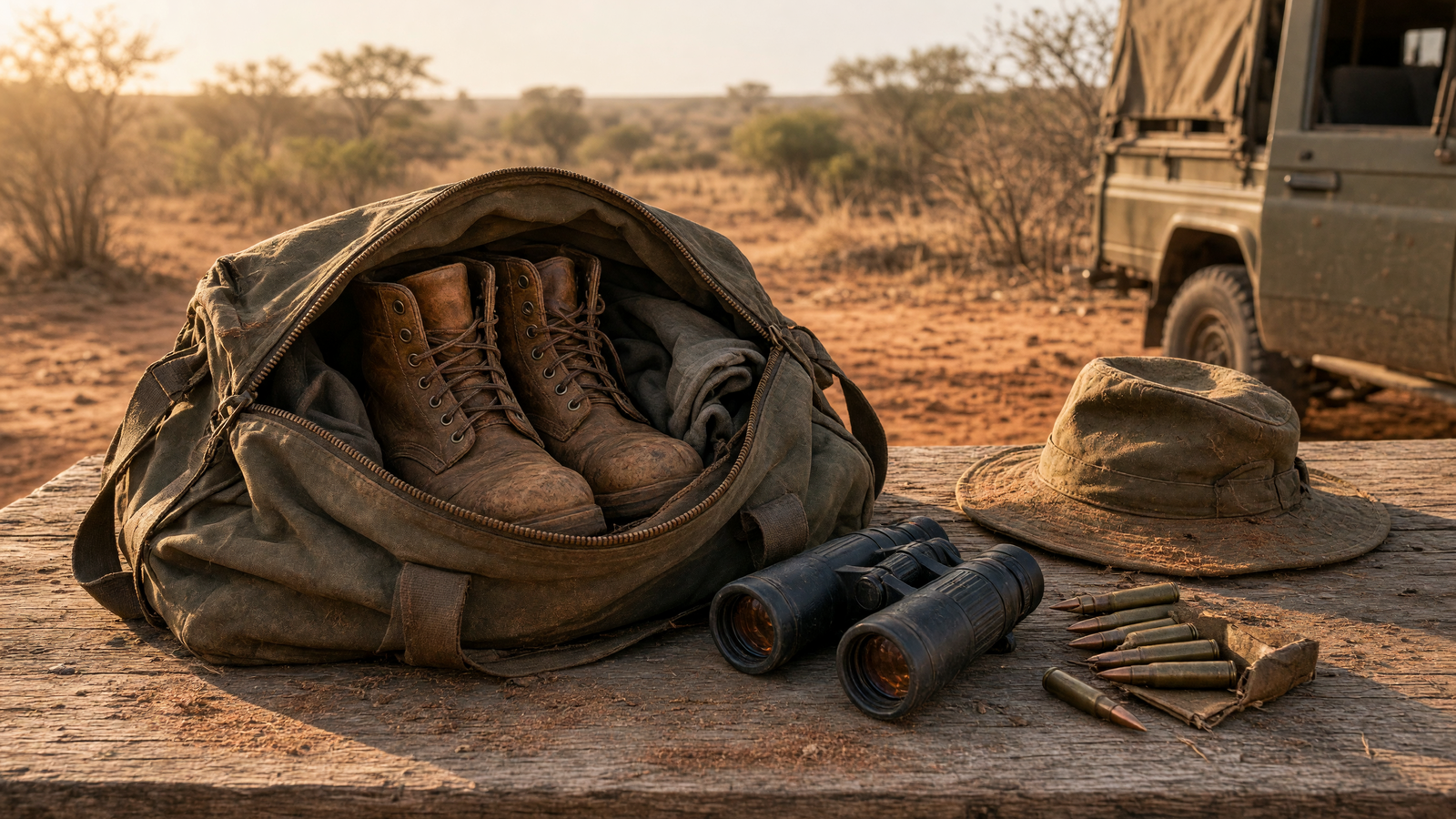
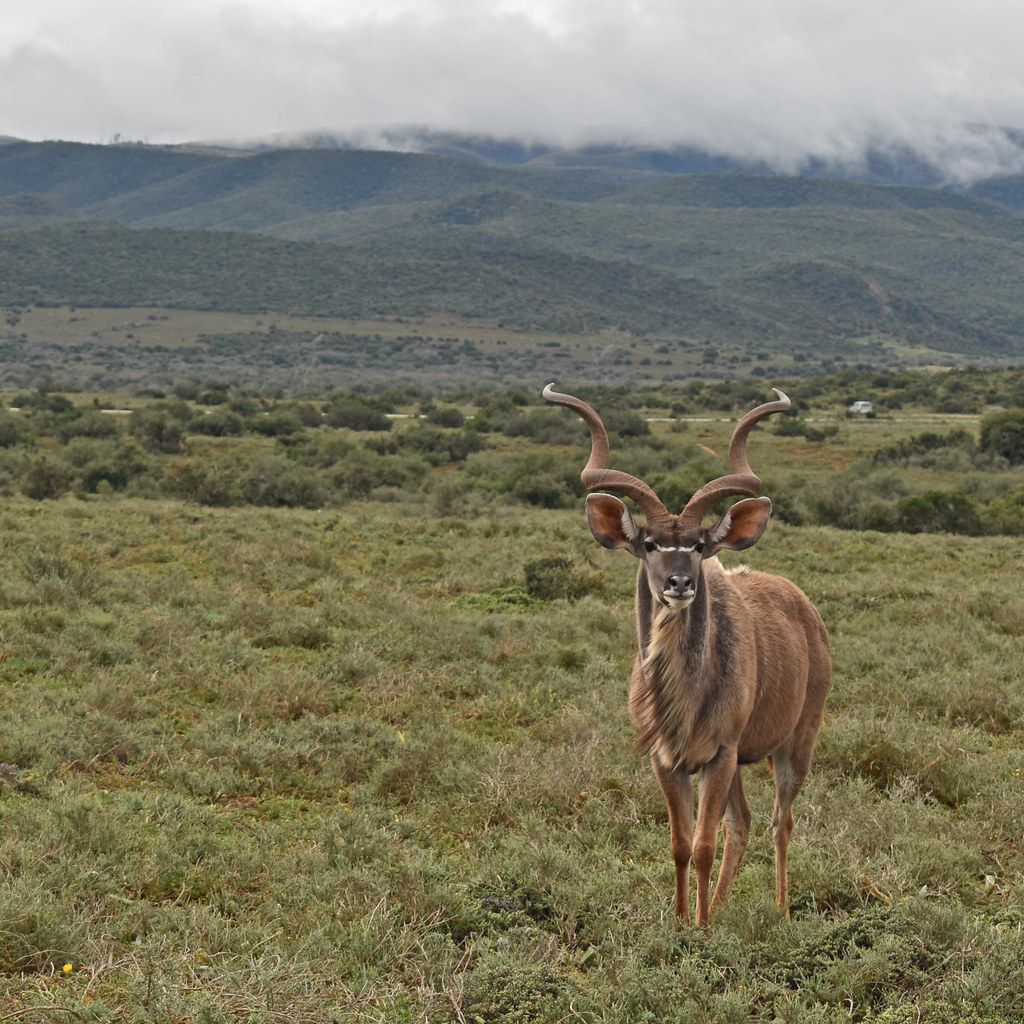
Start with authentic, high-quality visuals that capture the essence of your hunts. Nothing replaces seeing the country, the game, and the camp atmosphere. Use sharp photos of ethical harvests, guides working with clients, comfortable lodging, and shared meals. Short videos perform even better. A 45- to 90-second clip of a bull elk bugling at dawn or a hunter settling in for a stalk can hold attention and build desire. Pages featuring video have shown conversion increases of 70 to 80 percent in similar outdoor booking contexts. Drone footage can illustrate property size and habitat quality when used sparingly. Always choose real images from your actual operations rather than generic stock photos. Hunters notice the difference immediately, and authenticity builds the trust needed for someone to book a hunt with you.
Be completely transparent about pricing and inclusions. Hidden costs or vague language create frustration and damage your reputation. List the full package price, what it covers (meals, lodging, licenses, field care, trophy fees), and any optional extras. A simple breakdown or dedicated FAQ section helps hunters plan. This openness also reflects well on your ethics. It shows you respect the client and the resource rather than focusing only on the sale. Outfitters who adopt this approach often report fewer last-minute cancellations and stronger word-of-mouth referrals.
Social proof remains one of the strongest tools available. Feature real testimonials that include the hunter’s name, hunt type, and a specific detail about their experience. Photos of past clients with their harvests or around camp add credibility. If you maintain strong success rates, share them with context about how weather, hunter effort, and season affect results. Link to independent reviews on Google or hunting forums. Surveys of outdoor enthusiasts consistently show that over 90 percent place high value on peer feedback when choosing a guide or outfitter. Video clips of clients discussing not just the animals taken but the quality of the experience and your conservation practices carry extra weight.
Streamline the actual booking process so it feels simple and secure. Display a clear calendar of available dates. Offer the ability to place a deposit or pay in full through trusted processors. Many successful outfitters now use specialized hunt booking software that syncs calendars, sends confirmations, and reduces administrative work. The entire flow must work smoothly on phones and tablets. With mobile traffic accounting for well over half of website visits in the outdoor sector, a page that is hard to navigate on a small screen costs bookings. Test every step yourself on multiple devices and fix friction points immediately.
Optimize the pages themselves for search so the right hunters can find you. Incorporate natural phrases such as book a guided elk hunt, mule deer outfitter Wyoming, or whitetail hunt booking. Write unique, detailed descriptions for each hunt offering that cover terrain, typical weather, physical demands, and what a typical day looks like. Compress images and keep load times low. Search engines reward sites that deliver useful information, so include notes on how your operation supports wildlife management through license sales, habitat work, and ethical harvest practices.
Trust signals go beyond reviews and photos. Display your current licenses, insurance details, and memberships in conservation organizations. Mention specific ways your hunts contribute to healthy wildlife populations, whether through funding from tags or on-the-ground habitat projects. In a time when hunting faces greater public scrutiny, positioning your operation as a genuine steward of the land attracts clients who hunt for the right reasons. This alignment with ethics and conservation is not just good business. It is the foundation of sustainable outfitter work.
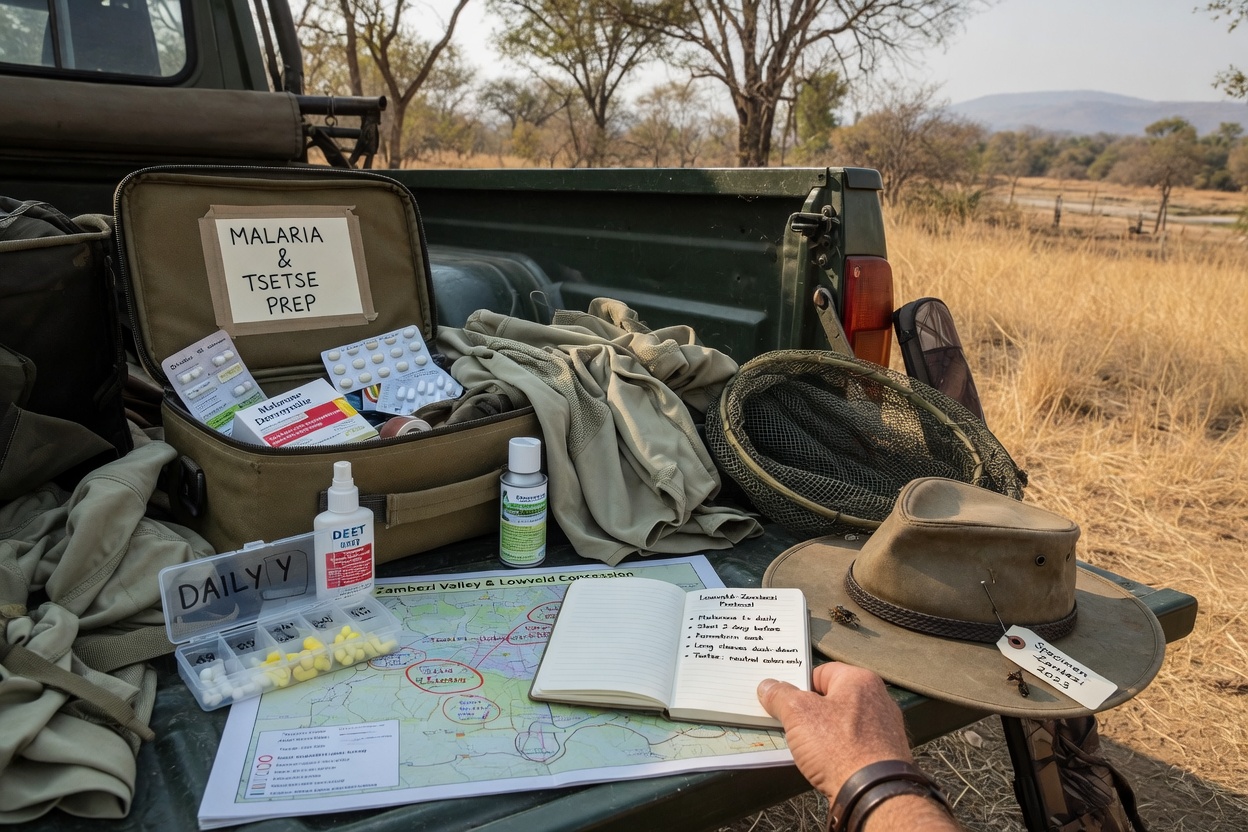
Add practical extras that reduce questions and increase confidence. Provide a “what to expect” section covering fitness requirements, recommended gear, and typical weather. Offer a downloadable hunt information packet. Place a simple contact form or inquiry button in a visible spot. For visitors not ready to book immediately, capture emails with an offer of seasonal hunt reports or conservation updates. These small steps keep your operation in front of interested hunters without being pushy.
As you work on these improvements, remember that the page should feel like an extension of your camp. It should convey the same passion for the hunt, respect for the animal, and care for the land that you demonstrate in the field. I have watched outfitters transform slow seasons into fully booked ones simply by treating their booking pages with the same attention they give to scouting and camp setup. The hunters who reach you deserve an accurate, compelling picture of what you offer.
Improving your hunt booking pages is an ongoing process rather than a one-time project. Begin with a honest review of your current pages. Check load speed, mobile performance, clarity of information, and overall appeal. Then address one or two areas at a time. The effort pays off in more booked hunts, better-prepared clients, and a reputation that supports both your business and the future of hunting. Take the first step this week. Your next group of ethical, conservation-minded hunters is already looking for an outfitter they can trust.