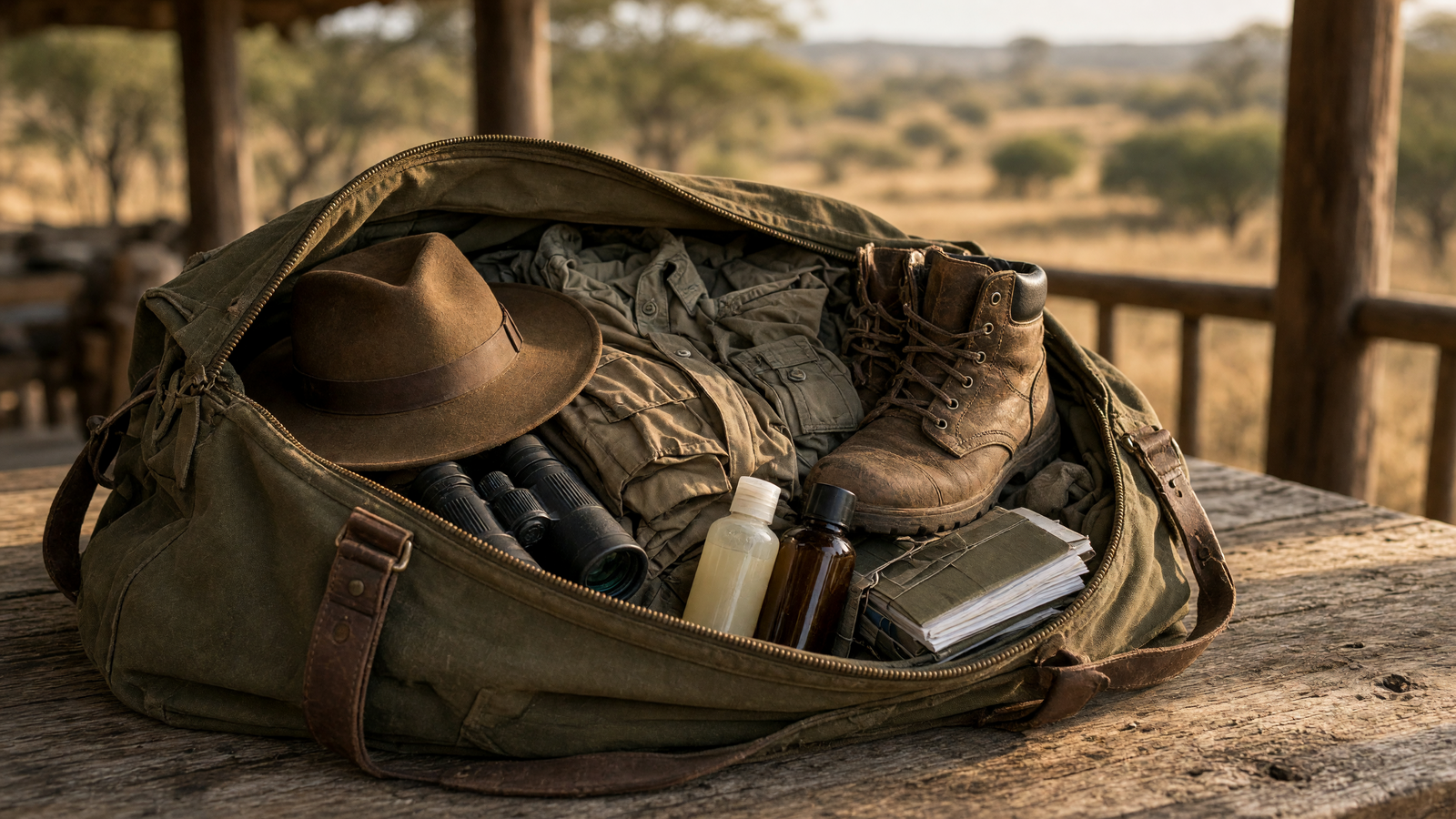
The excitement of booking your first African safari hunt can make even the most organized person forget the basics. You picture vast savannas, trophy animals, and campfire stories under the stars. Then reality hits when you land in Johannesburg or Windhoek and realize your bag is missing something critical. After years of working with first-time hunters heading to South Africa, Namibia, Zimbabwe, and Tanzania, I have seen the same oversights again and again. These mistakes do not just cause discomfort. They can affect your hunt, your health, and even the conservation work that makes ethical safari hunting possible.
Most beginners focus on the rifle and the camera. They forget the practical details that keep you in the field longer and safer. African hunting conditions change fast. Days can hit 95 degrees Fahrenheit while nights drop into the 40s. Dust, thorns, insects, and long vehicle rides test every piece of gear. Recent travel data from outfitters shows that poorly packed hunters lose an average of one to two hunting days to preventable issues like blisters, sunburn, or forgotten medications. That is time you cannot get back on a once-in-a-lifetime trip.
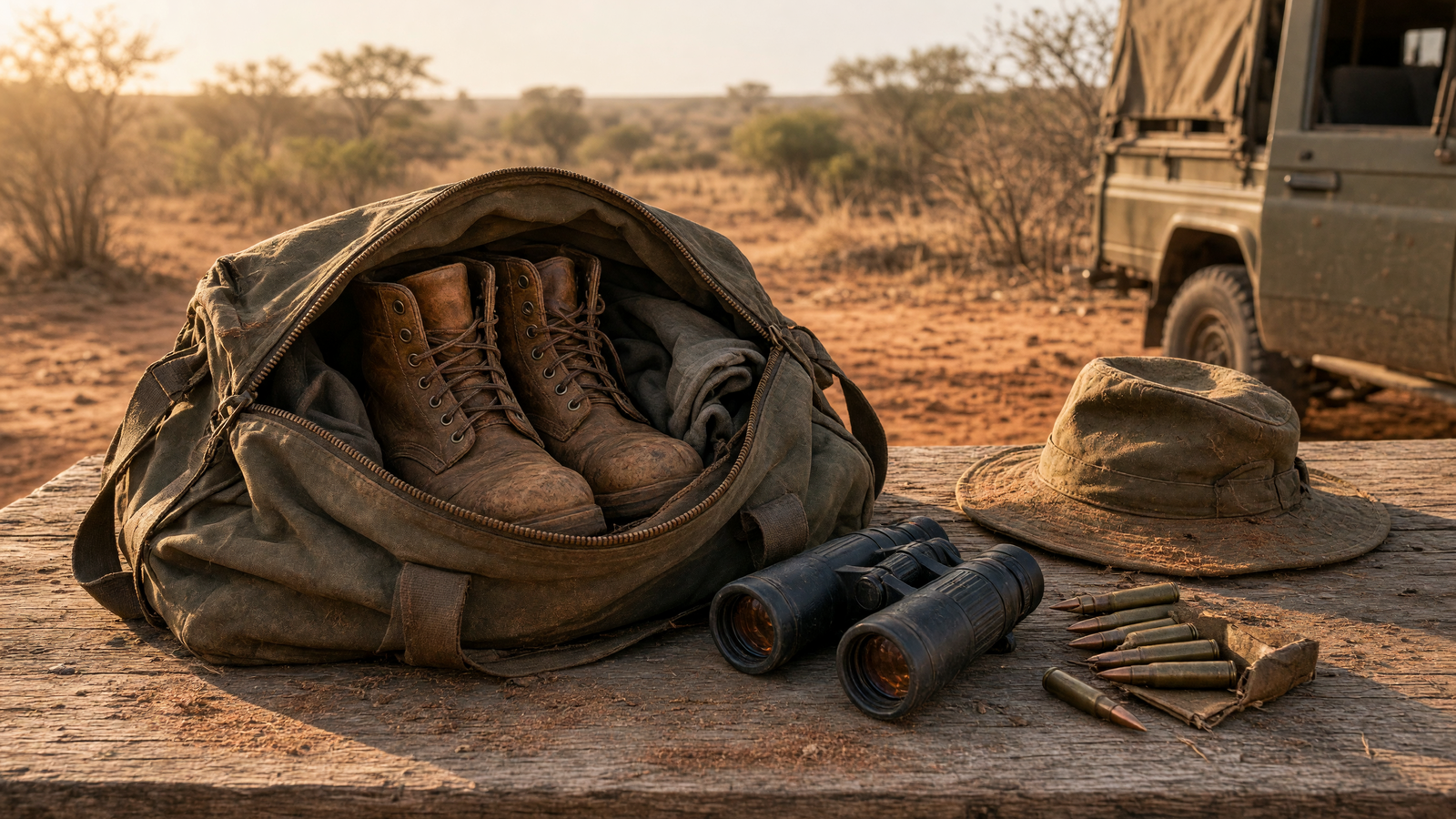
Start with clothing because it is the area where new hunters make the most errors. You need lightweight, breathable layers in earth tones like khaki, olive, and tan. Bright colors or heavy camouflage patterns stand out in open country and can spook game. Pack at least two complete hunting outfits plus extras. Many camps offer laundry, but it is not always daily, and you will get dirty. Include a wide-brimmed hat, buff or neck gaiter for dust, and a light rain jacket. Even in dry season, afternoon storms happen. Footwear is another common failure. Bring broken-in hunting boots with ankle support and a pair of comfortable camp shoes or sandals. Extra merino wool socks are non-negotiable. Blisters have ended more hunts than missed shots. Treat your clothes with permethrin before you leave. Ticks and mosquitoes carry real risks, and this simple step reduces bites significantly according to CDC field studies.
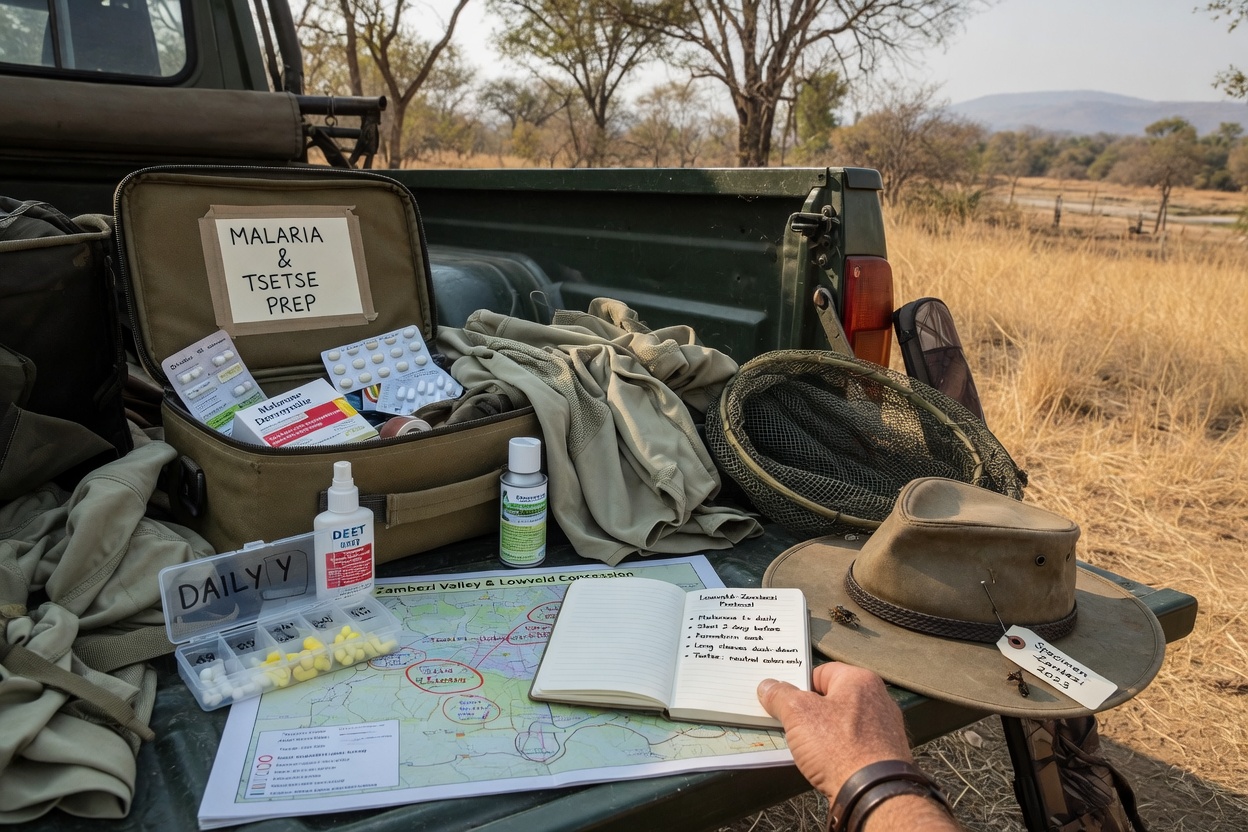
Health and safety items disappear from packing lists more often than you think. Consult a travel doctor at least eight weeks before departure. Malaria prophylaxis is required in many areas, and yellow fever vaccination certificates are checked at some borders. Pack your prescription medications in original bottles plus extras in case of delays. A basic first-aid kit with blister treatment, antihistamines, antidiarrheal medicine, and electrolyte packets belongs in your daypack. Insect repellent with DEET or picaridin, high-SPF sunscreen, and lip balm with SPF go in every pocket. Hydration matters more than most realize. Bring a reusable water bottle and consider a small filter. Camps provide water, but long stalks or vehicle breakdowns happen. Recent reports from professional hunters note an increase in heat-related issues among unprepared clients as temperatures rise in traditional hunting blocks.
Documents and legal paperwork cause last-minute panic at airports. Your passport needs six months validity. Check visa requirements for your destination and any transit countries. Hunting permits, firearm import papers if you are bringing a rifle, and proof of hunting insurance should be printed and digital. Many countries now use e-visas, but keep paper copies. If you plan to bring trophies home, research CITES permits early. Your professional hunter and outfitter will guide you, but you must have your personal documents organized. I once watched a hunter miss two days of hunting because his yellow fever card was in a checked bag that got delayed. Keep a folder with everything in your carry-on.
Gear beyond the obvious gets left behind constantly. Quality binoculars and a rangefinder are essential, yet beginners often borrow or buy cheap ones that fail in the field. Extra batteries and a power bank matter because camp electricity can be generator-based and limited. A headlamp with red light mode helps around camp without ruining night vision. A small notebook and pen let you record shots, observations, and stories. Cash in small denominations for tips and incidentals is better than relying on cards in remote areas. Voltage adapters for South African or other regional plugs prevent dead devices. If you bring electronics, remember that charging time is precious.
Personal comfort items improve the experience more than people expect. Earplugs help with generator noise or early morning bird calls. A lightweight sleep sack or extra layer for cold nights in some camps makes sleep possible. A good book or downloaded entertainment fills downtime between hunts. Gifts for camp staff such as t-shirts or small tokens from home build goodwill, but check with your outfitter first. Do not overpack. Bush plane weight limits can be as low as 20 to 30 pounds per person. Weigh everything at home.
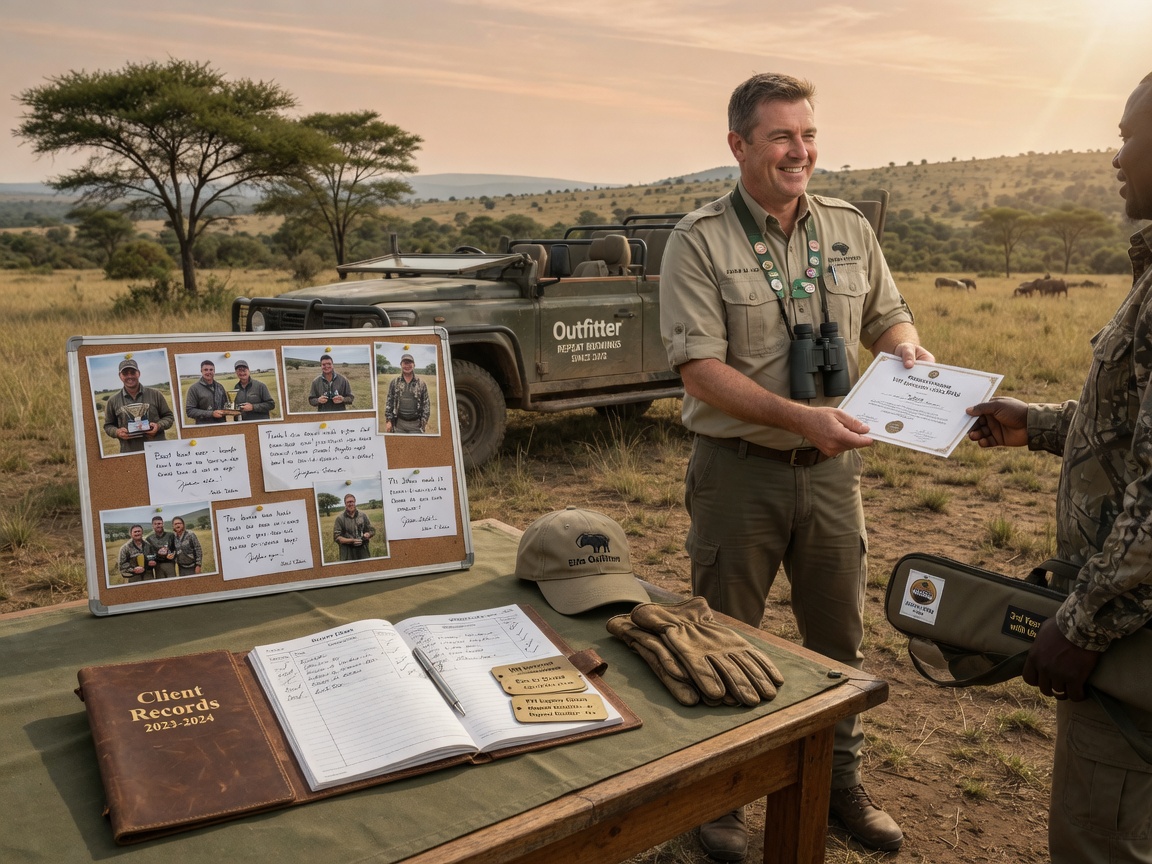
Ethical hunting and conservation should shape every packing decision. Choose an outfitter who follows fair chase principles and contributes to local communities and anti-poaching efforts. Studies from organizations like the IUCN and African wildlife authorities show that well-regulated safari hunting funds habitat protection and employs thousands in rural areas. Pack light to reduce your environmental footprint. Support operators who use hunting revenue for conservation rather than those focused only on volume. Your presence as a hunter can help wildlife if done right. Leave no trash, respect local customs, and follow your professional hunter’s guidance on shots and species.
Preparation turns a good safari into a great one. Talk to your outfitter about specific conditions for your hunting area and dates. Many now send detailed packing lists tailored to the season. Break in every piece of clothing and footwear. Make a checklist and check it twice. The animals will be there. The question is whether you will be ready to hunt them ethically and comfortably.
Your first safari should create memories that last a lifetime, not stories about what you forgot. Take the time now to pack smart. Reach out to experienced hunters or your booking agent for advice specific to your destination. The African bush rewards those who respect it and come prepared. Start your list today and focus on the hunt, not the hassles.