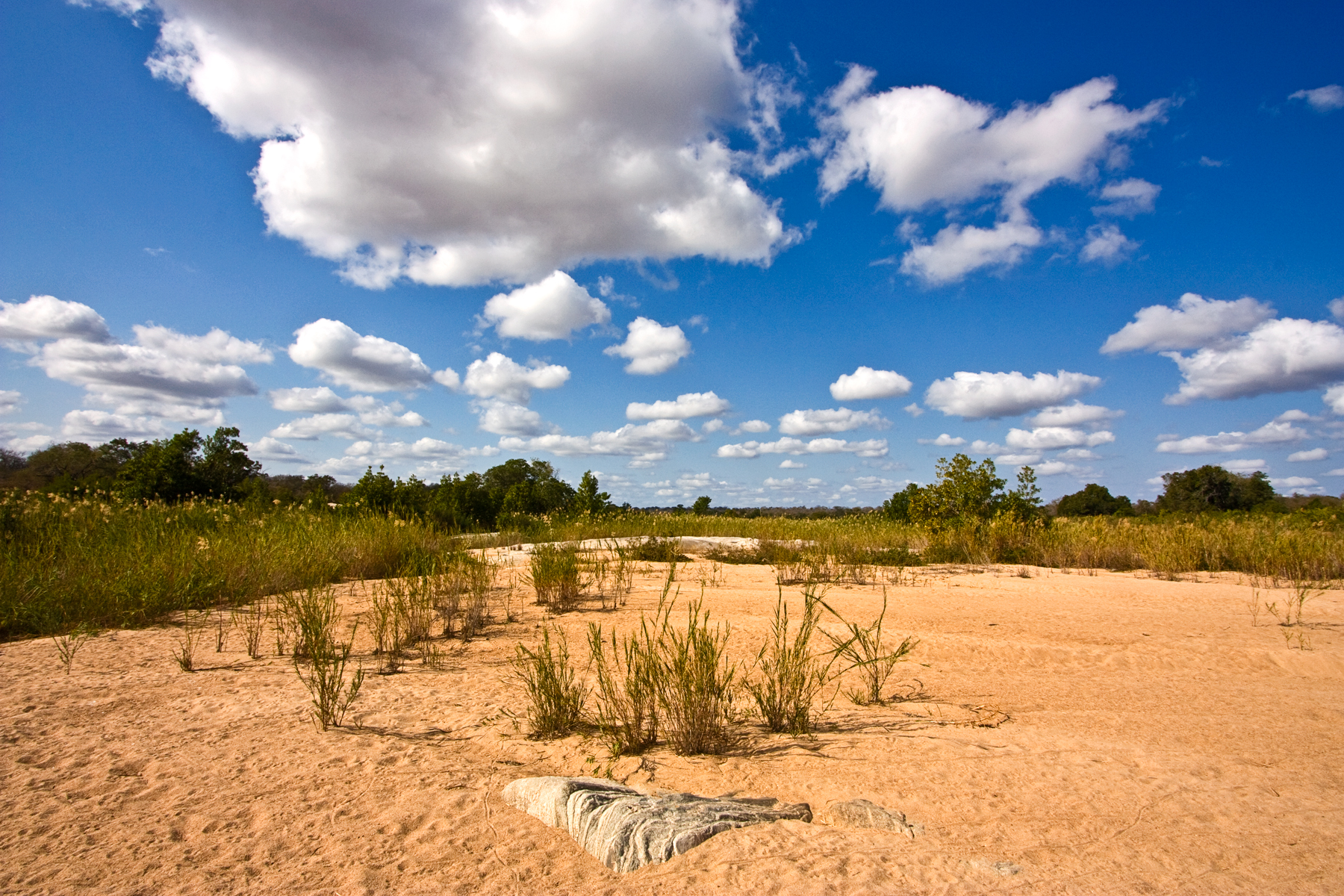
Kruger National Park stands as one of Africa's most celebrated wildlife destinations, famous for its vast savannas, Big Five sightings, and unforgettable safari experiences. Millions of visitors flock there each year to photograph lions, elephants, and rhinos in their natural habitat. What many hunters do not realize is that some of the finest hunting opportunities on the continent exist just outside the park's boundaries. Private hunting concessions in the surrounding Lowveld of Limpopo and Mpumalanga provinces offer authentic African hunting in landscapes that feel every bit as wild as Kruger itself. These areas remain relatively unknown to the average tourist, making them true hidden gems for those seeking quality trophies, ethical hunts, and a genuine connection to the bush.
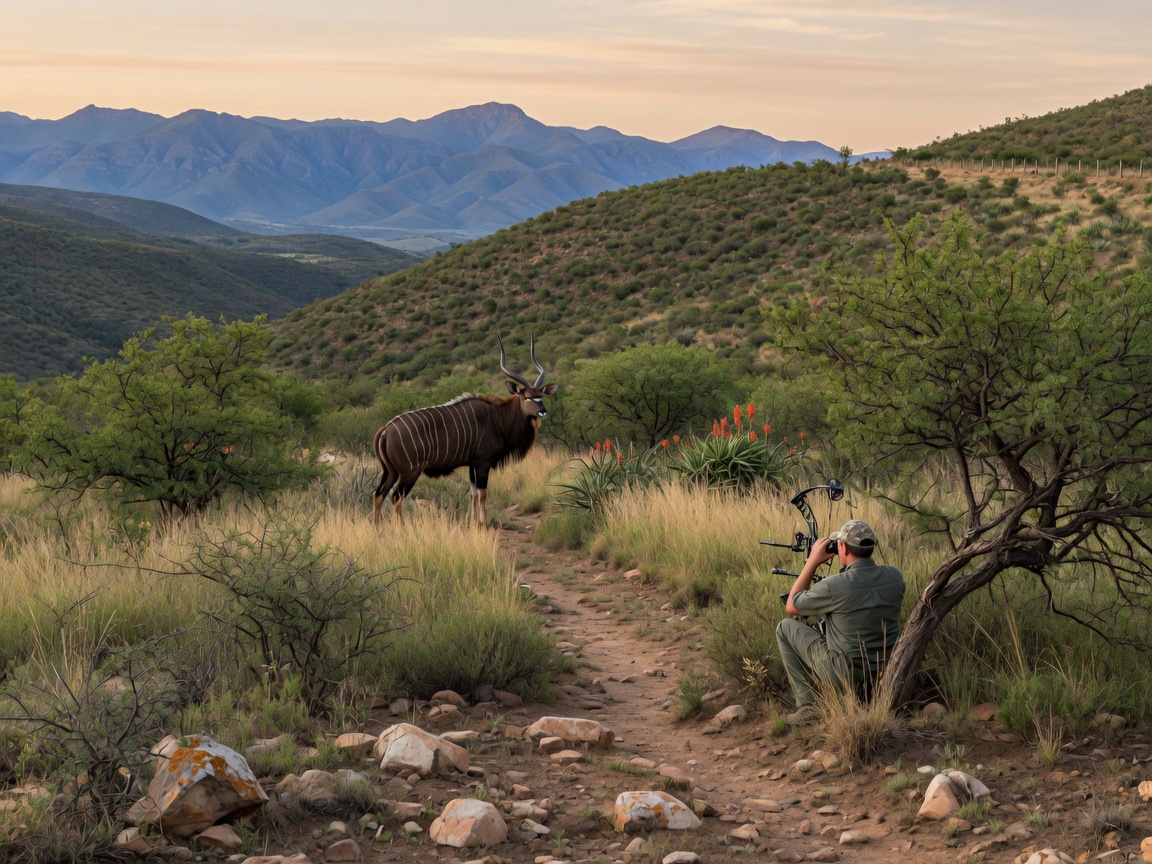
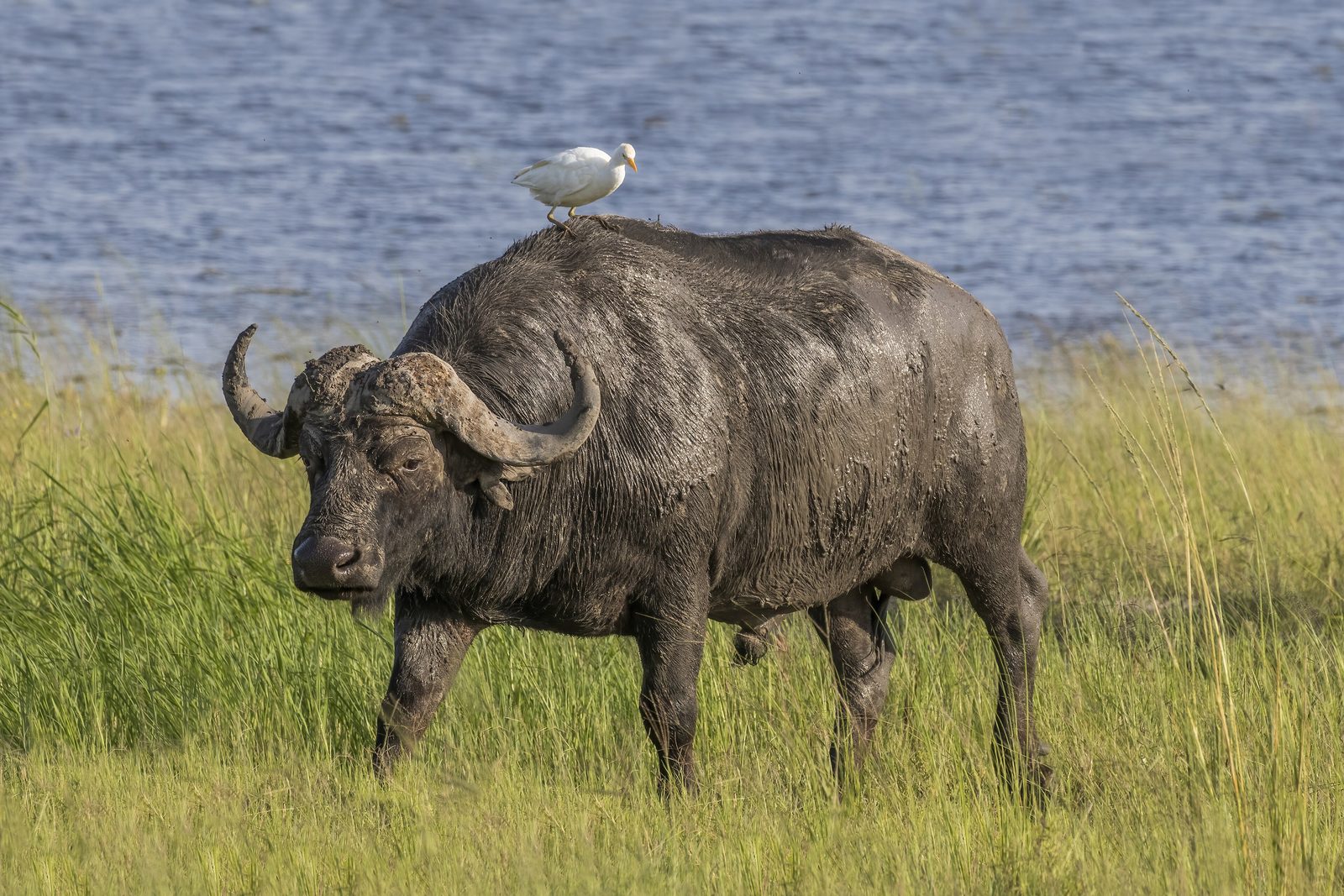
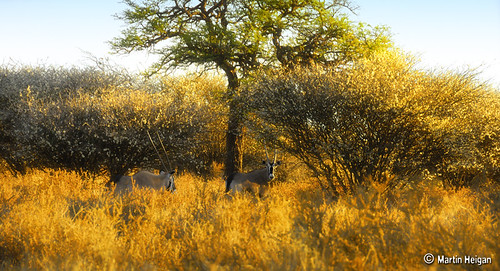
The Greater Kruger region and its adjacent private lands form a mosaic of conservancies, game farms, and dedicated hunting concessions. While the national park itself prohibits hunting, the surrounding properties have long practiced sustainable wildlife management. Many of these concessions share similar geology, vegetation, and wildlife populations with Kruger. Hunters can pursue classic plains game such as impala, kudu, wildebeest, zebra, and warthog, along with more challenging species like nyala, waterbuck, and bushbuck. In select concessions, buffalo hunting remains available under strictly controlled quotas. These hunts take place on properties ranging from a few thousand hectares to expansive conservancies that allow for fair-chase experiences rather than high-fence shooting.
What makes these concessions hidden gems is their combination of quality, accessibility, and conservation impact. Unlike more commercialized hunting destinations farther afield, many operators here maintain smaller, more personalized camps. You might stay in a comfortable tented camp or a rustic lodge with views over a waterhole, hearing hyenas call at night and waking to the sound of francolins. The hunting pressure is generally lower than in well-known areas, which often translates to better trophy quality and more natural animal behavior. Distances from major airports such as Hoedspruit or Kruger Mpumalanga International are short, typically one to three hours, so you spend more time in the field and less time traveling.
Hunting in these areas directly supports conservation. Private landowners and concession holders invest hunting revenue into habitat management, water provision, anti-poaching units, and community programs. Studies and reports from organizations such as the Professional Hunters' Association of South Africa consistently show that well-regulated hunting generates significant funds that keep wildlife on the land rather than converting it to agriculture or other uses. In the Lowveld, this model has helped maintain wildlife corridors and buffer zones around Kruger, reducing human-wildlife conflict and supporting species that move between protected and private land. Ethical hunters who choose reputable operators become partners in this system rather than mere consumers of wildlife.
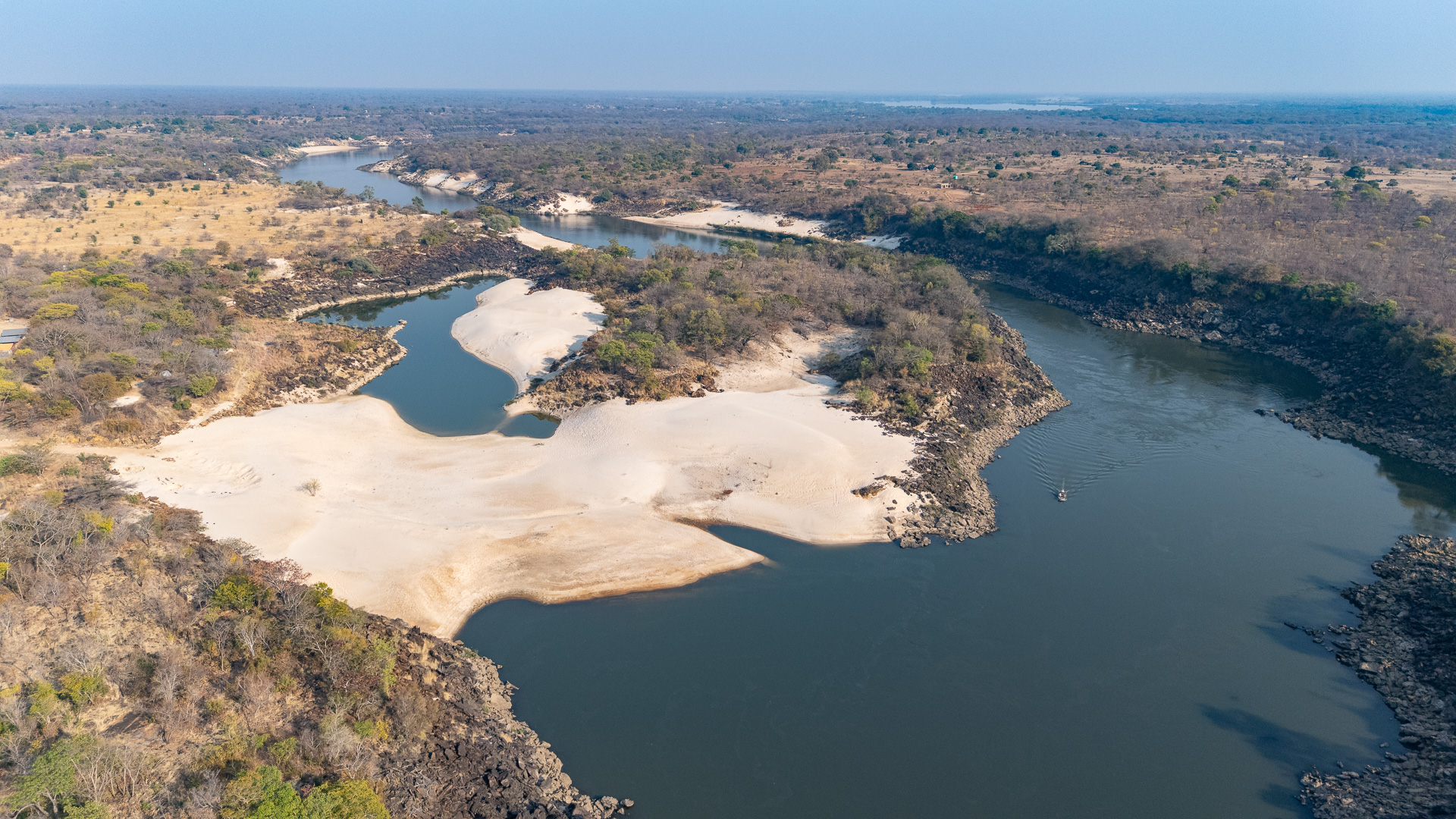
Successful hunts here rely on understanding the terrain and the animals. The Lowveld bush is a mix of mopane woodland, acacia thickets, and open grasslands interspersed with granite koppies. Tracking is often the primary method, especially for buffalo and larger antelope. A good professional hunter will read the signs, use the wind, and put you in position for a clean, ethical shot. Rifle choice matters. For most plains game a well-zeroed .270, .308, or 7mm Remington Magnum with quality ammunition is sufficient. Buffalo demands a minimum of .375 H&H Magnum and a hunter who has practiced extensively with it. Always confirm caliber and ammunition requirements with your outfitter well in advance, as South African regulations are specific.
Timing your hunt correctly improves both success and comfort. The dry winter months from May through September offer the best conditions. Vegetation is thinner, animals concentrate around remaining water sources, and daytime temperatures are milder. Early mornings and late afternoons provide prime hunting windows, while midday heat can be used for glassing or returning to camp. Malaria is present in the region, so consult a travel doctor about prophylaxis and use insect repellent religiously. Pack lightweight, neutral-colored clothing, a good pair of broken-in boots, a quality binocular, and a shooting rest or sticks. Many camps provide laundry service, so you do not need to overpack.
Choosing the right outfitter is the single most important decision. Look for members of recognized associations who hold the proper permits and who can demonstrate a track record of ethical practices and client satisfaction. Ask detailed questions about concession size, hunting methods, trophy quality expectations, and how they contribute to local conservation and communities. A reputable operator will be transparent about quotas, success rates, and what happens to the meat and hides. Many now offer options for hunters who want to combine a hunt with a photographic safari for non-hunting companions, making the trip appealing to couples or families.
Recent years have seen continued emphasis on sustainability and community involvement. Some concessions have expanded anti-poaching collaborations with neighboring Kruger sections and invested in camera traps and ranger training. Hunters who visit often leave with a deeper appreciation for the complexities of African wildlife management. The experience is not just about the animal taken; it is about walking the same ground as generations of trackers, learning from local knowledge, and understanding that responsible hunting remains one of the most effective tools for keeping wild places wild.
If you have hunted other parts of Africa or even other South African provinces, these Kruger-adjacent concessions offer a refreshing change of pace. The game is plentiful, the bush is beautiful, and the sense of being on the edge of one of the world's great parks adds an extra layer of excitement. Whether you are after your first African plains game or looking to add a Lowveld buffalo to your collection, these hidden gems deliver memorable hunts without the crowds.
Start planning by researching current outfitters operating in the Greater Kruger periphery. Contact them early, especially if you have specific dates or species in mind, as the best camps book well in advance. Prepare physically and mentally, respect the animals and the land, and you will return home with stories that last a lifetime and the satisfaction of having contributed to conservation. The bush near Kruger is waiting. It is time to discover it for yourself.