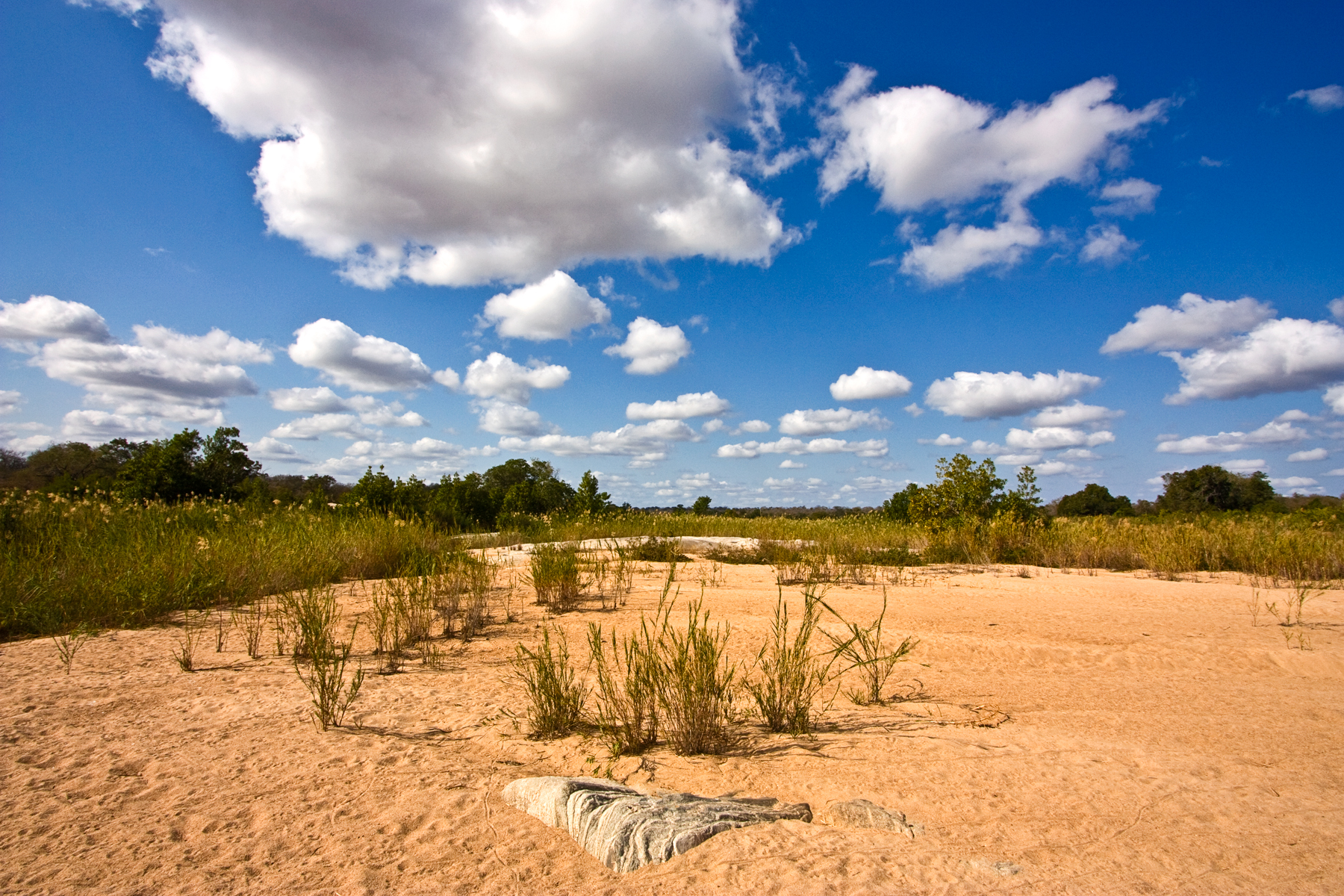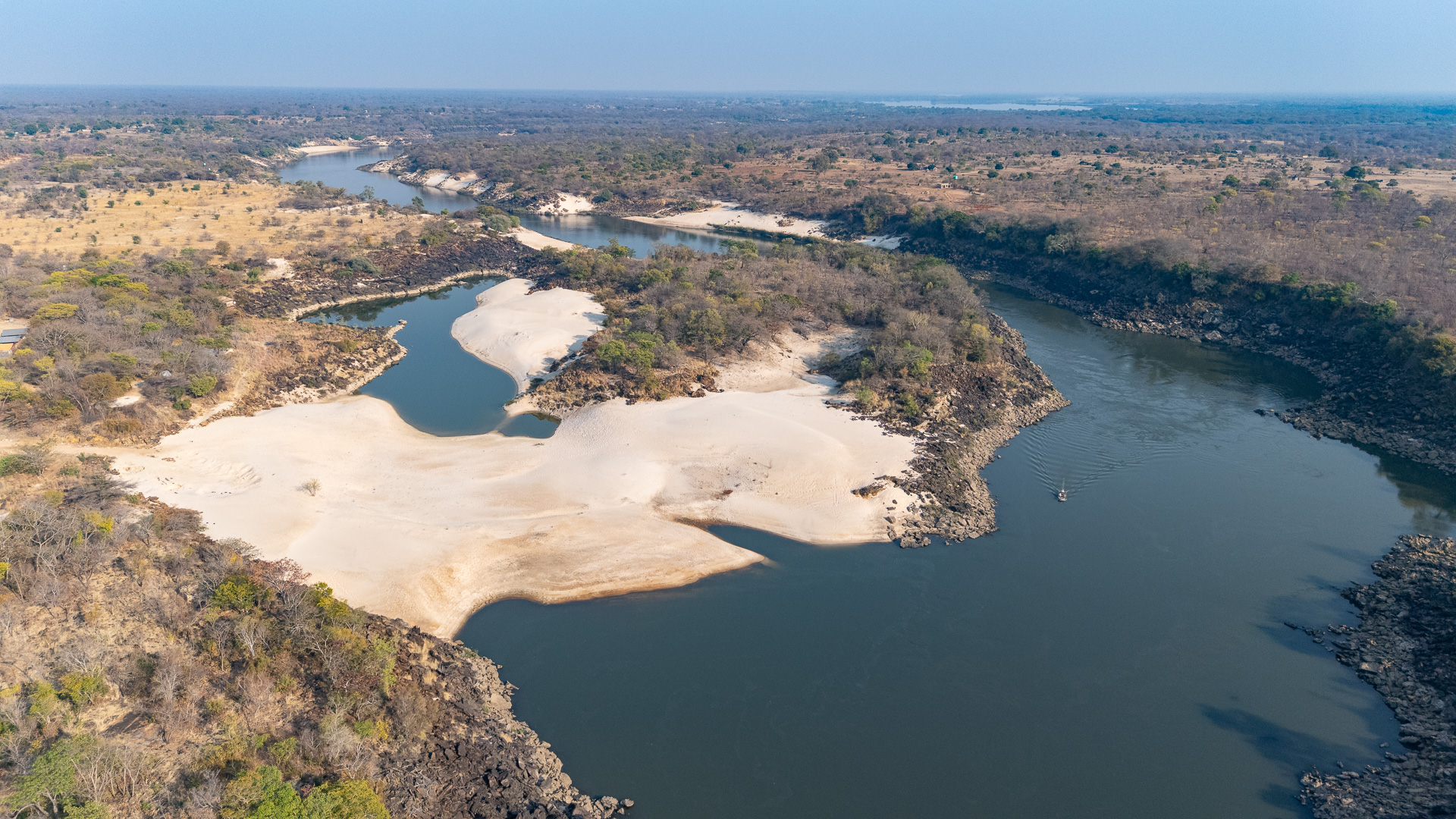
The Zambezi Valley offers some of the most authentic walk-and-stalk hunting experiences left in Africa. Picture yourself moving quietly through mopane woodland and riverine thickets, following fresh tracks of a Dagga Boy buffalo as the sun rises over the great river. This is not hunting from a vehicle or a hide. It is old-school African hunting that demands fitness, patience, and respect for the land.
The valley stretches along the Zambezi River in northern Zimbabwe and includes safari areas such as Chewore, Dande, and parts of the Mid-Zambezi Valley. These concessions remain relatively wild compared with more developed hunting destinations. Thick bush, limited road networks, and healthy populations of both dangerous game and plains game make walk-and-stalk the natural and most sporting method here. Professional hunters who operate in the valley still prefer to hunt on foot whenever possible because it produces better trophies and a far more memorable experience.
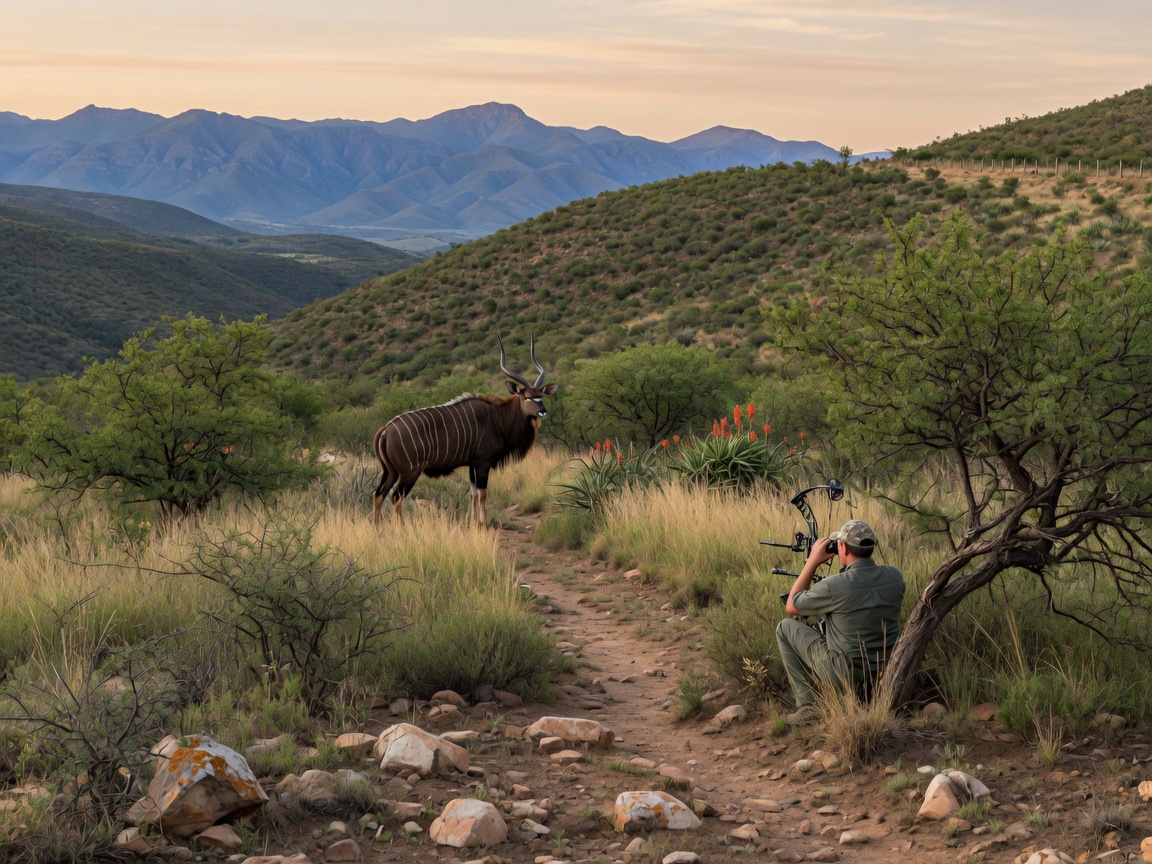
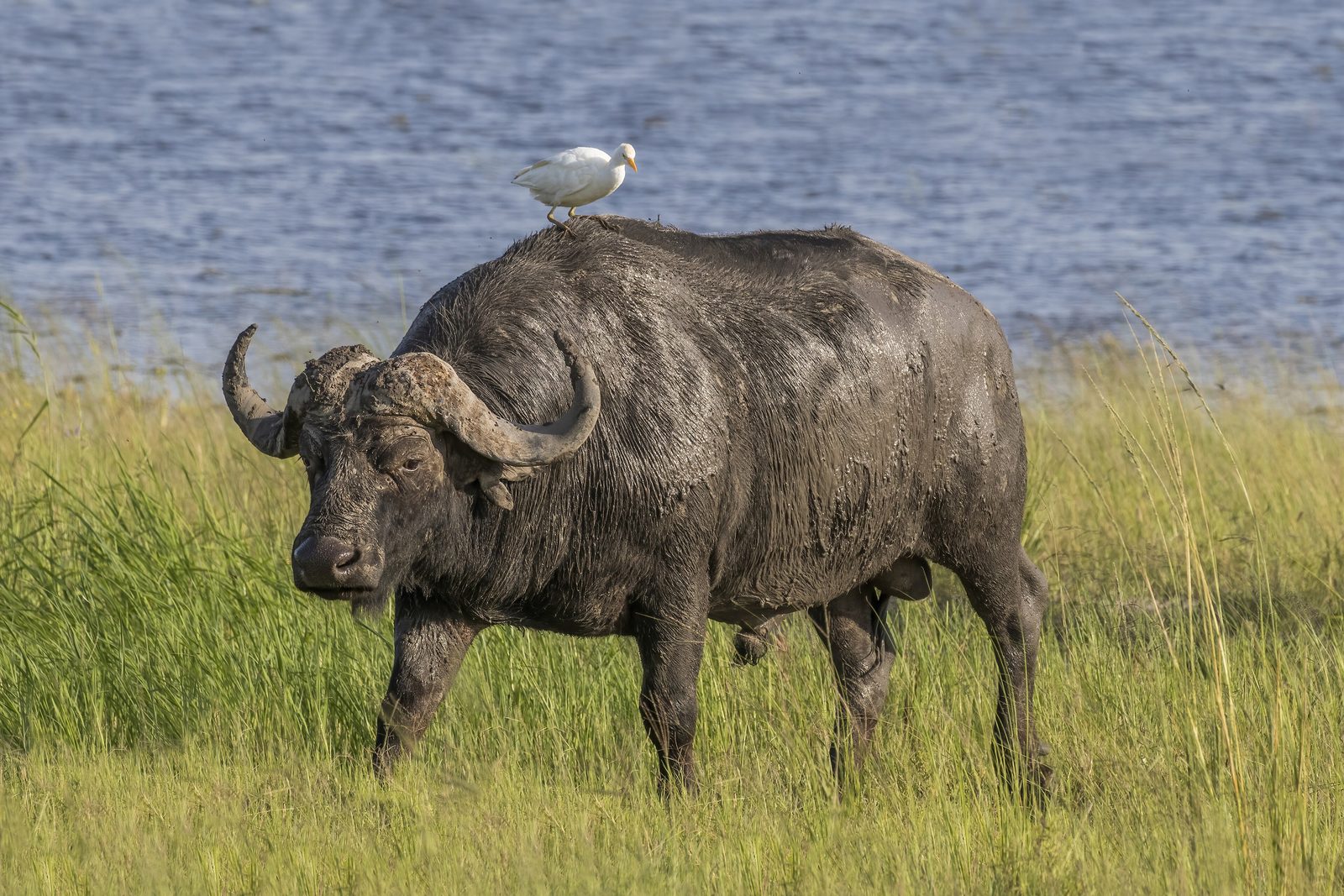
Cape buffalo is the signature animal. Mature bulls are regularly taken by tracking them from water or from overnight feeding areas. A typical hunt involves covering eight to fifteen kilometres a day, reading sign, and closing the distance to inside forty metres for a clean shot. Elephant, when on quota, are also hunted this way, often over several days of hard walking. Lion and leopard appear on some itineraries, though leopard is more commonly hunted over bait; even then, the approach to the hide or the final stalk can involve significant walking. Plains game opportunities are excellent. Greater kudu, waterbuck, impala, warthog, bushbuck, and zebra are all available and lend themselves perfectly to walk-and-stalk tactics. In certain concessions sable and even the occasional roan can be pursued on foot.
The best time is the dry season from late May through October. Vegetation thins, animals concentrate near remaining water, and tracking conditions improve dramatically. Temperatures can still climb above 35 degrees Celsius by midday, so early starts and sensible pacing are essential. Tsetse flies are present in many parts of the valley; a good fly switch and permethrin-treated clothing make a noticeable difference.
Preparation matters. You will walk every day, often in heat and over uneven ground. Arrive fit. A solid pair of broken-in boots, lightweight long-sleeved shirts, and a quality pair of binoculars are more important than extra rifles. For dangerous game a .375 H&H or larger is the legal and practical minimum; many hunters prefer a .416 or .458 for buffalo and elephant. Practise shooting off sticks at ranges from 20 to 80 metres because that is where most shots occur. Malaria prophylaxis is non-negotiable, and you should carry a basic medical kit plus knowledge of first aid for snakebite and heat-related issues.
Ethical hunting is not optional in the Zambezi Valley. Fair-chase principles, one-shot kills, and full utilisation of the animal are expected. Meat from plains game and buffalo is shared with local communities, and trophy fees form a significant part of the income that funds anti-poaching units and community projects under Zimbabwe’s CAMPFIRE programme. Well-managed hunting concessions in the valley consistently show healthier wildlife populations than some neighbouring unprotected areas, according to long-term monitoring by Zimbabwe Parks and Wildlife Management Authority and independent researchers. When you hunt here you are directly supporting the habitat and the people who live alongside the animals.
Choose your outfitter carefully. Look for operators with long-standing concessions, experienced professional hunters who know the specific area, and a clear conservation record. Ask about daily walking distances, the typical size of hunting parties, and how they handle wounded game. A good PH will match the hunt to your fitness level while still giving you a genuine walk-and-stalk experience.
A typical day starts before first light. You leave camp on foot or after a short vehicle drop, pick up tracks, and spend the morning working the sign. Midday is often spent glassing from a rise or resting in shade near water. The afternoon hunt continues until last light. Evenings around the fire are for discussing the day’s tracks, planning the next move, and simply absorbing the sounds of the African night. That combination of physical challenge, mental focus, and raw wilderness is what keeps hunters returning to the Zambezi Valley.
If you have hunted from blinds or vehicles elsewhere in Africa and now want something more demanding, this is the place. The valley rewards hunters who are prepared to walk, to wait, and to take only mature animals. It is also a destination where your hunt dollars stay in the country and contribute to real conservation outcomes.
Start planning now. Contact reputable Zimbabwe hunting operators who specialise in the Zambezi Valley, check current quotas and seasons, and book the dates that suit your schedule. The tracks are waiting.