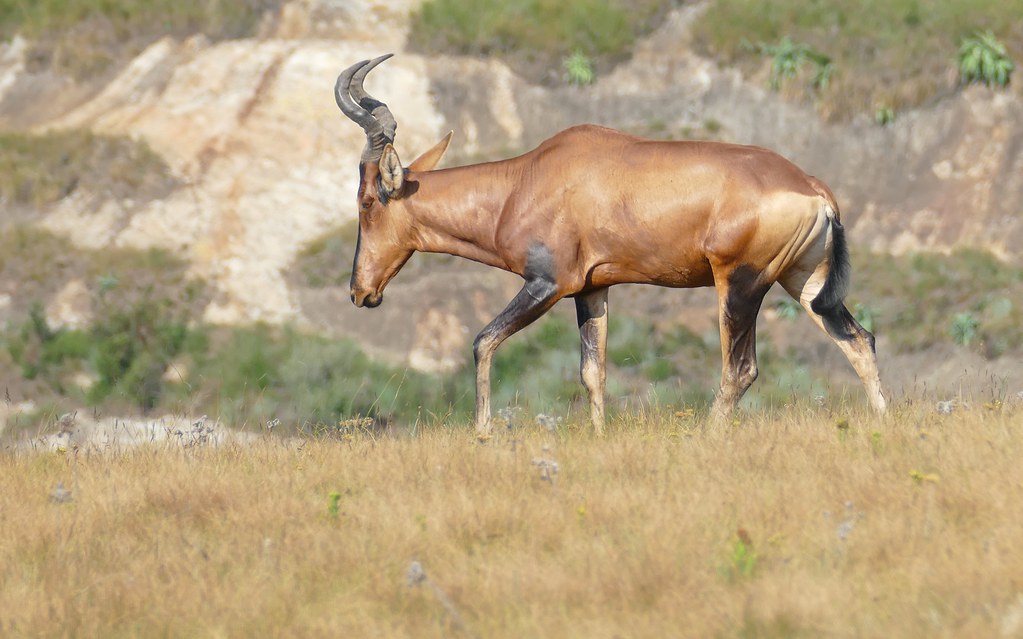
The vast grasslands of South Africa's Free State province stretch out like an endless golden sea, dotted with acacia trees and rolling hills that hide some of Africa's most iconic plains game. Among them, the red hartebeest stands out as a true prize for dedicated hunters. With its reddish-brown coat, sloping back, and impressive lyre-shaped horns, this antelope offers a hunt that tests your stalking skills, marksmanship, and patience in equal measure. If you are looking for an authentic African hunting experience that combines challenge with stunning scenery, red hartebeest hunting in the Free State grasslands delivers on every level.
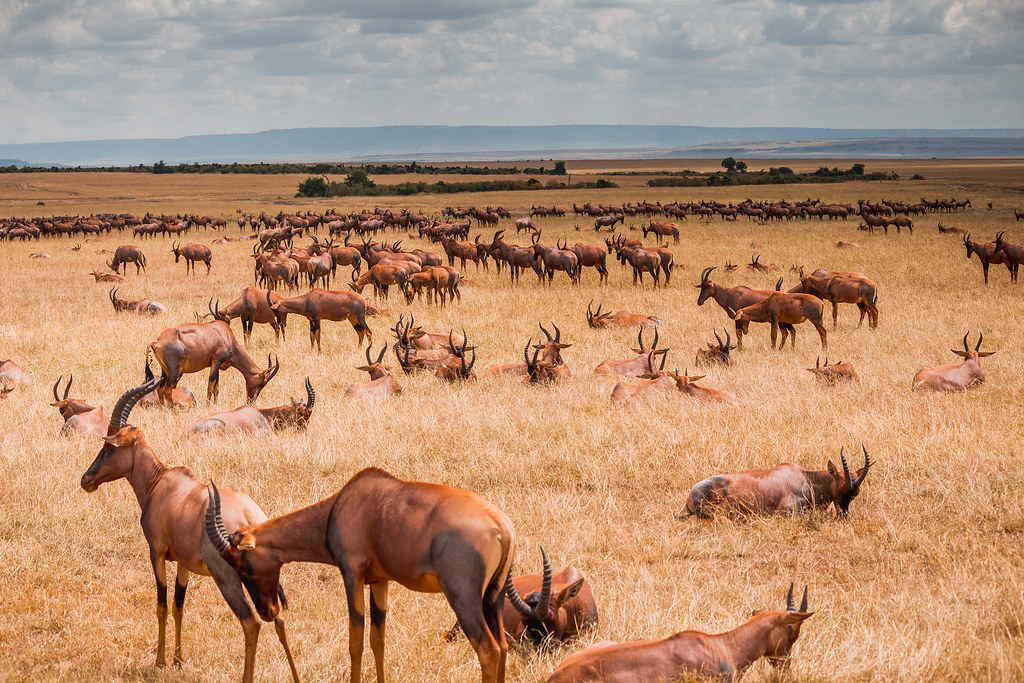
Red hartebeest, scientifically known as Alcelaphus buselaphus caama, thrive in these open habitats. They are primarily grazers that prefer short grasses, often found in small herds or bachelor groups. Their excellent eyesight and wariness make them a demanding quarry, especially in the wide-open terrain of the Free State Highveld. Unlike denser bushveld areas, the grasslands here force hunters to rely on careful observation, wind awareness, and using natural contours for cover. Populations remain healthy thanks to decades of sustainable management on private game ranches and conservancies.
South Africa's hunting industry plays a vital role in conservation. Revenue from legal, regulated hunts funds habitat protection, anti-poaching efforts, and community programs. Organizations such as the Professional Hunters' Association of South Africa report that hunting tourism contributes hundreds of millions of rand annually to the economy while helping maintain wildlife numbers that have actually increased on well-managed properties. The red hartebeest is listed as Least Concern by the IUCN, a status supported by these practices. When you hunt ethically here, you become part of that positive cycle.
Planning your hunt starts with choosing a reputable outfitter who employs licensed Professional Hunters. Foreign hunters typically require a PH by law, and this partnership is invaluable. They know the local terrain, animal behavior, and current regulations. Hunting seasons in the Free State for plains game like red hartebeest are often flexible on private land, with many operations offering year-round opportunities, though the cooler, drier winter months from May to August provide better visibility and more comfortable conditions. Always confirm permit requirements through your outfitter, as provincial authorities issue the necessary documentation. Recent years have seen a strong recovery in hunting tourism following global disruptions, with more ranches investing in habitat improvement and sustainable quotas.
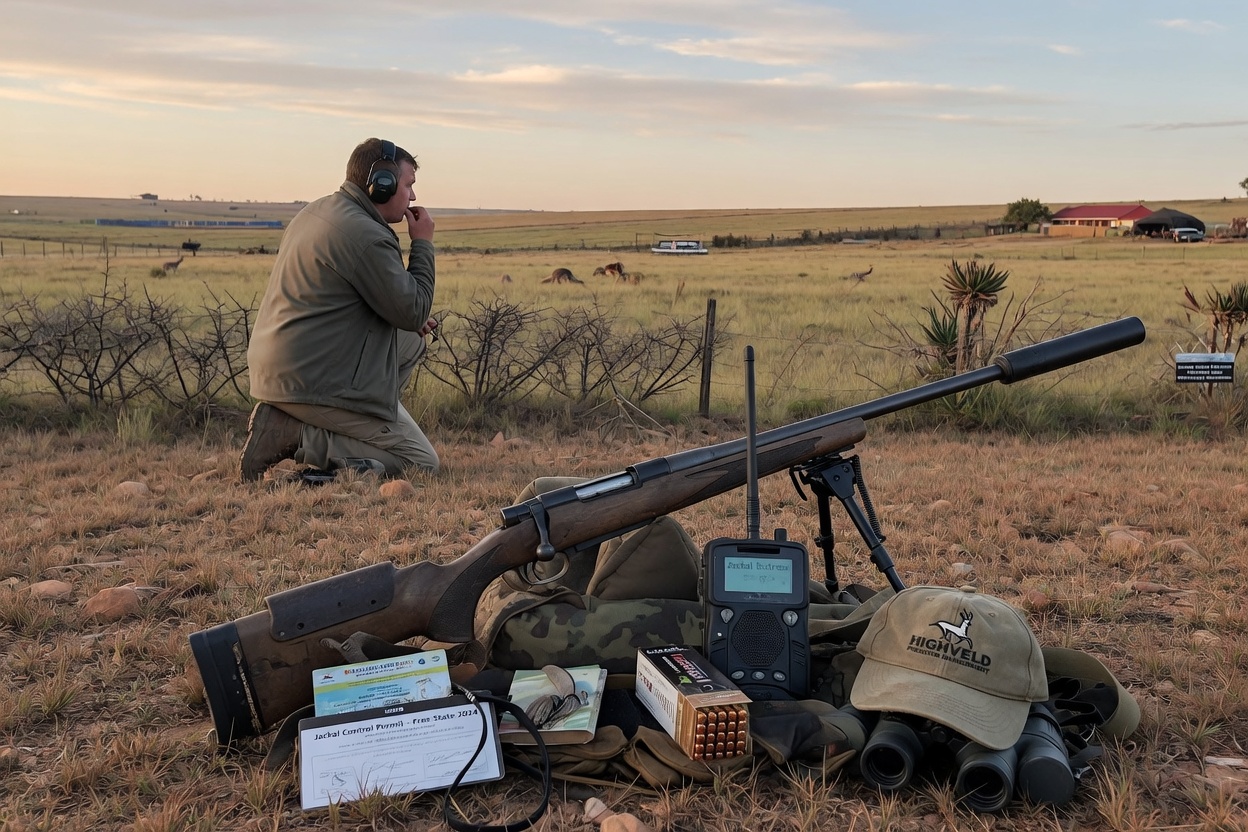
Success in the grasslands depends on sound strategy. Spot-and-stalk is the classic method. Begin at first light when animals are most active and the light is favorable for glassing. High-quality binoculars are essential for scanning distant herds without alerting them. Once you locate a suitable bull, plan your approach using the wind and any available depressions or vegetation. Red hartebeest can detect movement from hundreds of meters away, so move slowly and stay low. Many hunters find that mid-morning stalks work well after the initial feeding period when animals rest in slightly higher grass.
Shot placement is critical because these animals are tough and can cover ground quickly if wounded. Aim for the heart-lung area just behind the shoulder. A well-placed shot from a suitable caliber such as a .270 Winchester, .30-06 Springfield, or 7mm Remington Magnum at ranges typically between 150 and 300 yards will drop the animal humanely. Practice extensively at these distances before your trip, including from field positions. After the shot, wait a few minutes if the animal runs, then follow up carefully with your PH. Proper field care ensures the meat is utilized and the trophy is prepared correctly. Many hunters take the meat for their own use or donate it locally, honoring the animal fully.
Gear should be practical for long days afield. Lightweight, earth-toned clothing that blends with the dry grass is ideal. A good pair of hiking boots with ankle support handles the uneven ground. Bring a quality rangefinder, as judging distance in open country can be deceptive. A shooting stick or bipod helps with stability on those longer shots. Do not forget sun protection, plenty of water, and a reliable daypack. Your outfitter will usually provide vehicles for accessing hunting areas, but expect some walking.
Ethics must remain at the center of every hunt. Fair chase principles mean giving the animal a reasonable chance. Avoid high-fence situations if you prefer a more traditional experience, though many Free State properties offer large, well-managed areas that still demand skill. Respect bag limits and only take mature animals that contribute to healthy herd dynamics. Share your experiences responsibly and support organizations that promote conservation hunting. The future of species like the red hartebeest depends on hunters who value the resource and the land.
I have spent many seasons in these grasslands, and few moments compare to the tension of a successful stalk as a big bull finally presents a shot. The combination of wide-open spaces, the animal's alert nature, and the knowledge that your hunt supports ongoing conservation makes it deeply satisfying. Whether this is your first African hunt or you are adding to a collection of plains game, the Free State offers something special.
If you are ready to experience red hartebeest hunting in these remarkable grasslands, start by researching experienced outfitters who prioritize ethics and conservation. Review their track records, talk to past clients, and discuss your goals. Prepare physically and mentally, then book your dates. The grasslands are waiting, and a well-planned hunt here will stay with you for a lifetime. Explore more hunting resources on our site and consider how your next adventure can contribute to wildlife stewardship.