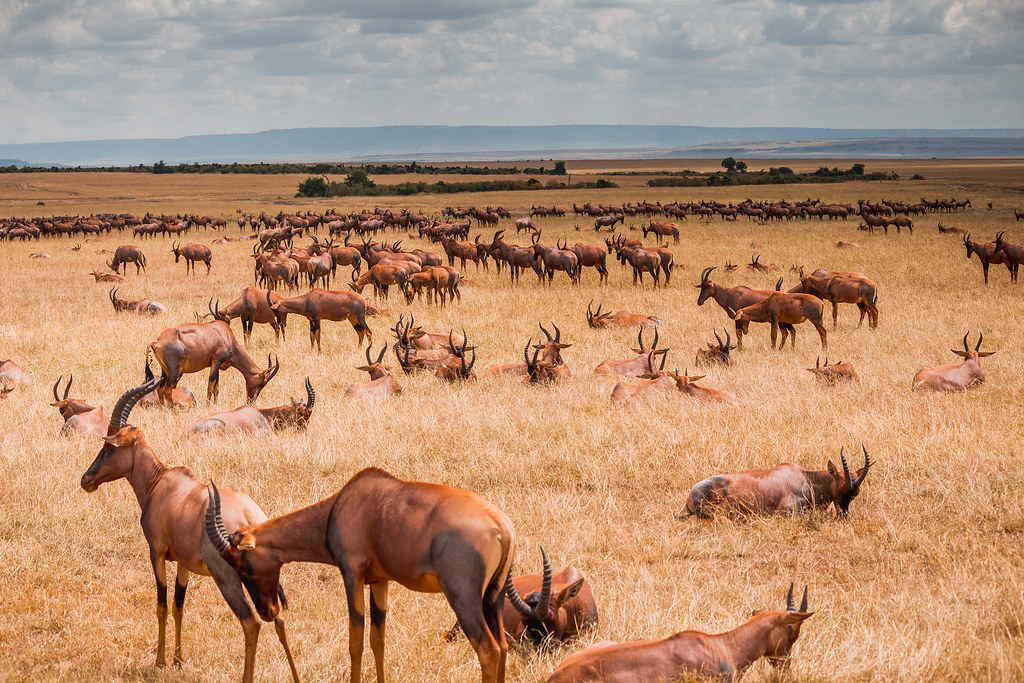
The tsessebe stands as one of Africa's most distinctive and overlooked antelopes, a true specialist of the open grasslands that tests a hunter's skill in both pursuit and judgment. Capable of bursts exceeding 70 kilometers per hour, this member of the Damaliscus genus demands respect from anyone who hopes to take a quality trophy. Judging that trophy while the animal is still on the hoof separates experienced hunters from those who rely on luck. Accurate field assessment protects the resource, honors the animal, and ensures the hunt contributes to conservation rather than simply filling a quota.
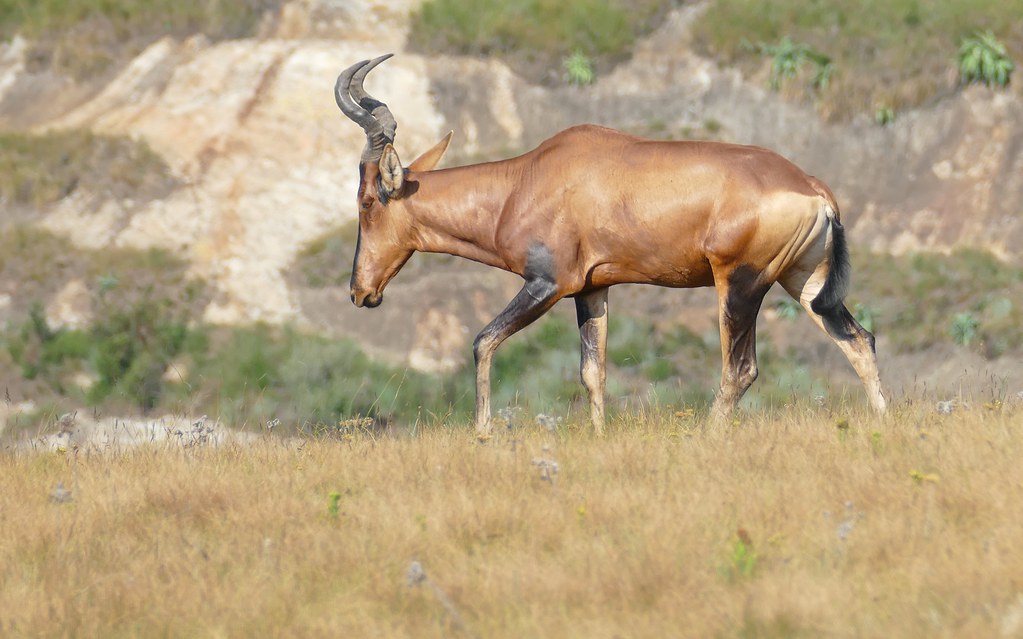
Tsessebe occupy floodplains and savannahs from South Africa through Botswana, Namibia, Zimbabwe and into parts of East Africa. Their reddish-tan coats, dark facial masks and characteristic lyre-shaped horns make them instantly recognizable once you know what to look for. Both sexes carry horns, yet only mature males typically reach the dimensions that interest trophy hunters. The horns emerge from the crown, sweep backward, then rise and curve outward in a graceful lyre. Heavy ridging at the bases adds both beauty and measurable mass.
Trophy quality rests on three main elements: length, mass and configuration. Length is the most obvious starting point. A solid representative trophy usually shows horns in the mid-teens of inches, with exceptional animals pushing higher. Mass, expressed through basal circumference and the persistence of thickness along the shaft, often separates a good animal from a great one. Configuration matters because judges and record books reward even, well-formed lyres without broken tips or excessive wear. Safari Club International and Rowland Ward each maintain their own formulae, typically combining both horn lengths with several circumference measurements. Hunters should consult the current editions of those books before a safari so they understand the thresholds that apply in their chosen destination.
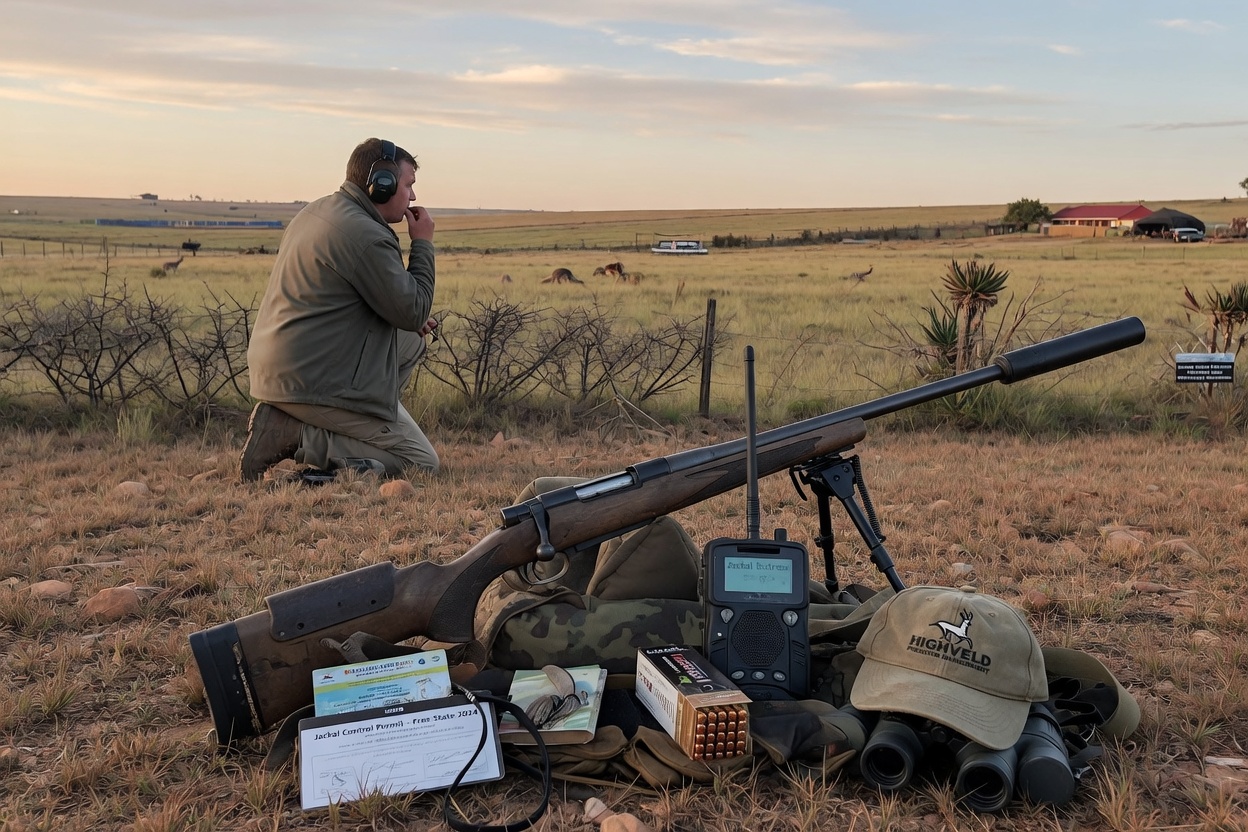
Field judging begins with optics and angles. Quality 10x42 binoculars or a compact spotting scope are essential. Never rely on the naked eye at typical hunting distances. Approach from downwind and use available cover or a vehicle to close the gap without alerting the herd. A side profile reveals overall length and the depth of the backward-then-upward curve. The horns should appear to extend well past the ears and show a clear rise. A frontal view lets you evaluate spread and the inward hook of the tips. A rear view, though less common, can confirm symmetry. Change your position whenever possible; a single angle almost always deceives.
Relative comparisons help when exact inches are impossible to measure. Tsessebe ears are modest, generally in the six-to-seven-inch range. Horns that look two-and-a-half to three times ear length are worth a closer look. The elongated head also serves as a reference: horns that rival or exceed the distance from poll to muzzle usually indicate decent length. Body size offers another clue. Mature bulls carry more bulk through the neck and shoulders than younger males or females. A heavy, almost rectangular body combined with thick horn bases is a positive sign.
Light and terrain affect perception. Low-angle morning or evening sun throws the ridges into relief and gives a truer sense of mass. Harsh overhead light can flatten the horns and make them look shorter. Animals standing on a slight rise or with their heads lowered to graze often appear to have longer horns than they actually do. Always wait for the tsessebe to raise its head and stand square if you can. Patience here prevents disappointment later.
Age assessment goes hand in hand with horn evaluation. Young males can display attractive shape yet lack both length and mass. Look for a combination of heavy bases, well-developed ridges and a body that has filled out. Territorial behavior is another indicator. Prime and post-prime bulls often hold small territories or stay slightly apart from the main herd. They may be seen horning the ground or standing motionless on termite mounds, classic tsessebe habits that also give you extra time to study them.
Common errors include shooting too quickly at the first decent-looking animal and failing to confirm sex. Females carry smaller, thinner horns and should be left alone unless a specific management hunt is authorized. Another frequent mistake is allowing excitement to inflate estimates. If you feel uncertain, pass. Another opportunity usually appears, and the animal you spare today may become a better trophy tomorrow or simply continue contributing to the gene pool.
Ethical hunting and conservation are inseparable from trophy judgment. Tsessebe populations remain listed as Least Concern by the IUCN overall, yet local declines have occurred where habitat has been converted to agriculture or overgrazed by livestock. In well-managed hunting concessions and game ranches, especially in South Africa and Namibia, numbers are stable or increasing precisely because regulated hunting generates revenue for anti-poaching, habitat work and community benefits. Recent years have seen greater emphasis on community conservancies in Botswana and Zimbabwe, where hunting income directly supports both wildlife and rural livelihoods. Choose outfitters who operate under science-based quotas and who can demonstrate how your license fee is used.
When you do decide to take a shot, make it a clean, well-placed one. Tsessebe are tough and can cover ground quickly even when hit. A mature bull that has already passed its peak breeding years is the ideal candidate. This approach aligns with the principles of sustainable use recognized by multiple conservation bodies. It also leaves younger, genetically valuable animals to carry the population forward.
Practice before you travel. Study photographs of measured trophies, visit taxidermists who have mounted tsessebe, and, if possible, spend time on a game farm simply observing live animals. Many hunters now review their own photos and videos after a stalk to refine their eye. In camp, discuss what you saw with your professional hunter; their local experience is invaluable.
The tsessebe may never enjoy the celebrity of the Big Five, yet a carefully judged trophy represents everything ethical hunting should be: knowledge, restraint and a genuine contribution to the future of African wildlife. Prepare thoroughly, observe patiently, and let conservation guide every decision. When you finally squeeze the trigger on a truly deserving bull, you will know the animal and the hunt were both worthy of the effort.