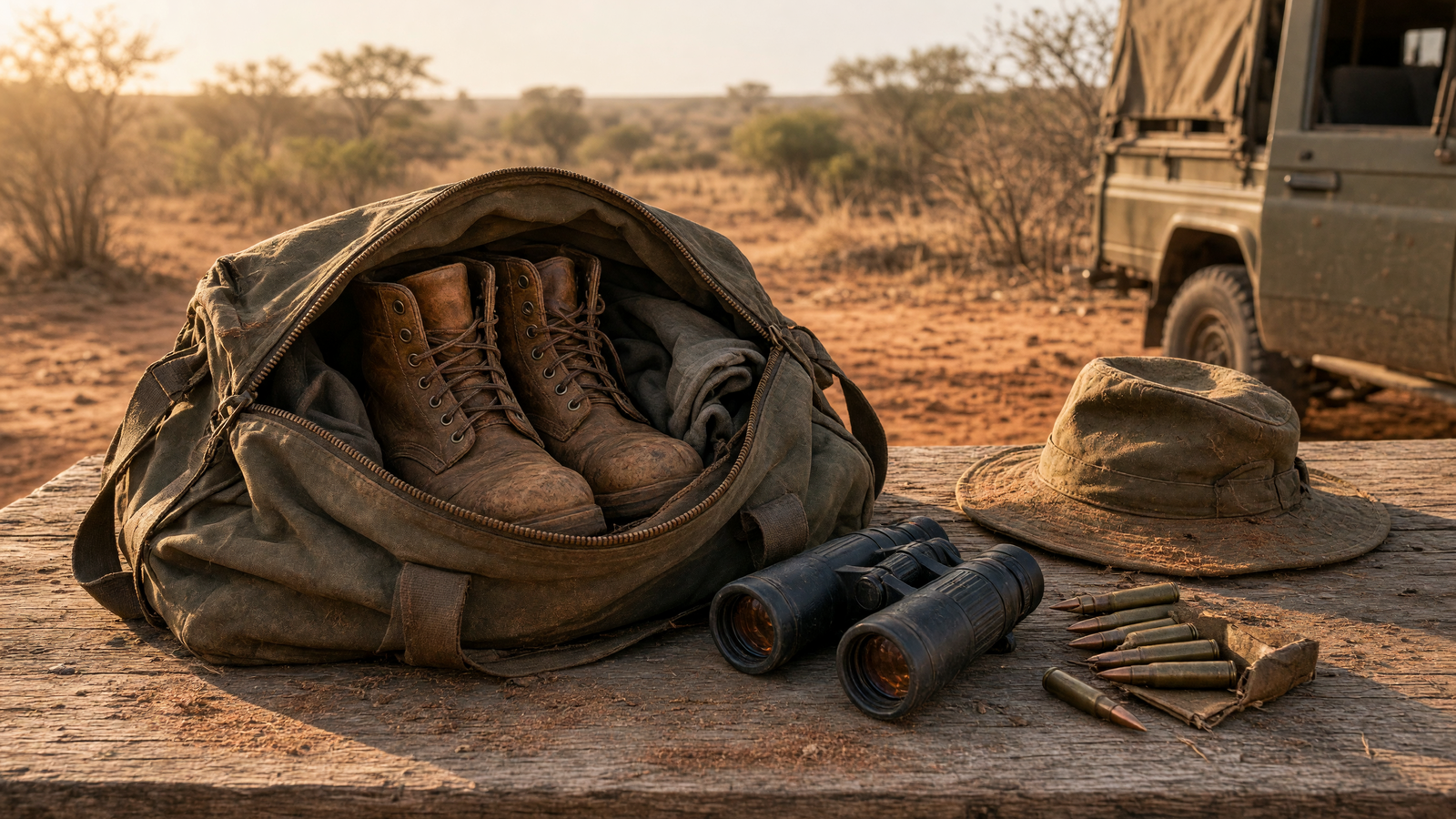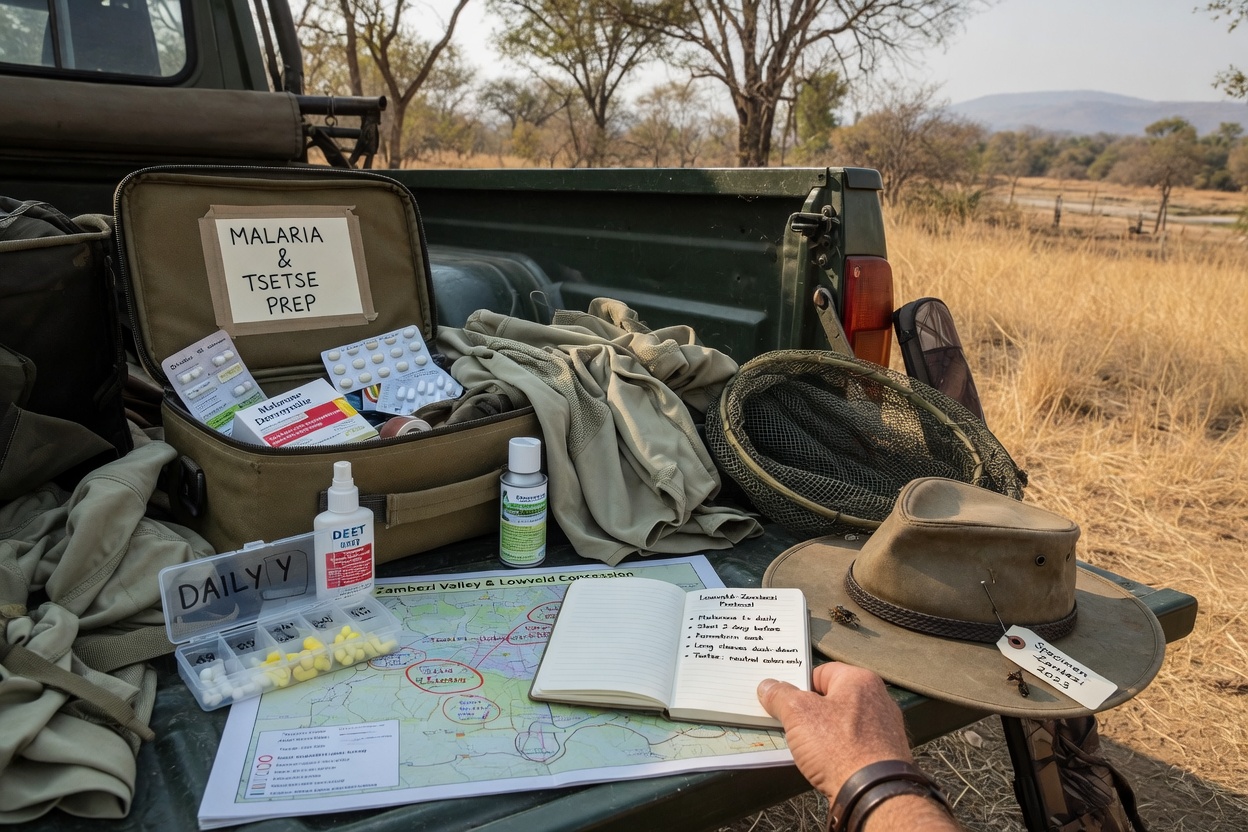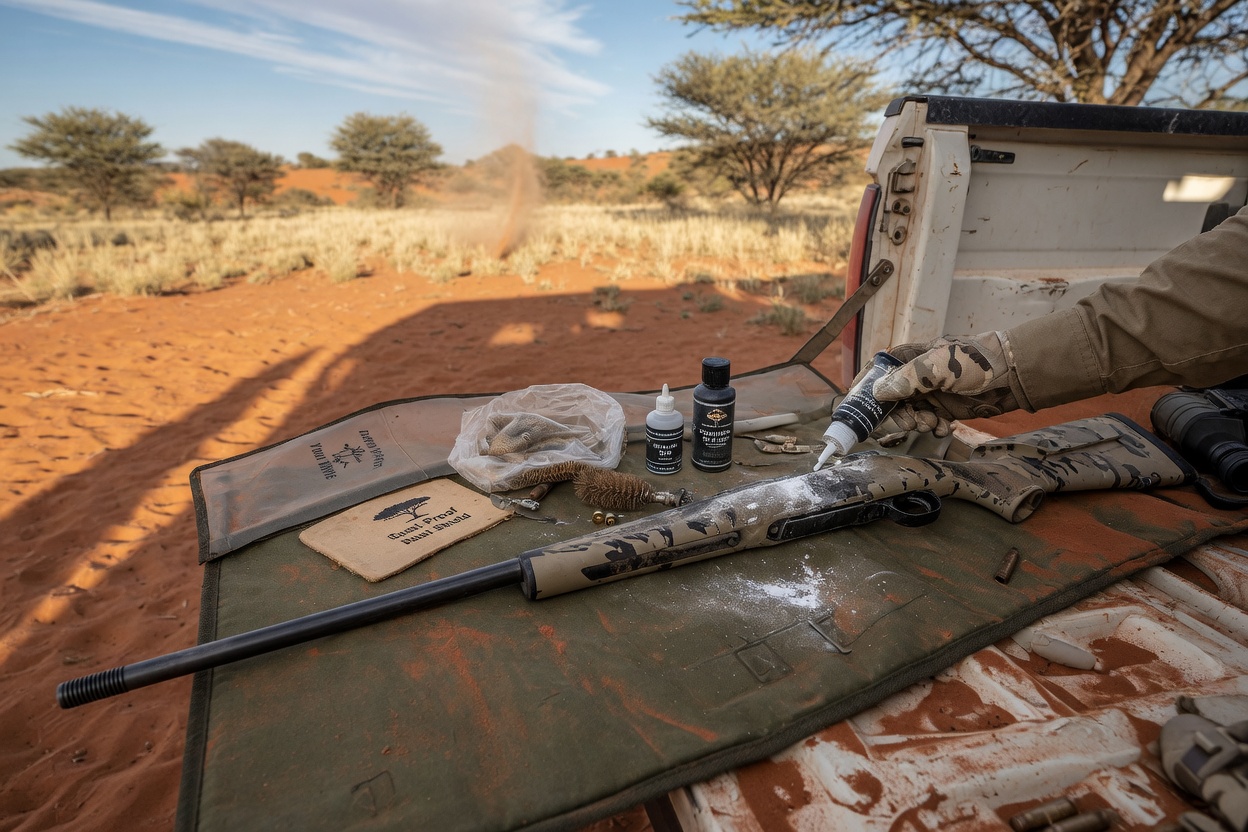
The moment you step off the plane in Africa, the adventure begins, but so do the physical demands. First-time safari hunters often picture sitting in a comfortable blind or taking a short walk from the vehicle. The reality is far more intense. You will spend long days covering ground on foot under a relentless sun, navigating uneven terrain, carrying a rifle and pack, and staying mentally sharp enough to make an ethical shot when the opportunity finally appears. Physical fitness is not a luxury for safari hunting. It is the difference between a successful, memorable hunt and one filled with frustration, missed chances, or even safety risks.
Safari hunting in southern and eastern Africa typically requires walking 8 to 15 kilometers per day, sometimes more during a dedicated stalk. Temperatures regularly exceed 35 degrees Celsius, humidity can be high in certain regions, and the ground is rarely flat. Professional hunters consistently report that clients who arrive in poor condition struggle to keep up, become dehydrated faster, and lose focus when it matters most. A 2021 survey conducted among professional hunters in South Africa and Namibia found that nearly 65 percent of first-time hunters underestimated the daily physical load. Those who had followed a structured fitness program were far more likely to complete stalks, stay composed, and take clean, ethical shots.
Being fit also aligns directly with hunting ethics and conservation. Exhaustion leads to rushed decisions and poorly placed shots. A wounded animal that escapes represents a failure of responsibility and can negatively impact local wildlife populations. Hunting dollars fund anti-poaching efforts, habitat protection, and community programs across Africa. When you arrive prepared, you honor that system by hunting effectively and respectfully. Fitness is therefore both a personal investment and a contribution to conservation.
Start by assessing where you currently stand. Schedule a medical check-up, especially if you are over 40, have been sedentary, or have any existing health concerns. Simple field tests give you a baseline: walk five kilometers at a brisk pace and note how you feel afterward. See how many push-ups you can complete with good form and how long you can hold a solid plank. If these feel difficult, you have a clear starting point and plenty of time to improve. Most first-time safari hunters should begin training 10 to 12 weeks before departure. That window allows gradual progress without injury.
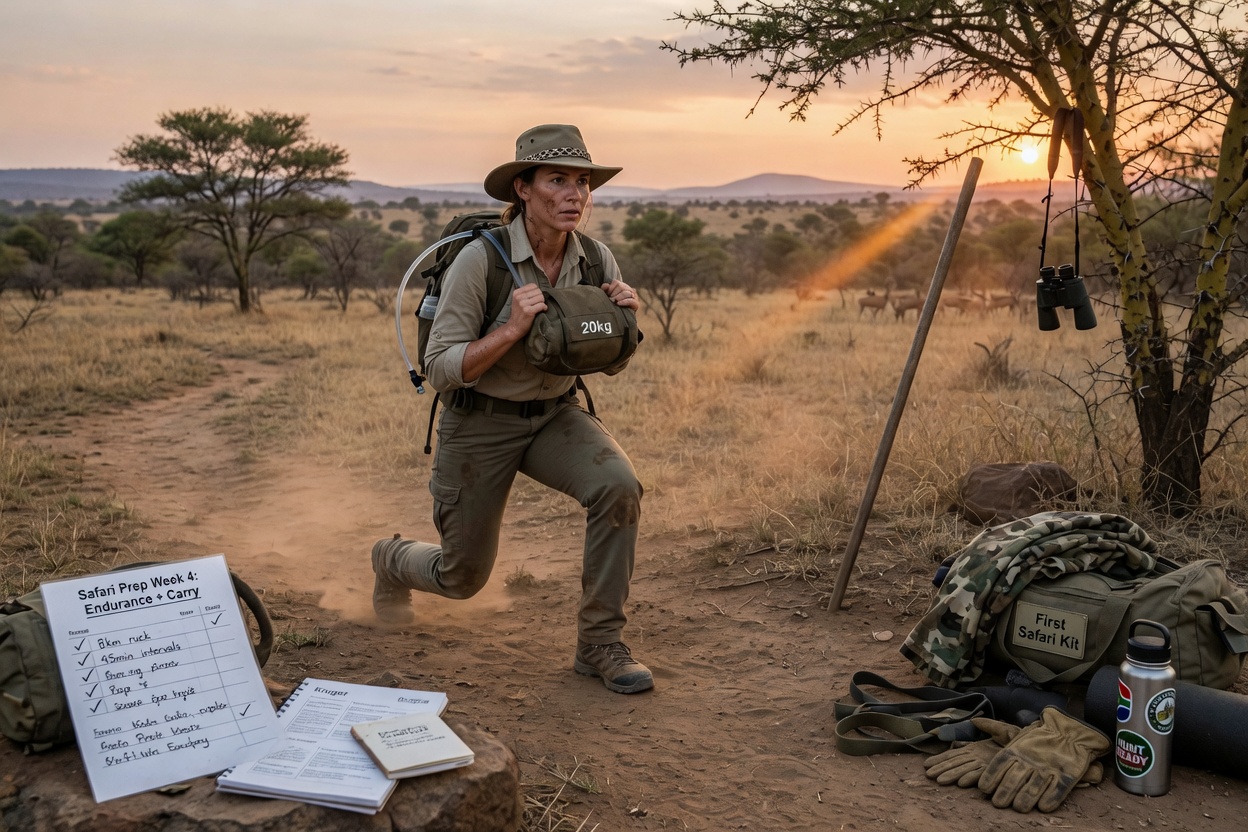
Cardiovascular endurance forms the foundation of safari fitness. Your goal is to comfortably walk 10 to 12 kilometers in warm conditions while carrying 8 to 12 kilograms of gear. Begin with regular walking four to five days per week. Add hills or stairs as soon as possible. After two weeks, start rucking: walking with a weighted backpack. Rucking has gained popularity in recent years because it simultaneously builds aerobic capacity, leg strength, and mental toughness. Military and outdoor fitness studies, including work published by the National Strength and Conditioning Association, show that rucking improves both endurance and load-bearing ability more efficiently than running alone for this type of activity.
Incorporate interval work twice a week. Alternate three minutes of fast walking or light jogging with one minute of slower recovery. These sessions teach your body to recover while still moving, exactly what happens during a long stalk. On weekends, schedule longer outings that mimic hunt days. Wear the boots you will use in Africa, carry a pack, and practice moving quietly. If you live in a cooler climate, gradually expose yourself to heat by training during warmer parts of the day or using a sauna after workouts. Heat acclimation research from sports science journals indicates that 10 to 14 days of progressive heat exposure significantly improves performance and reduces the risk of heat-related illness.
Strength training two or three days per week complements the cardio work. Focus on functional movements that translate directly to hunting. Squats, lunges, and step-ups build the legs you need for hills and long days. Deadlifts or Romanian deadlifts strengthen the posterior chain and protect your lower back when you carry a rifle or pack for hours. Push-ups, rows, and farmer carries develop the upper body and grip strength required to hold a shooting position after exertion. Core work is non-negotiable. Planks, side planks, and dead bugs create the stability needed for accurate shooting from kneeling or sitting positions. Start with bodyweight and add resistance only when form is perfect. Three sets of 8 to 12 repetitions for most exercises is sufficient.
Do not neglect mobility and recovery. Tight hips and stiff shoulders limit shooting positions and increase injury risk. Spend 10 to 15 minutes daily on dynamic stretches and foam rolling, paying special attention to hip flexors, hamstrings, thoracic spine, and ankles. Sleep seven to nine hours per night. Nutrition should support training: prioritize protein for muscle repair, complex carbohydrates for sustained energy, and consistent hydration. Aim for at least three to four liters of water daily during training, more when it is hot. Electrolyte replacement becomes important once you start sweating heavily.
A practical 12-week progression looks like this. Weeks 1 through 4 establish the base: 30 to 45 minutes of walking most days, two full-body strength sessions, and daily mobility work. Weeks 5 through 8 increase volume and add the pack. Weekend hikes grow to two or three hours. Weeks 9 through 12 simulate hunt conditions as closely as possible. Complete a long hike, then immediately practice shooting from field positions. This combination of fatigue and precision is the best rehearsal you can do at home.
Additional practical tips make a noticeable difference. Break in your hunting boots now, not in Africa. Practice carrying your rifle in the same manner you will use it in the field. If your safari involves mountainous terrain or higher elevations, include some stair climbing or incline work. Track your progress with a simple notebook or fitness watch so you can see improvement and stay motivated. Many first-time hunters find that training with a partner or joining an online hunting fitness community helps with consistency.
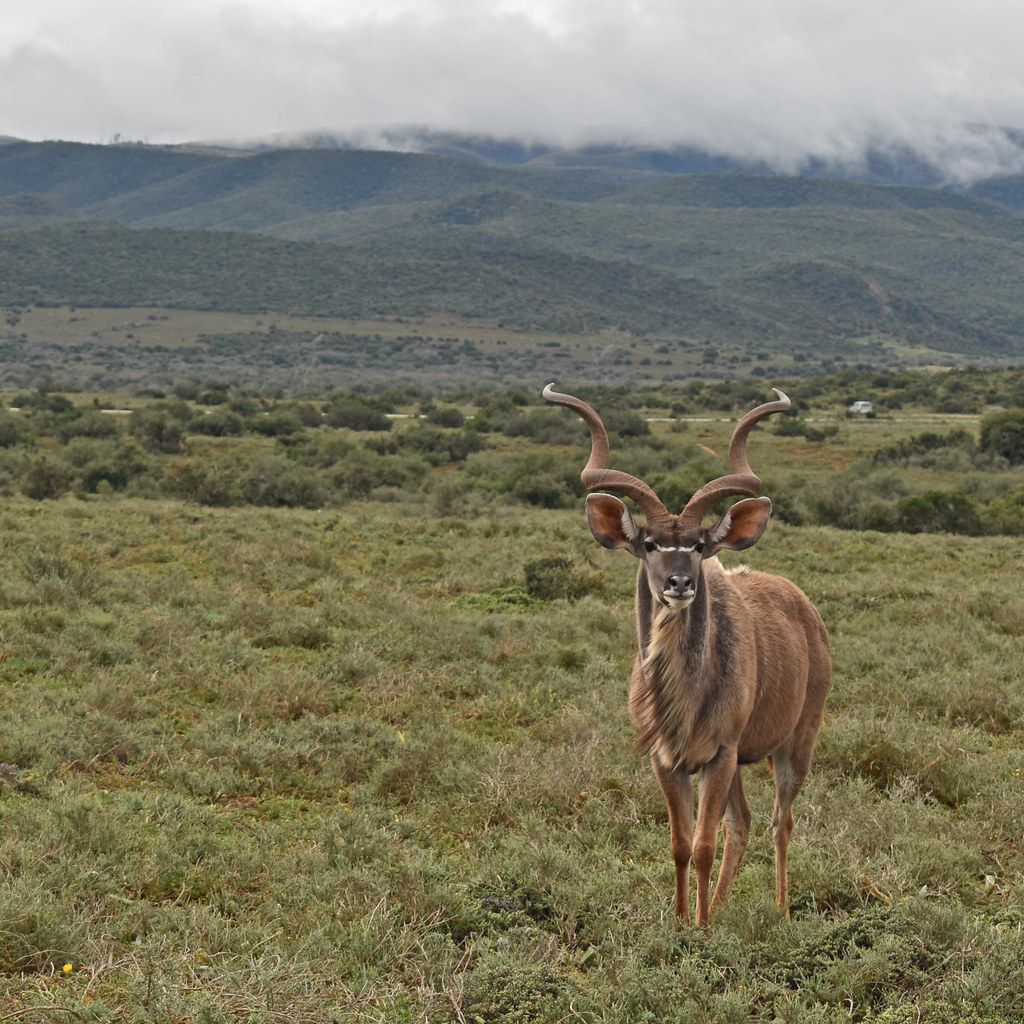
I have watched dozens of first-time safari clients over the years. Those who treated fitness as seriously as they treated their rifle practice consistently enjoyed the hunt more and performed better. One client in his mid-50s arrived after following a plan similar to this one. He completed a demanding four-hour stalk for a mature kudu, remained calm at the moment of truth, and made a perfect shot. He later told me the training had been the best investment he made. Another hunter who skipped preparation spent most of his safari riding in the vehicle and watching others hunt. The contrast is always clear.
Your first safari is a significant investment of time and money. Give yourself every advantage by arriving physically ready. Begin the plan today, even if you only have a few weeks left. Consult a physician before starting any new exercise program, and consider working with a trainer who understands the specific demands of hunting. Choose an ethical outfitter who values conservation and will match the hunt to your abilities. When you are fit, you hunt better, you enjoy the experience more, and you contribute positively to the wildlife and communities that make African hunting possible.
The African bush rewards those who prepare. Get outside, put in the work, and step onto that first morning’s track with confidence. The animals, the landscape, and the tradition of ethical hunting are waiting.