There's something deeply rewarding about a successful wildebeest hunt that goes far beyond the shot itself. Standing over a harvested blue wildebeest on the African plains, you feel the weight of responsibility that comes with taking an animal. That moment of respect turns into something even more meaningful when you transform the meat into a traditional potjiekos, the iconic three-legged pot stew that has warmed South African gatherings for generations. This dish isn't just food. It's a celebration of the hunt, a nod to conservation, and a way to share the bounty with family and friends around the fire.
Wildebeest, or gnu, have long been a staple for hunters in Southern Africa. Blue wildebeest populations remain healthy and stable, classified as Least Concern by conservation groups thanks in part to regulated hunting that funds habitat protection and anti-poaching efforts. Ethical hunters know that a clean, quick harvest is the first step in honoring the animal. Proper shot placement on the shoulder or high lung area ensures a swift end, followed immediately by field dressing to cool the carcass and prevent spoilage in the heat. Many outfitters now emphasize same-day processing or hanging in a cool room when possible, a practice that has improved meat quality in recent years as more hunters prioritize table fare over trophies alone.
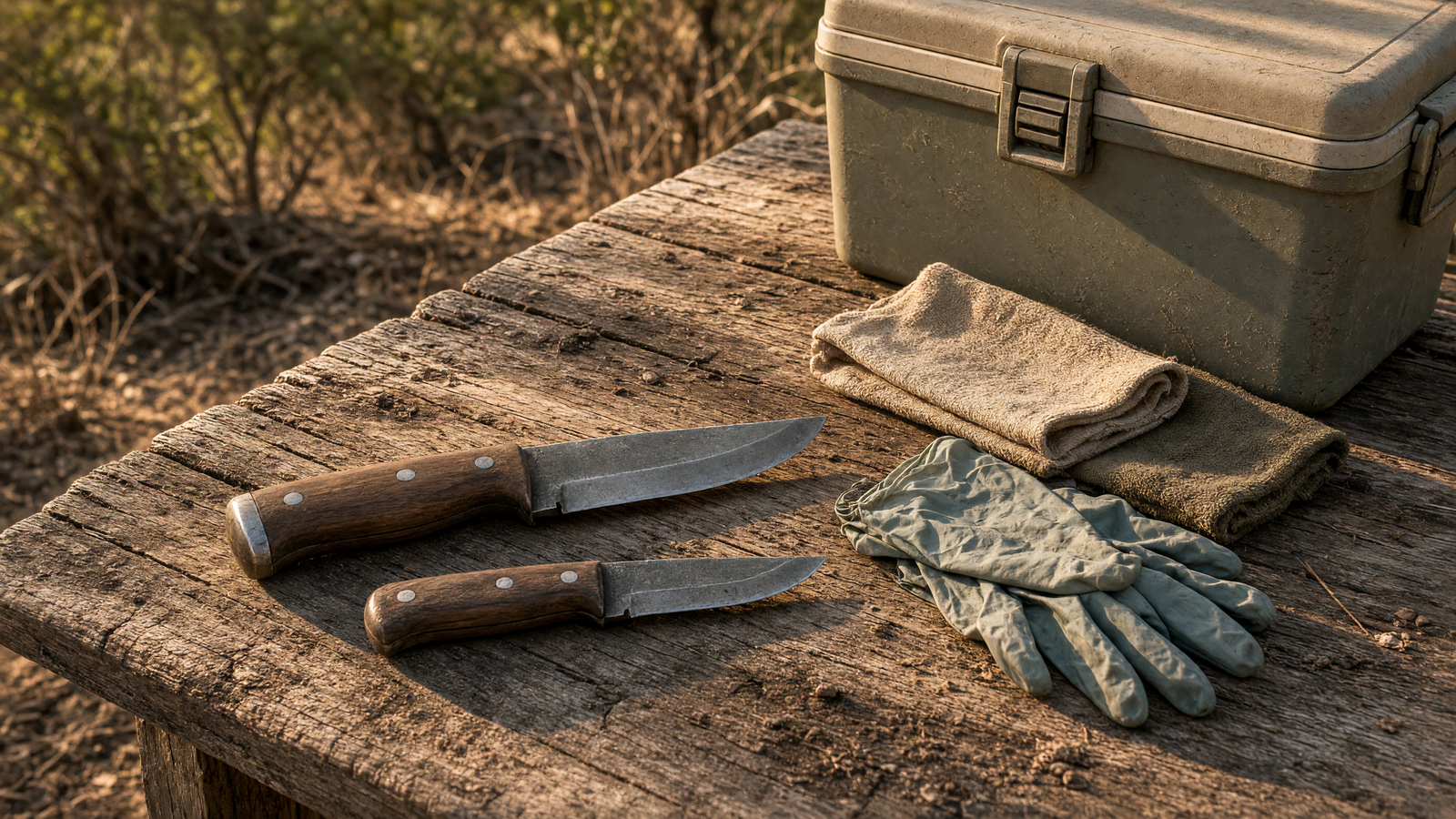
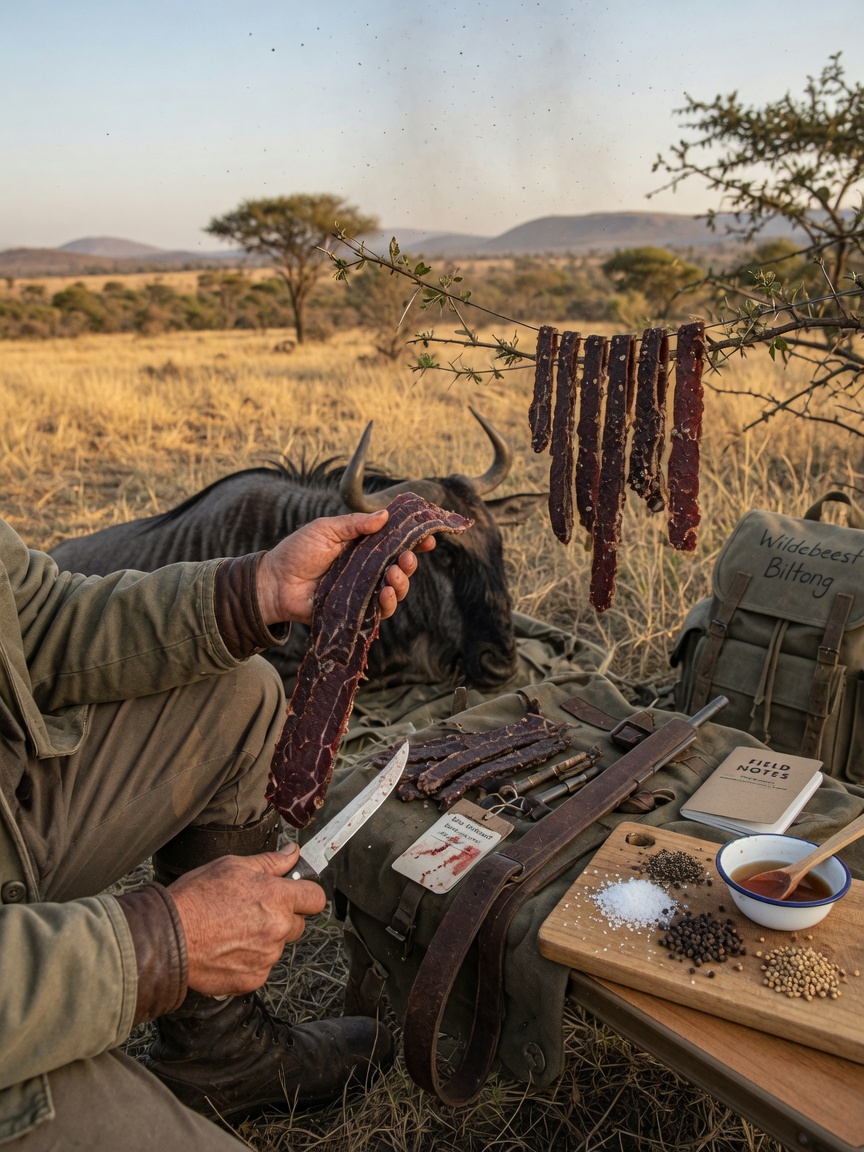
Once back at camp or home, processing the wildebeest requires care because the meat is leaner than domestic beef and can dry out if mishandled. Start by skinning carefully to avoid hair contamination, then quarter the animal. The neck, shoulders, and shanks yield excellent stew meat, while the loins and rumps can be set aside for steaks or roasts. Trim any silverskin and excess connective tissue, but leave a bit of the natural fat for flavor during long cooking. Aging the quarters for three to five days in a cool, dry space with good airflow tenderizes the meat and mellows any gamey notes. Cut the stew portions into two-inch cubes. This size holds up beautifully in the potjie without falling apart. Many hunters I know now vacuum-seal portions right away, a simple modern step that keeps the meat fresh for months and lets you plan meals around your schedule.
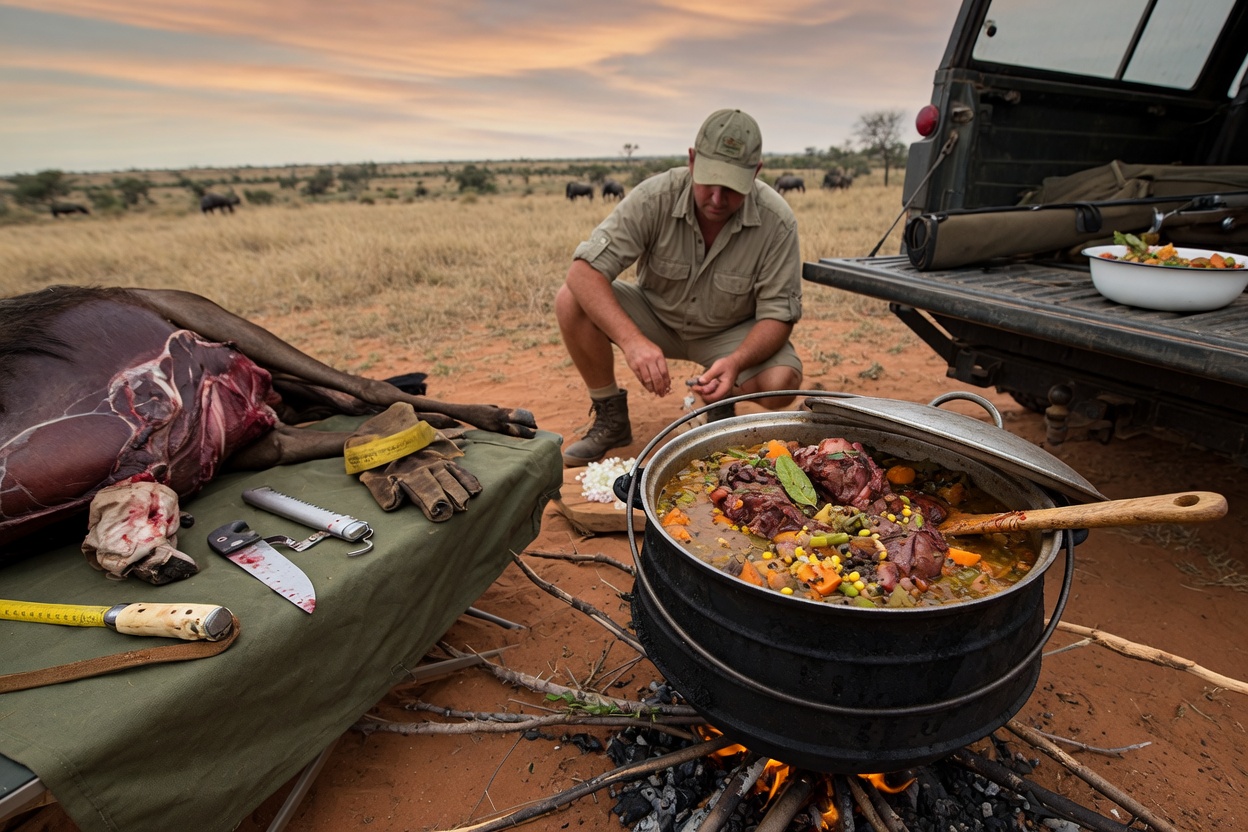
Traditional potjiekos traces its roots to the Voortrekkers, who cooked over open fires in cast-iron pots while trekking across the veld. The method is simple yet precise: layers of ingredients cook slowly without much stirring, allowing flavors to meld while the meat becomes fork-tender. For wildebeest, this slow approach is ideal because it breaks down the lean muscle fibers. A classic recipe starts with two kilograms of cubed wildebeest meat. Heat a well-seasoned potjie pot over medium coals and brown the meat in batches with a splash of oil or rendered fat. Remove the meat and sauté two large chopped onions and four cloves of garlic until soft. Return the meat to the pot, then add a can of chopped tomatoes, a tablespoon of curry powder or traditional spices like coriander and cloves, a couple of bay leaves, salt, and pepper. Pour in enough beef stock or a mix of stock and beer to just cover the meat.
Now comes the layering that defines potjiekos. Add peeled and quartered potatoes, thick carrot chunks, and perhaps some cabbage wedges or green beans on top. Do not stir. Cover the pot and let it simmer gently for three to four hours, adding a bit more liquid only if it looks dry. The coals should be managed so the potjie never boils hard. The result is rich, aromatic stew where the wildebeest has taken on the sweetness of the vegetables and the depth of the spices. Serve it with stiff maize porridge, known as pap, or crusty bread to soak up the gravy. A recent trend among hunters is adding a splash of red wine or a handful of dried fruit for extra complexity, but the traditional version remains unbeatable.
A few practical tips make all the difference. Always start with a properly seasoned potjie pot. Rub it with oil and heat it empty before the first use, then clean it only with hot water and a brush, never soap. Control your fire carefully. Too much heat scorches the bottom layer, while too little leaves the meat tough. If you're cooking at a hunting camp, gather hardwood like mopane or acacia for steady, long-lasting coals. Taste and adjust seasoning near the end, but resist the urge to lift the lid often. The steam is part of the magic. For food safety, keep raw meat cold until cooking and use a meat thermometer to confirm the stew reaches a safe internal temperature. Leftovers freeze well and often taste even better the next day.
This process from harvest to potjie pot reinforces why so many of us hunt. It closes the circle. You have taken an animal humanely, processed it with skill, and created a meal that brings people together. In an era when more hunters are focusing on conservation and utilization, turning wildebeest into potjiekos is both practical and meaningful. It reduces waste, supports local traditions, and reminds everyone at the table of the wild places that still exist because of responsible hunting.
The next time you return from a successful wildebeest hunt, skip the usual steaks and try this potjiekos. Fire up the potjie, invite some friends, and share stories of the day while the stew bubbles. Your guests will taste the difference that care and tradition make. If you have your own variations or campfire tips, I'd love to hear them. Drop a comment below or share photos of your potjie. Ethical hunting and good cooking go hand in hand, and there's always more to learn from fellow hunters who respect both the animal and the land.