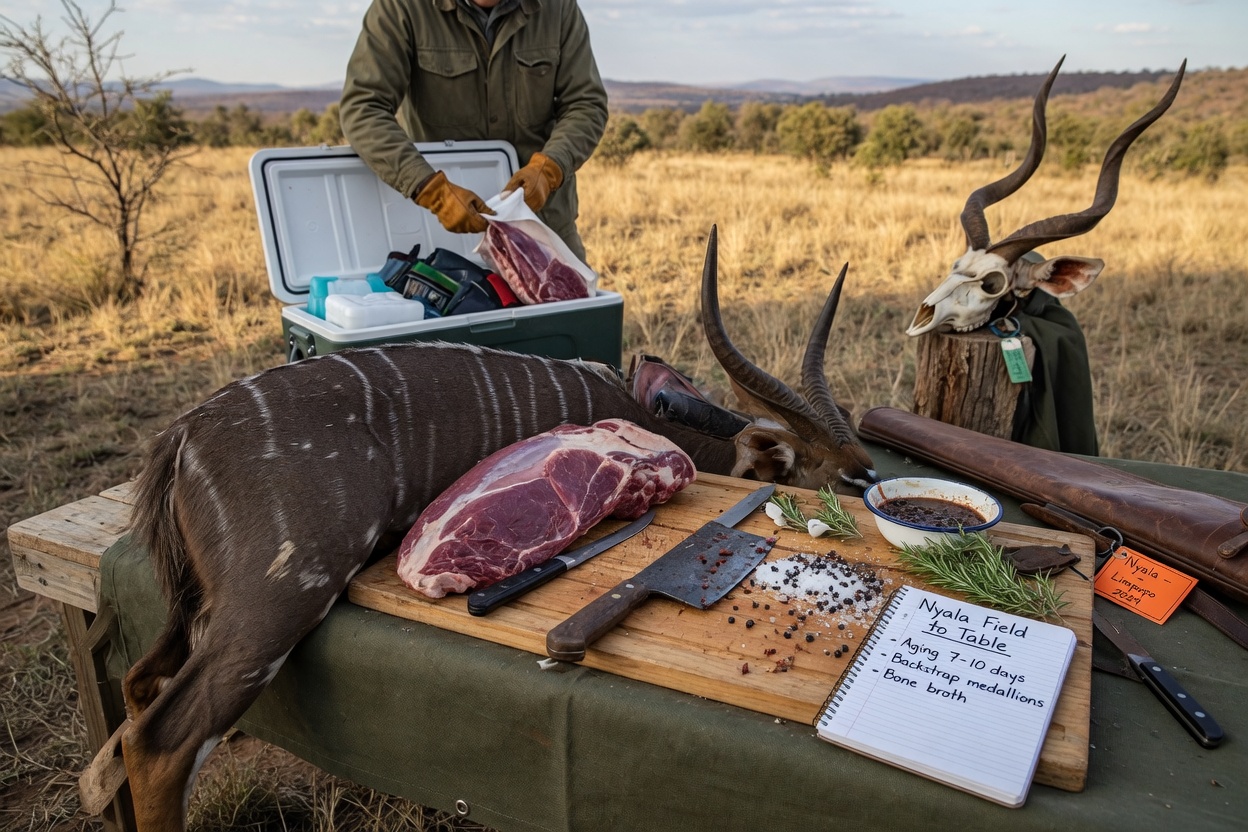
The nyala stands as one of southern Africa's most elegant antelope, with males displaying impressive spiral horns, a distinctive white facial chevron, and a shaggy dark mane that contrasts their rufous coats. Females and young remain more uniformly reddish with faint stripes. For hunters, pursuing this shy, thick-cover species in the bushveld of South Africa, Mozambique, or Zimbabwe delivers both challenge and deep satisfaction. Yet the real fulfillment arrives when that animal becomes a meal shared with family. Treating the harvest with care from the instant the shot connects through to the plate honors the animal, maximizes flavor, and supports the conservation model that has helped nyala populations remain stable and even increase on many private reserves.
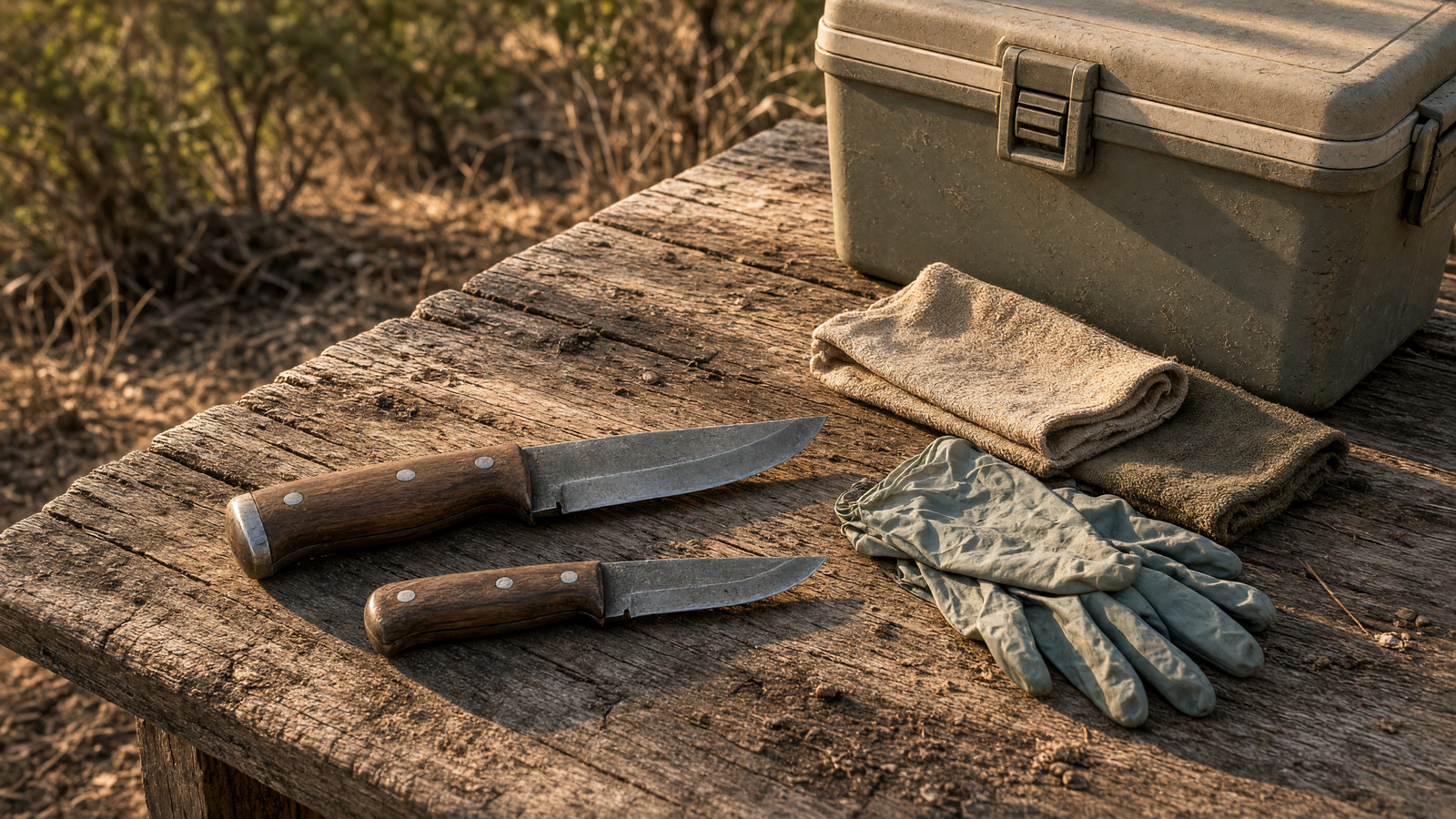
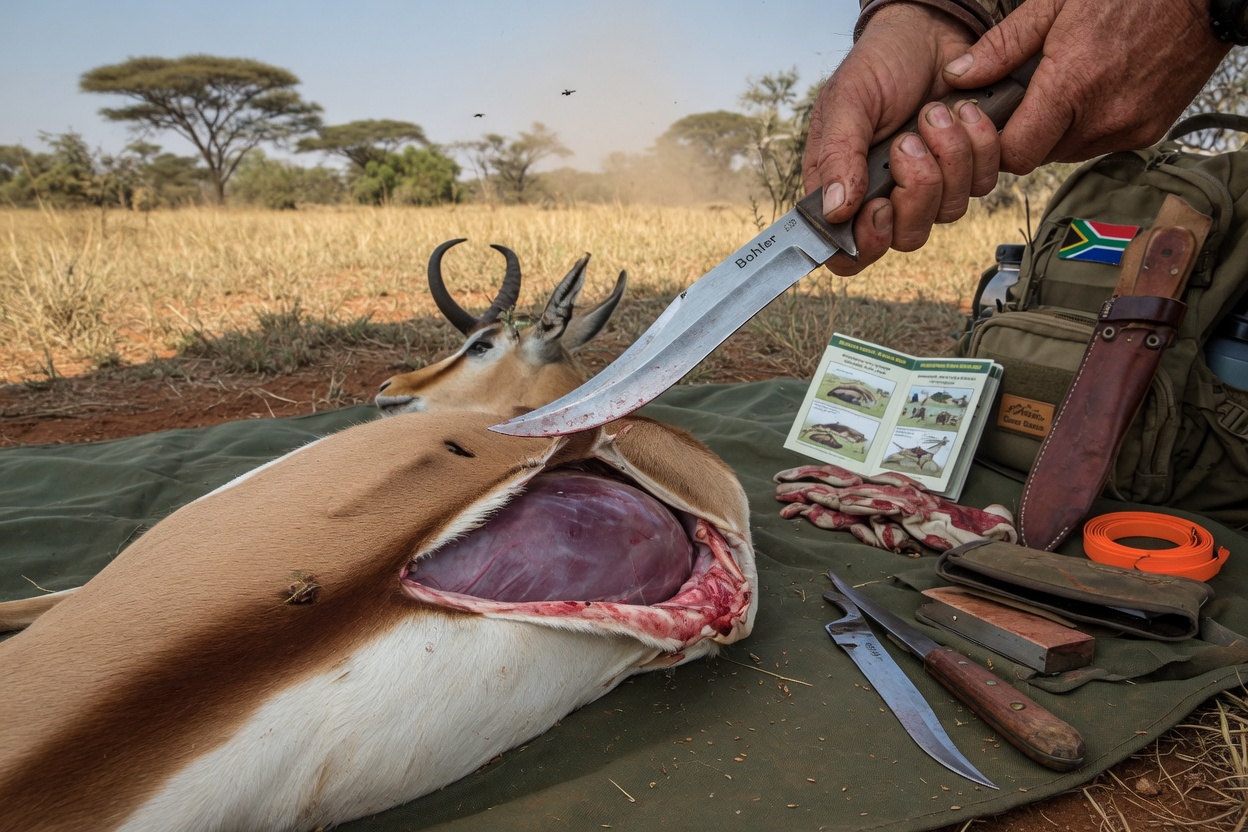
Ethical hunting begins long before the trigger is pulled. Choose reputable outfitters who practice fair chase and contribute to habitat protection. Shot placement matters enormously. A well-placed heart-lung shot drops the animal quickly and preserves the majority of the meat. After confirming the kill, begin field dressing without delay. African heat and insects make speed essential. Open the body cavity carefully, avoid puncturing the intestines, and remove the viscera. Many experienced hunters skin and quarter the animal in the field when camp lies far away. Carry a sharp knife, bone saw or folding saw, latex gloves, and clean cotton or synthetic game bags. Keep the meat in shade whenever possible and move it toward refrigeration or ice as fast as logistics allow. Research on wild game handling consistently shows that dropping internal temperature below 40 degrees Fahrenheit within a few hours dramatically reduces bacterial growth and off-flavors.
Once back at camp or lodge, continue cooling the quarters promptly. If a walk-in cooler or reliable refrigeration exists, hang the meat for aging. Three to seven days at around 34 to 38 degrees Fahrenheit allows natural enzymes to tenderize the lean muscle and develop richer flavor, much as with North American venison. After aging, butcher the carcass into practical cuts. The longissimus, or backstrap, and tenderloins become premium steaks. Hindquarters yield roasts, steaks, or stew meat. Shoulders and neck work well for pot roasts, grinding, or slow braises. Save bones and trim for stock or sausage. Vacuum-seal portions in meal-sized packages and freeze at zero degrees or below. Properly packaged nyala keeps excellent quality for nine to twelve months.
Nyala meat itself rewards careful handling. It is exceptionally lean, fine-grained, and milder than many hunters expect. South African game-meat studies and countless hunter reports describe it as one of the better-tasting African antelope, with a subtle sweetness rather than a strong gamey note when processed correctly. Like other wild ungulates it is high in protein, low in saturated fat, and a good source of iron and B vitamins. Because it lacks intramuscular fat, it dries out quickly if overcooked. Treat it with the same respect given to a fine venison loin or even a beef tenderloin.
Marinades and brines help retain moisture and add complementary flavors. A simple overnight soak of olive oil, crushed garlic, fresh rosemary, black pepper, and a splash of red wine or balsamic vinegar works beautifully. For steaks, bring the meat to room temperature, pat dry, season generously, and grill or pan-sear over high heat just until the internal temperature reaches 130 to 135 degrees Fahrenheit for medium-rare. Rest the meat five to ten minutes under loose foil so juices redistribute. Wrapping steaks in thin bacon or basting with herb butter during the last minutes of cooking adds richness without masking the nyala's own character.
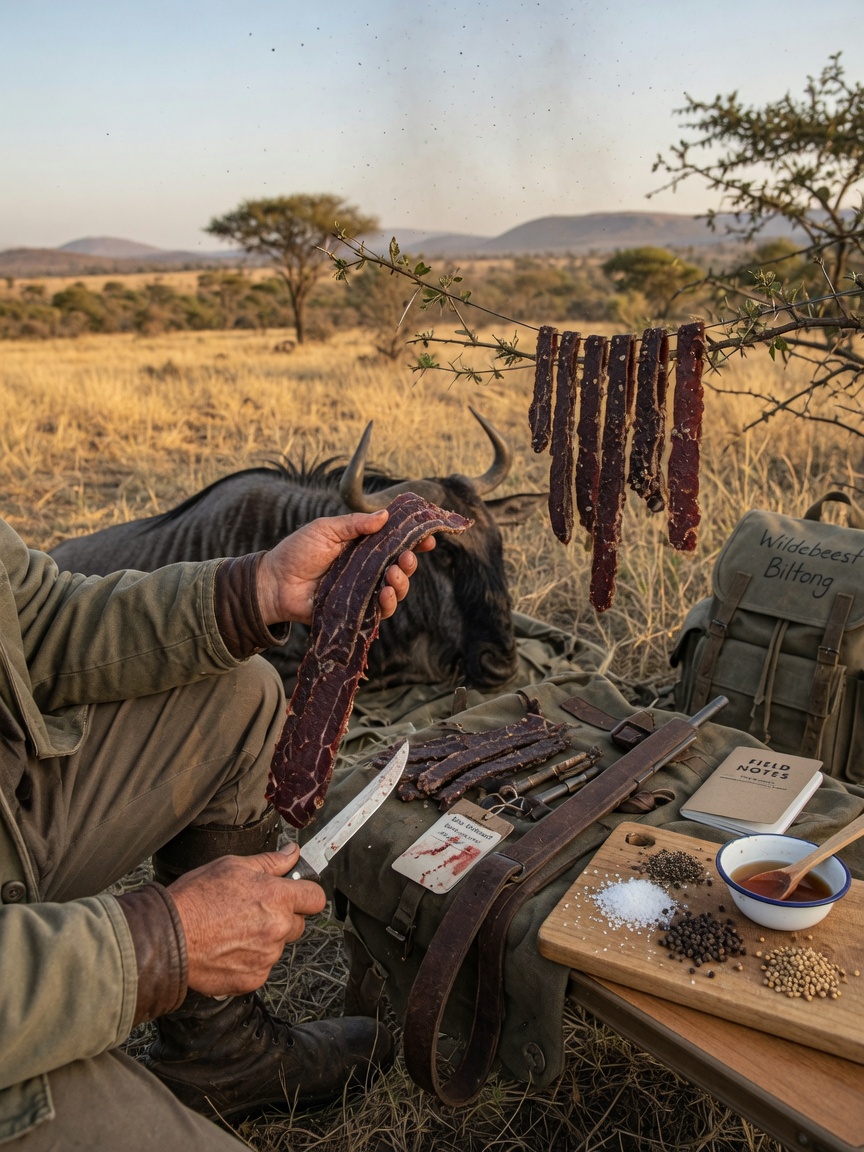
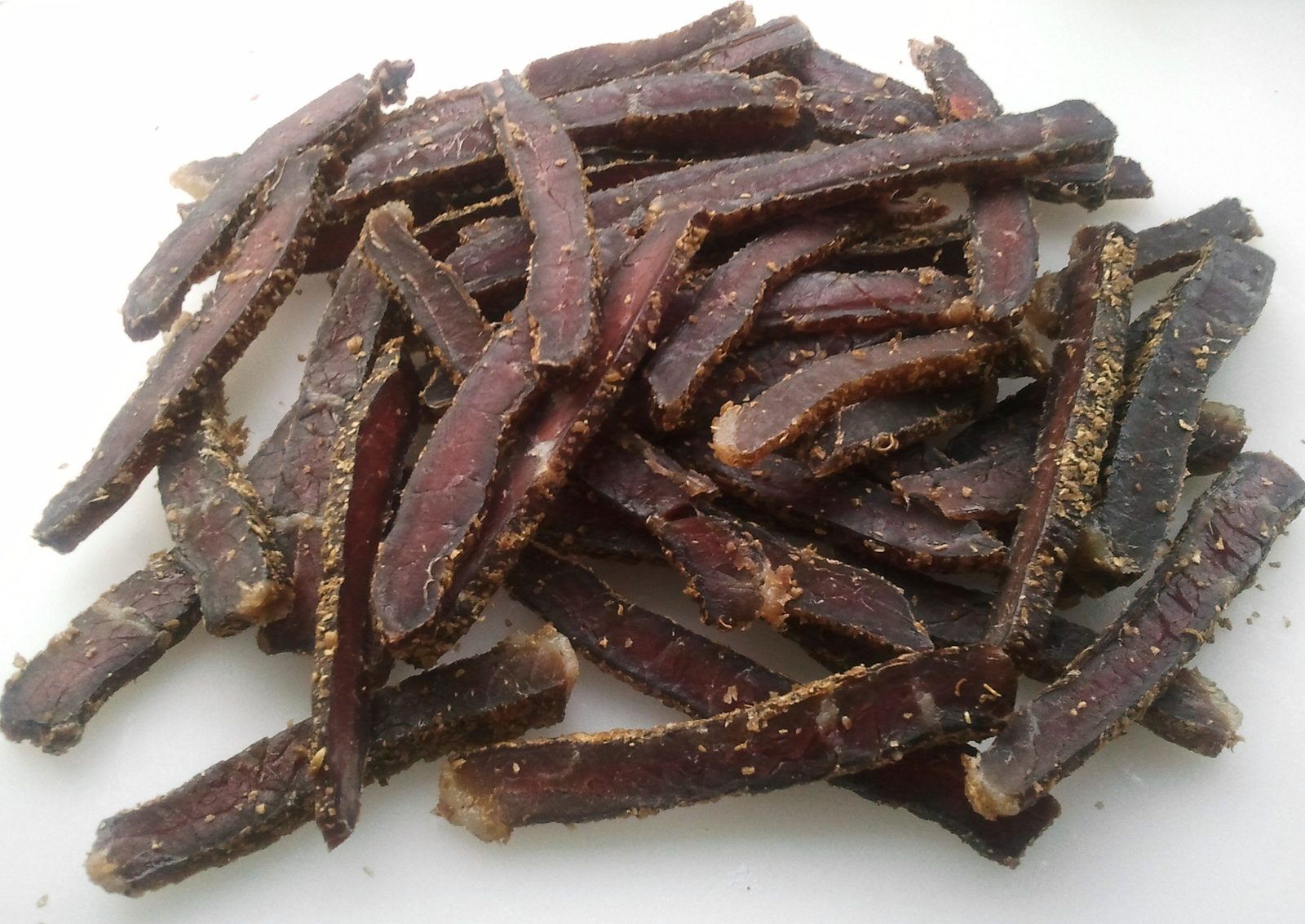
Larger cuts shine in slow, moist cooking. A classic nyala pot roast or South African-style potjiekos layered in a cast-iron pot with onions, carrots, potatoes, tomatoes, and a blend of coriander, cumin, and a touch of chili creates a hearty, aromatic meal that feeds a crowd. Ground nyala makes outstanding burgers, meatballs, chili, or breakfast sausage when mixed with a bit of pork fat or beef for juiciness. Trim and lesser cuts also produce excellent jerky or summer sausage. In recent years many hunters have adopted sous-vide cooking for lean game. Sealing seasoned nyala steaks or roasts and cooking them at a precise 131 degrees Fahrenheit for one to two hours, then finishing with a quick sear, delivers consistently tender, juicy results that are difficult to achieve by traditional methods alone.
Food safety remains straightforward. Keep raw meat cold, use separate cutting boards, and cook to safe internal temperatures. Antelope do not carry the same parasites sometimes associated with wild pork or bear, but standard hygiene still applies. Pair the finished dishes with robust red wines such as South African pinotage or cabernet sauvignon, or with fruit-forward sauces that complement the meat's mild sweetness. Roasted root vegetables, pap, or a simple green salad round out the plate.
Every step of this process reflects a broader ethic. Using the entire animal, wasting as little as possible, and sharing the meal with others turns a hunt into something larger than a trophy. In southern Africa, well-regulated hunting on private land generates substantial revenue that funds anti-poaching patrols, habitat restoration, and community programs. The IUCN currently lists the nyala as Least Concern, a status many attribute in part to the economic incentive created by sustainable hunting. When you sit down to a plate of properly prepared nyala, you participate in that success story.
Take the time to do each stage well. Experiment with recipes, keep notes on what works in your kitchen, and pass the knowledge along. The next time you plan an African hunt, remember that the story does not end when the animal is down. It continues through careful field care, thoughtful processing, and a meal that tastes of the wild places you visited. Share your own nyala cooking successes with fellow hunters and consider supporting organizations that promote ethical, conservation-minded hunting. The animal, the land, and the people who depend on both all benefit when we treat the harvest with respect from field to table.