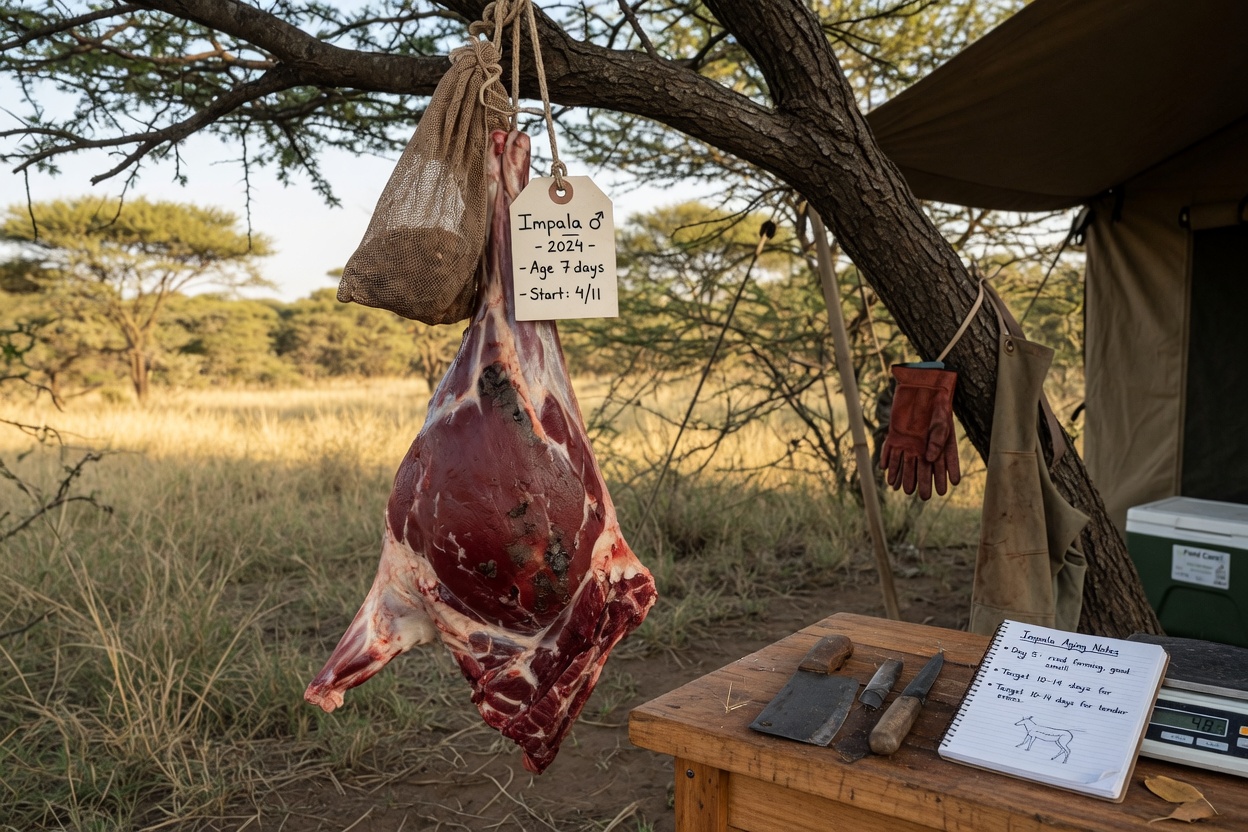
Hunting impala ranks among the most exciting pursuits in Africa, with their speed, alertness, and striking looks making every encounter memorable. Yet the true measure of a successful hunt comes later, when that animal reaches the table as tender, richly flavored meat that does justice to the experience. Too often hunters pour energy into the stalk and shot only to lose quality through rushed or careless processing. Aging and butchering impala correctly turns a good harvest into exceptional table fare while honoring the animal and the principles of ethical hunting.
The process starts the instant the impala is down. Impala meat is lean and fine-grained, similar to other African antelope, which means it heats up and spoils faster than fattier domestic meats. Immediate field dressing is essential. Open the body cavity carefully, avoiding any puncture of the paunch or intestines that could contaminate the meat with bacteria or bitter fluids. Remove the entrails completely, then prop the cavity open so air can circulate. In warm weather, which is common across much of impala range, get the carcass into shade right away and begin cooling it. If possible, skin the animal promptly to speed heat loss. Research in game meat handling, including studies from South African agricultural institutes and meat science journals, consistently shows that dropping internal temperature below 40 degrees Fahrenheit within the first few hours dramatically reduces bacterial growth and preserves both safety and eating quality.
Once at camp or the processing facility, hanging becomes the next critical step. Dry aging remains the preferred method for impala because it allows natural enzymes to tenderize the muscle fibers while concentrating flavor as moisture evaporates from the surface. Hang the carcass in a clean, well-ventilated cooler held at 34 to 38 degrees Fahrenheit with humidity around 80 percent. Good air movement prevents surface slime while the dry outer layer protects the meat underneath. For most impala, seven to fourteen days produces excellent results. Younger animals often reach peak tenderness sooner; mature rams benefit from the longer end of that range. Recent work on African game meats confirms that ten days of controlled dry aging significantly improves shear force values, meaning the meat becomes noticeably more tender, without excessive weight loss when conditions are managed properly.
Monitor the carcass daily. A slight dry crust is normal and desirable. Any sour smell, excessive moisture, or discoloration signals a problem that requires immediate trimming or, in worst cases, discarding affected portions. After aging, trim the dried exterior before breaking the carcass down. This step not only improves appearance and texture but also ensures you waste as little as possible, a point of pride for ethical hunters who view every animal as a complete gift.
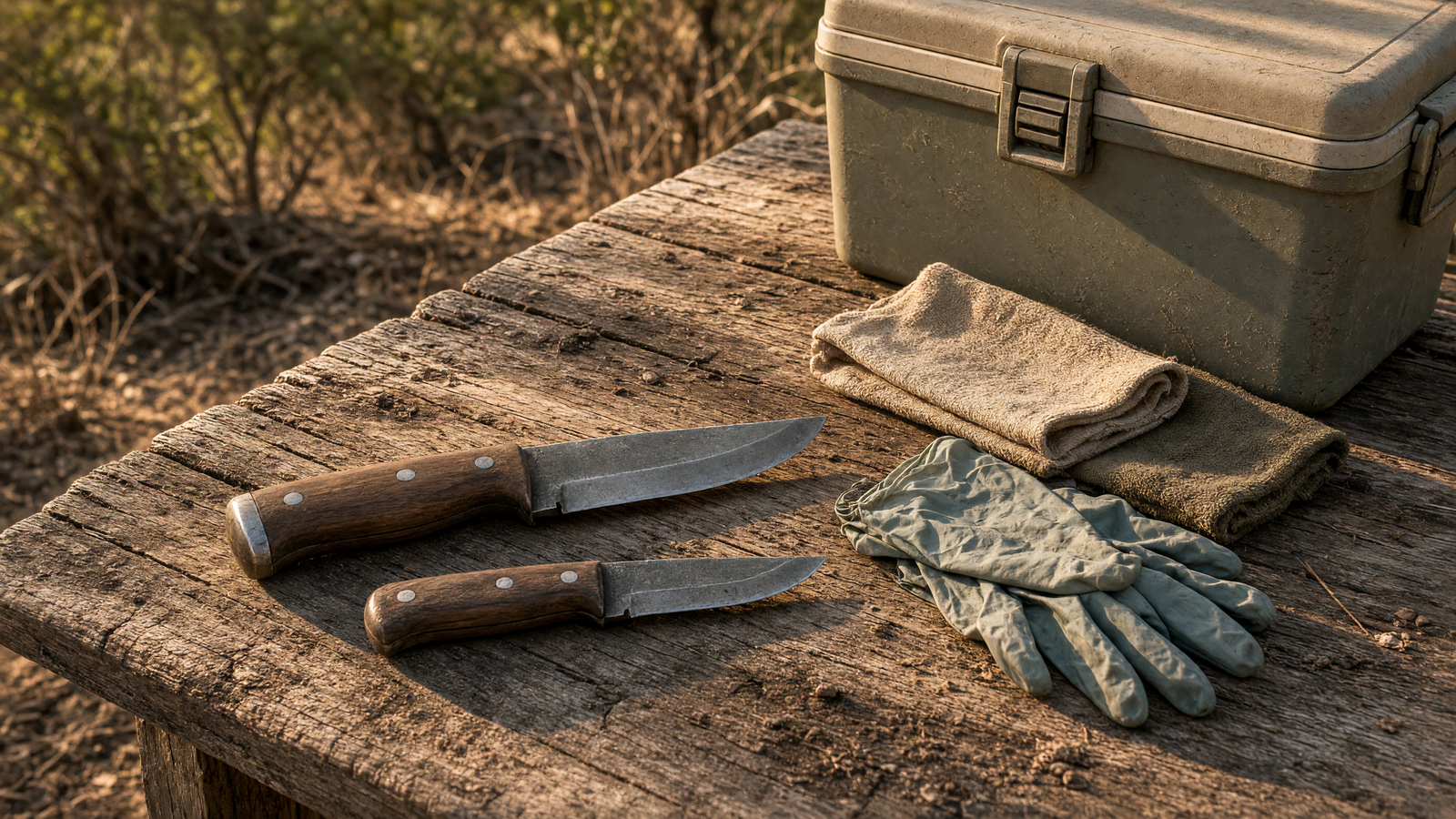
Butchering an aged impala follows the same basic anatomy as other antelope or deer. Split the carcass down the spine if it has not already been done. The backstraps, or loins, yield the most prized steaks and should be removed in long, clean pieces. Tenderloins sit inside the body cavity and are best taken whole. Hindquarters provide roasts, additional steaks, and meat for grinding. Shoulders work well for stews, sausage, or more ground product. Work on a sanitized surface with sharp knives, keeping all pieces cold throughout. Vacuum sealing after portioning protects against freezer burn and lets you enjoy the meat over many months. A practical habit I have adopted is to label every package with the date of harvest and aging length so I can track what works best in my own kitchen.
Several mistakes commonly undermine table quality. Delayed cooling in the field remains the biggest culprit, especially on hot days when a carcass left in the sun can climb into the danger zone within an hour. Over-aging in a poorly controlled environment leads to excessive drying or spoilage. Poor shot placement that damages large muscle groups creates bloodshot meat that must be trimmed away. Using dull tools or dirty surfaces introduces contamination that no amount of later cooking can fully fix. Paying attention to these details from the start pays off on the plate.
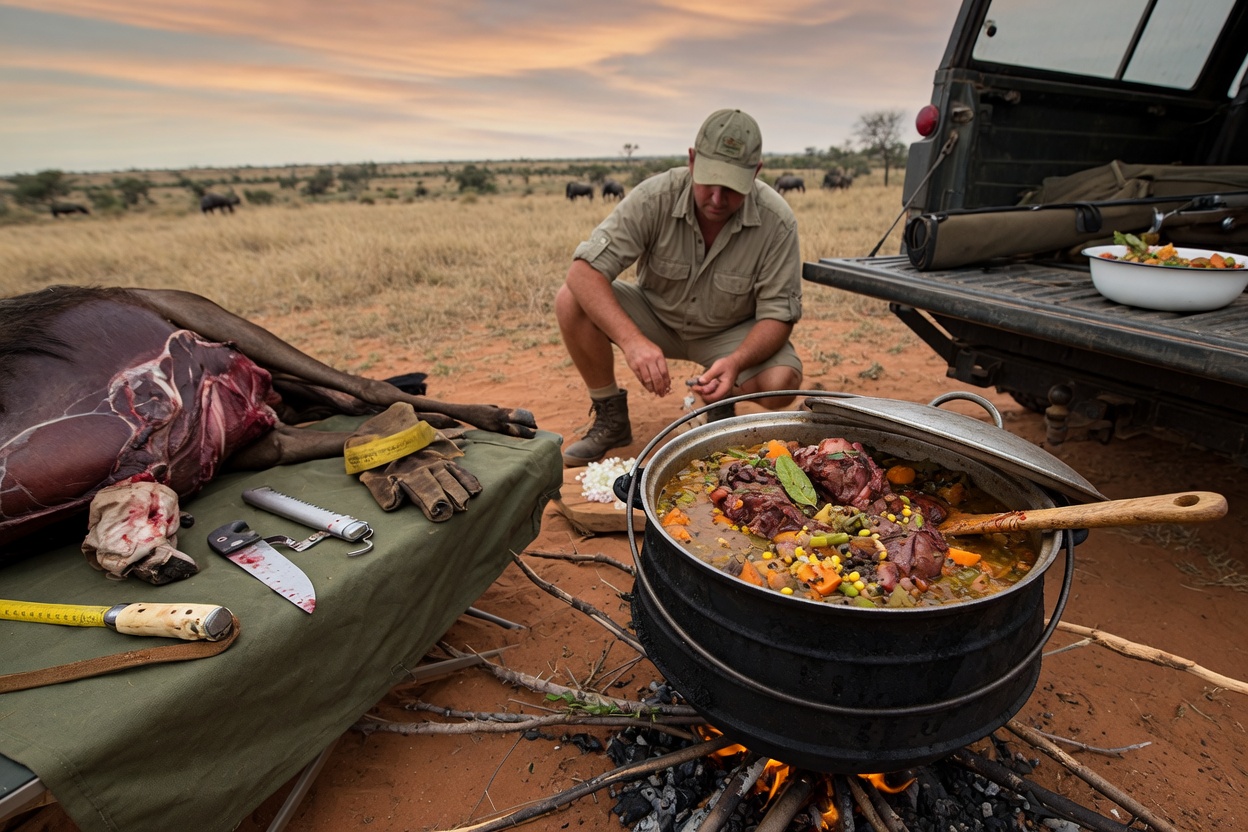
Impala meat itself is mild and lean, closer to high-quality venison than to strongly flavored game. It responds well to simple seasoning that lets the natural taste come through. Steaks from the loin or hindquarter shine when cooked quickly to medium-rare; longer cooking dries them out. Tougher cuts benefit from slow, moist heat. Many hunters I know enjoy pairing the meat with African-inspired spices or just good salt, pepper, and a hot grill. Because the animal is so lean, a light coating of oil or a brief rest after cooking helps retain juices.
Ethical hunting and conservation run through every stage of this process. Impala remain abundant in well-managed areas precisely because regulated hunting generates revenue for habitat protection and anti-poaching efforts. Using the entire animal, from prime cuts to trim for sausage or stock, shows respect for that resource. When we take the time to age and butcher properly, we also demonstrate to non-hunters that hunting produces food of the highest quality rather than waste.
The satisfaction of sitting down to a perfectly prepared impala meal, knowing every step from shot to plate was handled with care, is hard to match. It connects us more deeply to the hunt and to the landscapes these animals inhabit. If you have processed impala yourself, experiment with aging times and share what you learn. The more hunters exchange practical knowledge, the better we all become at turning our harvests into memorable meals. Hunt hard, process with respect, and enjoy the rewards at the table.