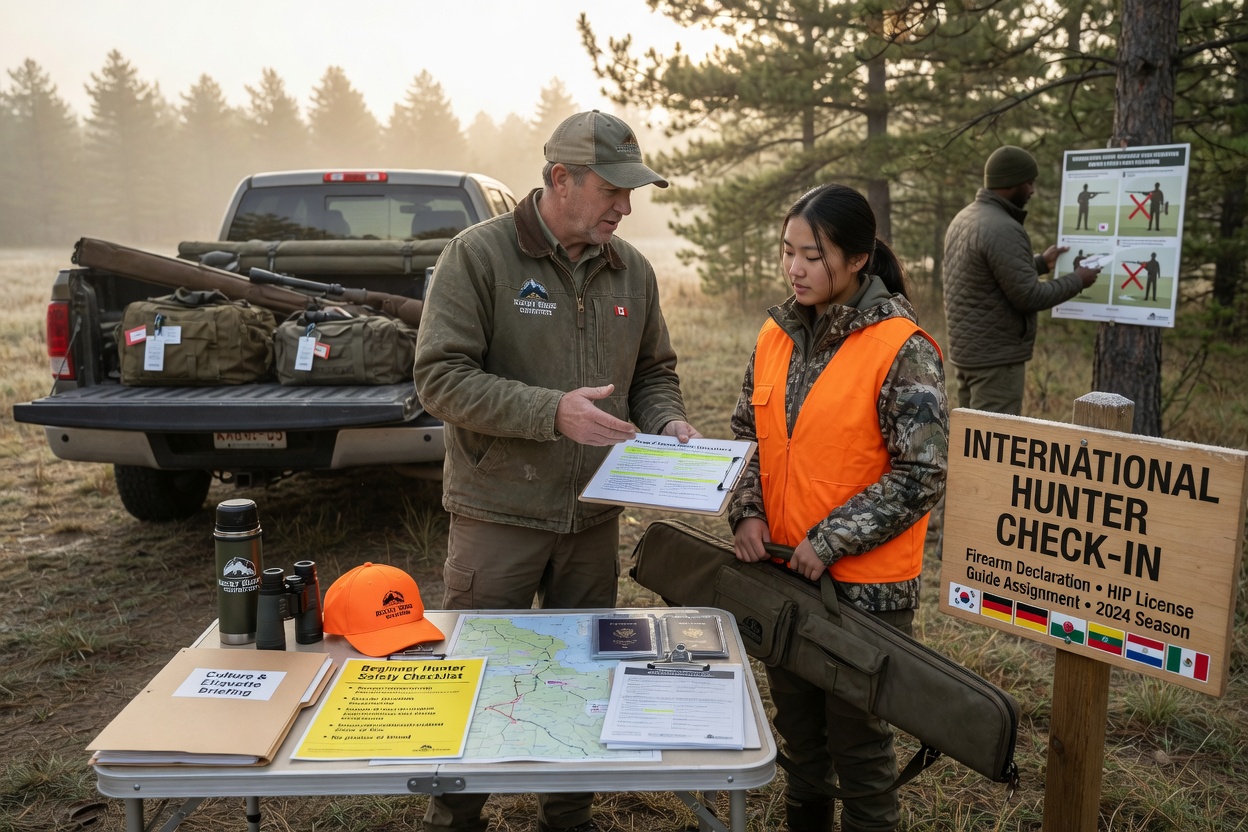
The opportunity to host international hunters who are new to the field represents one of the most rewarding challenges an outfitter can take on. These clients often arrive with high expectations, limited experience, and a genuine curiosity about North American or African hunting traditions. When handled correctly, these trips create lifelong advocates for ethical hunting and generate strong word-of-mouth that fills future seasons. After years of working with outfitters who regularly welcome guests from Europe, Asia, South America and Australia, I have seen firsthand how small details in preparation make the difference between a good hunt and an outstanding one that guests rave about for years.
International beginner hunters typically come from countries where hunting culture, firearm laws and wildlife management differ significantly from your home area. Many European guests are familiar with driven hunts or high-seat hunting but have never stalked game in open country. Hunters from urban Asian cities may have completed formal hunter education yet lack field time. Understanding these backgrounds allows you to tailor the experience without overwhelming them. Start the relationship months in advance with detailed questionnaires covering previous experience, physical fitness, dietary needs, language proficiency and any medical considerations. Video calls have become standard practice since travel rebounded, giving you a chance to read body language and build trust before they board a plane.
Legal and regulatory preparation cannot be left to the last minute. International clients must navigate visa requirements, firearm import permits and trophy export paperwork that vary by country of origin and destination. In the United States, for example, non-immigrant hunters bringing their own rifles need ATF Form 6 approval well in advance, a process that can take 60 days or more. Many outfitters now recommend rental firearms for first-timers to avoid this hurdle entirely, provided the client is comfortable with the available options. CITES permits for certain species add another layer, especially for hunts involving sheep, bears or African plains game. Keep a current checklist of documents required by your state or province and the client’s home country. Partner with a reputable customs broker who specializes in hunting trophies. Recent updates to some national regulations have streamlined digital submissions, so stay informed through your state wildlife agency and organizations such as Safari Club International.
Communication and cultural sensitivity form the foundation of a successful trip. Language barriers remain the most common source of frustration. Even when English is spoken, hunting terminology can cause confusion. Prepare simple visual aids, laminated cards with key phrases in the guest’s language, and designate a bilingual staff member or use reliable translation apps during briefings. Cultural differences extend to meal times, personal space and attitudes toward animals. Some guests may prefer not to participate in field dressing or may have religious dietary restrictions. A short conversation about expectations on day one prevents awkward moments later. I have found that sharing stories of local conservation successes helps guests from countries with stricter animal welfare views understand why regulated hunting exists here. Emphasize that every animal taken contributes directly to habitat protection and anti-poaching programs, a fact supported by multiple studies from the International Union for Conservation of Nature and national wildlife agencies.
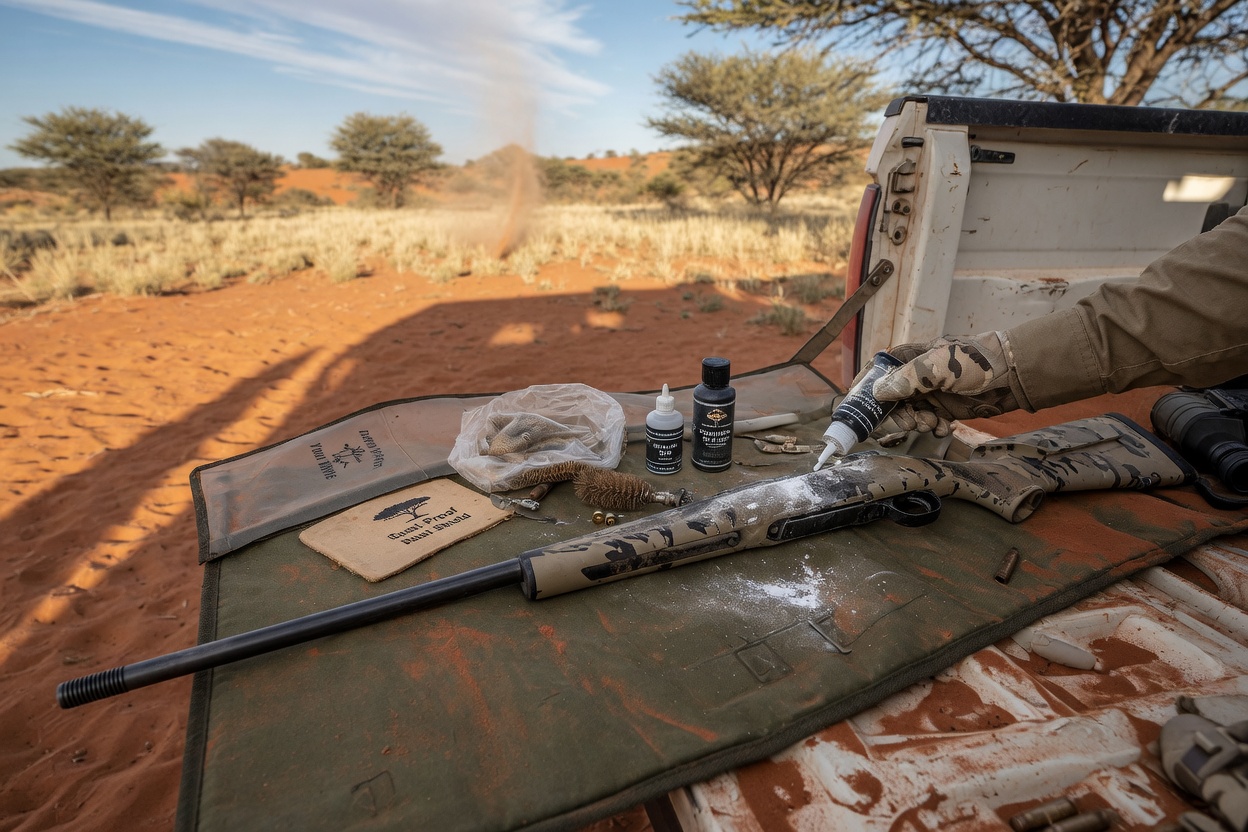
Safety training deserves extra time with beginners. Assume nothing. Conduct a thorough firearm safety review even if the hunter presents a certificate from their home country. Range time on the first afternoon allows you to assess shooting ability and adjust rifle fit or optics. Cover terrain-specific hazards such as river crossings, steep slopes or dangerous game protocols. Physical fitness varies widely; some international guests underestimate the demands of mountain hunting or long sits in blinds. Provide realistic daily itineraries and build in rest periods. Outfitters who document these briefings and have guests sign acknowledgment forms protect both parties and demonstrate professionalism.
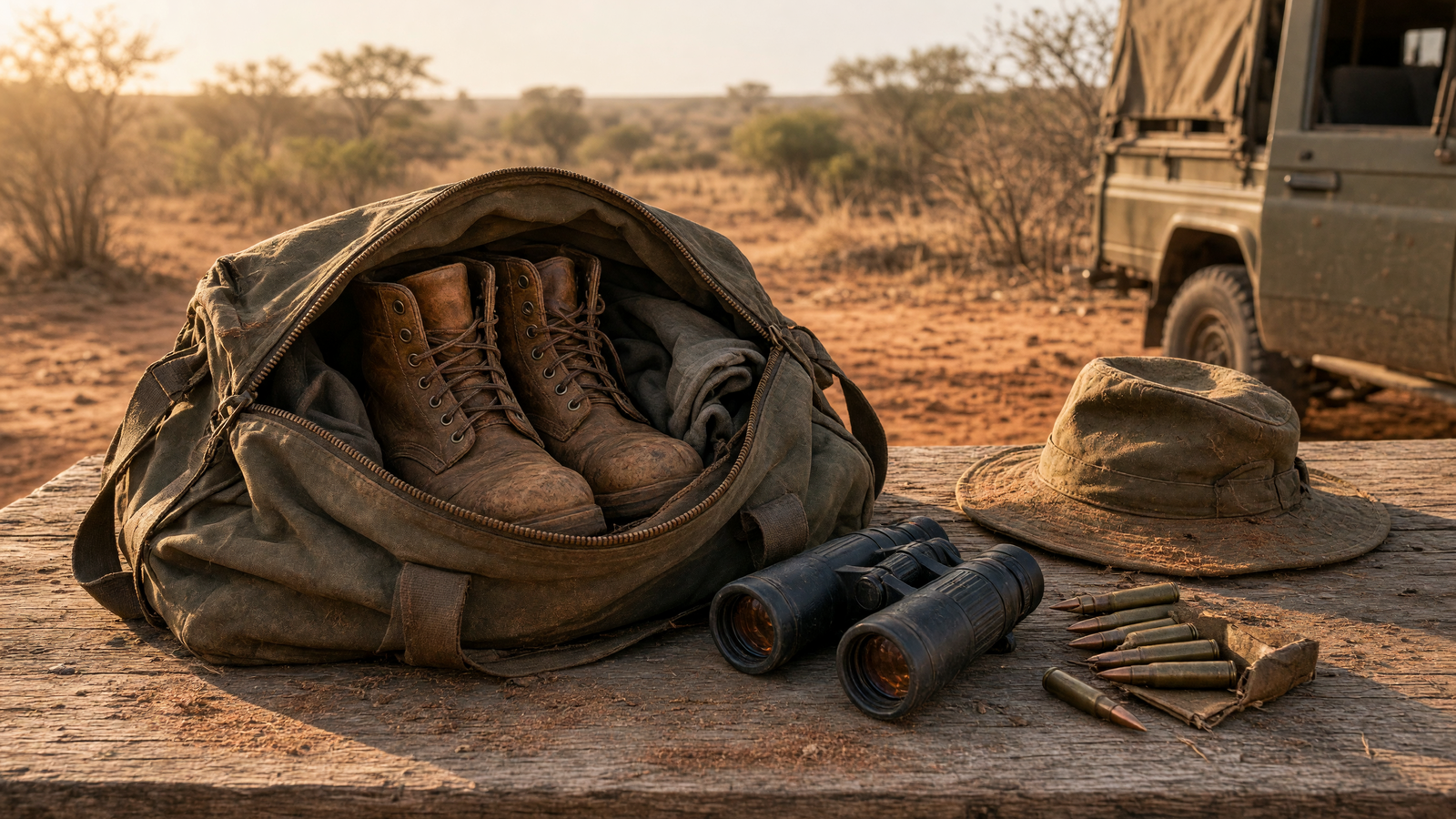
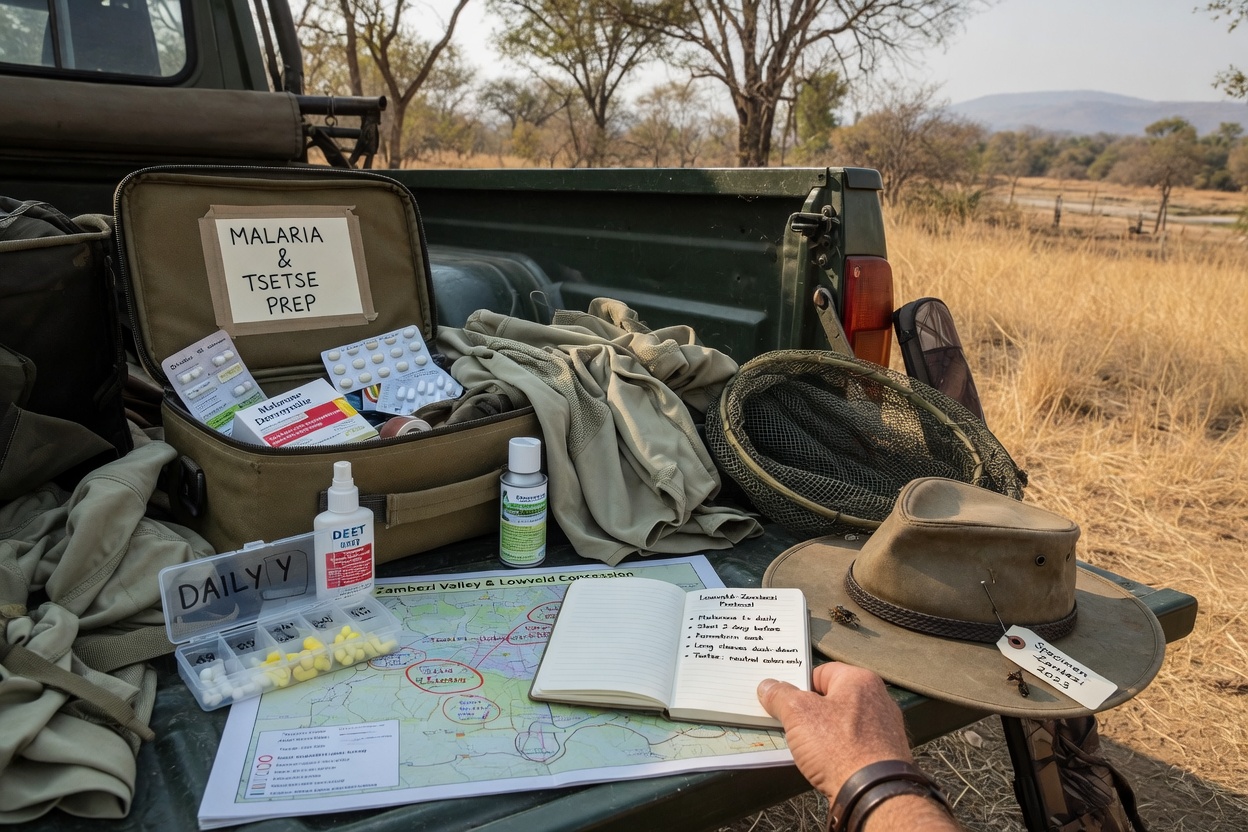
Logistics require military-level planning. Send a detailed packing list that accounts for climate, insects and laundry facilities at camp. Many first-time international hunters overpack or bring inappropriate clothing. Suggest layering systems and recommend rental options for specialized gear like spotting scopes or trekking poles. Airport transfers, lodge orientation and daily communication protocols should be written out and reviewed upon arrival. Dietary needs must be addressed early; some guests expect familiar foods while others want to try local game. Having a flexible cook who can accommodate both is invaluable. Insurance is another area often overlooked. Confirm that your liability policy covers international clients and recommend they purchase travel medical coverage that includes emergency evacuation, as standard policies may exclude hunting activities.
Conservation education should be woven throughout the experience rather than treated as an afterthought. Beginners are often surprised to learn that license fees and outfitter taxes fund the majority of wildlife management in many jurisdictions. Share specific numbers when possible: how many acres of habitat were improved last year, how many animals the local population can sustainably harvest, or how hunting revenue supports community projects. This transparency builds respect and counters misconceptions they may have absorbed from media in their home countries. Encourage guests to participate in simple conservation tasks such as recording sightings or helping with habitat work if time allows. These moments frequently become the highlights they remember most.
After the hunt, your work is not finished. Assist with trophy care, taxidermy selection and shipping arrangements. Provide written instructions for export paperwork and follow up once they return home. A personal note or photo book sent a few weeks later leaves a lasting impression. Many successful outfitters now maintain a simple client portal where guests can download photos, track trophy shipments and leave reviews. Positive online feedback from international hunters carries extra weight because those clients often belong to hunting clubs or social media groups in their own countries.
Hosting international beginners successfully comes down to preparation, patience and genuine passion for sharing the hunting tradition ethically. The extra effort required pays dividends in repeat bookings, referrals and the satisfaction of knowing you have created a new ambassador for conservation. The hunting community is global, and the next generation of ethical hunters may be standing in your lodge this season.
Implement these practices this year and you will notice the difference in client satisfaction and operational smoothness. Your fellow outfitters and the wildlife we all depend on will thank you.