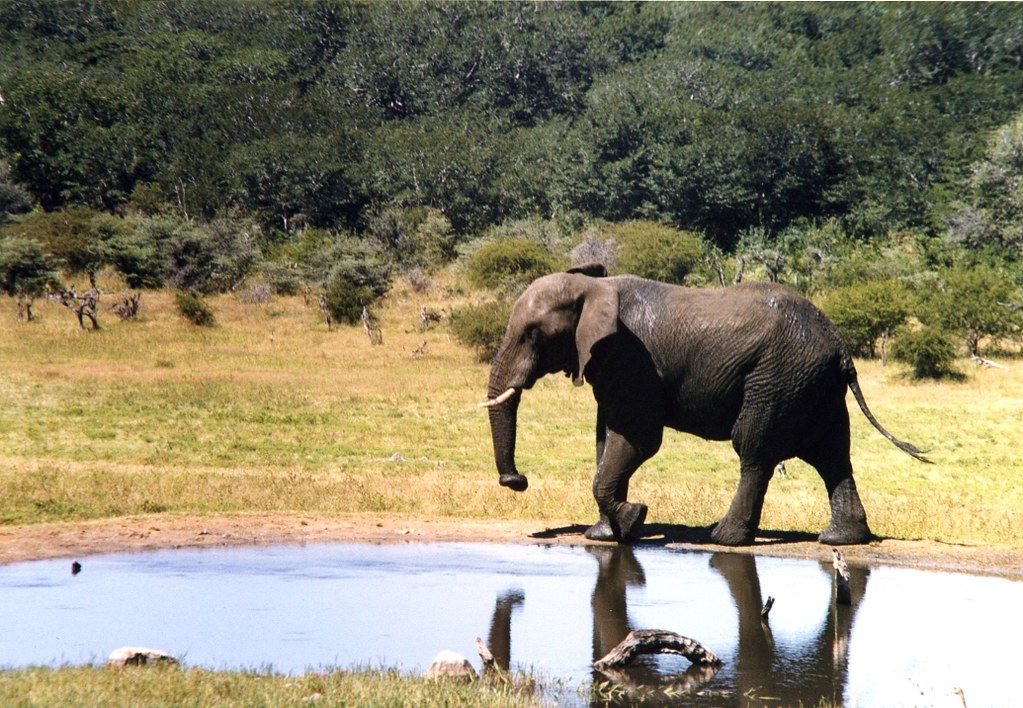
Zimbabwe stands as a remarkable success story in African wildlife conservation, boasting one of the continent's largest elephant populations. Estimates place the number between 80,000 and 100,000 elephants roaming national parks, safari areas, and communal lands. This abundance, however, brings serious challenges that demand careful management. Overcrowding in places like Hwange National Park leads to widespread habitat damage as elephants strip trees and overgraze vegetation. Human-elephant conflict has risen sharply, with animals raiding crops and sometimes causing injuries or deaths in rural communities. Water sources become depleted, and the overall ecosystem suffers. In this context, regulated hunting emerges not as a threat but as a proven tool for sustainable elephant management.
The foundation of this approach lies in science-based wildlife management. Zimbabwe's Parks and Wildlife Management Authority, known as ZimParks, sets annual hunting quotas after thorough population surveys and ecological assessments. These quotas typically represent a tiny fraction of the total population, often well under one percent. Hunters target older bull elephants past their prime breeding years. Removing these individuals can actually benefit the herd by reducing competition for resources and allowing younger bulls better access to mates. This selective process mimics natural predation that no longer exists at sufficient levels due to the absence of large predators in many areas. Studies from organizations like the International Union for Conservation of Nature support the idea that well-regulated hunting can maintain healthy populations while generating resources for broader protection efforts.
A key part of the system is the CAMPFIRE program, launched in the late 1980s. This community-based initiative allows rural people living alongside wildlife to benefit directly from hunting revenue. A substantial portion of the fees paid by hunters goes back to local communities. These funds support schools, clinics, water projects, and anti-poaching patrols. When villagers see tangible value from living with elephants, they become partners in conservation rather than adversaries. Poaching rates drop in areas where communities have a financial stake because people report illegal activity and protect the animals that now contribute to their livelihoods. Without this incentive, many communal lands would likely convert to farming, eliminating habitat for elephants and countless other species.
The economic impact cannot be overstated. A single elephant hunting safari can generate tens of thousands of dollars through trophy fees, daily rates, and related services. This money flows into the national economy, supporting jobs for professional hunters, trackers, camp staff, and transport providers. More importantly, it funds ZimParks operations, including ranger salaries, vehicles, and equipment needed to combat poaching. In a country facing economic pressures, hunting provides a reliable source of foreign currency that purely photographic tourism cannot always match, especially in remote areas less suitable for high-volume visitors. Research has shown that hunting concessions often maintain better habitat quality because operators have a long-term interest in healthy wildlife populations.
Ethical considerations remain at the heart of responsible elephant hunting in Zimbabwe. Professional hunters must hold proper licenses and follow strict regulations. Hunts typically involve fair chase methods such as walking and stalking rather than unethical practices. Only mature bulls are taken, and operators are expected to contribute to conservation projects beyond the basic fees. Many reputable outfitters work closely with researchers to collect data on elephant movements and health. Hunters themselves often become ambassadors, returning home with a deeper appreciation for the complexities of African wildlife management and sharing that knowledge. The focus stays on sustainability and respect for the animal, not mere trophy collection.
Recent years have brought both challenges and opportunities. The COVID-19 pandemic disrupted travel and hunting seasons, highlighting how dependent conservation funding is on this activity. As operations resumed, Zimbabwe continued advocating for science-based policies at international forums like CITES. While debates over ivory trade persist, hunting trophies from Zimbabwe remain permitted under current regulations for many countries, provided they meet legal requirements. Developments in neighboring nations, such as Botswana's decision to resume hunting after a ban, underscore a growing recognition across southern Africa that complete protection without management tools can lead to unsustainable population growth and increased conflict. Zimbabwe's long experience offers valuable lessons in balancing these factors.
For those considering involvement, whether as a hunter or a supporter of conservation, several practical steps stand out. Choose operators with strong records of community engagement and ethical practices. Verify that they work within official quotas and contribute to anti-poaching efforts. General supporters can advocate for policies that recognize sustainable use as a legitimate conservation strategy. Visiting Zimbabwe on a photographic safari in hunting areas can also help, as these operations often share infrastructure and provide additional revenue streams. Educating others about the realities on the ground counters simplistic narratives that ignore the needs of both people and wildlife.
In my years studying and participating in wildlife management, I have seen how removing a limited number of elephants through hunting protects far more animals than it takes. The funds generated keep rangers in the field and give communities reasons to tolerate the damage elephants can cause. This is not an easy or perfect solution, but it works better than alternatives that have failed elsewhere. Zimbabwe's elephants continue to thrive in large numbers precisely because management includes hunting as one component among many, including habitat protection and law enforcement.
The story of elephant management in Zimbabwe demonstrates that conservation succeeds when it accounts for ecological realities, economic needs, and human communities. Hunting, when conducted ethically and under strict regulation, plays an indispensable role in this balance. It funds the protection of vast landscapes, reduces conflict, and ensures that future generations will still encounter these iconic animals in the wild. Those passionate about wildlife should look beyond headlines and examine the data. Support organizations and policies that empower local people and use every available tool, including hunting, to keep Zimbabwe's elephants secure.