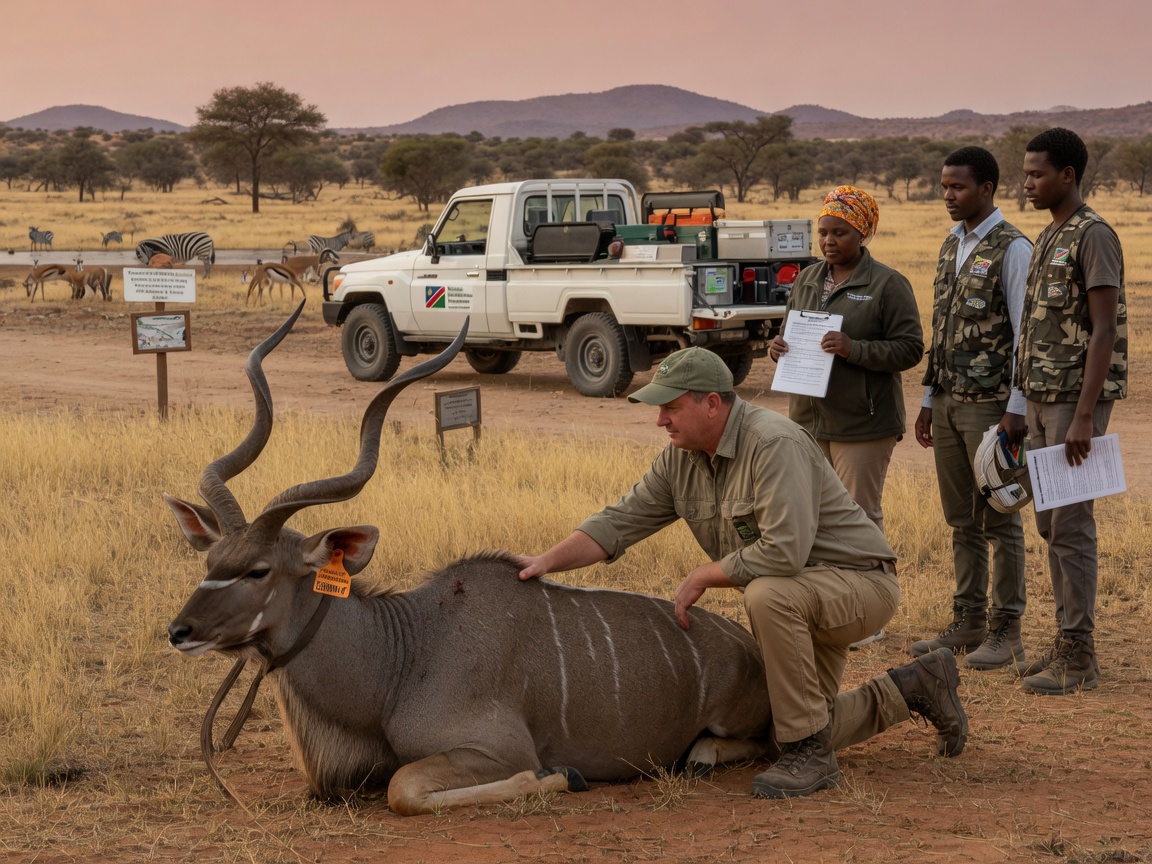
Namibia offers one of the clearest examples on the planet of how regulated hunting can drive real conservation success. In a country where vast communal lands sit far from typical tourist routes, hunting has turned wildlife from a burden into a valued community asset. Communal conservancies now cover more than 20 percent of Namibia, and hunting revenue sits at the heart of their achievements. This is not theory. It is a working system that has helped wildlife recover while putting money, meat and jobs into rural households.
The story began in the mid-1990s when Namibia passed legislation giving communities legal rights to manage and benefit from wildlife on their land. Today more than 80 registered conservancies operate across the country. Local committees set rules, employ game guards and decide how income is spent. Photographic tourism plays a role in some areas, yet hunting often delivers the larger and more reliable cash flow, especially in remote, arid zones where lodges are scarce. Professional hunting operators lease concessions from the conservancies and pay substantial trophy fees. A single elephant or lion hunt can generate tens of thousands of dollars that flow straight back to the community. According to reports from the Namibia Association of CBNRM Support Organisations, hunting has frequently accounted for the majority of cash income in many conservancies, sometimes exceeding 70 percent in drier regions.
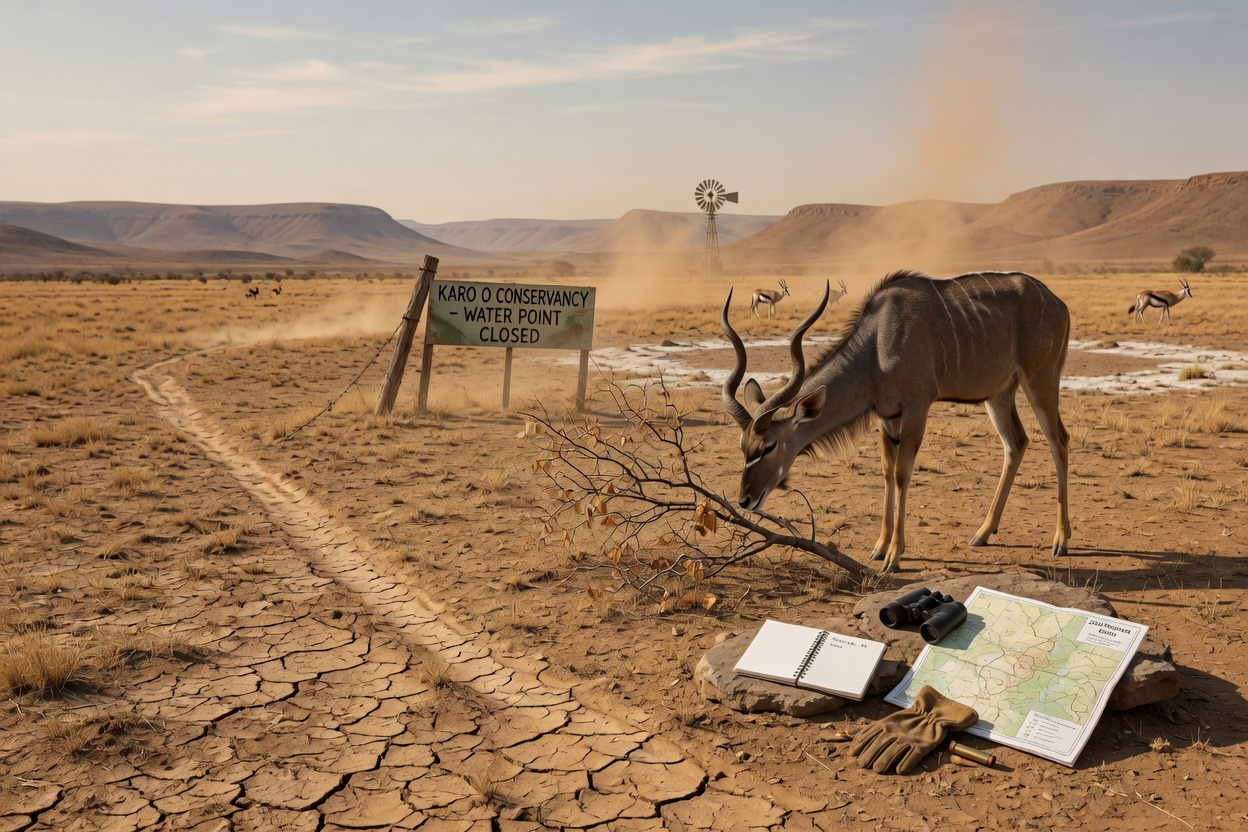
That money is not abstract. Conservancies use it to drill water points that serve both livestock and wildlife, to pay game guards who patrol against poachers, and to fund schools, clinics and drought relief. In places where formal employment is rare, hunting creates jobs as trackers, skinners, camp staff and drivers. These positions teach skills that last beyond a single season. Equally important is the meat. After a hunt, carcasses are typically shared among households, supplying high-quality protein in areas where shops are distant and cash is limited. Residents often describe this as one of the most immediate and appreciated benefits.
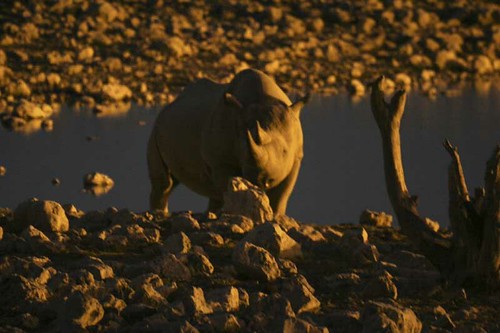
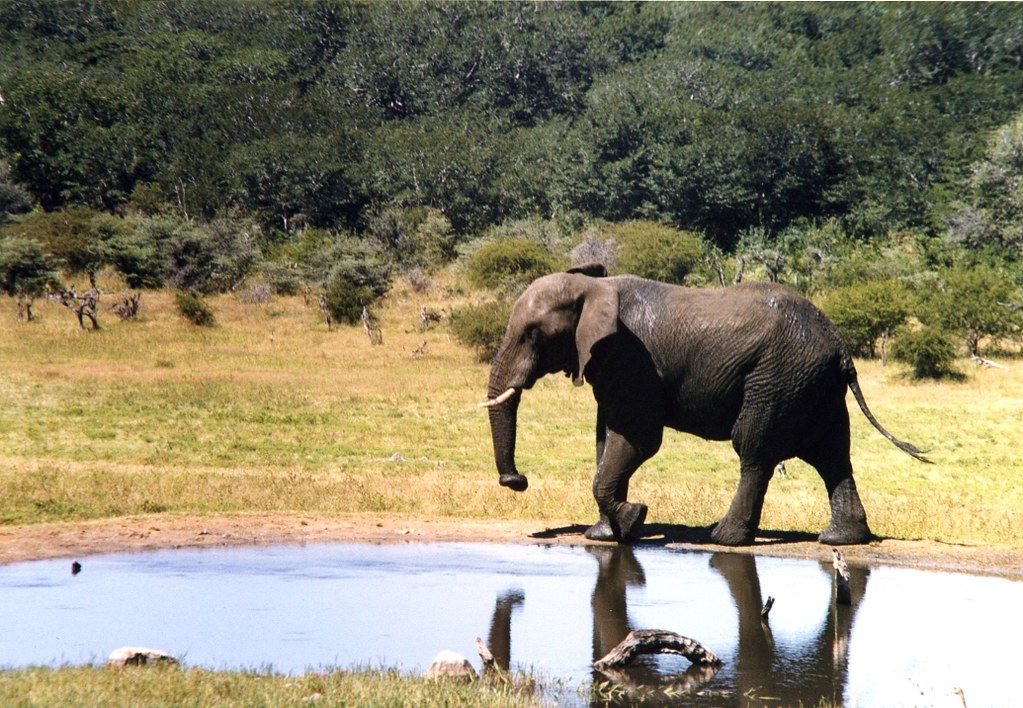
The conservation results speak for themselves. When communities earn from wildlife they protect it. Namibia’s elephant population has grown steadily, desert-adapted lions persist in the northwest, and black rhino numbers have stabilized or increased in several conservancies. Limited, strictly controlled hunting of post-reproductive male black rhinos has even generated funds earmarked specifically for rhino monitoring and protection. Quotas are set by government scientists after aerial surveys and ground counts. Only surplus animals, usually older males past their prime breeding years, are taken. This approach follows the principle of sustainable use endorsed by the IUCN and practiced successfully for decades in southern Africa.
Human-wildlife conflict has not vanished, of course. Elephants still raid crops and lions take livestock. Yet hunting income gives conservancies the means to compensate farmers and to invest in better kraals or chili fences. The alternative—removing all value from wildlife—has historically led to habitat conversion and higher poaching. Namibia’s model shows that when people have a direct stake, they become the most effective guardians.
Recent years have tested the system. Debates in Europe and North America over trophy import bans have prompted Namibian officials to speak out clearly. They argue that cutting off hunting revenue would undermine community incentives and reverse hard-won gains. The government and conservancy associations continue to present data showing population increases and reduced illegal killing. Independent observers, including some conservation NGOs that once opposed hunting, have acknowledged the results on the ground.
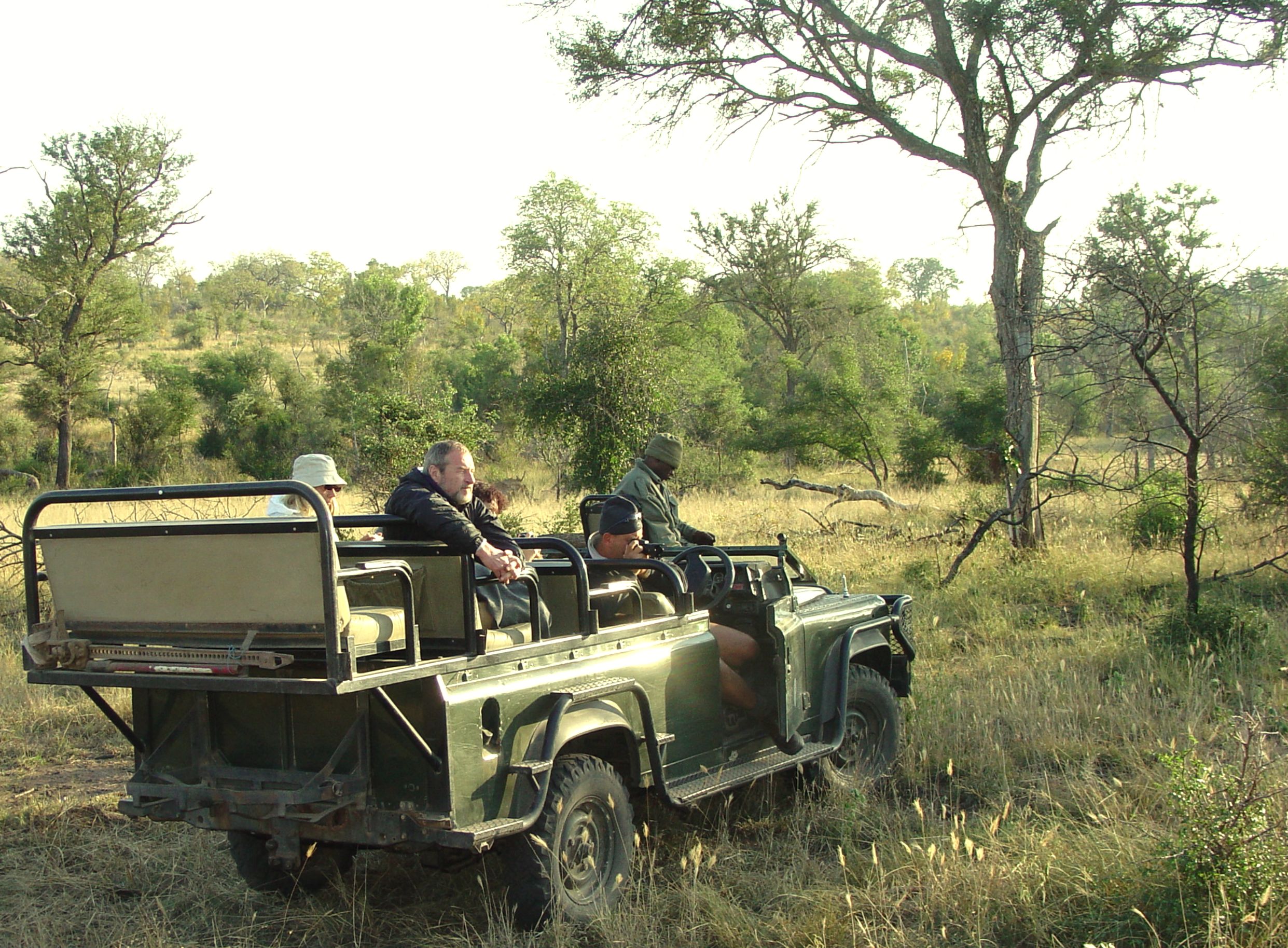
For anyone considering a hunt in Namibia, a few practical steps make the experience both ethical and impactful. First, work with operators who hold current concessions inside registered conservancies and who are members of the Namibia Professional Hunting Association. Ask how trophy fees are split and whether the community receives a transparent share. Second, understand that a well-run hunt is not a quick snapshot; it often involves days of walking with local trackers who know every waterhole and game trail. Respect their knowledge and the land. Third, consider plains-game hunts as well as the high-profile species. Oryx, kudu and springbok hunts still generate meaningful income and keep pressure off more sensitive animals.
I have walked these conservancies and spoken with committee members who remember when wildlife was something to be feared or poached. The change in attitude is striking. People now talk about “our elephants” and “our rhinos.” That ownership is the real engine of conservation. Hunting did not create it alone, but it provided the economic foundation that made it possible.
Namibia’s experience offers a lesson that extends beyond its borders. Strict protection without local benefits often fails in rural Africa. Sustainable use, when scientifically managed and community-owned, can succeed. The next time you hear hunting dismissed as outdated, remember the water points, the game guards, the school roofs and the growing herds that hunting revenue has helped deliver.
If you hunt, choose Namibia and choose a conservancy-based operator. If you do not hunt, still share the facts. Accurate information is the best defense of a model that works. Visit official conservancy sites, read NACSO reports, or plan a trip that supports the people who live with the wildlife every day. Conservation is strongest when it includes the communities on the front line.