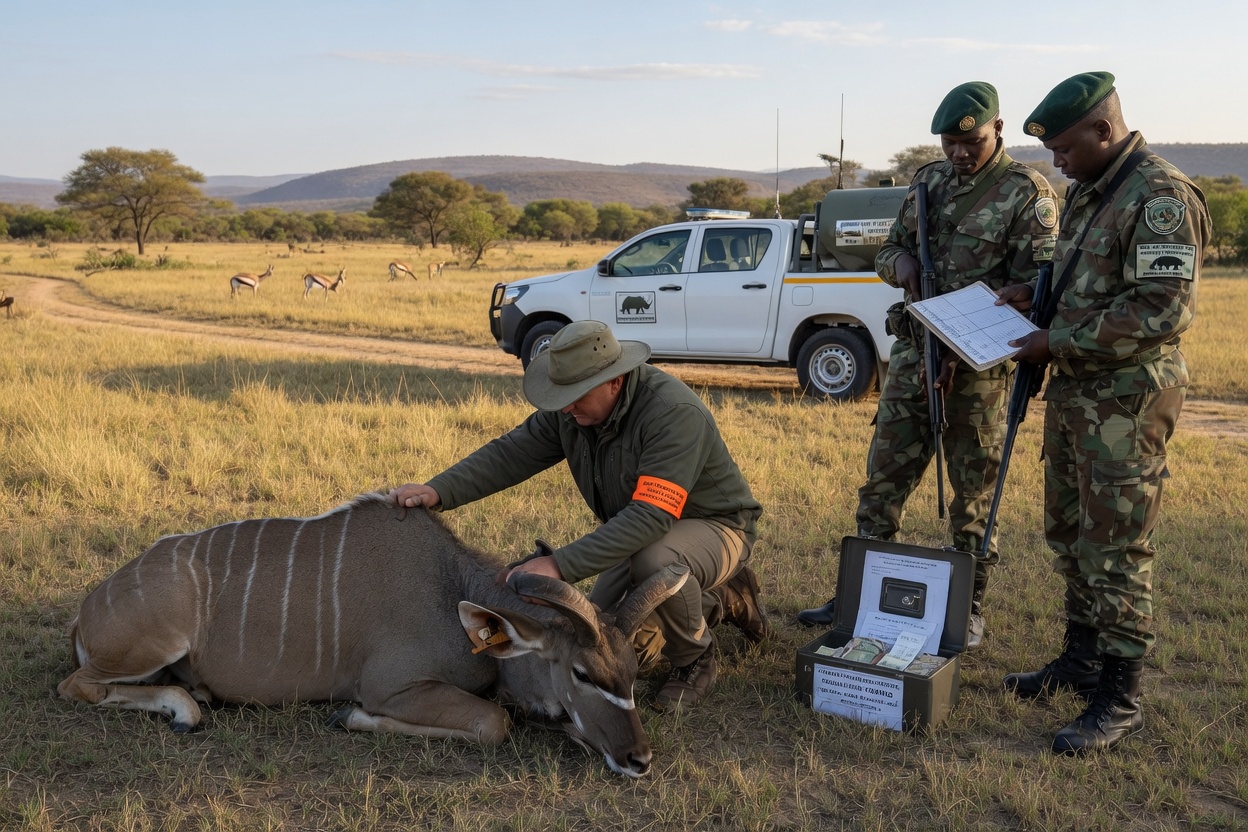
In a time when hunting faces intense public scrutiny, the reality of ethical hunting offers a powerful counter-narrative rooted in conservation success. Ethical hunting, conducted under science-based regulations with a commitment to sustainability and respect for wildlife, serves as a primary funding source for anti-poaching units across the globe. These units consist of dedicated rangers and game wardens who risk their lives daily to protect animals from illegal killing, habitat destruction, and wildlife trafficking. Without the revenue generated by licensed hunters, many of these protection efforts would simply cease to exist.
The connection begins with the straightforward economics of hunting. Hunters pay for licenses, tags, permits, and trophy fees. In the United States, the Pittman-Robertson Wildlife Restoration Act channels excise taxes on firearms, ammunition, and archery equipment, along with hunting license sales, into state wildlife agencies. These funds, totaling hundreds of millions of dollars each year, support game wardens who investigate poaching, patrol public lands, and enforce wildlife laws. Similar systems operate internationally. In African nations such as Namibia, South Africa, Tanzania, and Zimbabwe, hunting concessions on both public and private lands generate substantial income through government levies, community fees, and outfitter contributions. A single high-value hunt, such as one for Cape buffalo or elephant under quota, can produce tens of thousands of dollars that flow directly into conservation accounts.
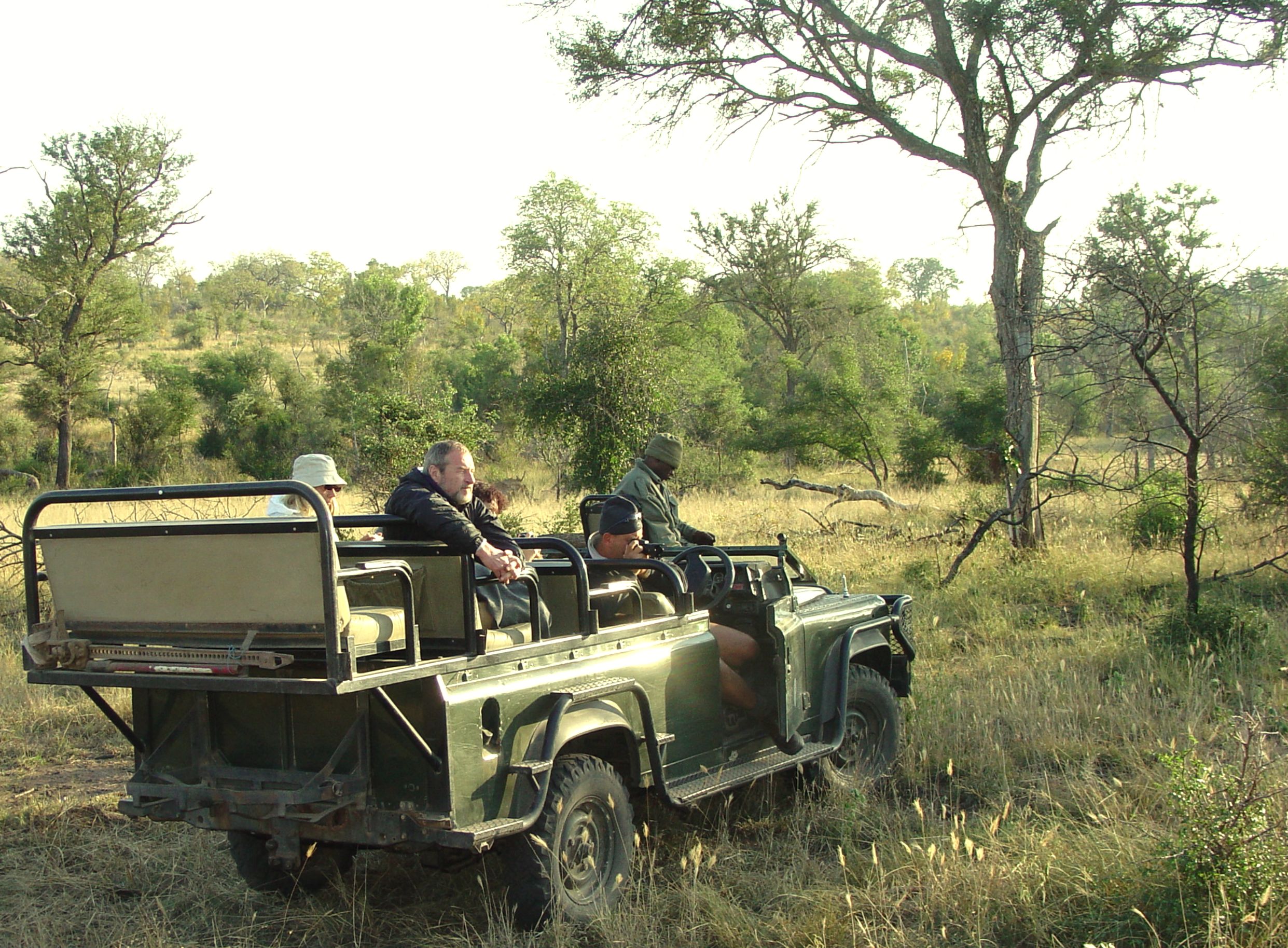
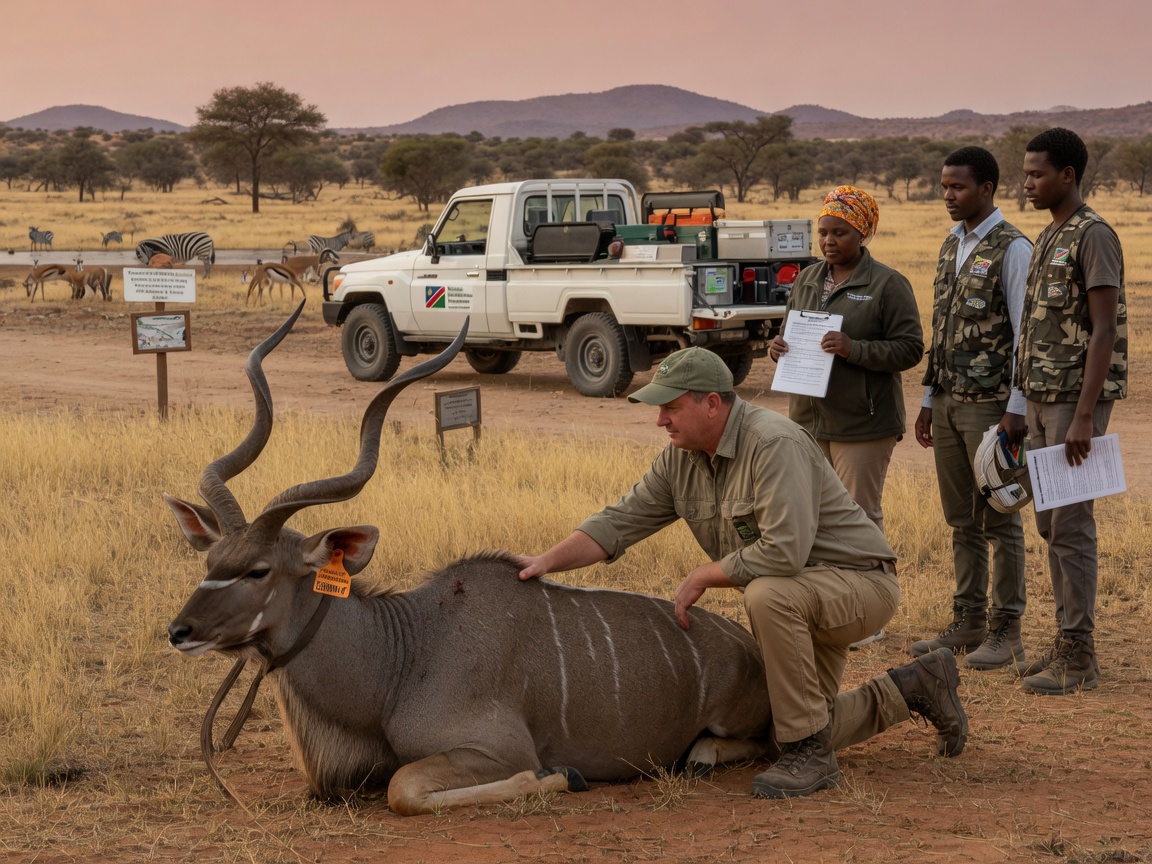
These dollars translate into tangible protection on the ground. Anti-poaching units receive salaries, vehicles, fuel, radios, night-vision gear, training, and even sniffer dogs or aerial support. In Namibia’s communal conservancies, hunting revenue employs hundreds of local game guards who live in the communities they protect. These rangers monitor wildlife populations, remove snares, and respond to poaching incidents. Government reports and independent assessments show that areas with active, well-funded hunting programs often experience lower poaching rates because the economic value of living wildlife creates strong local incentives for protection. Communities that once viewed elephants or lions as threats now see them as assets worth defending.
Organizations dedicated to ethical hunting amplify this impact. The Safari Club International Foundation and Dallas Safari Club Foundation have awarded millions in grants specifically for anti-poaching projects, including ranger training academies, equipment donations, and intelligence-sharing networks. Conservation Force works to ensure hunting revenues stay tied to conservation outcomes and defends science-based policies in court and at international forums like CITES. Private game ranches in South Africa maintain their own professional anti-poaching teams funded entirely by hunting and ecotourism, complementing government efforts and helping stabilize populations of rhinos and other high-value species despite ongoing pressure from organized crime syndicates.
The presence of ethical hunters adds a practical layer of security. During hunting seasons, additional people occupy remote areas, serving as extra observers who report suspicious activity. Poachers prefer isolated landscapes with little human presence. Legal hunting activity disrupts that isolation. Moreover, the quota systems that govern ethical hunts are based on population surveys and habitat assessments, ensuring offtake remains sustainable while generating the funds needed to keep those surveys and protections going.
Recent policy shifts highlight the model’s importance. Botswana lifted its elephant hunting ban in 2019 after years of rising human-wildlife conflict, crop destruction, and poaching. Officials cited the need to restore community benefits and fund anti-poaching after the ban reduced both revenue and local support for conservation. Similar data-driven decisions appear in other range states where overpopulation of certain species or loss of hunting income has correlated with increased illegal activity.
Hunters who want their activities to maximize conservation impact can take several practical steps. Research outfitters thoroughly and choose those who publish how fees are allocated and who partner with recognized conservancies or government programs. Ask specific questions about anti-poaching contributions before booking. Consider additional donations of equipment or funds through established channels such as local conservancy trusts or proven organizations. Support groups that advocate for science-based wildlife management rather than emotion-driven bans. Finally, share accurate information with friends, family, and online communities to counter widespread misconceptions about hunting’s role.
As a hunting and wildlife professional, I have spoken with rangers whose monthly pay and field gear come directly from hunting revenue. One Namibian game guard described how new communications equipment funded by a hunting concession allowed his team to coordinate a rapid response that intercepted a poaching group targeting black rhinos. Another warden in the American West credited hunter-generated funds with expanding patrols that reduced illegal take of mule deer and elk. These conversations reinforce a simple truth: ethical hunters are not the enemy of wildlife. They are often the reason anti-poaching units can exist at all.
Looking forward, the partnership between regulated hunting and anti-poaching must adapt to new challenges including climate-driven habitat changes, more sophisticated trafficking networks, and political pressure to restrict hunting. Continued success depends on transparent accounting of funds, strong governance to prevent corruption, and ongoing population monitoring. Hunters, landowners, communities, and conservation organizations must remain aligned around the principle that wildlife must pay its own way in a world of competing land uses.
Ethical hunting funds anti-poaching units by turning wildlife into a renewable economic resource that local people and governments have a reason to protect. The next time debate arises about hunting, remember the rangers walking patrol at first light, the vehicles they drive, and the animals they safeguard. Those efforts are paid for by hunters who follow the rules, respect the resource, and understand that true conservation requires both protection and sustainable use. Choose ethical operators, stay informed, and help keep this vital funding stream strong so that wild places and the creatures that inhabit them endure.