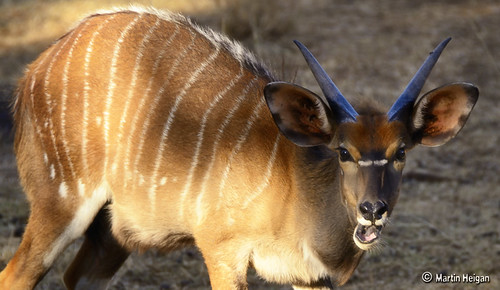
The Nyala remains one of southern Africa's most striking and sought-after trophy animals, and few places offer a more authentic challenge than the dense bush of KwaZulu-Natal. These spiral-horned antelope thrive in the province's riverine thickets, coastal forests, and mixed bushveld, where their shy nature and excellent camouflage test even experienced hunters. A successful Nyala hunt here combines knowledge of the animal, respect for the habitat, and a commitment to ethical practices that support long-term conservation. This guide shares practical, field-tested advice drawn from current hunting conditions and established best practices in the region.
Nyala rams are browsers that prefer thick cover near water sources. In KwaZulu-Natal they frequent areas with dense undergrowth along rivers and drainage lines, emerging into more open feeding areas during cooler hours. They are most active at dawn and dusk, often remaining hidden during the heat of the day. Trophy-quality rams typically carry horns measuring 24 to 28 inches or more, with exceptional specimens exceeding 30 inches. Judging horn length in the field requires patience because the spiral shape can appear larger or smaller depending on the angle and light. Mature rams usually live solitarily or in small bachelor groups, while females and young form larger herds. Understanding these patterns is the foundation of any productive hunt.
The dry winter months from May through September generally provide the best conditions in KwaZulu-Natal. Vegetation thins out, visibility improves, and animals concentrate around remaining water. Early mornings after a cool night often find Nyala moving more freely. Summer hunts are possible but more demanding due to thicker foliage and higher temperatures. Local rainfall patterns can shift animal movement, so working with an outfitter who monitors current conditions is essential. Recent seasons have shown that late winter still offers reliable opportunities when water sources become limited.
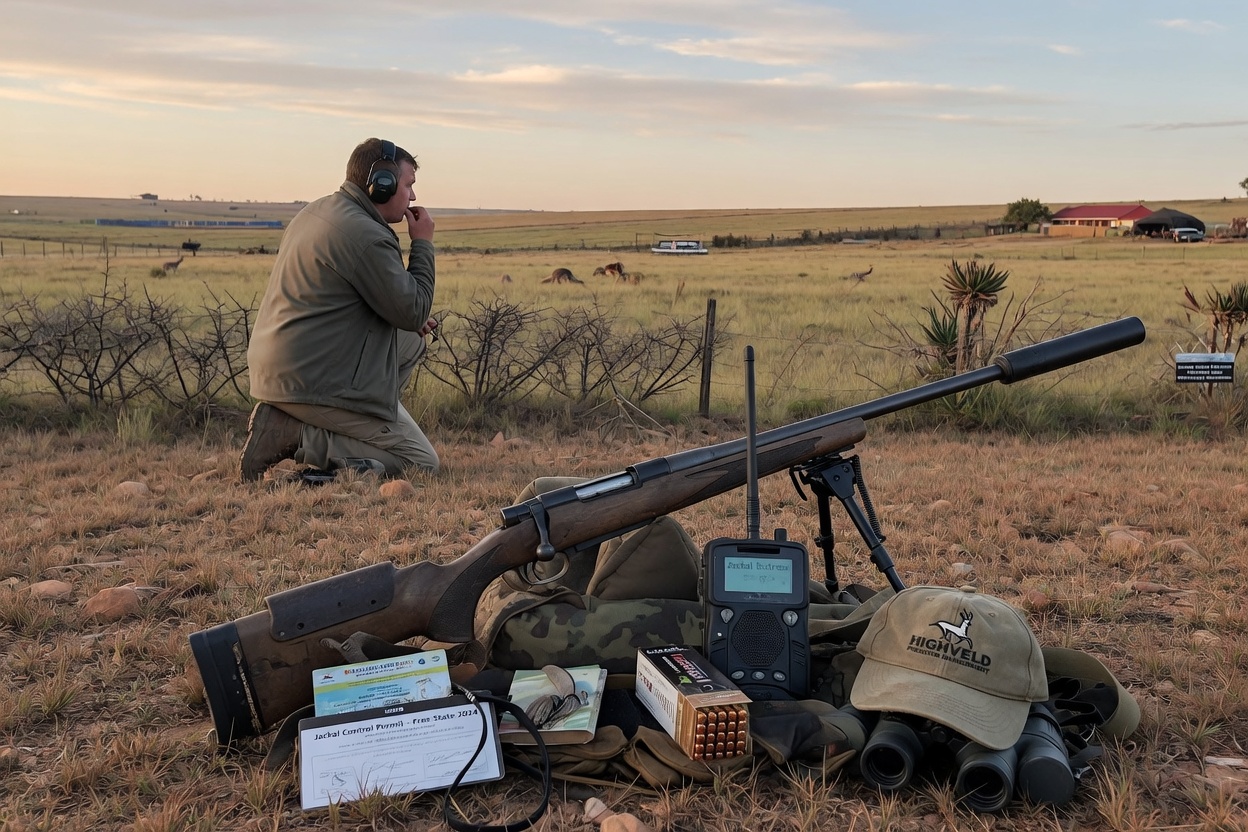
Selecting the right equipment makes a significant difference in the KZN bush. A reliable rifle in a caliber such as .270 Winchester, .308 Winchester, 7mm Remington Magnum, or .30-06 Springfield, paired with premium expanding bullets in the 150-grain range, handles Nyala effectively. These animals are not excessively large, but they can absorb a poorly placed shot and disappear into thick cover. Quality optics are non-negotiable. A pair of 10x42 binoculars helps glass the edges of thickets, and a variable-power scope with good low-light performance aids precise shot placement. Comfortable, quiet clothing in muted bush colors or appropriate camouflage allows closer approaches. Sturdy boots suited to uneven, sometimes thorny terrain complete the basic kit. Many hunters also carry a rangefinder because shots in the bush can occur at unexpected distances.
Two primary methods dominate Nyala hunting in this region. Still-hunting or stalking through likely habitat rewards those who move slowly and use the wind. Approach from downwind, pause frequently to glass, and watch for the flicker of an ear or the glint of a horn. The second method involves sitting over waterholes, mineral licks, or well-used trails, particularly in drier periods. A well-placed blind or natural hide can produce close encounters. Tracking after a rain can also work when fresh spoor is visible, though the thick vegetation often limits long follows. In all cases, a licensed professional hunter familiar with the specific concession is invaluable. They know local Nyala habits, help judge trophy quality on the hoof, and ensure compliance with regulations.
Shot placement remains critical for both ethical harvest and trophy recovery. The vital area sits just behind the shoulder. A well-aimed shot here typically drops the animal quickly or allows a short follow-up. Avoid raking shots or attempts at the neck unless the animal is perfectly broadside and close. After the shot, wait a few minutes before approaching, then follow blood and tracks methodically. Nyala often head into the thickest available cover when wounded, so a good tracking dog or experienced tracker can prove decisive. Always confirm the animal is down before celebrating.
Ethical hunting and conservation go hand in hand in KwaZulu-Natal. Trophy hunting generates revenue that funds habitat management, anti-poaching efforts, and community programs. Hunters should target only mature rams that have already contributed genetically and select animals that meet personal and outfitter standards for quality. South African provincial regulations require the appropriate permits, and foreign hunters must hunt with a registered professional hunter. Reputable operators follow PHASA guidelines and contribute to sustainable wildlife use. By choosing ethical operators and practicing fair-chase principles, hunters help ensure Nyala populations remain healthy for future generations.
Once the animal is recovered, proper field care preserves the trophy. Skin the cape promptly, paying attention to the distinctive markings and the spiral horns. Keep the horns and skull clean and allow them to dry naturally. Many hunters choose to have the mount done by a taxidermist experienced with African game so the unique coloration and horn set are displayed accurately. Photographs taken in the field, showing respect for the animal and the landscape, also become lasting memories.
KwaZulu-Natal's Nyala hunting offers more than a trophy. It delivers an immersive experience in one of Africa's most diverse bush environments. Success comes from preparation, patience, and a genuine respect for the animal and the land. Whether you are planning your first safari or returning for another ram, apply these principles and you will increase your chances of a rewarding, ethical hunt.
If you are ready to pursue Nyala in the KZN bush, research established outfitters, discuss current concession conditions, and prepare thoroughly. Share your own experiences with fellow hunters and continue supporting conservation through responsible hunting. The bush rewards those who approach it with knowledge and humility.