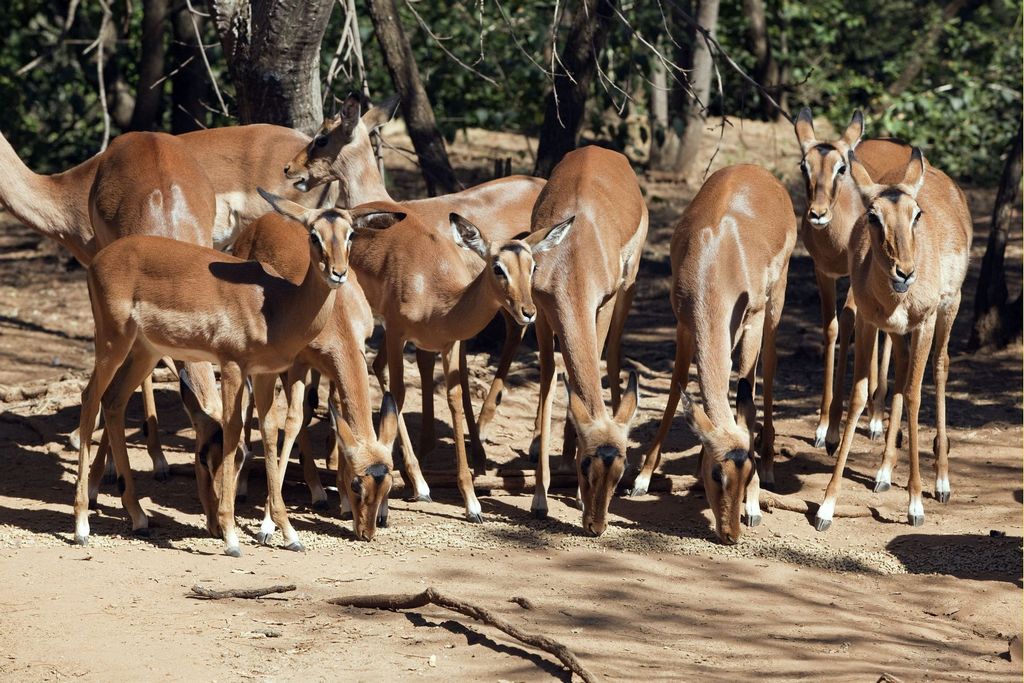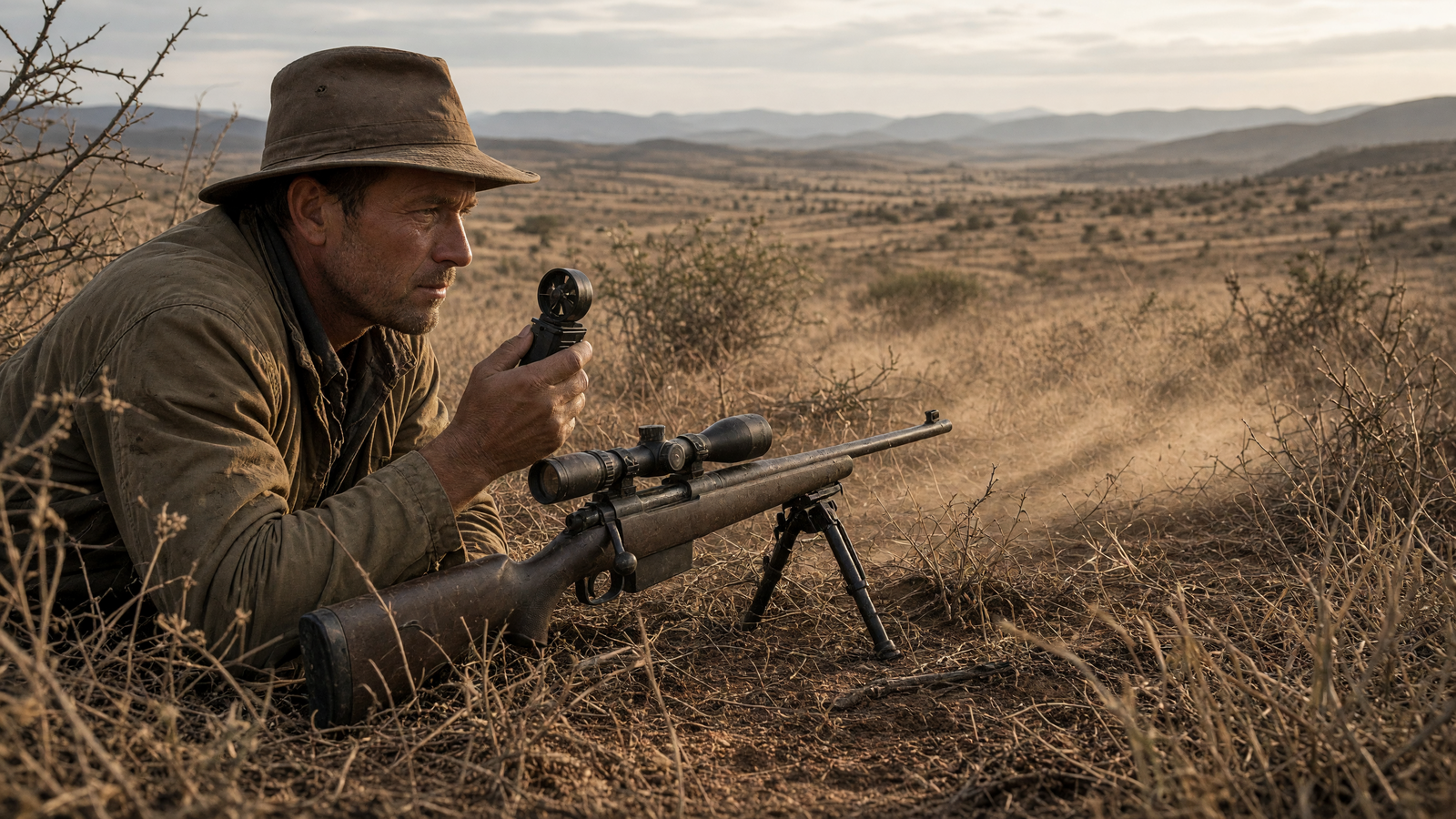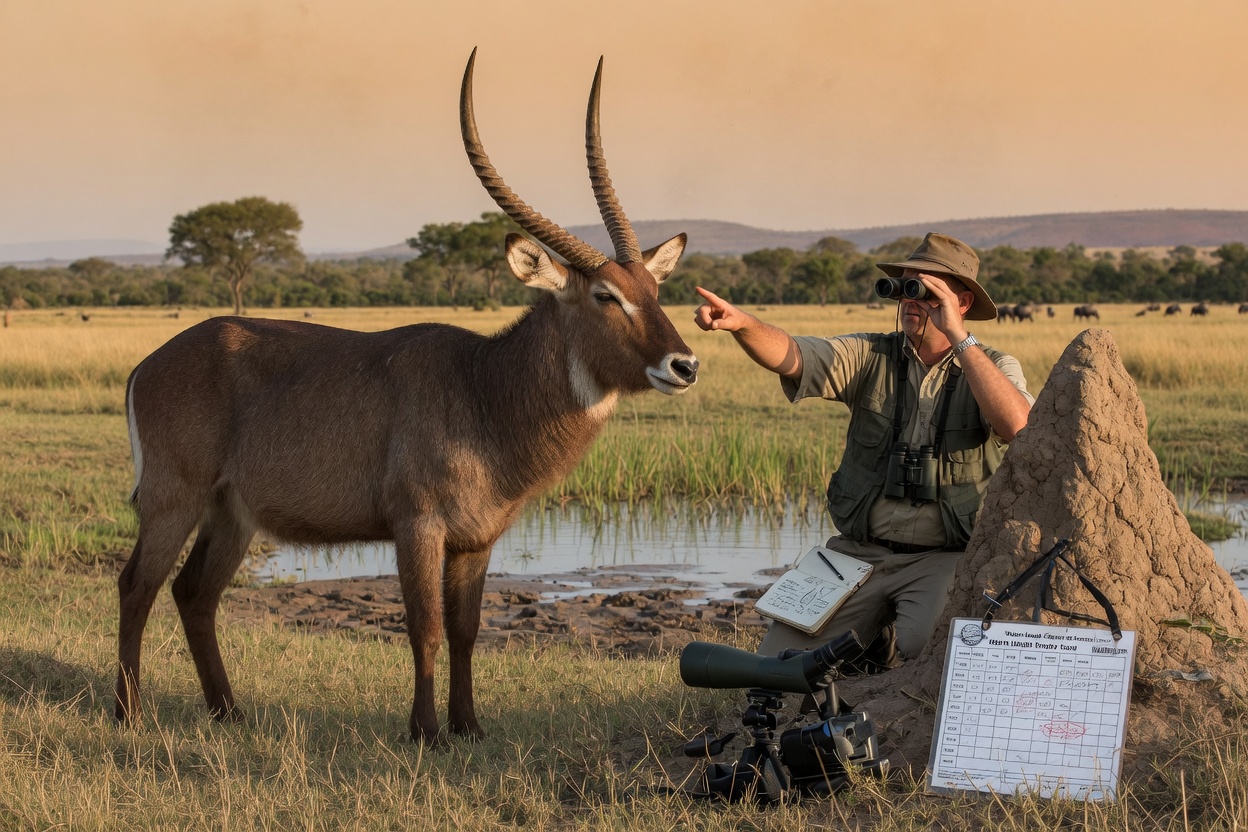
The crack of the rifle fades into the vast African bushveld, and suddenly the real work begins. That impala, kudu or warthog has vanished into a wall of mopane, acacia and tangled undergrowth that can hide a full-grown buffalo at ten paces. Tracking wounded game through dense bushveld is not just a skill. It is the hunter's highest ethical obligation. Every responsible sportsman knows that a clean kill is the goal, yet nature and human error mean some animals will run. Leaving them to suffer or become wasted protein violates the core of fair chase and conservation. Studies from African hunting associations consistently show that dedicated follow-up recovers the vast majority of wounded animals when hunters apply systematic methods rather than hope. This guide draws on decades of bushveld experience and current best practices to help you close every trail.
Preparation starts long before the trigger is pulled. Know your rifle, your load and the vital zone of every species you pursue. A well-placed heart-lung shot typically produces a short death run of 50 to 150 metres, while a gut shot may require hours of patient waiting. In the thick stuff of the Lowveld or Limpopo bushveld, visibility drops to a few metres, so mark your shooting position immediately with a bright hat or GPS waypoint. Note the exact direction the animal fled, the last glimpse of its gait and any immediate blood or hair at the impact site. Professional hunters in South Africa and Zimbabwe train their clients to freeze after the shot and observe for at least two minutes. That extra observation often reveals a second blood splash or a change in the animal's posture that later becomes the starting point of the track.
Reading sign is the heart of bushveld tracking. Blood tells the most honest story. Bright pink frothy blood mixed with bubbles points to a lung hit and usually a short trail. Dark red blood without froth often means a liver or muscle wound that may require more time. Greenish or brown material mixed with blood signals a paunch shot; those animals must be given four to six hours or they will run for kilometres. Look also for hair colour and length at the strike site. White belly hair on an impala or the coarse black mane of a wildebeest can confirm the hit location. Tracks themselves change when an animal is wounded. A healthy kudu walks with even, purposeful strides. A wounded one may drag a hoof, take shorter steps or favour one side, leaving scuff marks and broken twigs at an unnatural height. In dense bushveld the ground is often covered in leaf litter, so train your eyes to spot the slightest compression or overturned pebble.
Dense vegetation demands a different rhythm. Move slowly, scan in a cone from the last blood, and never walk on the trail itself. Use a tracking stick or simply a long branch to part grass without destroying sign. Local trackers, many of whom have grown up in these same thickets, remain the gold standard. Their ability to read a single displaced leaf or a faint scent on the wind is unmatched by any gadget. That said, modern tools have a place when used ethically. A handheld GPS lets you mark every blood spot so you can grid-search if the trail goes cold. Some professional outfits now employ trained blood-tracking dogs under strict regulations; these hounds excel in thick cover where human eyes fail, provided they are handled by experienced handlers who respect dangerous-game protocols. Thermal optics can help at last light but are useless in midday heat and are banned in many concessions. The best recent development is simply better education: more hunting schools now include dedicated tracking modules because wounding rates drop dramatically when hunters understand follow-up.
Safety cannot be overstated. Dense bushveld hides more than wounded plains game. A gut-shot buffalo or a wounded leopard can turn the tracker into the hunted. Always hunt with a backup rifle or a professional hunter who knows the area. Communicate constantly, stay within sight of your partner, and carry a first-aid kit plus a satellite communicator. Heat exhaustion is another silent threat; carry more water than you think you need and rest in whatever shade you can find. If the trail leads into a thicket too dangerous to enter on foot, back out, wait, and re-approach from a different angle or return at first light when the animal may have bedded.
Practical habits separate successful recoveries from lost animals. Give every shot the benefit of the doubt and start tracking only after the appropriate wait. If blood disappears, cast in expanding circles or walk parallel lines 20 metres apart. Look up as well as down; wounded animals often brush against branches at chest height, leaving hair or blood smears. Trust your gut but verify with evidence. Many experienced hunters report that the moment they feel like giving up is exactly when they find the next drop of blood. Keep a small notebook or phone log of each recovery: shot angle, wait time, blood type and distance. Over seasons this personal data becomes more valuable than any book.
Conservation sits at the centre of every track. A recovered animal feeds families, funds anti-poaching units and proves that regulated hunting remains a net positive for wildlife. Unrecovered wounded game does the opposite. Organisations such as the Professional Hunters' Association of South Africa emphasise that ethical tracking is non-negotiable for the future of the industry. When you close a difficult trail you are not just collecting a trophy; you are honouring the animal and the habitat that produced it.
The bushveld will always test you. Thorns will draw blood, heat will drain energy, and some trails will seem to vanish into thin air. Yet the hunter who refuses to quit, who reads the land with patience and respect, almost always finds what he seeks. That moment when you finally spot the downed animal lying still in a patch of shade is one of the most profound in all of hunting. It confirms that skill, ethics and persistence still matter.
Share your own bushveld tracking stories with fellow hunters. The more we talk openly about both successes and hard lessons, the better we all become. If you are planning an African hunt, choose an outfitter who values tracking as highly as shooting. The dense bushveld rewards those who come prepared to finish what they start.