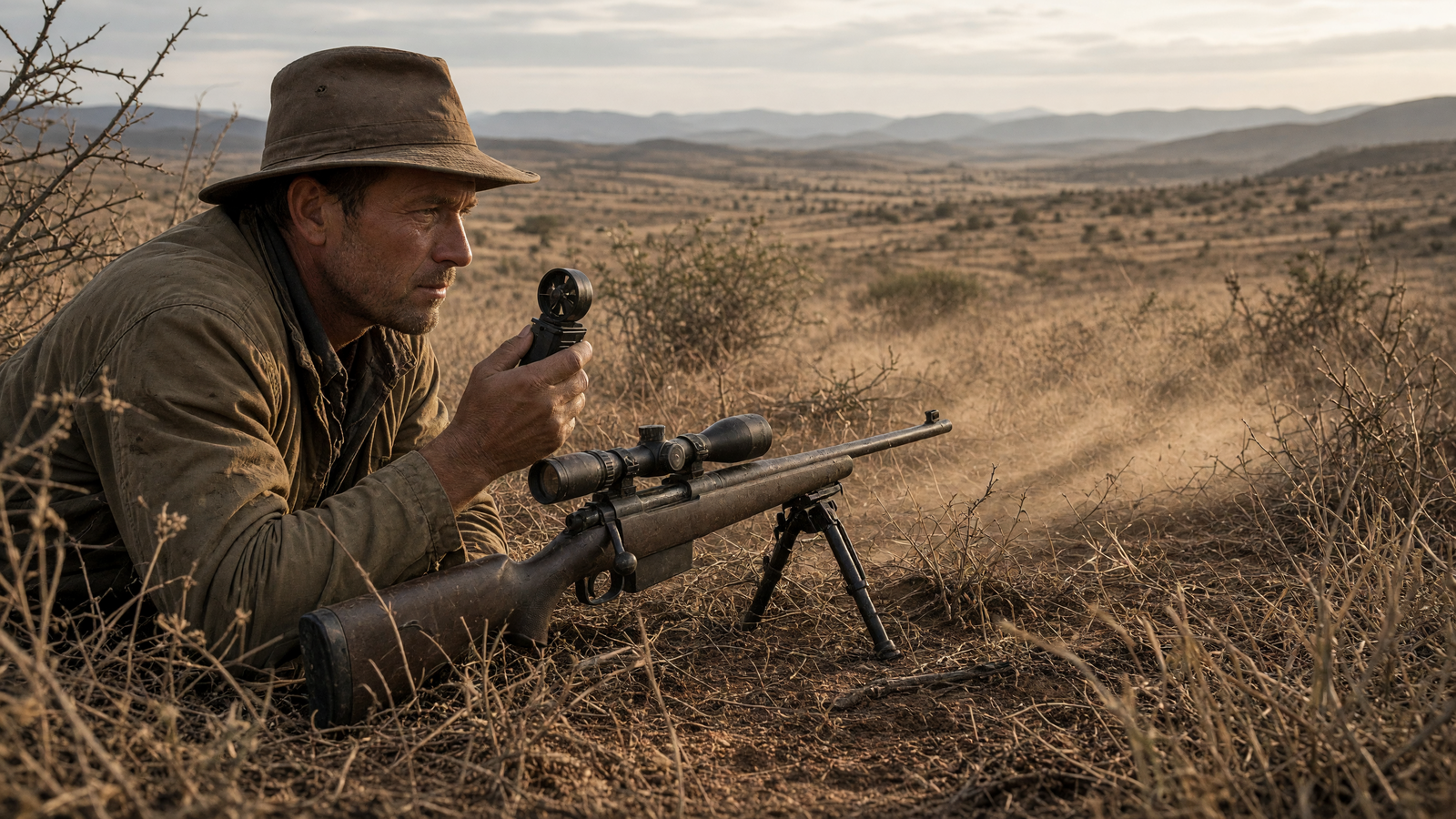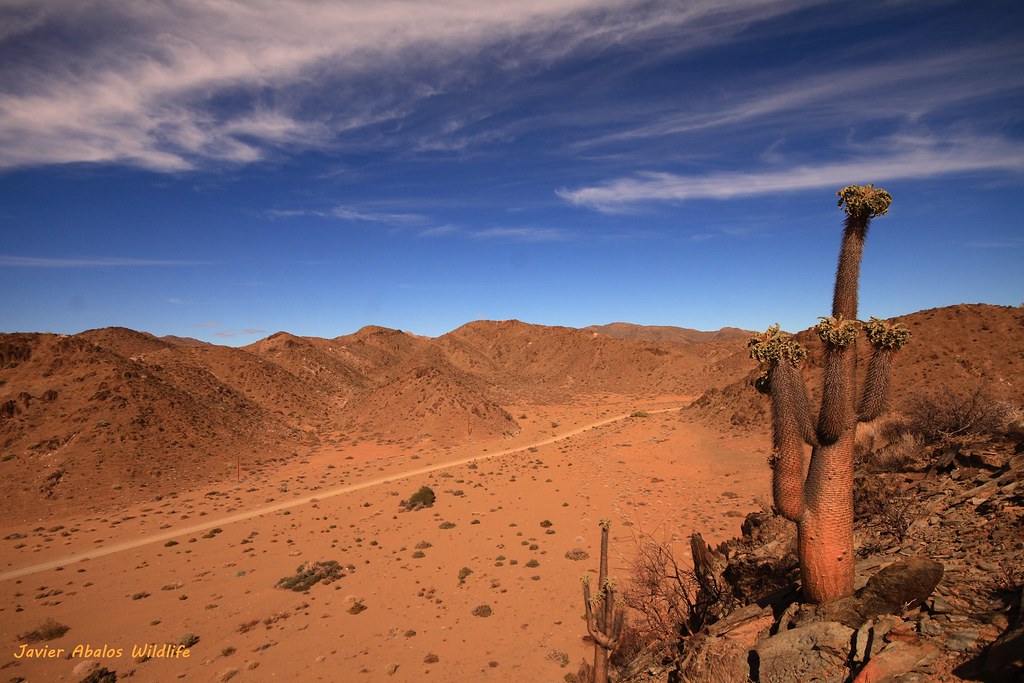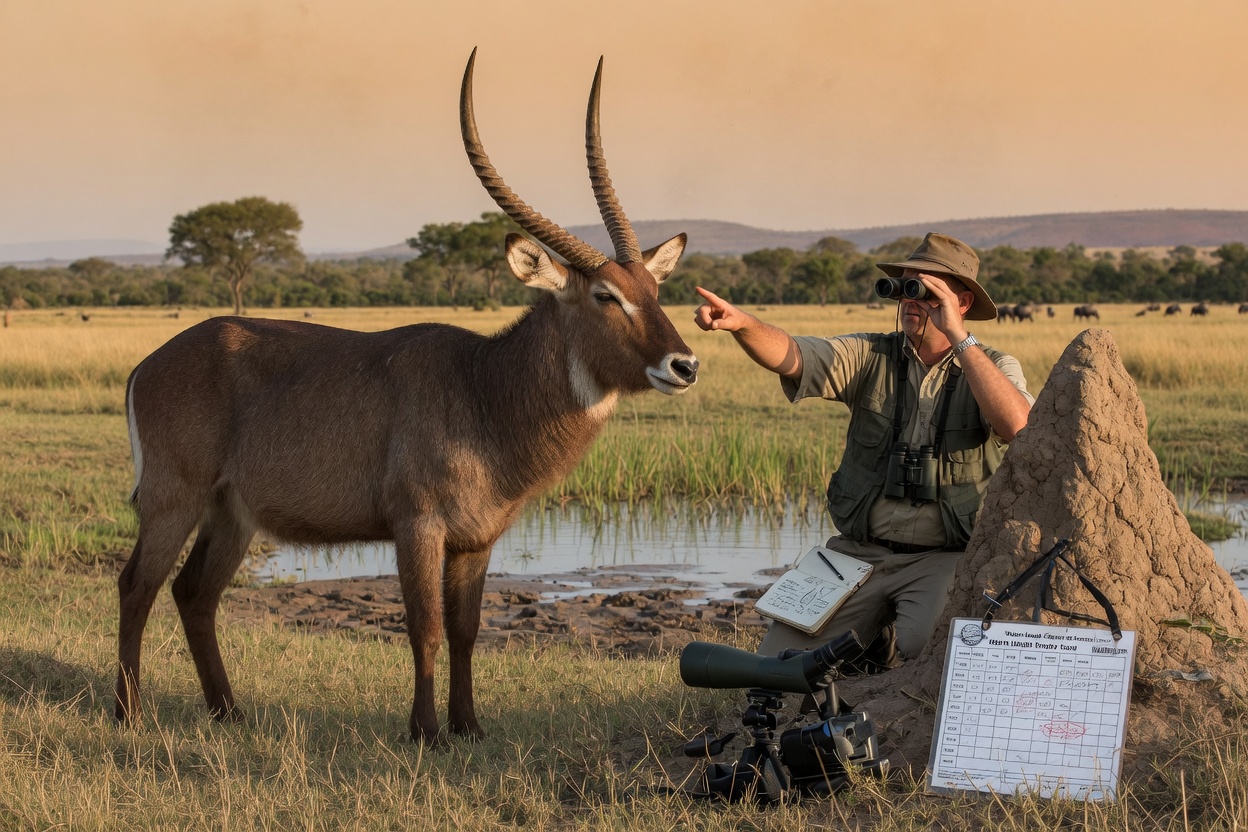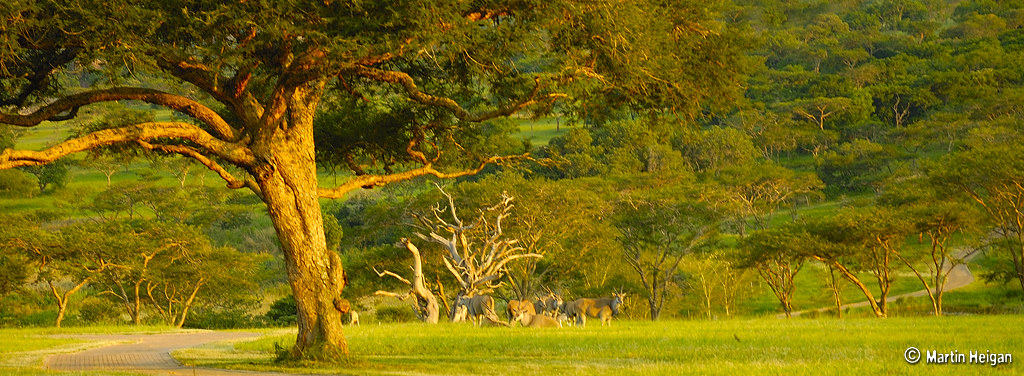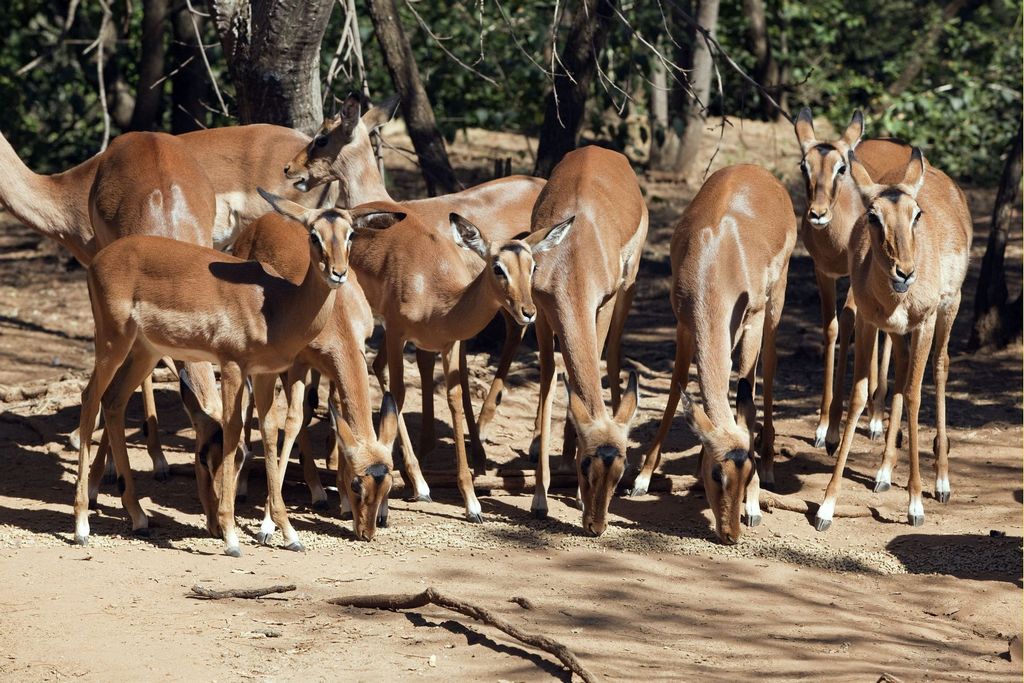
Success in hunting the plains, bushveld and deserts of southern Africa often comes down to reading the behavioural patterns of your quarry. Whether you are after kudu in the Limpopo bushveld, gemsbok across the Kalahari dunes, nyala in thick coastal bush, or buffalo in the Lowveld and Zambezi systems, each species carries habits shaped by terrain, season, water and hunting pressure. An attentive hunter who understands those habits can place himself in the right place at the right time instead of hoping for luck.
Feeding patterns sit at the centre of daily movement. Most of the region’s plains game and browsers are crepuscular, feeding heavily in the cool of dawn and again toward dusk when temperatures drop and visibility still favours them over certain predators. Impala and springbok graze open flats and short-grass pans in the early morning. Kudu, eland and nyala slip from thickets to browse leaves, shoots and pods as light builds. In the arid reaches of Namibia, the Kalahari and the Karoo, gemsbok and springbok time feeding around sparse vegetation and the moisture locked in plants such as tsamma melons. Seasonal shifts matter enormously. After good rains in the bushveld and Highveld, fresh green flush draws blue wildebeest, zebra and impala onto open ground. In the long dry months animals concentrate near remaining water, nutritious browse lines and mineral licks. Hunting pressure quickly pushes many species to feed later into the morning or to become more nocturnal around busy camps and road networks.
Movement corridors follow the path of least resistance and the pull of resources. Animals use well-worn game paths through mopane, acacia and combretum, drainage lines, the edges of thickets, and contour shelves on hillsides. In the Kalahari, gemsbok and springbok travel along ancient dune streets and around the rims of pans. In the Eastern Cape and Karoo, kudu and mountain reedbuck favour saddles between ridges and the leeward sides of slopes. Water is a powerful funnel in the dry season: warthog, impala, sable and buffalo visit dams, rivers and natural pans on circuits that become readable after a few days of observation, though mature animals often approach from downwind cover or at odd hours. Local shifts still occur even without classic long-distance migration. Wildebeest and zebra in parts of Botswana and Namibia track grass quality, while eland may cover large distances between feeding benches and then reappear on familiar ground when conditions improve.
Bedding and resting behaviour is driven by security, comfort and thermoregulation. Kudu and nyala bed in dense riverine thickets, on shaded mid-slopes or against dark termite mounds where they can watch approaches and bolt into cover. Gemsbok often rest in relatively open Kalahari country with a wide field of view, trusting eyesight and raw speed. Warthogs use burrows or heavy bush, commonly facing into the breeze so scent brings warning. Buffalo herds loaf in wallows, under heavy jackalberry or sycamore shade, or on open vleis during the heat of Lowveld days; old dagga boys may choose more predictable shady thickets near water. Wind direction is critical. Animals bed where they can smell what they cannot see, and escape routes are almost never an afterthought—beds are rarely placed in dead-end corners.
Seasonal variations reshape the entire picture. In spring and early summer, with the first rains, many antelope focus on new growth and, for females, the demands of lambs and calves. Impala rams begin holding territories ahead of the rut. Summer heat across the bushveld, Lowveld and northern Namibia compresses activity into the early and late hours; water and deep shade dominate decision-making. Rut periods are especially productive for hunters. Kudu bulls become more visible as they search for cows, impala rams roar and fight on their stamping grounds, and sable and roan show increased daylight movement along woodland edges. In the cooler dry winter of the Highveld, Karoo and much of Namibia, animals concentrate on remaining forage and reliable water, making all-day glassing effective, while energy conservation reduces aimless wandering. Winter also improves tracking in Kalahari sand and dusty bush roads.
Weather exerts fine daily control. A falling barometer ahead of a front often increases feeding urgency. Strong wind makes game nervous and can push them into leeward thickets; used correctly it also covers a careful approach. Light rain freshens tracks and can extend feeding bouts on washed vegetation. Extreme heat shuts down midday movement almost completely in the Lowveld and middle Zambezi valley. Cold snaps on the Highveld or in the Karoo may delay morning activity until the sun warms the flats and animals leave overnight beds.
Human pressure teaches game quickly. On heavily hunted concessions and freehold farms, impala and warthog shift toward night feeding, kudu hold tighter to sanctuary thickets and private boundaries, and buffalo learn to avoid vehicle tracks, known glassing knolls and repeatedly used waterholes during legal shooting hours. Animals increase their use of security cover—dense jesse, rocky outcrops, reed beds and broken ground. The hunter who rotates approaches, avoids announcing presence with the same routine every day, and reads fresh sign rather than last week’s habits stays ahead of this adaptation. Working with a professional outfitter who knows the specific property, its water points and its pressure history is the fastest way to shorten the learning curve.
Species-specific knowledge turns general principles into concrete plans. Kudu are predominantly browsers with strong preferences for certain bushes and a well-known habit of pausing to look back along their own trail. Gemsbok are desert-adapted athletes capable of long periods without free water, feeding on succulents and moving with purpose across open ground at first and last light. Buffalo rely on herd security and long memory of danger spots; dagga boys often settle into tighter patterns around shade and water once separated from the breeding herds. Sable favour the ecotone between woodland and grassland. Warthog family groups reuse the same burrow complexes and feeding lawns. Eland can appear nomadic yet return to favoured feeding shelves when the browse is right. Match method to animal and biome: glass open country and dune streets for springbok and gemsbok at dawn, still-hunt or sit quietly near thickets and drainage lines for nyala and bushbuck, and track or carefully ambush buffalo where the law and the outfitter’s protocol allow.
Local regulations and seasons determine when these patterns can be exploited. Hunting seasons, bag limits and methods differ across South Africa’s provinces, Namibia’s freehold farms and communal conservancies, Botswana’s concession areas, and the safari areas and communal lands of Zimbabwe, Zambia and Mozambique. Night shooting is restricted or prohibited for many species; professional hunters and clients must know the exact permit conditions for the area. Understanding how a wounded animal is likely to behave—kudu climbing into cover, warthog making for a hole, buffalo circling into the wind—also improves ethical recovery.
By internalising feeding windows, travel routes, bedding logic, seasonal ruts and dry-season concentrations, weather responses and the way hunting pressure rewrites the script, you stop hunting randomly and start hunting where the animal already wants to be. Study fresh tracks, droppings, feeding sign and wind every day. Trust the knowledge of a good local outfitter and professional hunter. That combination, applied from the Kalahari and Namib fringes through the Limpopo bushveld, Eastern Cape thickets, Karoo plains and Lowveld savanna, is what consistently turns understanding into success.