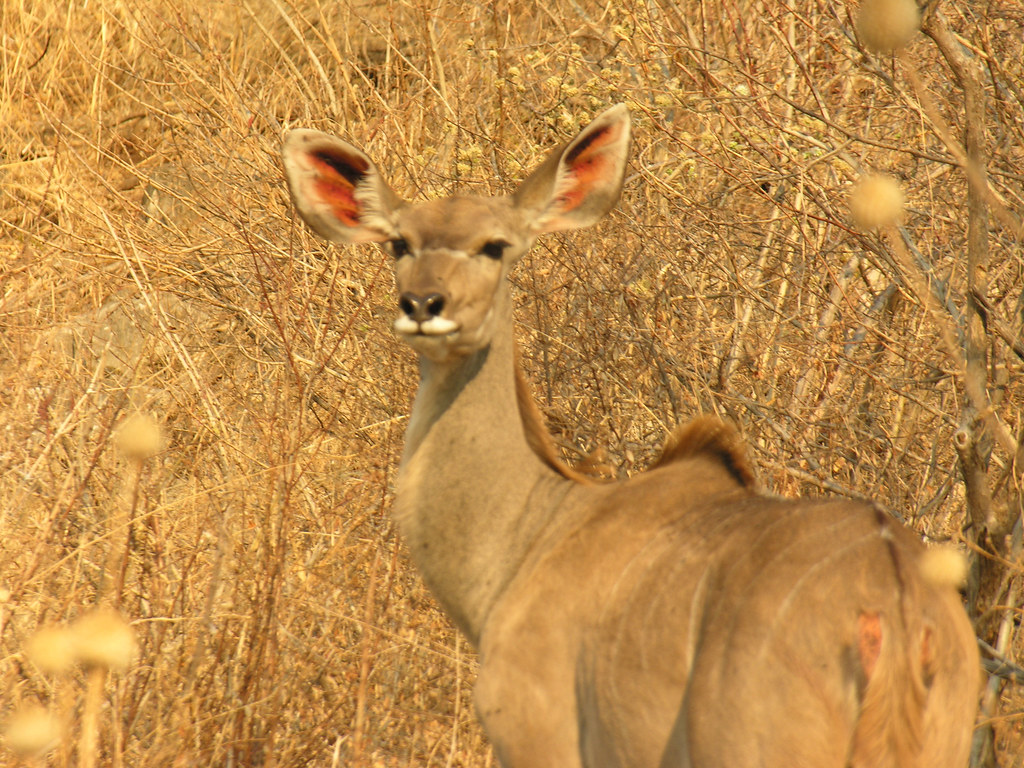
Planning your first African safari for mixed plains game is one of the most exciting steps a hunter can take. The variety is incredible. One day you might be after a wary impala or springbok, the next a big kudu bull, zebra, wildebeest or even an eland that can weigh close to a ton. The challenge for beginners is finding one rifle and caliber that can handle this entire range ethically and effectively without needing to switch guns. That is where a true all-round caliber shines.
A mixed plains game hunt typically covers animals from around 40 pounds up to 2,000 pounds. Your chosen cartridge needs enough energy and penetration for the largest species while remaining accurate and comfortable enough to shoot well on smaller ones. Recoil matters a great deal for new hunters. So does ammunition availability once you arrive in Africa. Bullet construction is equally important. Premium controlled-expansion or monolithic bullets such as Barnes TSX, Swift A-Frame or Nosler Partition make a bigger difference than raw caliber size.
Several proven options stand out after decades of use by professional hunters and visiting sportsmen. The .30-06 Springfield remains one of the most trusted all-rounders. A 180-grain premium bullet launched at roughly 2,700 feet per second delivers about 2,900 foot-pounds of energy at the muzzle and still carries well over 1,800 foot-pounds at 300 yards. That is more than enough for any plains animal when shot placement is solid. Recoil is moderate, around 20 foot-pounds in a typical 8-pound rifle, so most beginners can practice extensively and stay accurate. Ammunition is available almost everywhere in southern Africa. Many professional hunters still consider the .30-06 the gold standard for mixed bags because it simply works.
The .300 Winchester Magnum steps up the power. The same 180-grain bullet leaves the muzzle closer to 2,960 feet per second and retains more energy downrange, especially in wind. This extra margin is welcome on larger animals such as eland or big gemsbok at longer distances. Recoil increases to the mid-20s or low-30s depending on rifle weight, so a good recoil pad and plenty of practice become essential. It remains a favorite among hunters who want one rifle that covers everything from springbok to eland with authority. Modern loads and better bullets have only improved its already excellent reputation.
The 7mm Remington Magnum offers a compelling middle ground. A 160- or 175-grain bullet with a high ballistic coefficient flies flatter than most .30-caliber options and produces less recoil than the .300 Winchester Magnum. Energy levels stay well above what is needed for ethical harvests on all typical plains game. Many hunters find they can shoot it more accurately under field conditions because of the milder kick. It has taken countless mixed bags across Africa and remains a smart choice for those who value trajectory and shootability.
The .308 Winchester deserves mention for hunters who prefer a shorter action or slightly less recoil. Ballistics are close to the .30-06 with 165- or 180-grain bullets. It is compact, widely available and highly accurate. While some professional hunters prefer a bit more horsepower for the very largest plains animals, thousands of successful mixed hunts have been completed with a well-placed .308 using quality bullets. It is an excellent option if you already own one or want something milder for practice.
Newer cartridges such as the 6.5 Creedmoor have gained popularity in recent years thanks to low recoil and excellent long-range ballistics. With heavy 140- to 156-grain premium bullets it can handle most plains game, and some hunters have taken eland with it. However, many African professional hunters still recommend something with more sectional density and energy for mixed bags that include larger species. For beginners it is often wiser to start with a more established .30-caliber or 7mm option that has a longer track record on the continent.
Bullet choice cannot be overstated. Cheap cup-and-core ammunition that works fine on North American deer can fail on tough African animals. Spend the extra money on bonded or solid-copper bullets designed for deep penetration and weight retention. Practice with the exact load you will hunt with. Learn to shoot from shooting sticks, which are standard in Africa, and from sitting or kneeling positions. Most shots on plains game occur between 100 and 250 yards, but you should be comfortable to 300 if conditions allow.
Recoil management is another key for beginners. A well-fitted rifle with a good pad, perhaps a muzzle brake if you can tolerate the extra noise, and a quality scope make a huge difference. Spend time at the range until the rifle feels like an extension of yourself. Ethical hunting demands that you can place the first shot precisely in the vitals every time.
Hunting ethics and conservation go hand in hand on the African plains. Legal, well-regulated hunting generates significant revenue that supports anti-poaching efforts, habitat protection and community programs. Choosing an adequate caliber and making clean, one-shot kills is part of that responsibility. Always follow your professional hunter’s advice on shot opportunities. They know the animals and the terrain far better than any visitor. Never take a risky shot just because the animal is on your list.
When you arrive in camp, confirm your zero and listen to the PH. Conditions such as heat, dust and the need for quick follow-up shots can change how a rifle feels. Keep extra ammunition and a cleaning kit handy. A simple, reliable bolt-action rifle in one of the calibers discussed here, topped with a durable 3-9x or 4-12x scope, will serve you well.
There is no single perfect cartridge, but the .30-06, .300 Winchester Magnum and 7mm Remington Magnum have proven themselves over generations of mixed plains game hunts. They offer the right balance of power, availability and shootability for most beginners. Pair any of them with premium bullets, thorough practice and a commitment to ethical hunting and you will have a memorable, responsible safari.
Start preparing now. Choose your caliber, get quality ammunition, and put in the range time. The African bush rewards those who arrive ready. If you have questions about specific loads or rifle setups, drop a comment below or reach out. We are always happy to help fellow hunters plan an ethical adventure that also supports wildlife conservation.