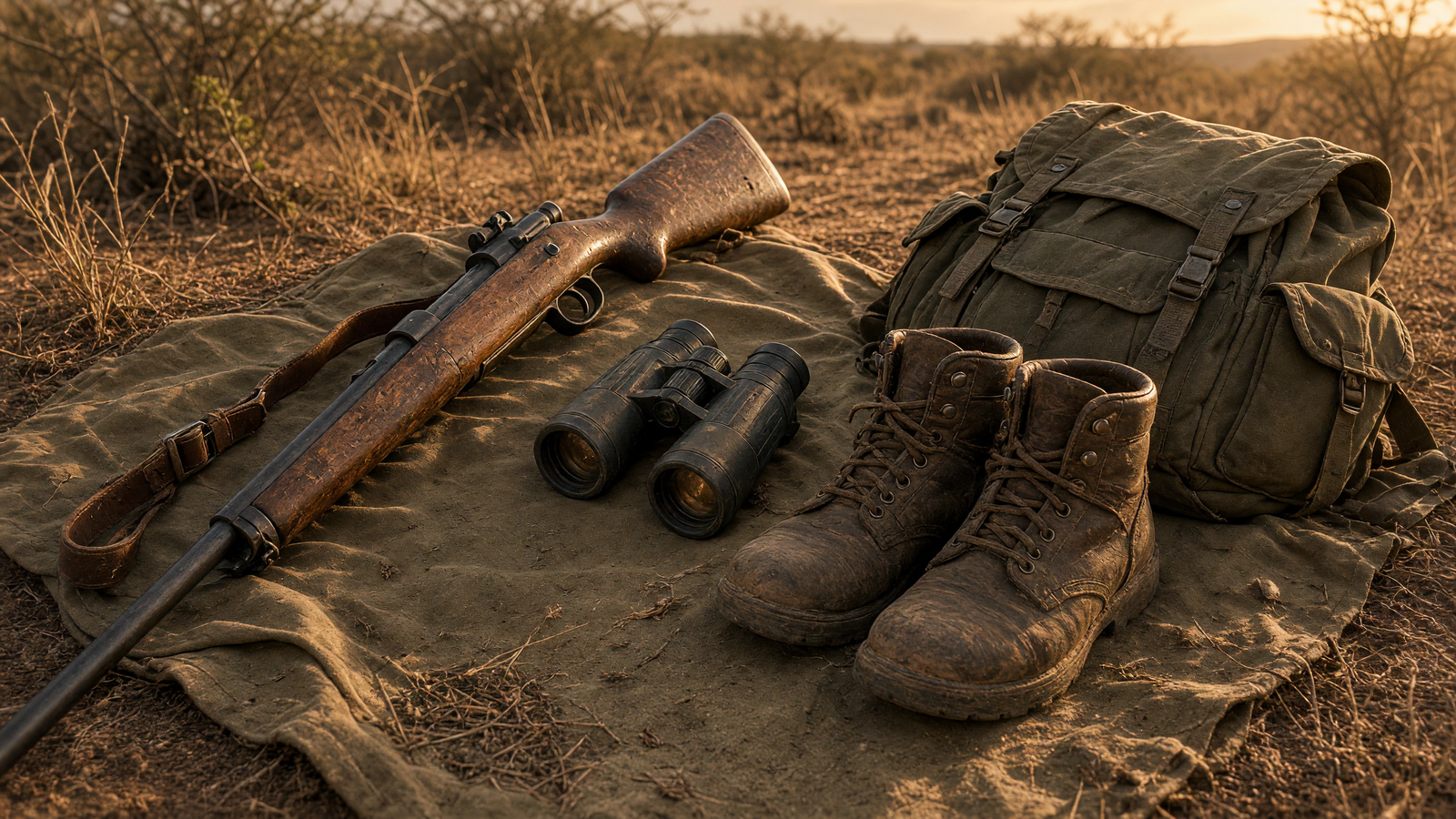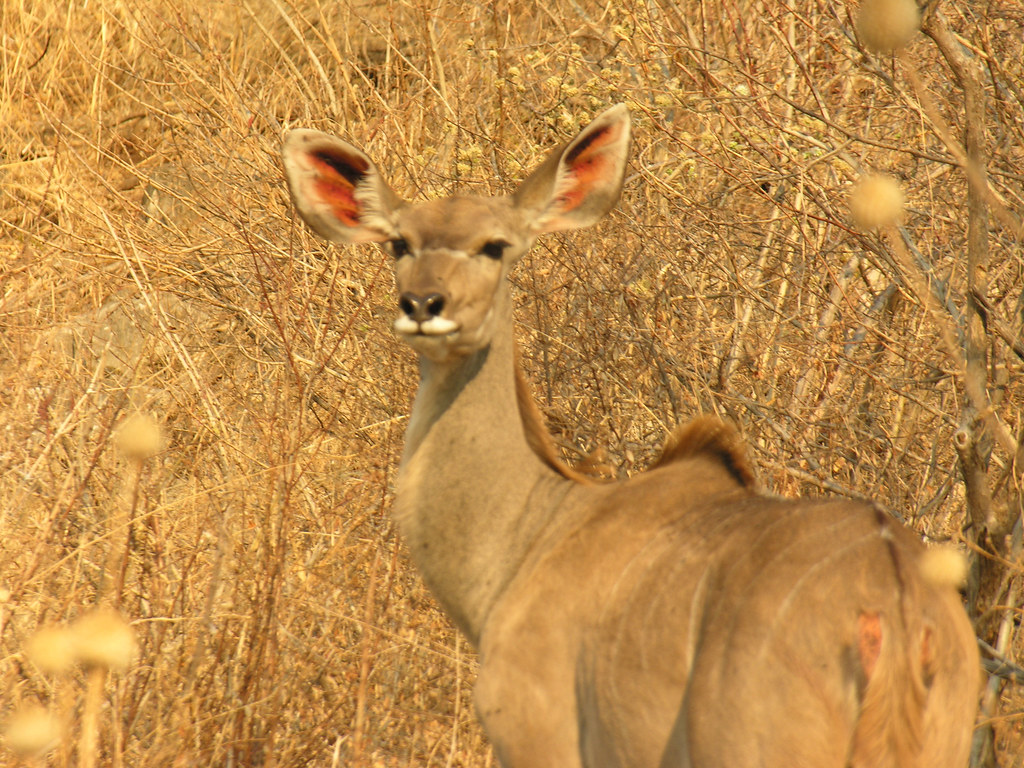
The Kalahari Desert spans Botswana, Namibia, and South Africa and delivers one of Africa's most distinctive hunting experiences. Vast red sand dunes, open pans, and thornveld hold gemsbok, springbok, kudu, and other plains game. The same landscape that makes the hunt special also tests every piece of gear you carry. Fine abrasive sand works its way into everything, daytime temperatures regularly climb past 35 degrees Celsius, and winter nights can drop close to freezing. The right boots and a smart layering system keep you mobile, focused, and capable of making clean, ethical shots instead of fighting blisters and chills.
Sand in the Kalahari is unlike typical forest or mountain dirt. It is extremely fine and dry. It pours into low-cut shoes, grinds against skin, and quickly wears out poor materials. Combined with long daily walks that often exceed ten kilometres while tracking or glassing, footwear becomes the single most important item after your rifle. Heavy traditional hunting boots that work well in Montana or the Scottish Highlands become a liability here. You need something lighter, better sealed against sand, and still supportive on shifting dunes and hard-baked calcrete.
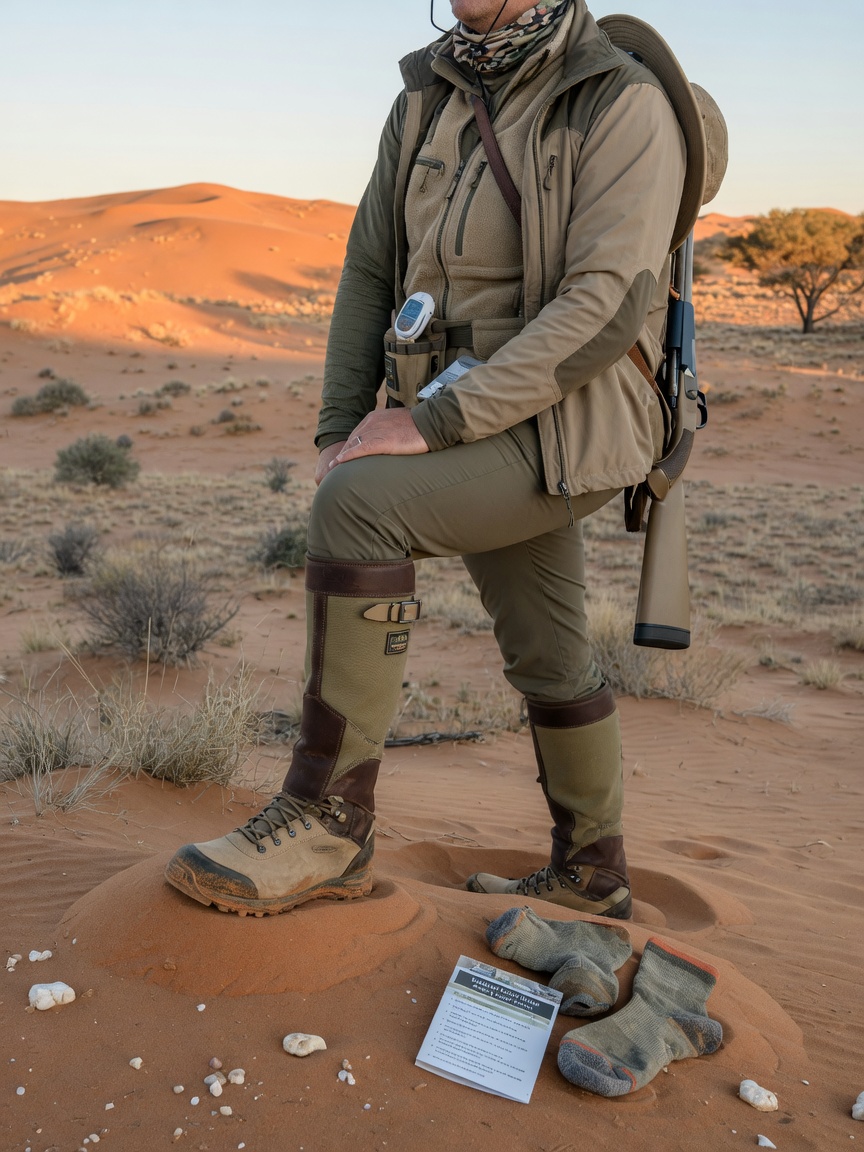
Look for mid-height boots in the six-to-eight-inch range. A gusseted tongue and a well-designed collar help keep sand out. Pair them with quality gaiters that seal over the boot top and under the pant cuff. The sole should have moderate lugs rather than aggressive mountain treads that collect sand and add weight. Breathable synthetic uppers or treated leather that resists abrasion work best. Many professional hunters now favour models from Danner, Meindl, Lowa, and Salomon that have been refined for African conditions. Recent improvements include lighter composite midsoles, better ventilation panels that still block dust, and linings that dry faster after a long day. Whatever you choose, break the boots in thoroughly at home. A blister in the middle of a Kalahari concession can end a hunt.
Socks matter as much as the boots. Merino wool in a medium cushion weight wicks moisture, resists odour, and provides just enough padding without overheating. Carry at least three pairs and change them whenever you stop for a long glassing session. A light dusting of foot powder each morning reduces friction. After the hunt, knock every grain of sand out of the boots, stuff them with newspaper, and let them dry slowly. Sand left inside will destroy the lining and midsole faster than any other factor.
Layering follows the same logic of adaptability. The Kalahari's temperature swing is extreme. A system that works at 6 a.m. when frost is on the grass must still function at 2 p.m. when the sand radiates heat. Start with a lightweight merino or high-quality synthetic base layer, both top and bottom. One-hundred-fifty-weight merino regulates temperature better than almost anything else and stays comfortable even when you sweat. Over that, add a light fleece or merino mid-layer that you can shed the moment the sun climbs. The outer piece should be a breathable softshell or wind shirt in a sand or khaki colour. It blocks the constant breeze on the pans without trapping heat. For the coldest nights around the fire or the first hour of a morning sit, pack a compressible synthetic or down jacket that stuffs into its own pocket.
Sun protection is non-negotiable. Long sleeves with a high UPF rating, a wide-brimmed hat, and a simple neck gaiter prevent burns that sap energy and concentration. Earth tones that match the Kalahari's palette help you disappear against the dunes and grass. Avoid heavy camouflage patterns that look out of place in open country. The entire system should be easy to adjust on the move. You will add and remove layers several times a day.
A few field-proven habits make the gear work even better. Keep a small stuff sack of spare socks and a spare base layer inside your daypack, sealed against sand. Use a buff or light scarf to wipe sweat and keep grit off your neck. Stay ahead of hydration; the dry air and constant walking increase fluid loss even when you do not feel thirsty. Comfort directly supports ethical hunting. A hunter who is not fighting sore feet or overheating can wait for the right angle, take the extra time to confirm the animal, and make a precise shot. Fatigue leads to rushed decisions that none of us want.
Hunting in the Kalahari also carries a conservation responsibility. Licence fees and concession payments fund anti-poaching units, water-point maintenance, and community programmes that give wildlife a value beyond tourism. Showing up properly equipped lets you participate fully in that system rather than cutting a hunt short because of preventable discomfort. Choose operators who demonstrate genuine commitment to habitat and local communities.
The combination of the right boots, gaiters, merino layers, and a few simple habits turns the Kalahari from an endurance test into a hunt you will remember for the right reasons. You will cover more ground, stay sharper behind the glass, and leave the field knowing you hunted well. Pack light, pack smart, and respect both the animals and the land that support this remarkable hunting tradition.
If you have hunted the Kalahari, share the boots and layers that worked for you. Your experience helps the next hunter prepare better. Check our other gear and destination articles for more detailed reviews and planning advice. Hunt hard, hunt ethically, and take care of the country that gives us these opportunities.