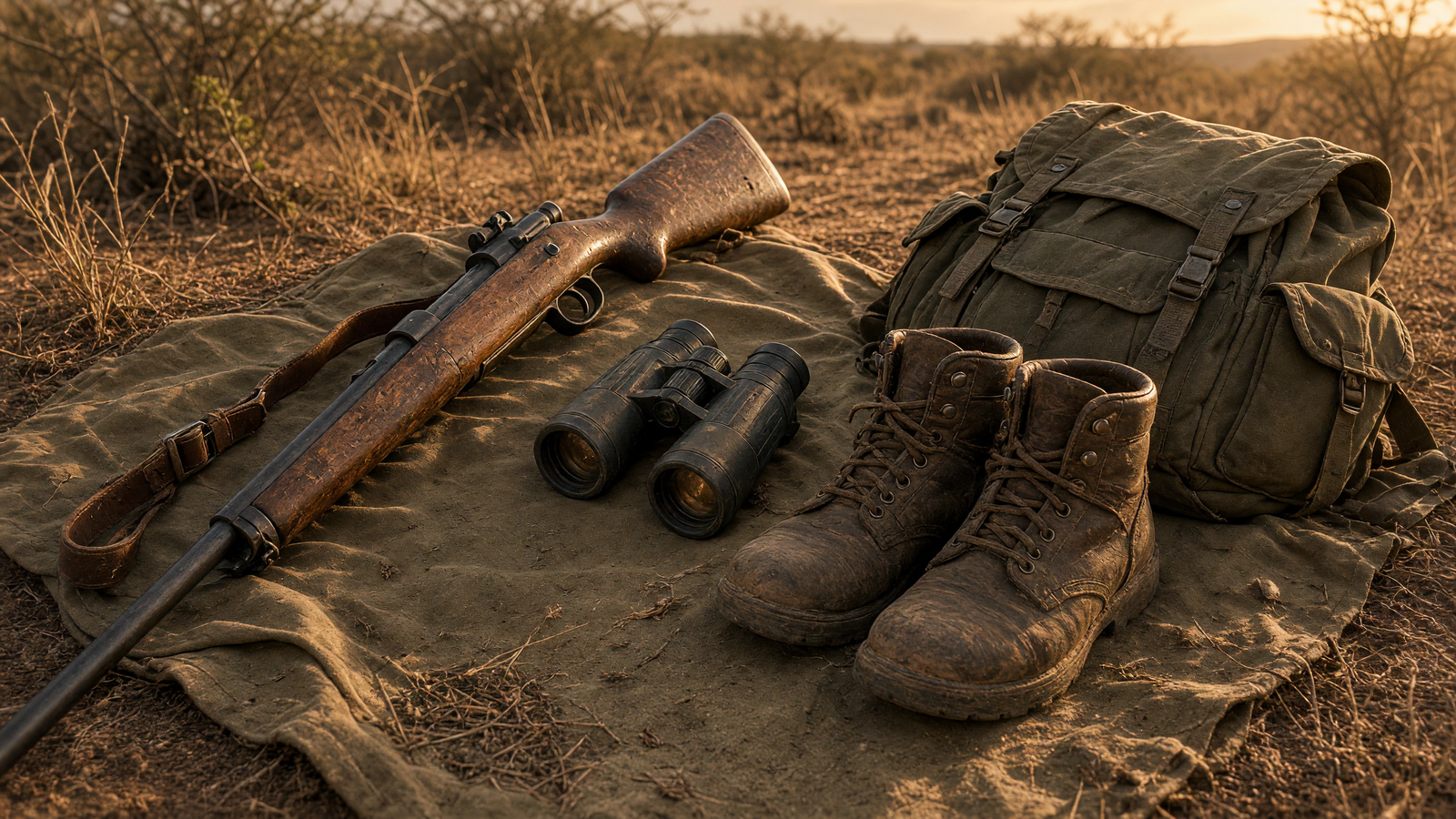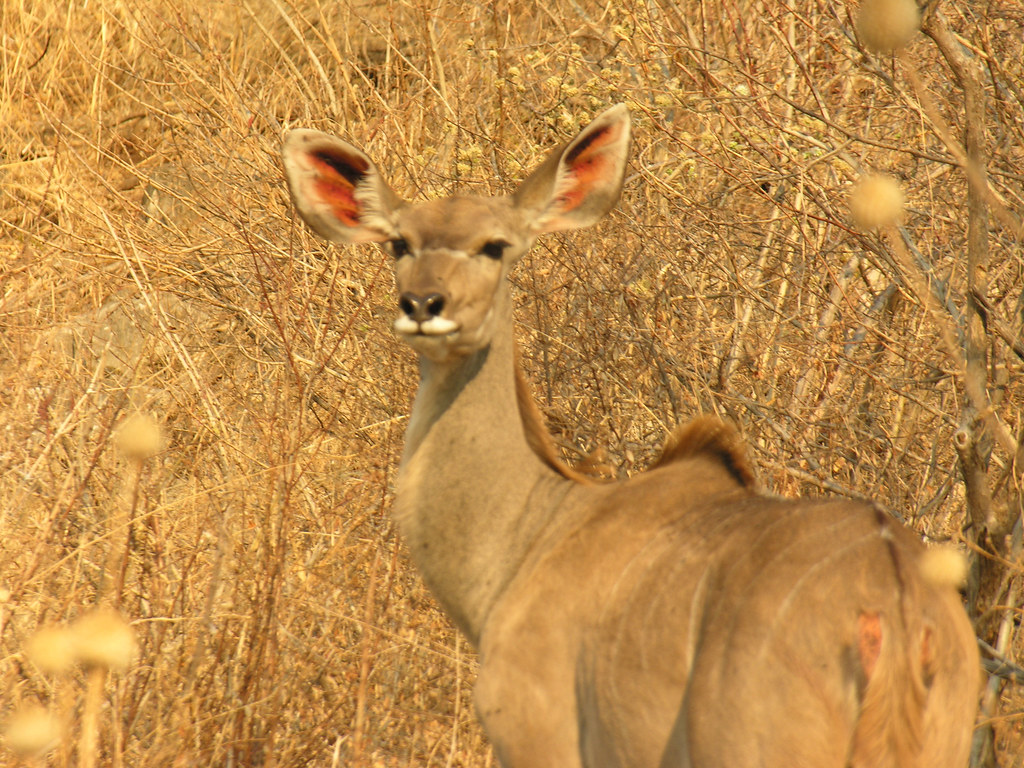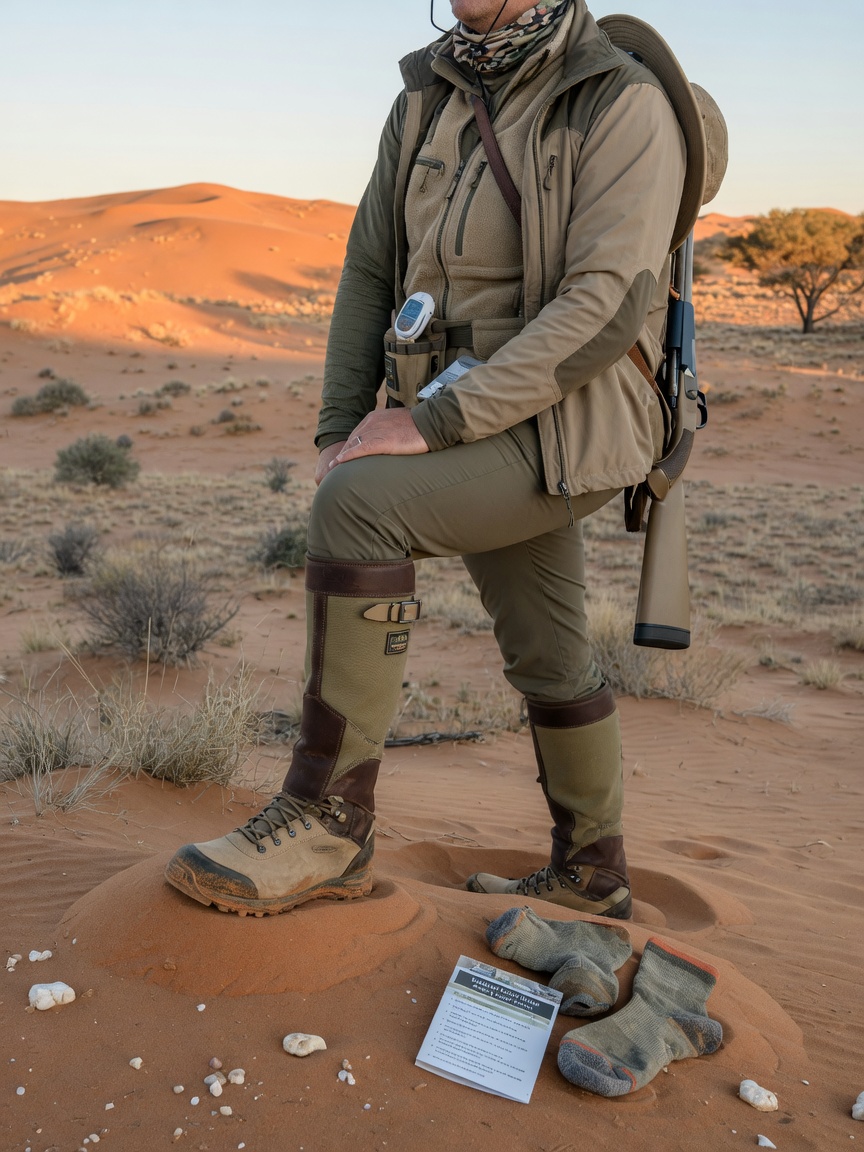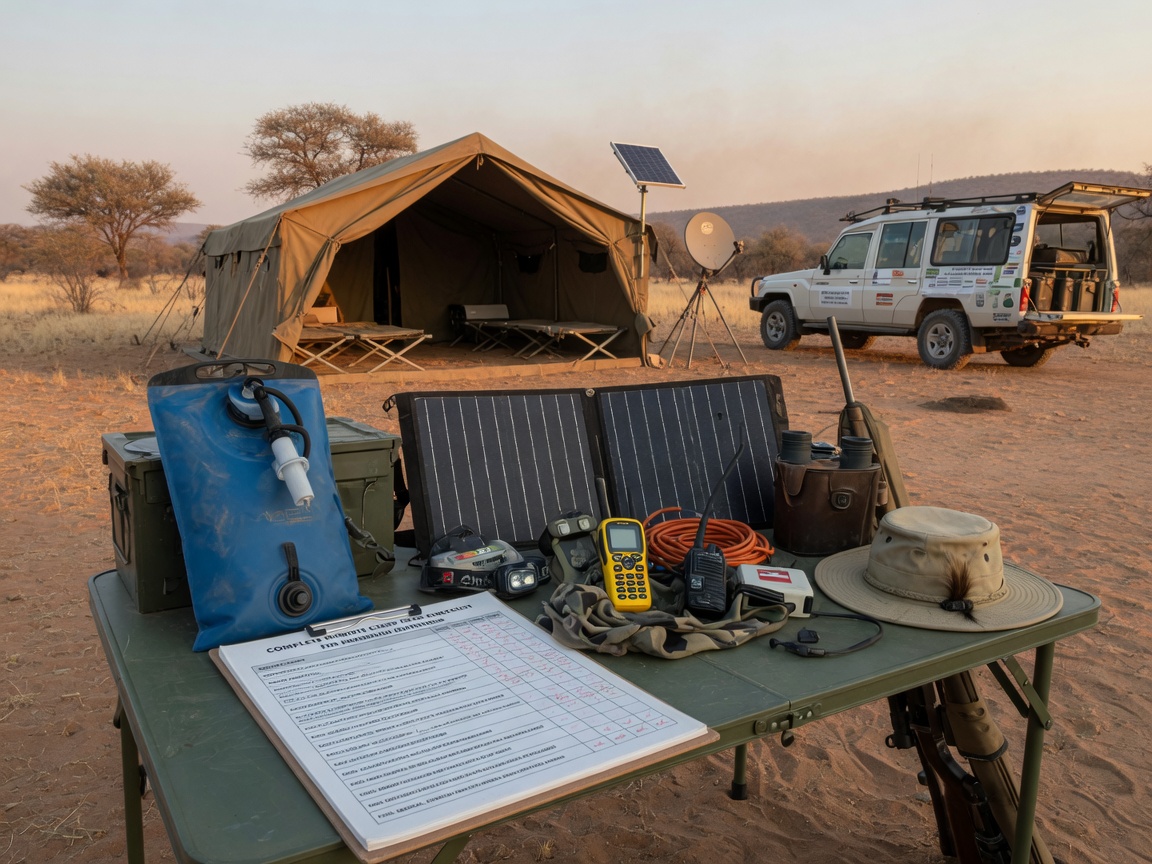
Namibia stands as one of Africa's premier hunting destinations, where vast conservancies and freehold lands host desert-adapted elephants, oryx, kudu and unique plains game against backdrops of ancient dunes and rugged escarpments. For outfitters, the real test comes not just in the hunt but in establishing reliable remote camps far from infrastructure. These fly camps or seasonal outposts must withstand 40-degree Celsius days, near-freezing nights, relentless dust and chronic water scarcity while delivering the comfort and safety clients expect. Proper gear selection directly impacts client satisfaction, staff welfare, operational costs and, most importantly, your ability to hunt ethically and support Namibia's renowned community conservancy model, where hunting revenues fund anti-poaching and habitat protection.
A poorly equipped camp can turn a once-in-a-lifetime safari into a logistical nightmare or, worse, a safety incident. Drawing on current best practices and recent technological advances, this checklist focuses on proven, field-tested equipment that outfitters actually use in Namibia's Kunene, Erongo and Kalahari regions. Prioritize durability, dust resistance, heat tolerance and low environmental impact. Test everything before the season starts and maintain detailed inventories both digitally and on paper.
Water remains the single most critical factor. Namibia ranks among the world's driest countries, with many hunting concessions receiving under 250 millimetres of annual rainfall and experiencing multi-year droughts. Remote camps typically rely on boreholes, seasonal pans or hauled water, so robust storage and purification systems are non-negotiable. Invest in food-grade polyethylene tanks of 1,000 to 5,000 litres capacity, preferably UV-stabilized and fitted with shade cloth to reduce evaporation and algae growth. Pair these with multi-stage purification: sediment pre-filters, ceramic or hollow-fibre membranes rated for bacteria and protozoa, and a UV sterilizer or chemical backup such as chlorine dioxide. Gravity-fed systems like large Berkey or similar commercial units work well for groups of eight to twelve. Carry portable testers for pH, turbidity and coliforms, and always have a 20-litre-per-person emergency reserve. Collapsible jerry cans and drip-irrigation style distribution reduce waste. Train staff to monitor usage daily; simple habits like using grey water for dust suppression stretch supplies during dry spells. Recent portable atmospheric water generators have appeared on the market but remain power-hungry and best viewed as supplements rather than primaries in truly arid zones.
Power generation has transformed remote operations. Solar arrays now dominate because diesel generators are noisy, fuel-intensive and contrary to the quiet wilderness experience clients pay for. High-efficiency monocrystalline panels, preferably foldable or briefly mounted on vehicle roofs, paired with lithium iron phosphate batteries, handle Namibia's intense sun and high temperatures far better than older lead-acid setups. A 2-3 kWh lithium bank with a 2,000-watt inverter typically covers lighting, comms, a 12-volt fridge-freezer and device charging for a small camp. Look for units with built-in MPPT controllers and Bluetooth monitoring so you can track performance from your phone. LED lighting throughout, including motion-sensor perimeter lights, keeps consumption low. Keep a compact inverter generator as emergency backup only, stored with stabilizer and extra fuel in approved containers. Dust-proof all connections with dielectric grease and enclosures. Many outfitters now report that modern solar kits pay for themselves within two seasons through reduced fuel runs.
Communication and navigation close the isolation gap that once defined Namibian bush camps. Dual satellite systems provide redundancy: an Iridium or Inmarsat phone for voice and a Garmin inReach or similar two-way messenger for texts and SOS. The recent expansion of Starlink service across southern Africa has been a genuine game-changer; a Mini or Standard kit with a portable dish now delivers usable internet for weather updates, client emails, digital mapping and even video calls with medical advisors. Mount it on a short mast or vehicle for line-of-sight. Complement this with VHF/UHF radios for camp-to-vehicle traffic, handheld GPS units loaded with concession boundaries and offline maps, plus traditional compass and paper maps as fail-safes. Program emergency numbers for medevac services such as those operating out of Windhoek or Swakopmund, and conduct weekly comms checks. Reliable comms also let you coordinate with conservancy rangers, reinforcing the collaborative conservation ethos that underpins legal hunting in Namibia.
Food storage and camp kitchen gear must combat heat and dust equally. Compressor-driven 12-volt or dual-voltage fridge-freezers from reputable makers maintain consistent temperatures even when ambient readings exceed 40 degrees. Insulate them further with reflective covers and park them in shade. High-quality rotomolded coolers handle overflow and beverages. Cooking typically relies on propane or butane stoves with windscreens; carry spare regulators and hoses because dust destroys fittings. A simple but sturdy prep table, wash station with foot-pump water and a dedicated grey-water sump complete the setup. Plan menus around long-life staples supplemented by fresh produce brought in on resupply runs. Strict hygiene protocols, including separate cutting boards and regular bleach washes, prevent the gastrointestinal issues that can ruin a hunt. All waste, especially food scraps, must be secured against jackals, hyenas and opportunistic baboons.
Medical preparedness and camp security deserve equal attention. Stock a comprehensive trauma kit that includes tourniquets, haemostatic gauze, chest seals and a full range of medications for heat illness, dehydration, allergic reactions and common infections. Namibia hosts several venomous snakes, so include pressure-immobilization bandages and know the nearest facility that stocks antivenom. A satellite-linked emergency beacon or the SOS function on your messenger device is essential. Fire risk is high in the dry season; keep ABC extinguishers, a dedicated water pump and cleared firebreaks around the camp. In areas with elephant or lion activity, consider a portable electric fence or at least motion-activated lights and a designated night-watch protocol. Vehicle recovery gear belongs on every 4x4: winch, snatch straps, sand ladders, high-lift jack, compressor and extra fuel and water. Regular staff first-aid and recovery training turns equipment into capability.
Finally, weave conservation into every choice. Use biodegradable soaps, pack out all non-burnable waste, and minimize plastic. Document water and fuel use to demonstrate responsible stewardship to conservancy committees and clients. Quality gear lasts longer, reducing the environmental cost of frequent replacements. Namibia's hunting industry continues to prove that well-regulated safari hunting can fund wildlife recovery; your camp standards either support or undermine that narrative.
A meticulously equipped remote camp lets you focus on what matters: fair-chase hunting, memorable client experiences and leaving the land healthier than you found it. Review this checklist against your specific concessions, update it annually as technology improves, and never compromise on the items that protect people and wildlife. Share your own hard-won lessons with fellow outfitters so the entire industry raises its game. Ethical, professional operations today ensure Namibia remains a hunting paradise for generations.