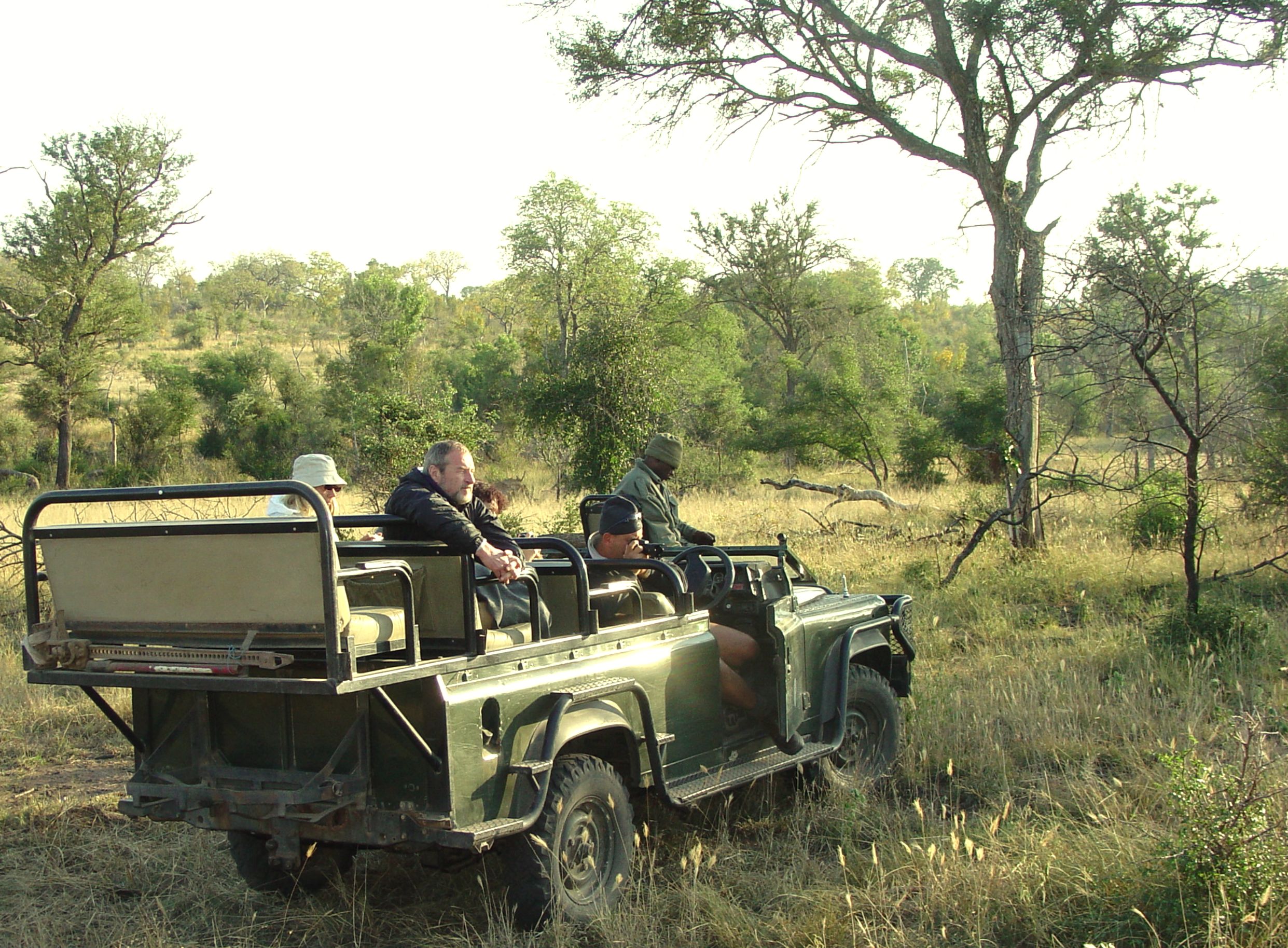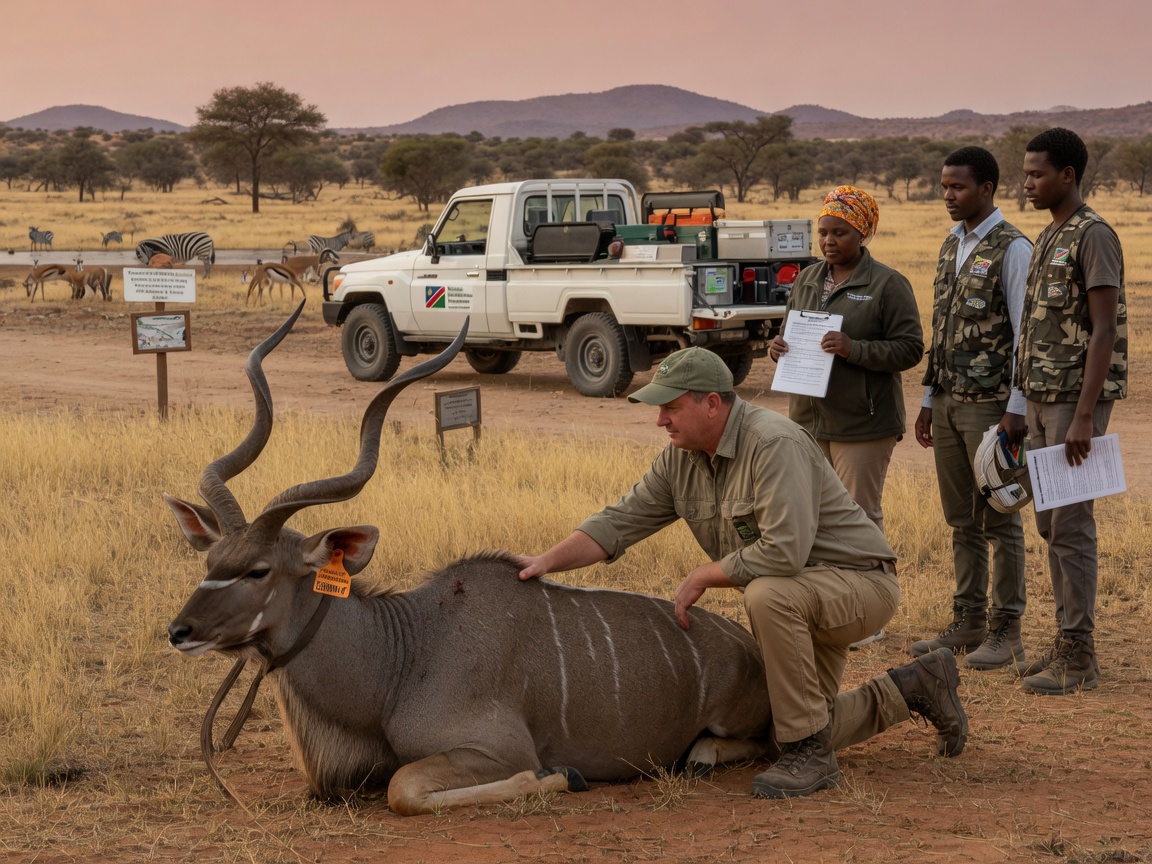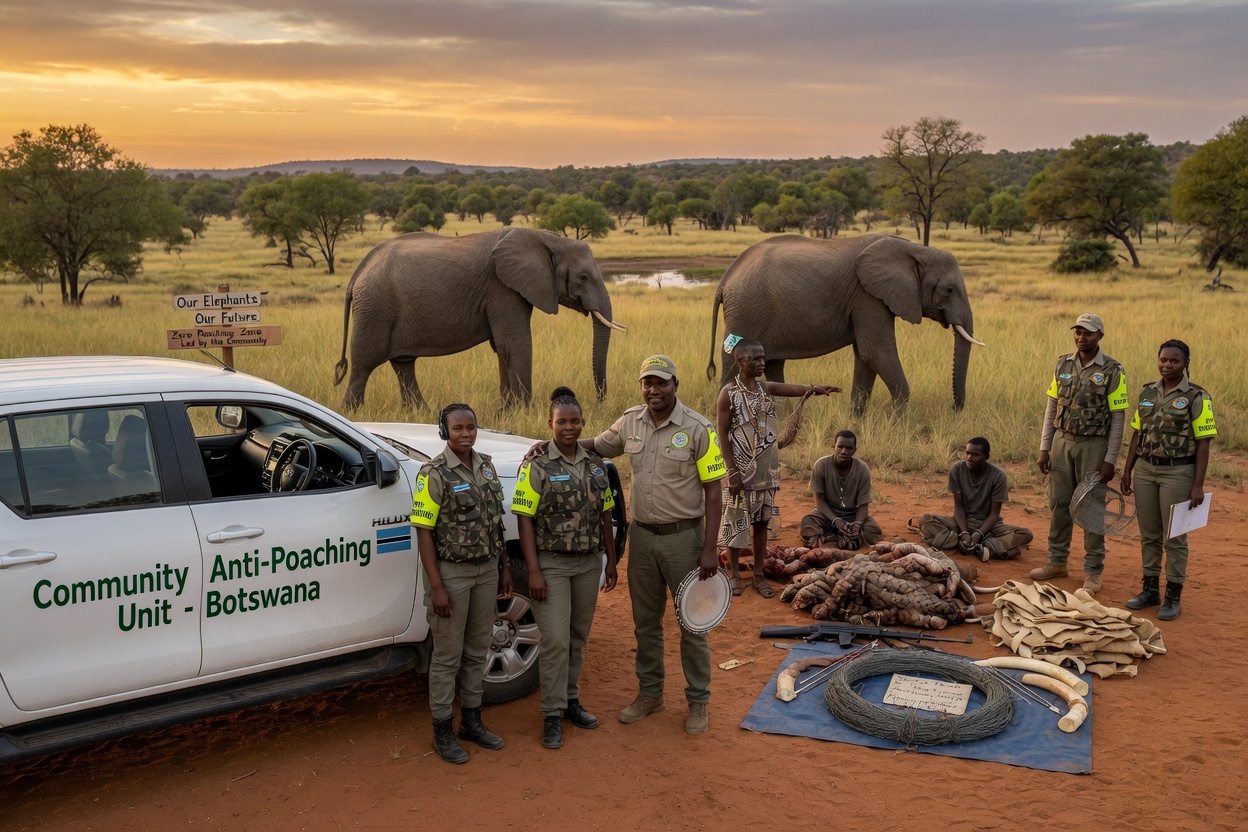
In the golden light of a Botswana dawn, a small team of community rangers moves quietly through the mopane woodland near the Okavango Delta. They are not government soldiers. They are local men and women from nearby villages who know every track, every waterhole, and every family that lives on this land. Their presence is one of the main reasons Botswana has become a standout success story in the fight against poaching. While much of Africa has struggled with relentless illegal hunting of elephants and rhinos, Botswana has shown that when communities have a real stake in wildlife, poachers lose their advantage.
Botswana holds the world’s largest elephant population, estimated at more than 130,000 animals, and it has become an important refuge for both black and white rhinos after earlier local extinctions. These animals face constant pressure from international ivory and horn syndicates. In the late 2000s and early 2010s, poaching gangs began probing Botswana’s borders, taking advantage of remote terrain and sometimes weak local buy-in. The government responded with a strong military presence through the Botswana Defence Force anti-poaching units. At times this included a well-publicized shoot-to-kill approach toward armed poachers. That deterrence mattered, yet the lasting change came when ordinary Batswana were given reasons to protect the animals themselves.
The foundation was the Community-Based Natural Resource Management programme that began in the 1990s. Under this policy, villages formed community trusts that received legal rights to wildlife in their areas. They could earn income from photographic tourism, craft sales, and, in designated zones, regulated hunting quotas. Suddenly an elephant or a buffalo was worth far more alive than dead. Meat, jobs, school fees, and clinic supplies started flowing from wildlife rather than from selling it to outsiders. Community members became the eyes and ears of the anti-poaching effort. They reported suspicious vehicles, unfamiliar footprints, and strangers asking questions about animal movements. Poachers, who usually come from outside the area, found it much harder to operate when the entire village was watching.
One clear example is the network of community conservancies around Chobe National Park and the Chobe Enclave. Local scouts trained by government rangers and conservation partners now patrol alongside official units. They use a mix of traditional tracking skills and modern tools such as radio communication and, increasingly, camera traps. Independent monitoring by organisations that track carcass ratios has consistently shown that illegal killing of elephants in these areas remains among the lowest on the continent. Most recorded elephant deaths are from natural causes or human-wildlife conflict rather than organised poaching.
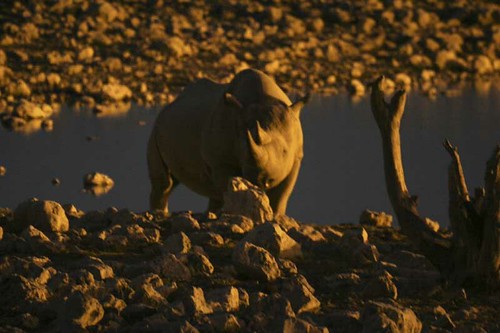
Rhino conservation offers an even more dramatic turnaround. By the 1990s both black and white rhinos had been wiped out in Botswana. Reintroduction programmes, supported by government, private partners, and community groups, brought animals back from South Africa and Namibia. Places such as the Khama Rhino Sanctuary, established by local communities near Serowe, became breeding strongholds. Community rangers there live on site, monitor the animals daily, and have built a culture where every resident understands that the rhinos belong to them. Incidents of attempted poaching have been rare and usually stopped through early intelligence rather than after-the-fact confrontation. Similar community monitoring now supports rhino populations in other northern concessions.
The 2014 nationwide hunting ban created a temporary setback. Some communities lost a significant portion of their wildlife income because photographic tourism could not replace hunting revenue in every area, especially those with high elephant densities and crop-raiding problems. Human-wildlife conflict rose and a few reports of opportunistic poaching appeared. When the ban was partially lifted in 2019, allowing limited, strictly controlled hunting in communal areas, the economic incentive returned. Communities once again saw direct benefits from healthy wildlife populations. This policy shift was not about opening the floodgates; quotas remain science-based and small. The point was to restore the link between conservation and local livelihoods that had proven so effective against poachers.
Technology has helped, but it has never replaced people. GPS collars on rhinos, aerial surveys, and sniffer-dog units all play a role, yet the most reliable information still comes from villagers who notice when something is out of place. International partners have learned to respect this. Successful projects invest in training local scouts, providing decent salaries, and ensuring that a fair share of tourism and hunting fees stays in the village. When a community trust builds a new classroom or pays for a water pump with wildlife money, the message is unmistakable: these animals are our bank account.
For ethical hunters and conservation-minded travellers the lesson is practical. Choose operators who work directly with recognised community trusts. Ask how much of your daily rate or trophy fee reaches the village. Visit community-run camps and hire local trackers. Your presence and your money reinforce the very system that keeps poachers out. Hunters who take this approach are not just taking an animal; they are participating in a proven conservation model that has kept Botswana’s wildlife numbers high while neighbouring countries have struggled.
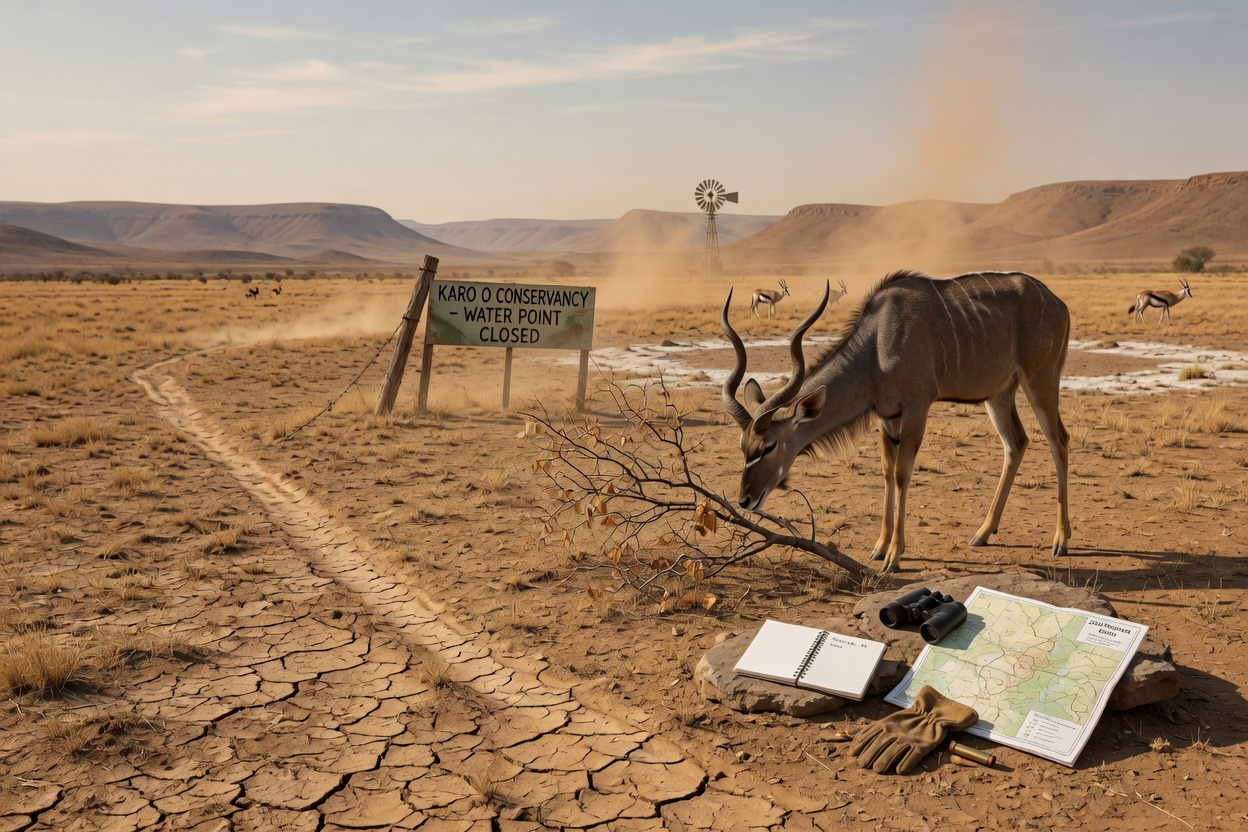
There are still challenges. Climate change is altering water availability, human-elephant conflict continues in farming areas, and international demand for ivory and horn has not disappeared. Yet the overall trajectory is positive. Botswana’s experience demonstrates that militarised anti-poaching alone is not enough. Lasting success requires giving rural people genuine ownership and tangible benefits. Other African nations are now studying the Botswana approach, adapting community conservancies and benefit-sharing schemes to their own circumstances.
If you care about the future of African wildlife, pay attention to what communities in Botswana have achieved. Support the model by travelling there, hunting ethically where it is permitted, or contributing to organisations that fund community scout programmes rather than only high-tech gadgets. Share these stories. The more people understand that local ownership works, the harder it becomes for poaching syndicates to find safe operating space. Botswana’s community rangers have already shown what is possible. The rest of us can help them keep winning.