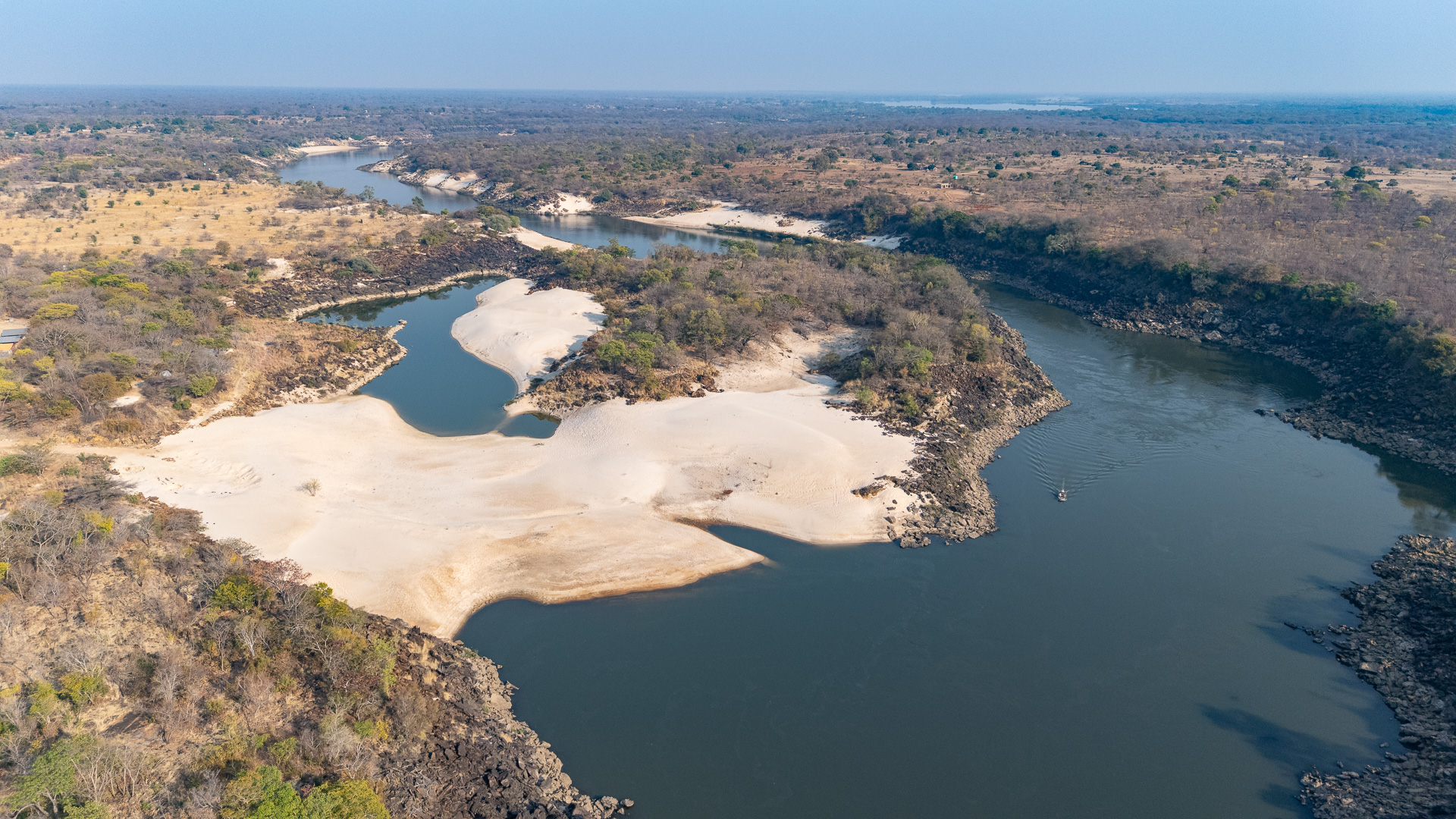
Mozambique stands as one of Africa's most compelling yet underappreciated hunting destinations. Stretching along the Indian Ocean with vast miombo woodlands, riverine forests, and floodplains, this country offers hunters authentic wilderness experiences that feel increasingly rare on the continent. After decades of civil conflict that depleted wildlife, Mozambique has rebuilt its hunting industry around regulated concessions that generate real conservation funding. For hunters seeking quality trophies, challenging stalks, and the chance to contribute directly to habitat protection, Mozambique delivers.
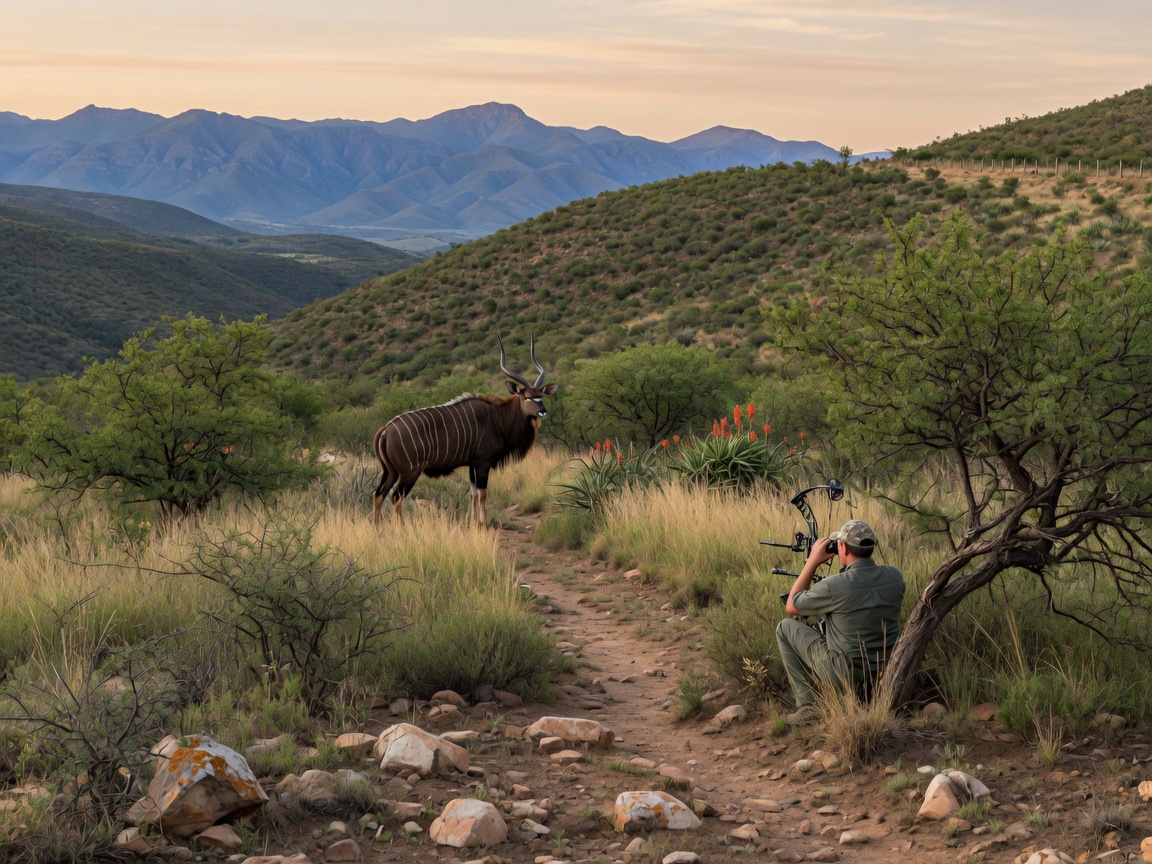
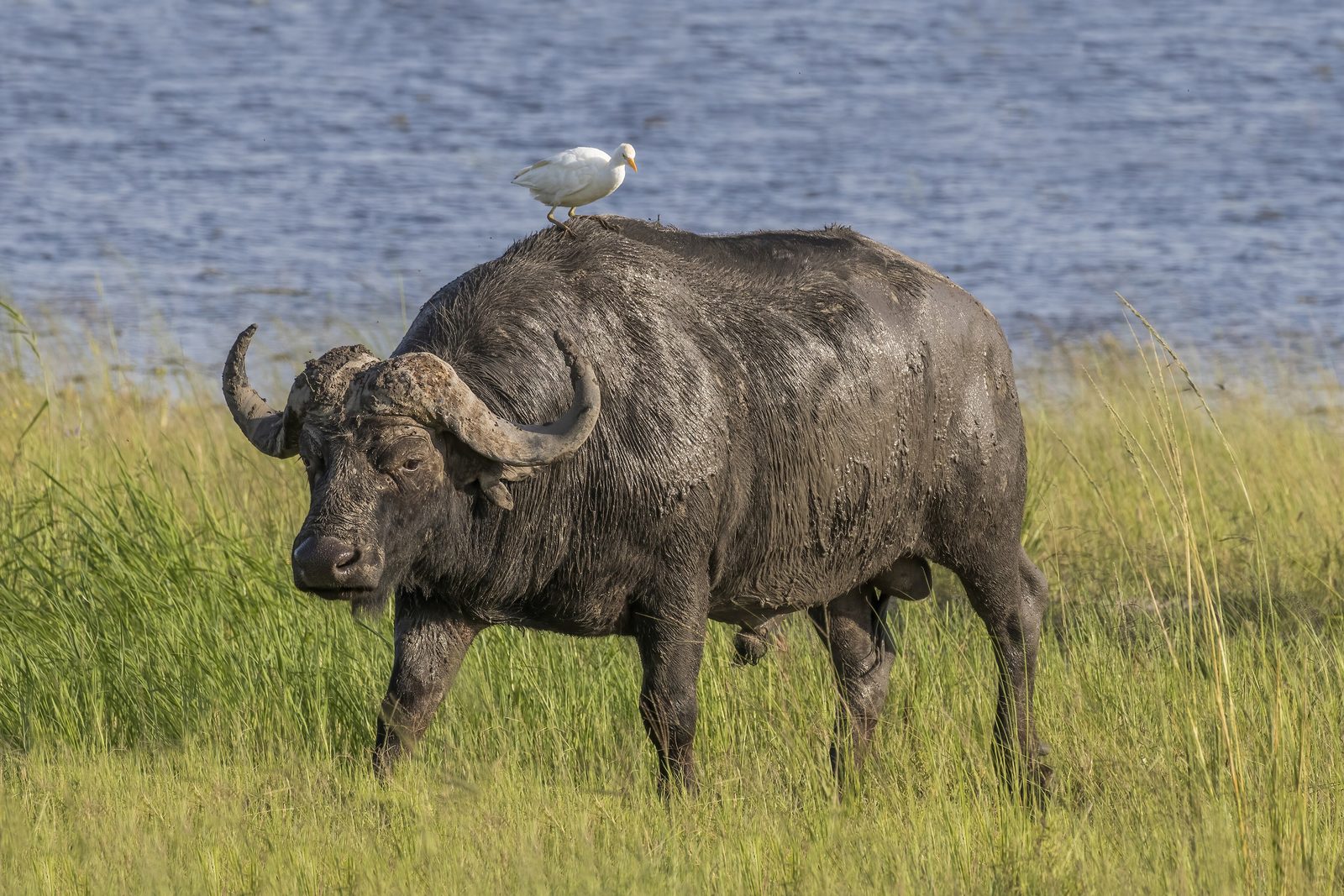
The appeal begins with the animals themselves. Cape buffalo remain the flagship species, with Mozambique producing some of Africa's hardest-fought dagga boys. These animals inhabit thick cover and demand close-range work, often requiring multiple follow-up shots. Professional hunters report consistently good trophy quality in well-managed blocks, particularly in the northern and central regions. Lion and leopard hunts occur under strict quotas and CITES regulations, typically as part of longer dangerous-game packages. Plains game opportunities include exceptional sable antelope, nyala, kudu, waterbuck, and various duikers. Elephant hunting exists in limited concessions where populations support sustainable offtake, always under government oversight.
Hunting takes place primarily in designated Coutadas, government-leased hunting areas, and community conservancies. The Niassa Special Reserve in the north covers an enormous area and hosts several professional hunting operators whose fees fund anti-poaching units and community projects. Central Mozambique, including parts of Sofala and Tete provinces, offers excellent buffalo and plains game in more accessible concessions. Southern areas near the Kruger ecosystem provide additional options, though hunters should verify current concession status as some blocks change operators periodically. These areas function as working landscapes where hunting revenue has helped stabilize wildlife numbers after years of unsustainable poaching.
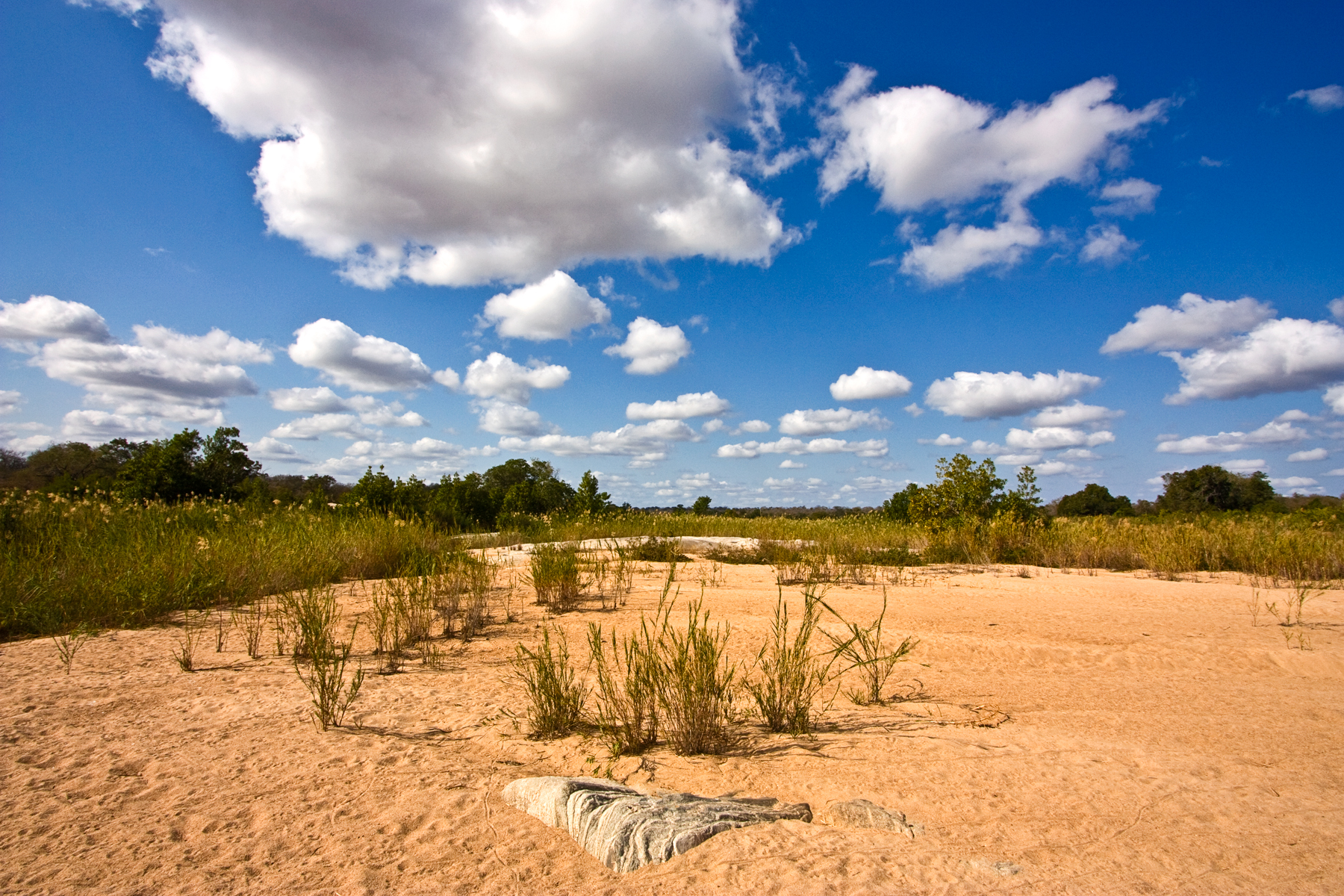
The hunting season generally runs from April through November, aligning with the dry months when vegetation thins and animals concentrate near water. Peak conditions occur from June to October. Daytime temperatures remain comfortable, though nights can be cool in the interior. Hunters should prepare for malaria risk throughout the country and follow current CDC or equivalent health guidelines, including prophylaxis. Most camps provide comfortable tented or lodge-style accommodations with good food and reliable communications.
Regulations require hunting with a licensed professional hunter. Foreign hunters need a Mozambique hunting license, firearm import permits, and, for certain species, CITES documentation. United States hunters must also comply with US Fish and Wildlife Service import rules, which have tightened for some African species in recent years. Reputable outfitters handle most paperwork, but clients should start the process six to twelve months in advance. Trophy export typically occurs after dip-and-pack treatment at approved facilities. Always confirm the latest rules directly with your chosen operator and relevant wildlife authorities, as quotas and species availability can shift annually based on survey data.
Ethical hunting sits at the center of Mozambique's model. Operators who last here invest in anti-poaching patrols, water-point maintenance, and community benefit-sharing. Hunting fees often represent the primary legal income for remote villages, creating incentives to protect rather than poach wildlife. Choose outfitters who publish their conservation contributions and maintain SCI or similar fair-chase standards. Avoid any operator promising guaranteed trophies or operating outside official concessions. The best hunts here reward patience, physical fitness, and respect for the animal. Tracking on foot through mopane and combretum woodland tests both hunter and PH, producing memories that last far longer than any measurement.
Practical preparation makes the difference between a good trip and a great one. Book at least a year ahead for prime dates, especially if targeting lion or a specific buffalo hunt. Pack lightweight, earth-toned clothing suitable for walking, a quality pair of binoculars, and a reliable rifle in an appropriate caliber—375 H&H or larger for dangerous game, with 300-grain solids and expanding bullets. Practice shooting from sticks and offhand at realistic African distances. Physical conditioning matters; expect daily walks of several miles in heat. Many hunters combine a Mozambique hunt with time in South Africa for additional species or simply to recover.
Recent years have seen Mozambique's hunting sector stabilize after pandemic disruptions. Operators report improved infrastructure in several concessions and continued government support for the industry as a conservation tool. Wildlife surveys in key areas show buffalo and sable populations holding or increasing where hunting and protection work together. This is not a high-volume destination. The number of hunters remains relatively small compared to South Africa or Namibia, which preserves a sense of exclusivity and genuine wilderness.
For hunters who value fair chase, meaningful conservation impact, and the chance to hunt animals that have not been pressured by hundreds of previous clients, Mozambique deserves serious consideration. The country rewards those willing to do their homework and travel a bit farther. Start by researching current concession operators through established booking agents or SCI records. Speak directly with recent clients. Verify that your chosen PH holds the proper Mozambique credentials.
The bush here still feels wild. You may hear hyenas at night, spot a pack of wild dogs on a game drive, or watch a herd of sable move through golden grass at last light. Those moments, combined with a hard-earned buffalo or a carefully selected plains-game trophy, explain why hunters return. Mozambique hunting is not the easiest or cheapest option in Africa, but it remains one of the most rewarding for those who approach it with respect and preparation.
Plan your Mozambique safari with conservation in mind. Support operators who put money back into the land and the people who live there. The future of these hunts depends on continued responsible use. Contact a reputable booking agent today, review the latest regulations, and start building the trip that could become the highlight of your hunting career.