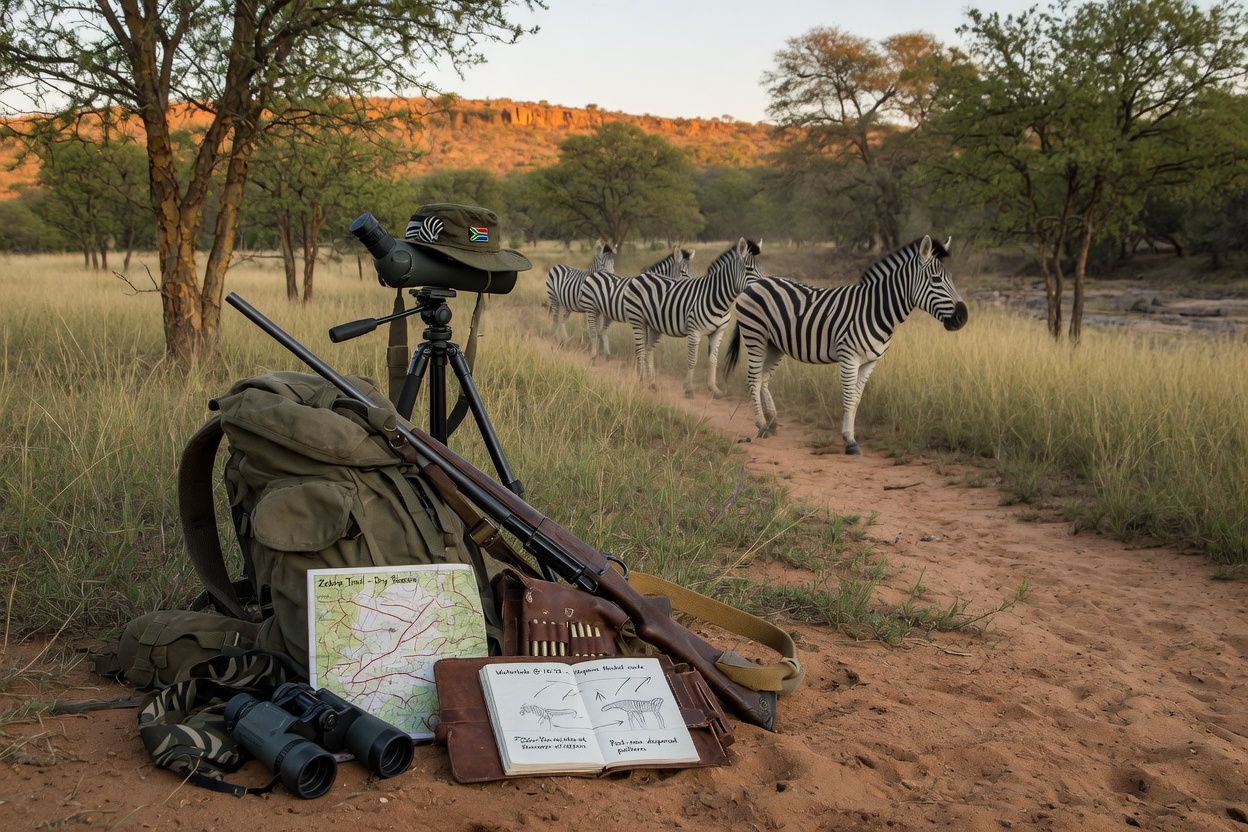
The Lowveld region of South Africa offers hunters some of the most rewarding plains game experiences on the continent. Stretching across parts of Mpumalanga and Limpopo, this area of mixed woodland, grassland, and riverine habitat is home to healthy populations of plains zebra. These striking animals present a unique challenge because their movements are driven by a combination of seasonal rains, water availability, grazing quality, and predator pressure. For the hunter who takes the time to understand these patterns, success rates climb while the hunt remains ethical and fair chase. This guide draws on field observations, wildlife research from Kruger National Park and surrounding reserves, and practical hunting experience to help you read the land the way the zebra does.
Plains zebras in the Lowveld belong mainly to the Burchell's subspecies. They live in small family groups consisting of a stallion, several mares, and their foals, with bachelor groups of younger males often nearby. These herds do not wander randomly. Their daily and seasonal movements follow predictable drivers that become clearer once you spend time in the bush. Understanding those drivers is the difference between long, fruitless walks and a well-planned stalk.
Seasonal changes dominate zebra movement in the Lowveld. The wet season, roughly November through April, brings thunderstorms and a flush of green grass. During this period herds disperse widely. They can travel several kilometers between grazing patches and may be harder to locate because forage is abundant almost everywhere. Home-range studies conducted in Kruger National Park show that zebra groups expand their ranges when rainfall is good, sometimes covering 20 to 40 square kilometers. In the dry season, from May to October, the picture changes completely. Water becomes the limiting factor. Permanent rivers such as the Olifants and Sabie, along with man-made dams and remaining waterholes, draw animals in. Herds concentrate, trails become well-worn, and daily travel distances shorten as animals commute between grazing areas and water. Recent drought years have made this concentration even more pronounced, with researchers noting tighter groupings around reliable water sources.
Daily routines add another layer of predictability. Zebras are most active in the cooler hours. They typically begin grazing shortly after first light, often in open grassland where they can watch for lions and hyenas. Midday heat sends them into shade or onto higher ground where a breeze keeps insects down. They usually drink once a day, most often between late morning and early afternoon when temperatures rise. After drinking they may rest nearby or move slowly back to preferred grazing. Late afternoon sees another feeding period before they settle for the night in relatively open areas that offer good visibility. These patterns hold across most Lowveld concessions, though local terrain and recent rains can shift the exact timing by an hour or two.
Several additional factors fine-tune these movements. Grass quality ranks high. Zebras favor short, nutritious grasses and will move onto areas that have been recently burned or received isolated showers. They often follow or mix with wildebeest, taking advantage of the shorter sward those animals create. Predators exert constant pressure. Lions and spotted hyenas push herds into more open country where escape is easier. In thicker mopane or combretum woodland, zebras become more cautious and may alter routes to avoid dense cover. Human activity and fencing on game farms also play a role. On larger, unfenced concessions, movements remain more natural; on smaller properties, animals may follow fence lines or become more nocturnal near roads.
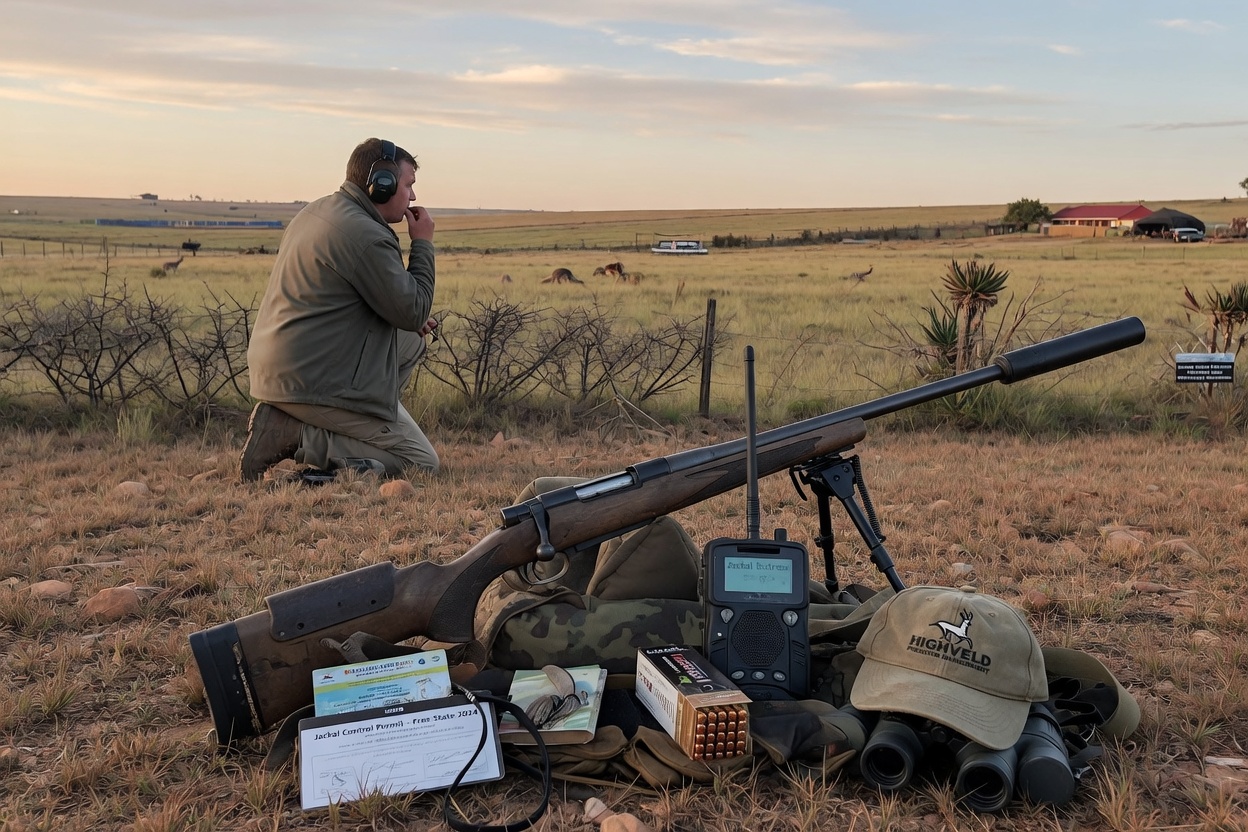
For the hunter, this knowledge translates directly into tactics. In the dry season, start your scouting at water. Do not simply sit on a waterhole unless the operator's rules and your personal ethics allow it. Instead, locate fresh tracks leaving the water and follow them into the grazing areas. Zebra tracks are distinctive: a rounded hoof print larger than an impala's, often with a clear frog. Their dung piles are easy to age and indicate how recently a herd passed. Glass from rocky outcrops or termite mounds; the Lowveld's rolling terrain gives excellent vantage points. Once you spot a herd, plan your approach using available cover and always keeping the wind in your face. Zebras have excellent eyesight and a keen sense of smell. A swirling breeze will end the stalk before it begins.
Equipment and timing matter. A good pair of 10x42 binoculars is essential for picking out the black-and-white pattern against the bush at distance. Camouflage should match the winter browns and muted greens of the dry Lowveld. Hunt the first two hours after sunrise and the last two before sunset when animals are moving and light is favorable. Midday can still produce results if you find a herd resting in shade, but the stalk is usually more difficult. Always confirm local regulations regarding shooting hours and species.
Ethics and conservation sit at the heart of any responsible zebra hunt. Legal, well-regulated hunting in South Africa generates revenue that funds habitat protection, anti-poaching units, and community programs. Quotas are set by provincial authorities based on population surveys. Choose operators who can show you those figures and who practice selective harvesting, typically targeting older stallions that have already contributed genetically. Never shoot a mare with a dependent foal. After the shot, treat the animal with respect; many hunters keep the hide and some of the meat, both of which are excellent. By following these principles you become part of the conservation solution rather than just a visitor.
I have spent countless days walking the Lowveld watching zebra herds. One hunt that stays with me involved a group that watered at a particular dam every second day. By mapping their route between that dam and a patch of sweet grass on a nearby ridge, I was able to set up a careful stalk that ended with a clean, ethical shot at 180 meters. The stallion was past his prime, the herd barely paused, and the concession owner later confirmed the animal was well within quota. Moments like that come from patience and pattern recognition, not luck.
Climate variability is adding a new variable. Longer dry spells and more intense but shorter rain events are shifting traditional grazing rotations. Hunters who return to the same concession year after year should talk with local rangers and trackers about recent changes. Their on-the-ground knowledge often updates faster than published studies.
Mastering zebra movement patterns turns a hunt into a deeper engagement with the ecosystem. You learn to read the land the way the animals do, and that skill carries over to every other species you pursue. The Lowveld rewards those who prepare.
If you are planning a plains-game safari, use these insights as a starting point and then spend time with your professional hunter and tracker. They know the specific properties and current conditions better than any article. Share your own zebra observations in the comments or reach out through the site to discuss upcoming hunts. The more we exchange real-world knowledge, the better we all become as ethical hunters and conservation partners.