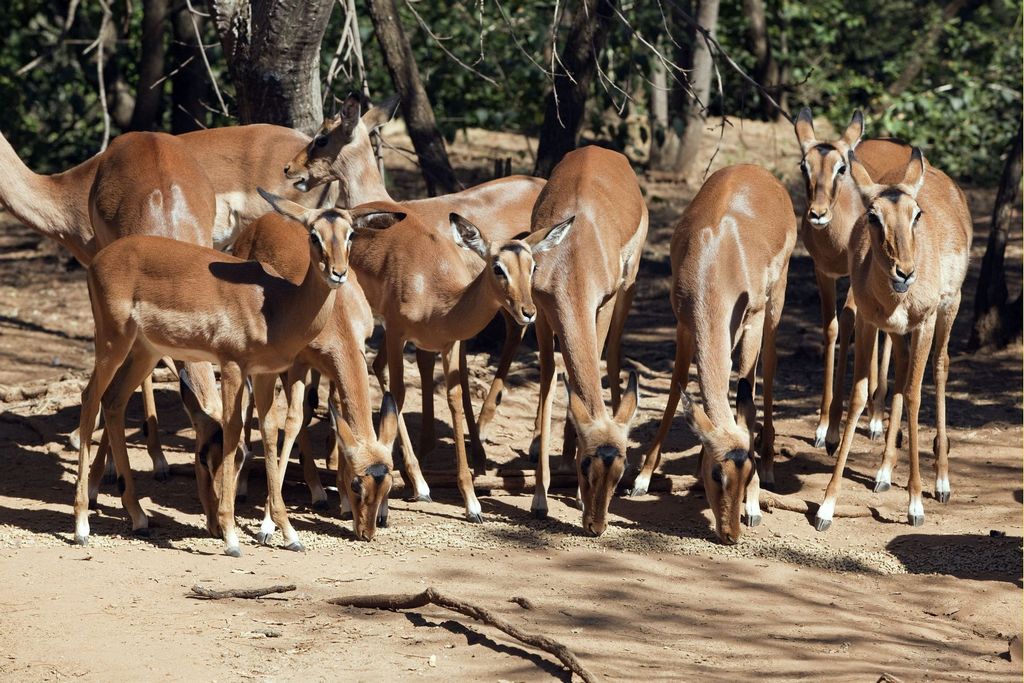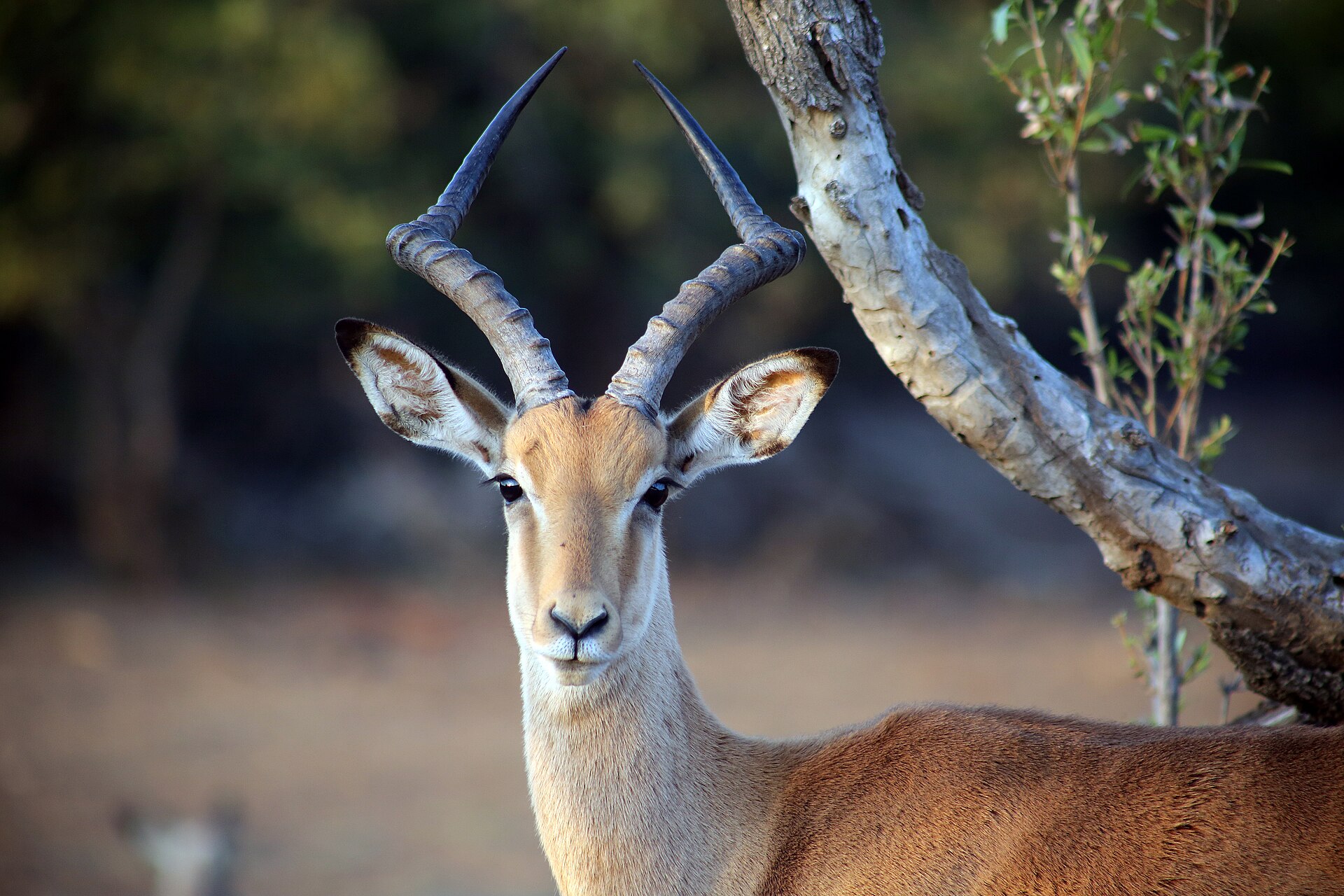
Hunting impala in the African bush ranks among the most exciting pursuits available to dedicated sportsmen. These elegant antelope move in herds across savannas and woodlands, flashing their distinctive black stripes and lyre-shaped horns as they graze and browse. Yet their razor-sharp senses make them a genuine challenge. Success often hinges on reading the land itself and using natural terrain features to set a patient, ethical ambush rather than relying on chance encounters.
Impala follow the landscape more closely than many hunters realize. They favor mixed habitats that offer open grass for feeding and nearby cover for escape. Daily water is essential, so they visit pans, dams and remaining pools, usually once or twice a day. During the dry-season rut, territorial rams become more predictable as they hold harems in favored pockets of bush. Wildlife research from South African and Zimbabwean reserves shows that herds consistently use the same corridors, drainage lines and edges year after year. Recent drier conditions in parts of southern Africa have concentrated animals around reliable water, creating both opportunity and a responsibility not to over-press those spots.
Waterholes remain classic ambush sites. Impala approach them warily, often standing at the fringe for long minutes while scanning for lions or leopards. A hunter who has glassed the area beforehand can slip into position 70 to 120 yards downwind, using existing thornbush or a well-camouflaged pop-up blind. Look for the heaviest game trails and set up where the animals must pause before committing to drink. I once watched a bachelor group of rams take nearly forty minutes to cover the last 200 yards to a small pan; the wait paid off with a clean 90-yard shot on a mature ram that never knew I was there.
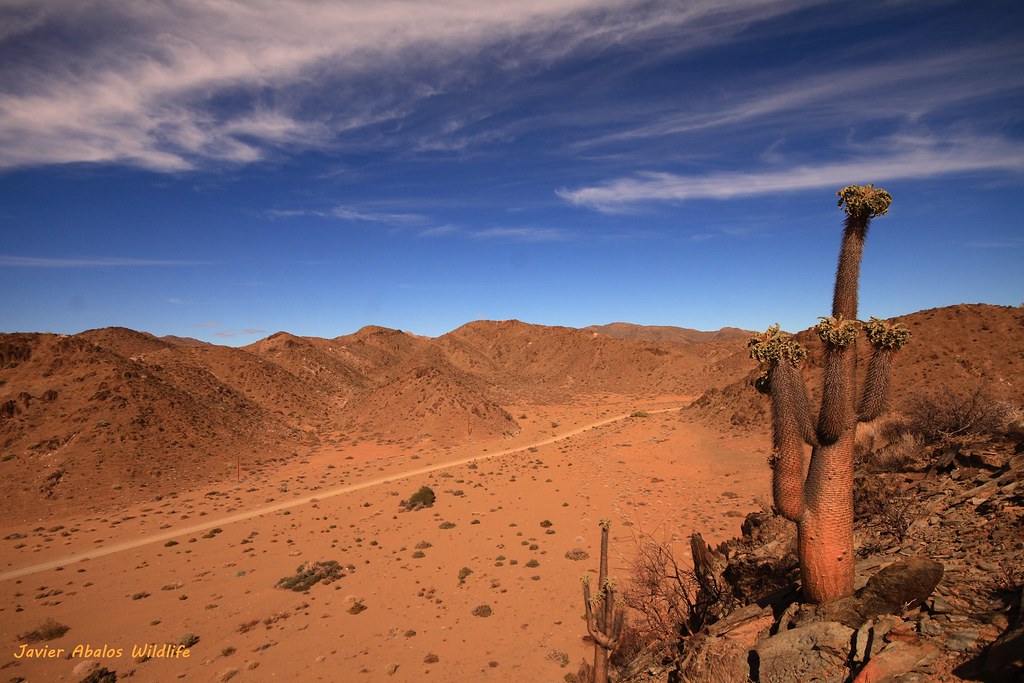
Dry riverbeds and dongas serve as natural travel lanes. Impala use the sandy bottoms for easier walking and the banks for quick cover. Position yourself on a gentle bend or where a side drainage joins the main channel. The raised bank gives concealment and a solid rest. Stay low, control your silhouette, and let the herd come to you as they move between morning feeding grounds and midday shade. These linear features act as funnels; a well-chosen spot can intercept multiple groups in a single sitting.
Ridges, kopjes and low hills give the hunter both observation and concealment. From high ground you can locate herds at first light, then drop into a saddle or fold that the animals must cross. Impala frequently travel ridgelines because the elevation lets them see approaching danger. Use the reverse slope so you are never skylined. A simple rock or termite mound can become an excellent rest once you have confirmed the wind. In rolling country I have used a single well-placed boulder to remain invisible while an entire breeding herd filtered past at 60 yards.
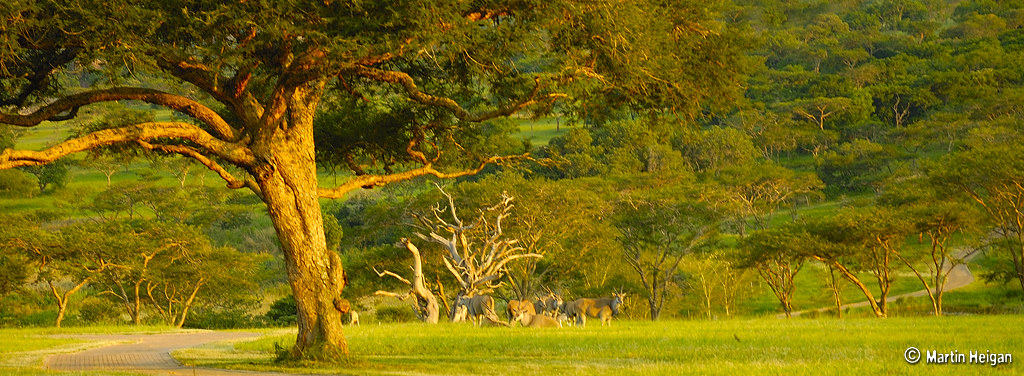
The transition zones between open glades and thick bush are equally productive. Impala feed in the open at dawn and dusk but explode into cover at the first alarm. Set up exactly on that edge, slightly inside the first line of trees, so you can see them emerge yet remain hidden. Termite mounds scattered through these areas offer both height for glassing and a natural shooting platform if you stay off the skyline.
Scouting turns these features from theory into results. Walk the concession quietly, noting tracks, droppings and feeding signs. Impala hooves leave two neat, pointed impressions that are easy to distinguish from other antelope. Modern satellite imagery and topographic apps help identify likely corridors before you even set foot on the ground, while a few well-placed trail cameras confirm daily patterns without constant human presence. Always, always check the wind. A simple powder bottle or even a handful of dust will tell you instantly whether your scent is carrying toward the animals. Impala will detect human odor from several hundred yards and simply vanish.
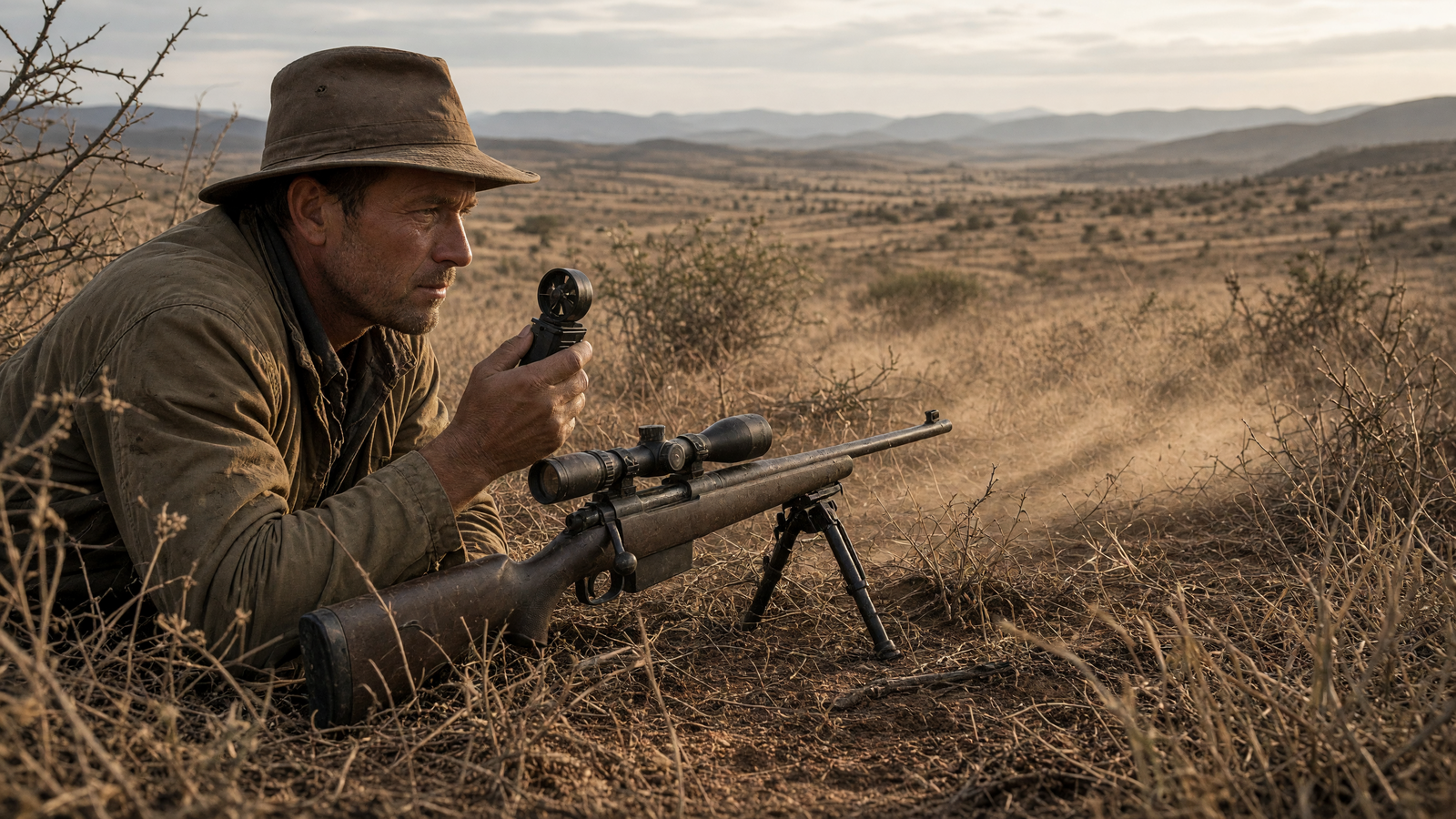
Once you have chosen your spot, concealment and stillness become everything. Match your clothing to the local vegetation, treat your gear with unscented products, and consider a light earth cover scent. Remain motionless for long periods; impala will lock onto any unnatural movement. Have shooting sticks or a bipod ready so the first good opportunity can be taken cleanly. Patience separates successful ambushes from frustrating near-misses. Herds can appear at any hour, and the hunter who fidgets usually goes home empty.
Ethics sit at the heart of every decision. Impala remain abundant precisely because well-regulated hunting generates revenue for anti-poaching units and habitat work. Current IUCN assessments list the species as Least Concern, a status supported by sustainable harvest programs across southern Africa. Select one specific animal, never fire into a milling herd, and place the shot in the vital heart-lung area for a quick, humane kill. Know the local quota—some properties distinguish between rams and ewes—and take only what the land and the regulations allow. Proper field care and full use of the meat complete the circle of respect.
One hunt that still stands out involved a herd moving through a narrow valley pinched between two rocky outcrops. By sliding onto the downwind slope and using a clump of acacias for cover, I waited as they filtered through in single file. The lead ram paused in a small opening, presenting a perfect broadside at 80 yards. That moment combined terrain knowledge, wind discipline and a commitment to a clean kill. It remains one of the most satisfying stalks I have ever made.
Study the maps, talk with experienced professional hunters, and visualize how the land channels the animals before you arrive. Practice shooting from field positions so the moment of truth is instinctive. Hunt legally, hunt ethically, and you will not only fill your tag but also contribute to the long-term health of impala populations and the wild places they inhabit.
The African bush rewards those who learn its language. Use the ridges, the water, the thickets and the dongas wisely. Then share your own stories with fellow hunters so the next generation can carry these skills forward. The land is waiting.