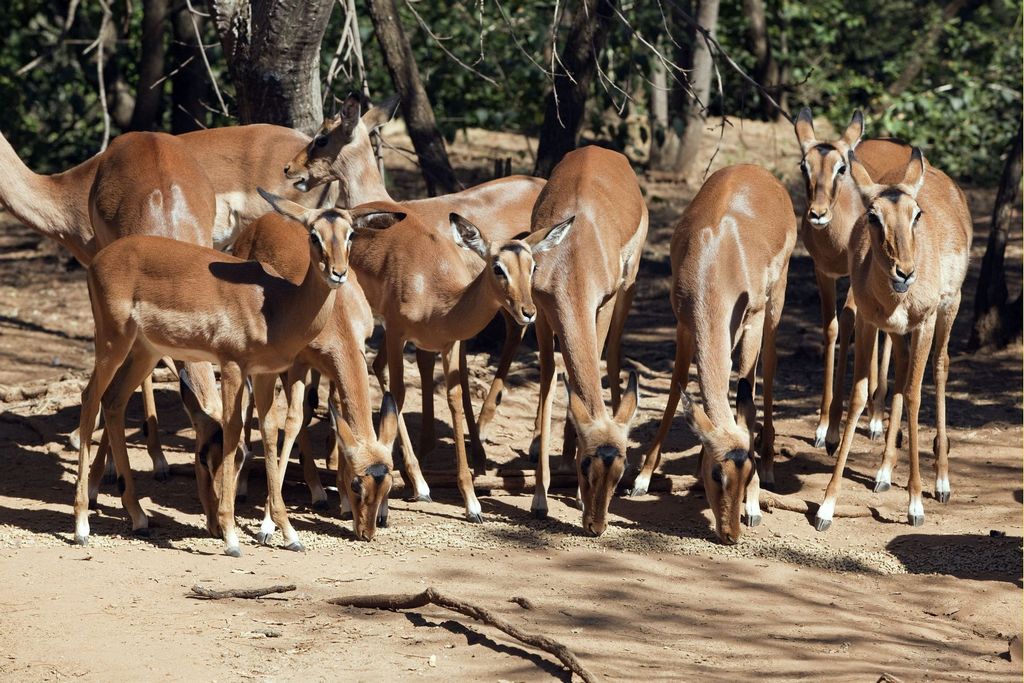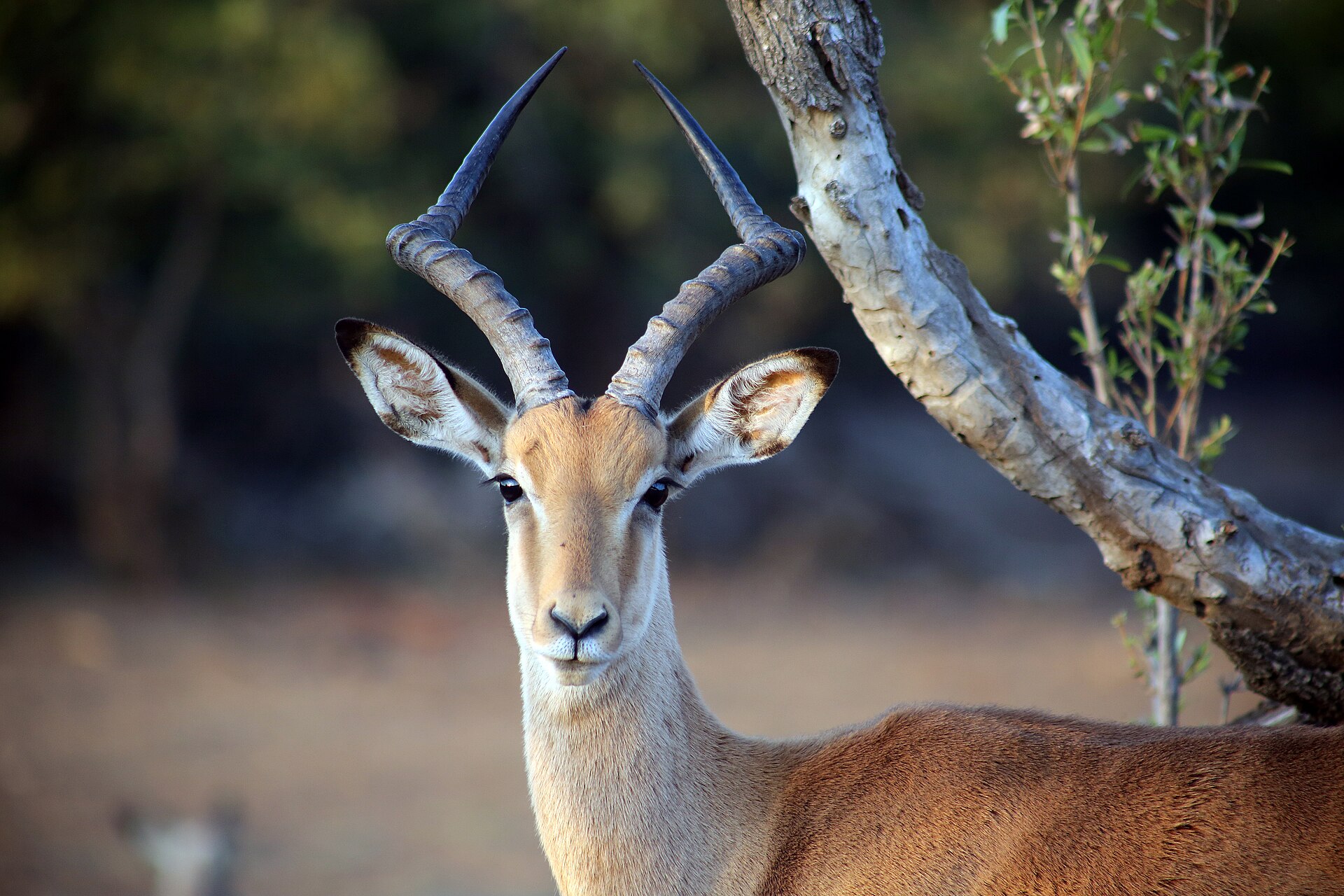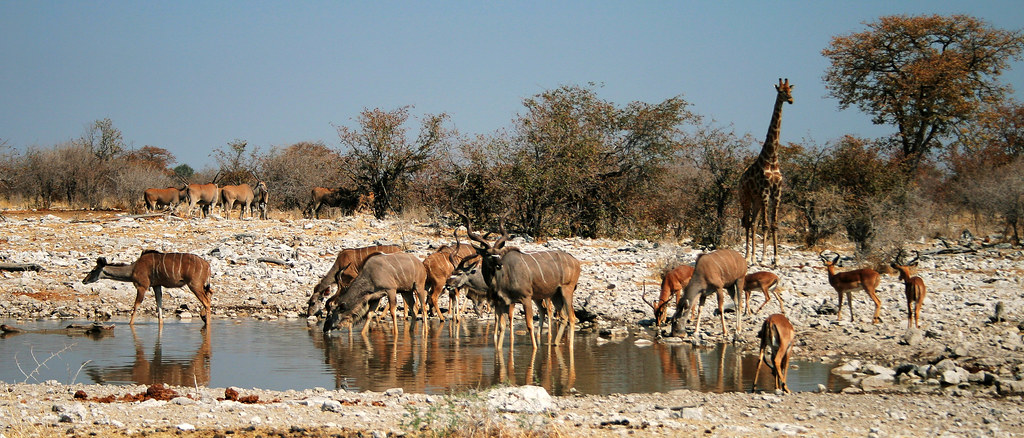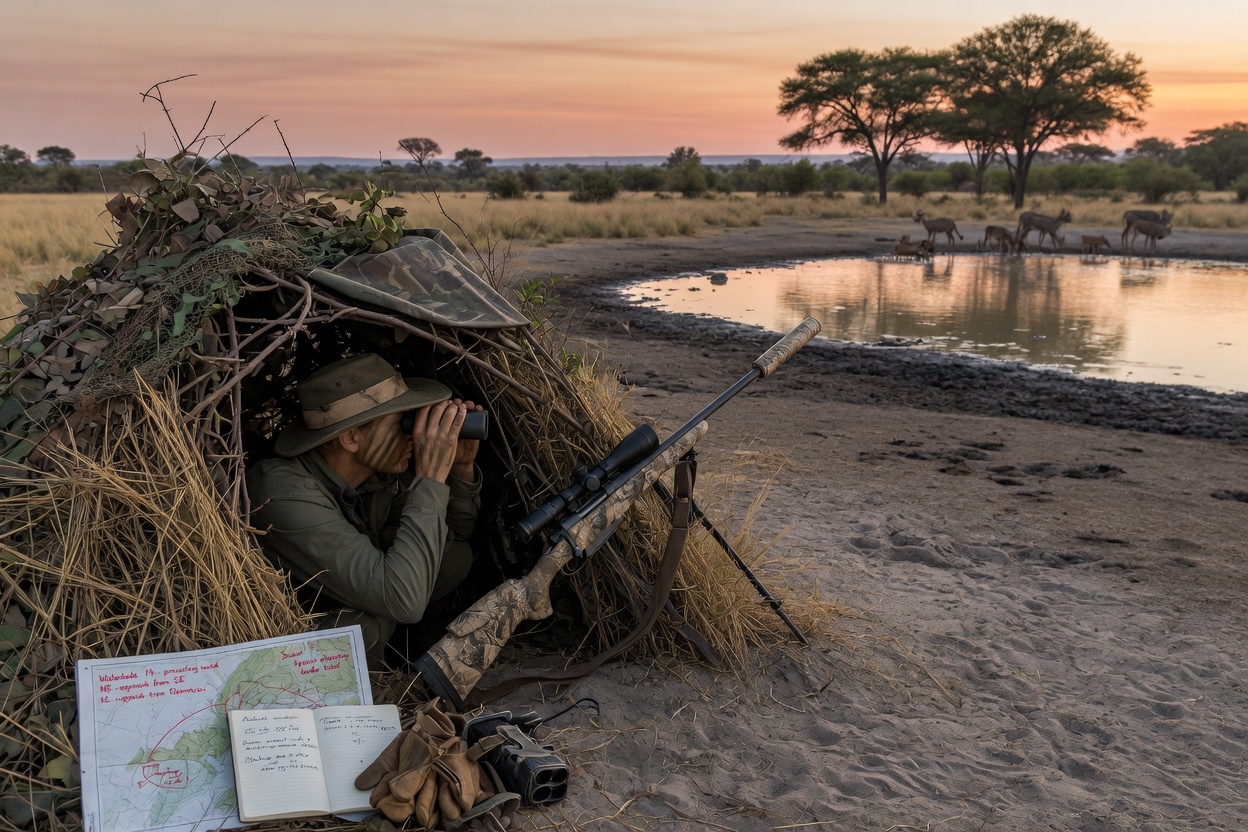
The dry season transforms Botswana's wild landscapes into a hunter's dream, where scattered waterholes become magnets for game of all kinds. Elephants, buffalo, kudu, and smaller plains game converge on these precious sources as the bush dries out, offering dedicated hunters a classic ambush opportunity that tests patience, fieldcraft, and respect for the animals. Waterhole hunting here is not about driving or spotting from a vehicle. It is about becoming part of the environment, waiting in silence as the African sun beats down and the wildlife comes to you. This approach has been used by local hunters and professional hunters for generations, and when done right it delivers some of the most memorable encounters on the continent.
Botswana lifted its hunting ban in 2019 after years of growing human-wildlife conflict and habitat pressure from a booming elephant population estimated at over 130,000 animals. Regulated hunting now helps manage numbers while putting money directly into community conservancies and anti-poaching efforts. Studies from the Department of Wildlife and National Parks and independent conservation groups show that hunting concessions fund a large share of rural development and wildlife protection in areas such as the Okavango, Chobe, and Central Kalahari. Ethical hunters who follow the rules become partners in that work rather than just visitors.
Success starts long before you sit in a hide. Scout several waterholes in your concession during the days leading up to the hunt. Look for fresh tracks, droppings, and well-worn paths that tell you which species visit regularly and from which directions they approach. A waterhole with multiple incoming trails and recent activity from your target animal is worth far more than a pretty pan with no sign. Talk with your professional hunter and the trackers. They know the local patterns better than any map. In the Kalahari the pans can be small and isolated. In the Okavango or Savuti they may be larger and more permanent. Each requires a slightly different setup.
Wind is the single most important factor in any ambush. Animals approaching water are already on high alert. Even a slight breeze carrying human scent will send them away or make them circle endlessly. Check the wind constantly with powder or a small bottle of unscented talc. Position your hide so the prevailing wind blows your scent away from the main approach paths and the water itself. In Botswana the morning wind often comes from the east, but it can shift as the day heats up. Have a second location ready if the wind changes. Never set up directly downwind of the water if animals tend to circle it first, which many do.
Concealment must be complete. Use natural vegetation such as mopane or acacia branches to break up your outline. A portable pop-up blind works well if it is thoroughly brushed in with local plants so it does not look like a foreign object. Keep the hide low and tight. Many experienced hunters prefer a simple pit or ground hide when the terrain allows, because it keeps your silhouette off the skyline. Distance from the water varies by species and local rules, but 40 to 70 yards is common for most plains game. Dangerous game such as buffalo may require closer placement under the guidance of your PH, always with a clear shooting lane and an escape route.
Timing follows the animals' needs more than the clock. Most species drink in the cooler hours around dawn and late afternoon, but elephants and buffalo frequently appear in the heat of the day when smaller animals stay hidden. Arrive at the hide well before first light and stay until last light if necessary. Bring a comfortable seat, plenty of water, and the discipline to remain still for hours. Movement and noise are the two fastest ways to ruin an ambush. Watch the smaller creatures. Doves, francolin, and vervet monkeys often signal when larger animals are approaching.
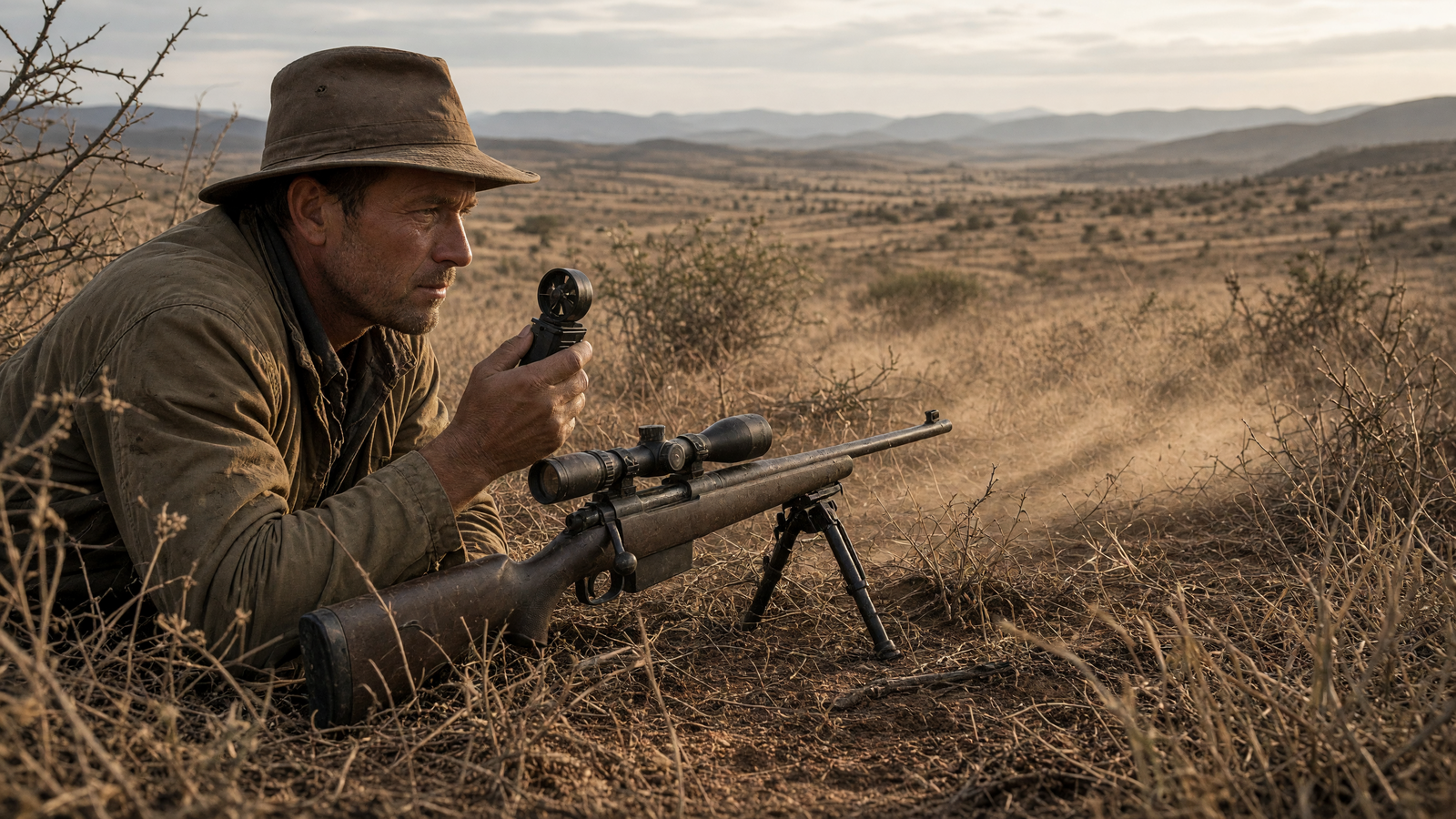
Gear should be simple and reliable. A well-zeroed rifle in a caliber suitable for African game, quality binoculars, and a rest that lets you stay ready without fatigue are essential. Scent-control clothing helps but never replaces proper wind management. Carry a shooting stick or bipod for stability after a long wait. Your professional hunter will advise on the exact rifle and ammunition based on the species on your license.
Safety cannot be overstated. Waterholes attract hippos, crocodiles, and lions as well as your quarry. Never walk to the water's edge. Stay in the hide until your PH gives the all-clear. Have a plan for what happens if a herd of elephants or a pride of lions decides to investigate your position. Most professional hunters carry a backup rifle and know the protocols for dangerous game.
Ethical hunting is the foundation of everything we do in Botswana. Take only mature animals that have already passed on their genes. Wait for a clean, broadside shot that ensures a quick kill. Follow every instruction from your PH and the trackers. The money you spend on the hunt, the trophy fees, and the daily rates go back into the communities that live with these animals every day. That is the real conservation story. Overhunting or taking young animals undermines the entire system and damages the reputation of hunters worldwide.
I have sat in many hides across Botswana and still remember one long afternoon in the Central Kalahari when a big gemsbok finally stepped out of the thornbush just as the light turned gold. The wait had been six hours of heat, flies, and complete stillness. When the shot came it was steady and the animal dropped within 30 yards. That kind of hunt stays with you because it feels earned. The same patience and respect will serve you well no matter which concession you visit.
Waterhole ambush hunting rewards those who study the land, trust their professional hunter, and put the animal and the habitat first. If you are planning a trip to Botswana, choose an outfitter with a strong conservation record and a history of working closely with local communities. Prepare thoroughly, hunt fairly, and you will come home with more than a trophy. You will come home with a deeper understanding of one of Africa's last great wildernesses. Share your experiences with fellow hunters, support organizations that protect these areas, and keep the tradition of ethical hunting alive for the next generation.