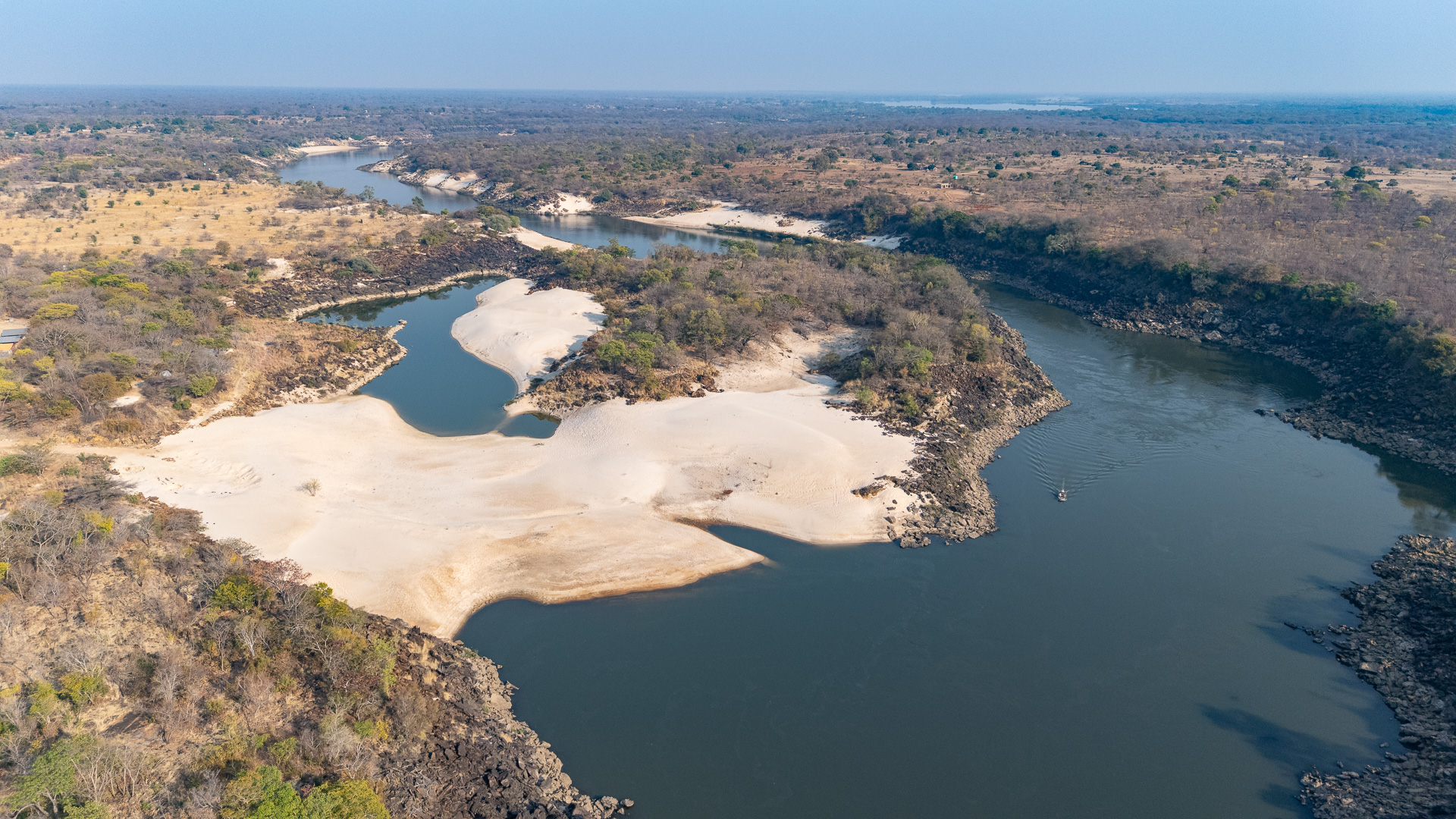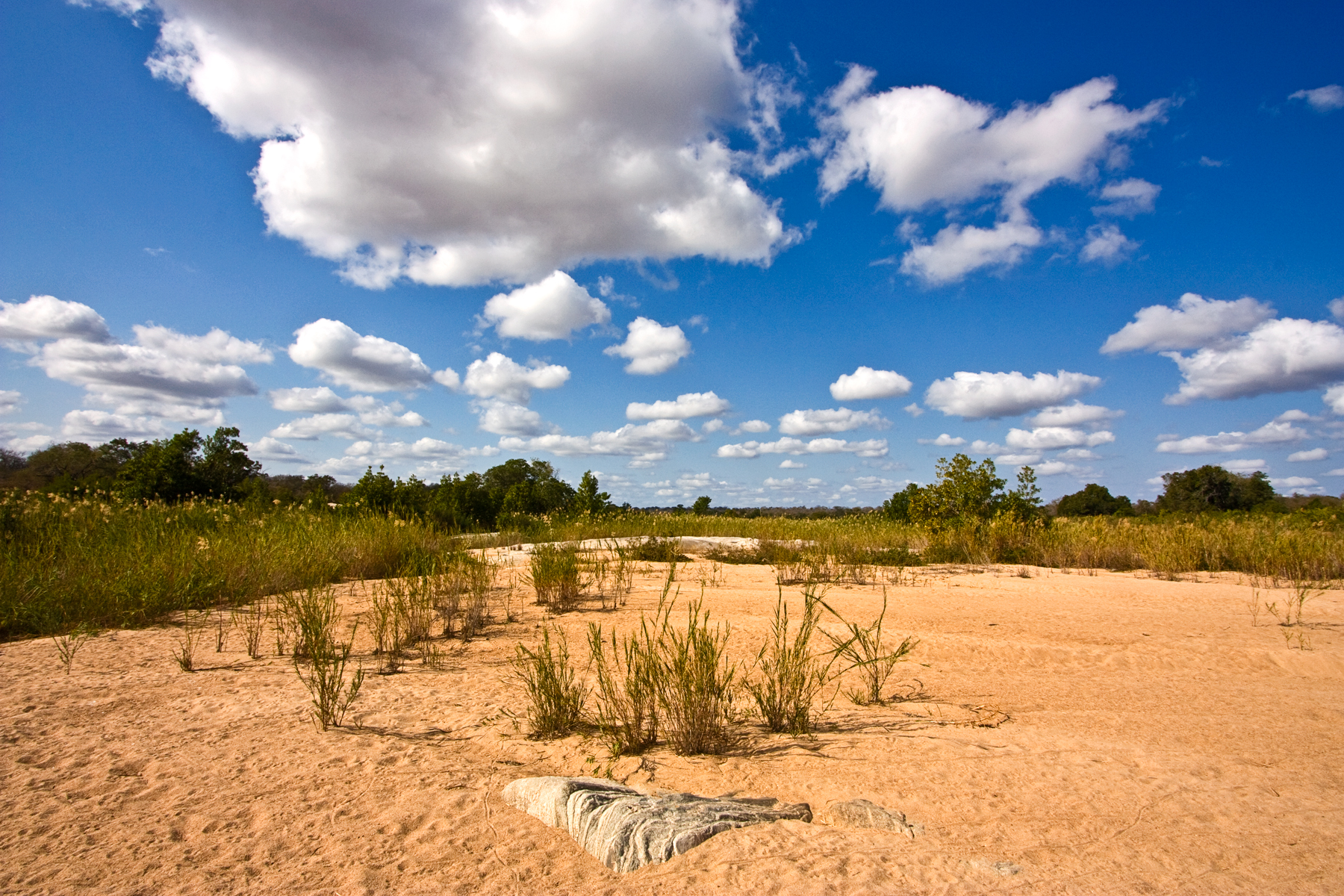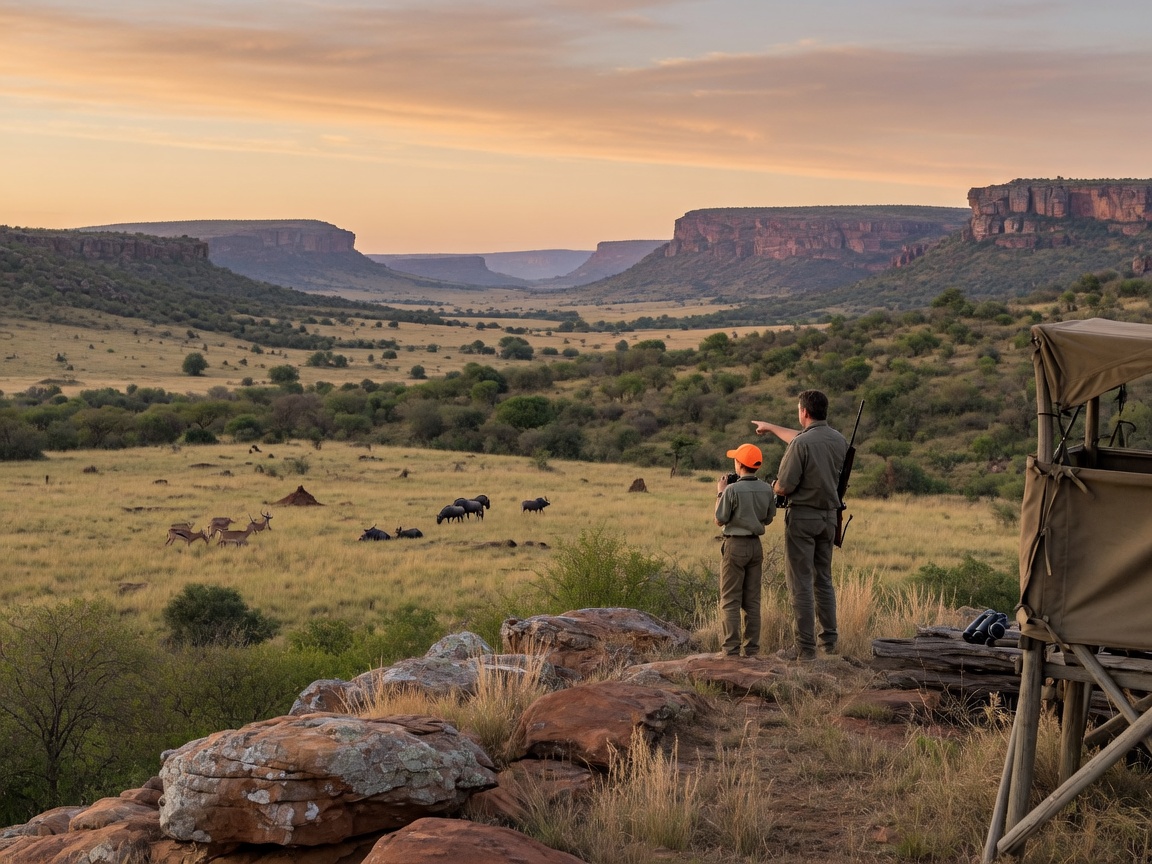
The Waterberg region in South Africa's Limpopo Province has earned a well-deserved reputation as one of the most suitable destinations for families interested in plains game hunting. This UNESCO Biosphere Reserve, designated in 2001, combines dramatic sandstone mountains, open bushveld, and thriving wildlife populations in a setting that feels both wild and welcoming. For families looking to share a hunting experience that goes beyond the trophy, the Waterberg delivers accessibility, safety, educational value, and genuine conservation impact that few other African hunting areas can match.
Getting there is straightforward. Most international visitors fly into Johannesburg and then drive or take a short charter to the Waterberg, typically two to three hours from the airport. This proximity means less time in transit and more time together in the field, an important consideration when traveling with children or older family members. Unlike more remote concessions that require long flights or rough transfers, the Waterberg allows families to settle in quickly and begin enjoying the landscape.
Safety and comfort further distinguish the area. The Waterberg is malaria-free, removing a major health concern that affects many other African hunting destinations. The climate is generally pleasant, especially during the dry winter season from May through September when daytime temperatures are mild and evenings cool. These conditions make walking hunts enjoyable rather than exhausting, and they allow the whole family to participate without extreme weather challenges. Lodges in the region have adapted well to family groups, offering comfortable accommodations with private chalets, swimming pools, and communal dining that encourage conversation after a day outdoors.
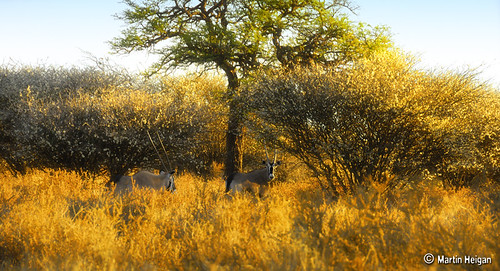
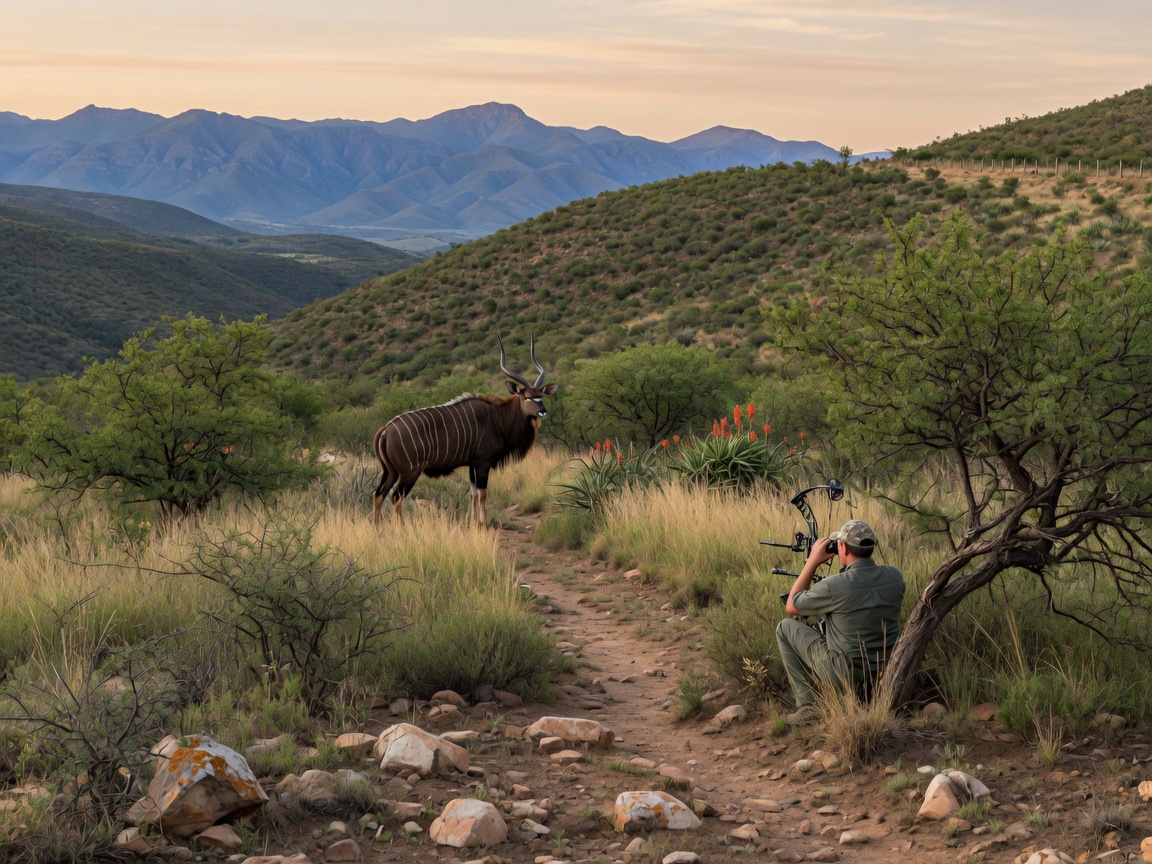
The game itself is perfectly suited to mixed-ability family groups. Plains game species such as impala, blesbok, springbok, kudu, blue wildebeest, zebra, gemsbok, and eland occur in healthy numbers across well-managed properties. Impala and blesbok provide excellent introductory opportunities for younger or first-time hunters because they are relatively abundant and the stalks are manageable. More experienced family members can pursue the challenge of a wary kudu bull in the mountains or a long-range gemsbok. This variety lets families customize their days so that everyone remains engaged. Many professional hunters in the Waterberg have years of experience working with families and take time to explain animal behavior, tracking, and shot placement in ways that educate without lecturing.
Conservation is not an afterthought here. Hunting in the Waterberg operates under strict provincial and national regulations, and revenues from licensed hunts directly support anti-poaching units, habitat management, and community programs. The biosphere reserve framework encourages sustainable use, and studies from South African wildlife authorities have shown that well-regulated hunting helps maintain balanced populations while funding broader protection efforts. Families who hunt here become part of that cycle. Children see firsthand that ethical hunting is a management tool rather than mere recreation, an important lesson in an era when wildlife faces increasing pressure from habitat loss and illegal activity.
Beyond the hunt, the Waterberg offers activities that keep non-hunters and younger children happily occupied. Guided nature walks, birdwatching (over 300 species have been recorded), photography outings, and simply watching game from the lodge veranda provide complementary experiences. Some properties arrange visits to nearby cultural sites or community projects, giving families a fuller picture of the region. The mountainous terrain itself invites exploration, with viewpoints that reward even short hikes with sweeping vistas of the plateau.
Practical planning makes the difference between a good trip and a great one. Choose an outfitter who openly discusses family policies, age guidelines, and educational components. Reputable operators will explain firearm safety, fair-chase principles, and the role of hunting in conservation before anyone steps into the field. Discuss with your professional hunter how younger participants can be involved, whether through observation, tracking practice, or, when legally and ethically appropriate, taking a first animal under close supervision. The dry season remains the most reliable period because animals concentrate around remaining water and visibility is excellent. Pack layered clothing, sturdy walking shoes, quality binoculars for everyone, and a positive attitude toward early mornings and variable weather.
In my own experience guiding and observing family groups in the Waterberg, the most memorable moments often occur away from the shot itself. A child spotting a distant kudu, a parent and teenager working together to read tracks, or an entire family watching a zebra herd at last light creates bonds that last long after the safari ends. These trips instill respect for the land and the animals in a way that classroom lessons cannot. Recent years have seen more lodges adding dedicated family programs and conservation workshops, reflecting growing demand for experiences that combine hunting with broader nature education.
The Waterberg is not the cheapest or the most famous hunting destination, but it consistently ranks among the most rewarding for families. It avoids the intensity of dangerous-game areas while still delivering authentic African hunting. Properties vary from intimate family-run farms to larger operations, so there is usually a good match for different group sizes and budgets. Always verify that your chosen outfitter follows ethical standards, employs qualified professional hunters, and contributes to local conservation.
If you have been considering a family hunting trip to Africa, the Waterberg deserves serious attention. It offers the right mix of adventure, comfort, safety, and meaning. Start by researching operators with strong family reviews and a clear conservation record, then begin the conversation about dates and species. The memories you create there, set against those distinctive red cliffs and acacia-dotted plains, will stay with your family for years. Reach out to experienced Waterberg outfitters today and take the first step toward a hunt that everyone can share.