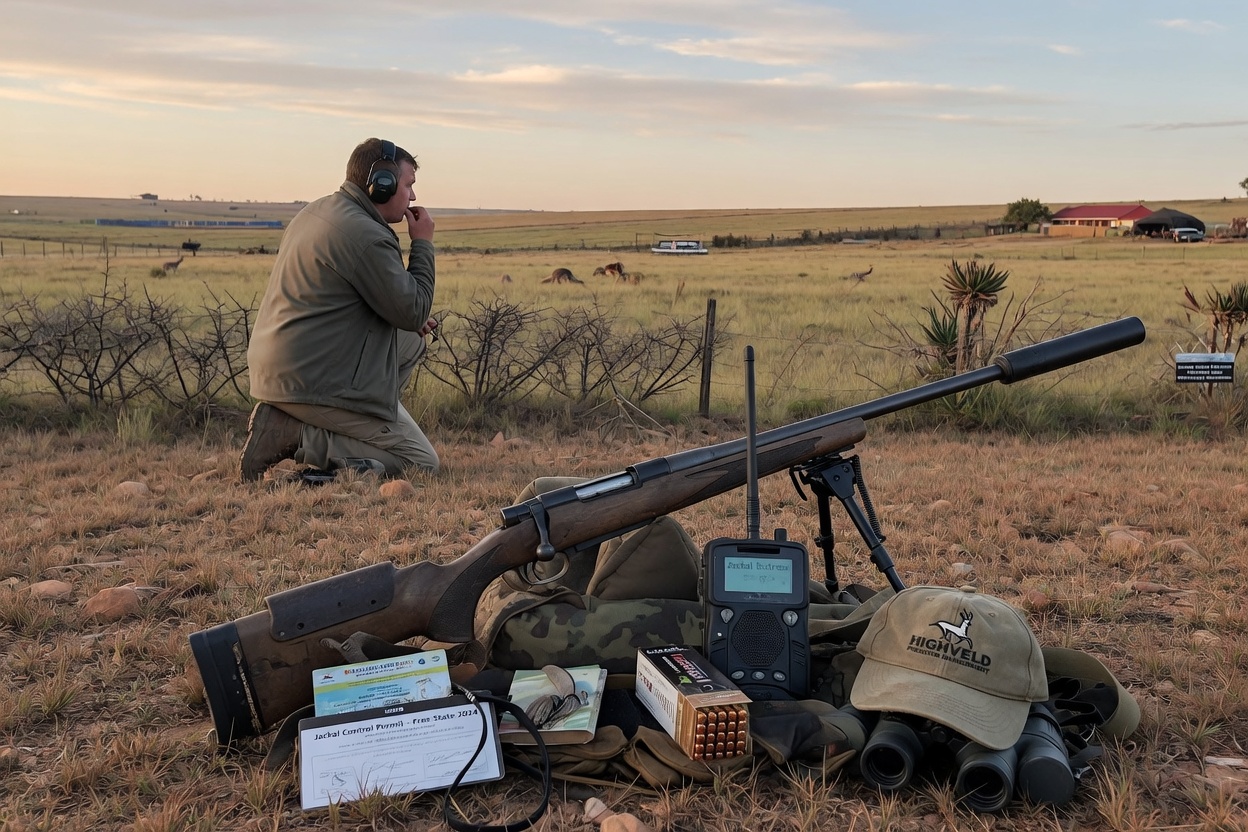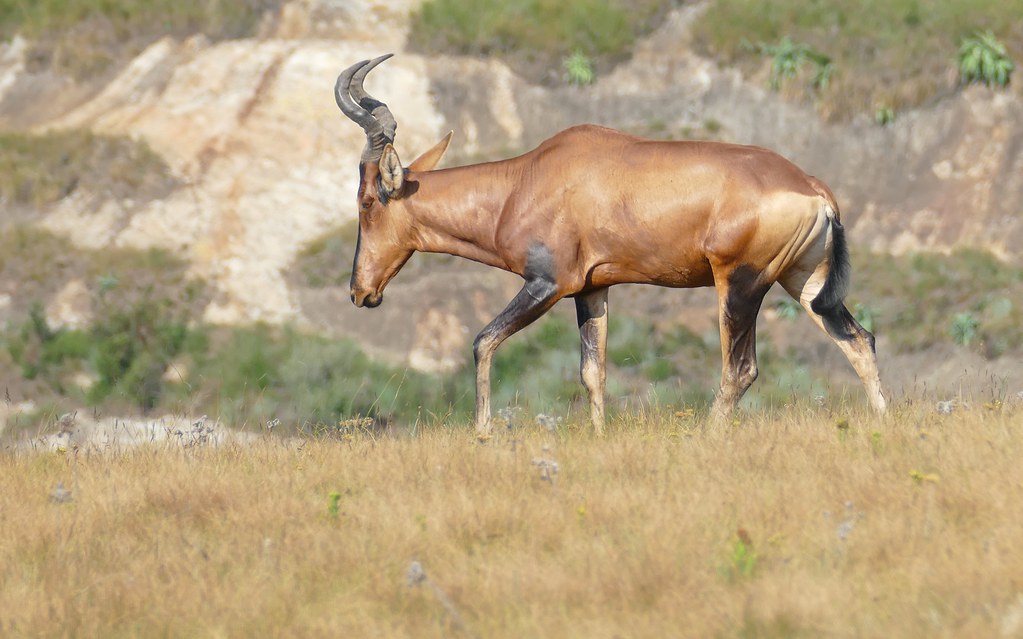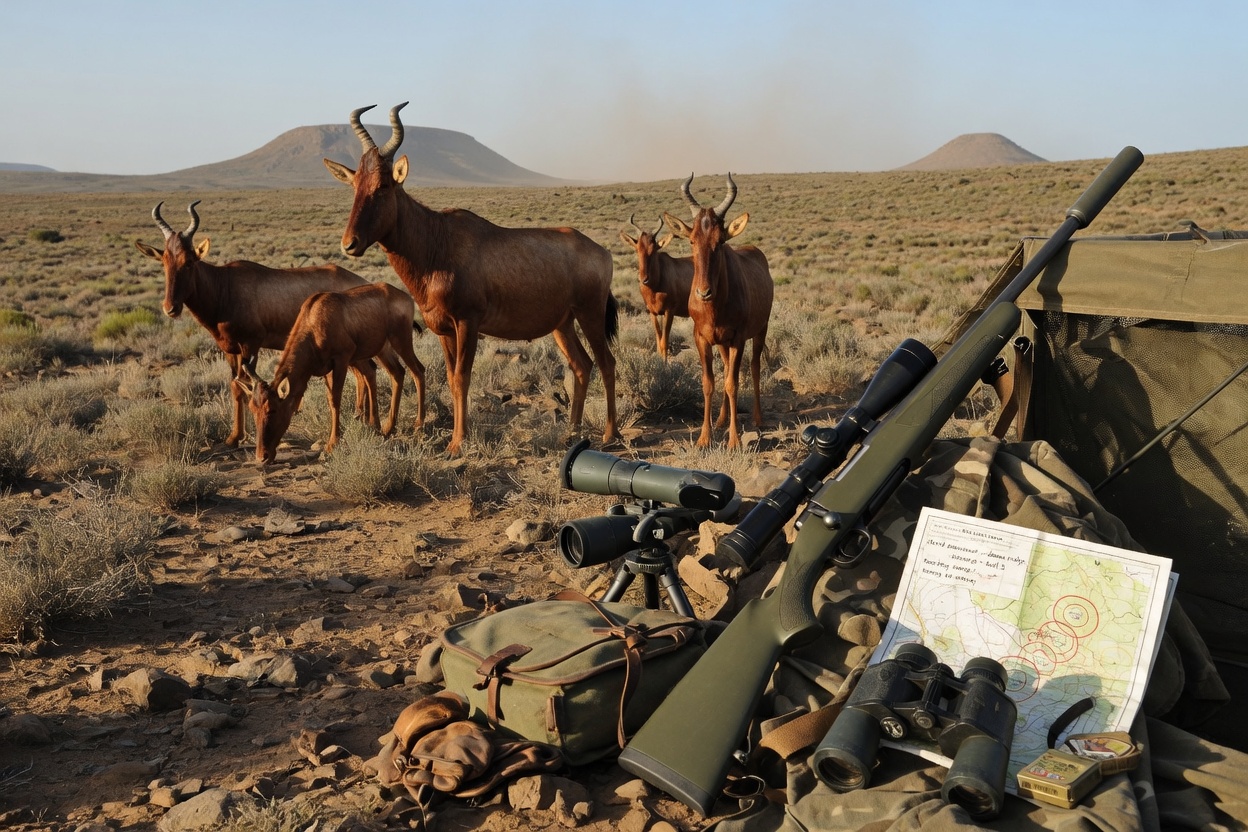
The Eastern Cape Karoo stands as one of South Africa's premier destinations for plains game hunting, where the red hartebeest thrives in the semi-arid expanses of grassland and scrub. For hunters seeking a challenging yet rewarding pursuit, few species demand as much understanding of animal behavior as the red hartebeest. These distinctive antelope, with their sloping backs, reddish-brown coats, and lyre-shaped horns, are not just trophies but vital parts of the Karoo ecosystem. Mastering their habits transforms a hunt from luck-based to skill-driven, promoting ethical practices that honor both the animal and the land.
Red hartebeest, or Alcelaphus buselaphus caama, have evolved specifically for open, dry environments like the Karoo. They prefer short-grass plains interspersed with rocky outcrops and drainage lines, which provide both forage and escape routes. Unlike more secretive species, they remain visible but highly vigilant. Studies of southern African antelope populations show they spend much of the day in elevated positions, using their excellent eyesight to scan for threats. In the Karoo's clear air, this means a hunter must approach with extreme caution, as a herd can spot movement from over a kilometer away.
Daily routines follow a predictable yet weather-dependent pattern. Red hartebeest are most active during the cooler hours of early morning and late afternoon. They feed heavily at dawn, grazing on grasses and browsing on shrubs when available, then rest in the shade or on ridges during the midday heat. In the Eastern Cape, where summer temperatures regularly exceed 35 degrees Celsius, this midday inactivity is pronounced. Hunters who glass from high ground at first light often locate herds moving from overnight bedding areas to feeding grounds. As the sun rises, they become more stationary, making mid-morning stalks possible if the wind cooperates. Evening activity picks up again as they return to water or preferred grazing. Recent observations from game managers in the region note that drought conditions, increasingly common due to climate variability, can shift these patterns, with animals traveling farther for water and becoming more concentrated around remaining sources.
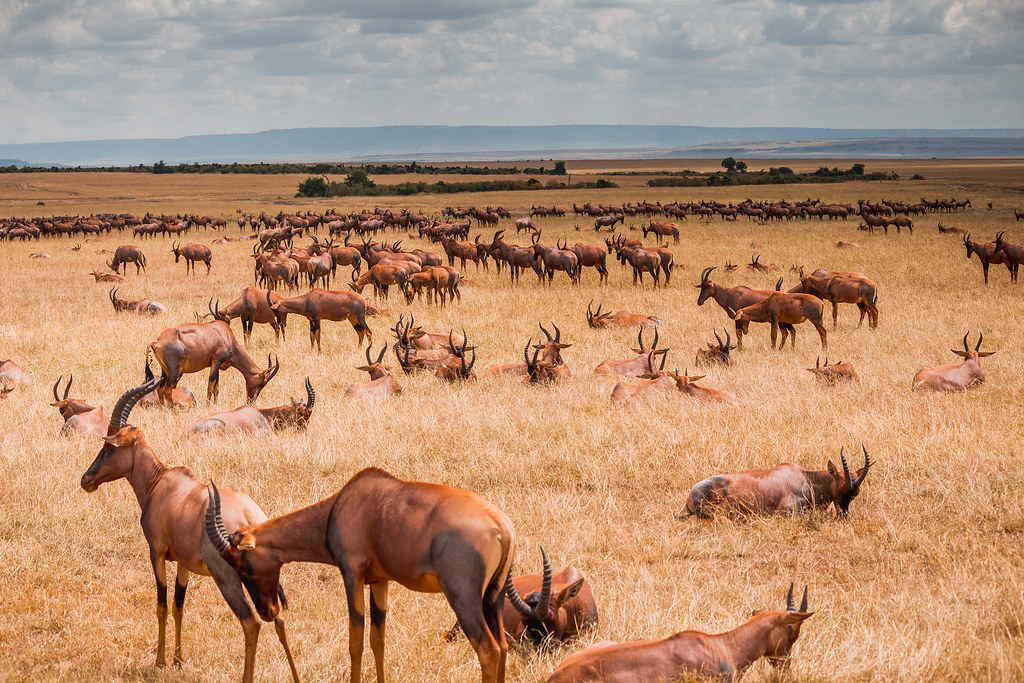
Social structure plays a central role in their behavior and thus in hunting strategy. Red hartebeest live in mixed herds typically numbering 10 to 30 animals, though larger aggregations form in good grazing years. These groups consist of adult females, their offspring, and a few young males. Mature bulls often hold territories, especially during the breeding season, marking them with dung middens and defending them vigorously. Bachelor groups of younger males roam the periphery. This setup creates opportunities: a territorial bull may be more predictable, remaining in a defined area, while mixed herds offer multiple animals but greater collective awareness. One sentinel animal usually stands watch while others feed, emitting a sharp snort at the first sign of danger. Understanding this dynamic allows hunters to identify the lead animal and plan an approach that avoids triggering the entire group.
The rut, occurring primarily from January through March in the Eastern Cape, intensifies these behaviors. During this period, territorial bulls become more aggressive and vocal, chasing rivals and herding females. Their focus on breeding can make them slightly less cautious, though never careless. Calving follows about eight months later, typically in spring, when herds become more protective. Hunters targeting a quality bull should time their trips around the rut for increased activity, but always prioritize mature animals that have already contributed to the gene pool. Ethical hunting in the Karoo emphasizes this selectivity, aligning with conservation goals that maintain healthy populations.
Feeding habits further inform tactics. Red hartebeest are primarily grazers, favoring palatable grasses, but they adapt by browsing during dry spells. In the Karoo, they often feed in the open, making them visible but requiring long, careful stalks. They drink regularly when water is available but can endure several days without it, a trait that lets them utilize remote areas. Locating water points or green patches after rain becomes a key scouting technique. Wind direction is non-negotiable; their sense of smell is acute, and even a slight shift can send a herd thundering away in their characteristic high-stepping, rocking gait that reaches speeds of 70 kilometers per hour.
Alertness and escape responses demand respect. These animals rely on sight first, then sound and scent. When alarmed, they do not always flee immediately; they may stand and stare, giving a hunter a brief window if already in position. Once they run, they often stop at a distance to look back, a habit that has ended many hunts prematurely if the shot is not taken ethically. In the open Karoo terrain, using natural features like dongas, termite mounds, or low ridges for concealment is essential. Glassing thoroughly before moving prevents bumping herds. Many experienced Karoo hunters recommend pairing with a skilled tracker who can read spoor and predict movement based on recent weather and moon phase.
Practical hunting tips flow directly from these behaviors. Start each day with quality optics from a vantage point, mapping herd locations and wind. Approach from downwind using available cover, moving only when animals have their heads down. For rifle hunters, practice shots at 200 to 300 meters, as open country often precludes closer ranges. Bowhunters face a steeper challenge and may need to employ blinds near water or feeding areas during peak times. Always confirm a clear, ethical shot on a vital area; a wounded hartebeest can cover vast distances. After the shot, give the animal time if it runs, then follow up methodically.
Conservation underpins every responsible hunt in the Eastern Cape Karoo. Red hartebeest populations remain stable and classified as least concern, thanks in part to sustainable hunting on private game farms and conservancies. Revenue from licenses and trophy fees funds habitat management, water provision, and anti-poaching efforts that benefit the entire ecosystem. Hunters contribute directly by selecting older bulls and supporting operators who follow quota systems based on annual game counts. This model has proven effective across South Africa, where well-managed hunting areas often show higher wildlife densities than unprotected lands.
Hunting red hartebeest ethically means more than a clean kill. It involves fair chase in their natural habitat, respect for other species sharing the veld, and leaving the land better than found. Many hunters return from the Karoo with a deeper appreciation for these resilient animals and the rugged beauty of the region.
Whether you are planning your first Karoo safari or returning for another season, investing time in understanding red hartebeest behavior will elevate your experience. Study the land, watch the animals, and hunt with patience and purpose. Contact a reputable Eastern Cape outfitter today to discuss dates that align with peak activity, prepare your gear, and step into the veld ready to apply these insights. Share your own observations from past hunts to help fellow sportsmen refine their approaches. The Karoo rewards those who hunt smart and hunt right.