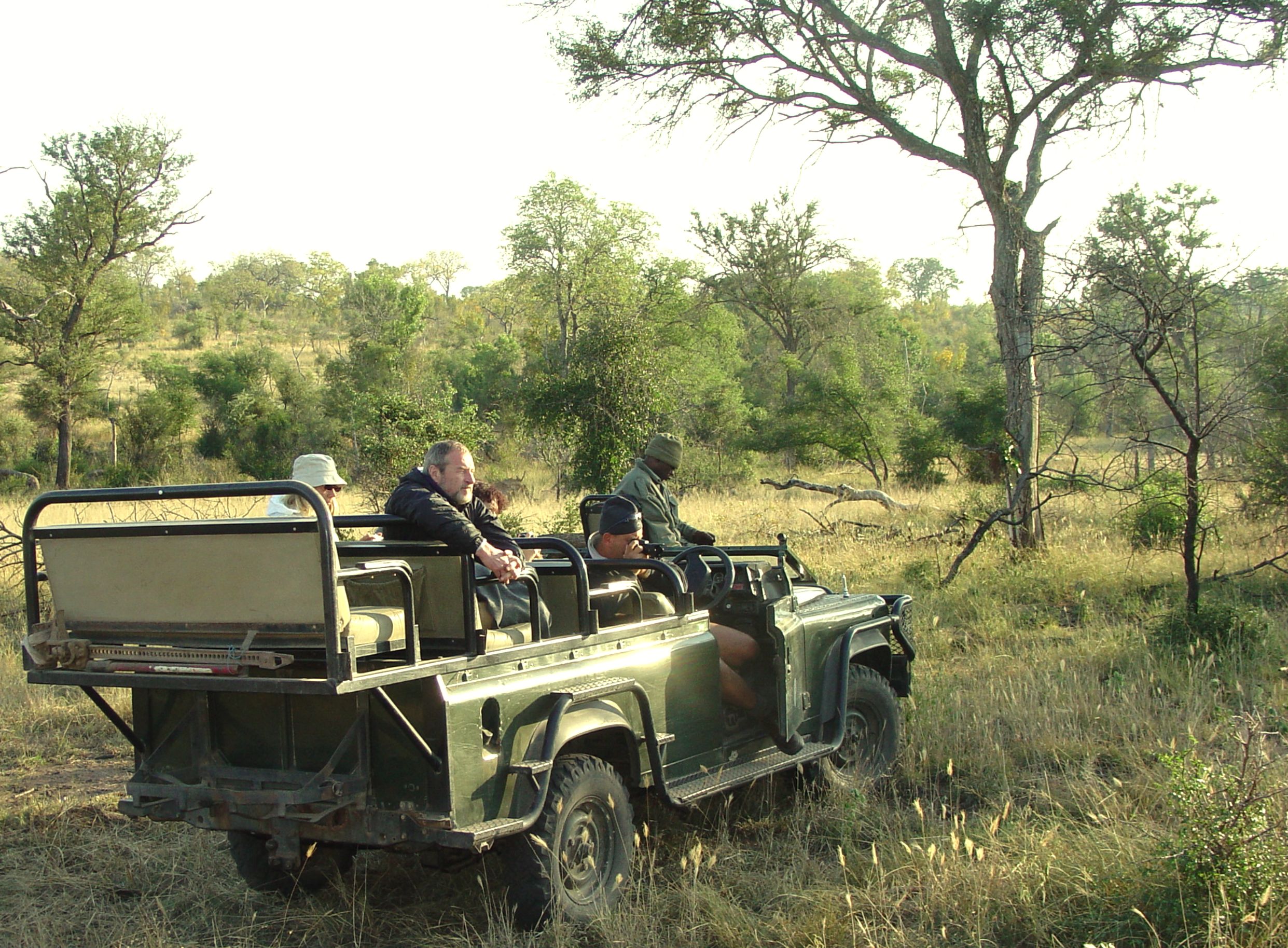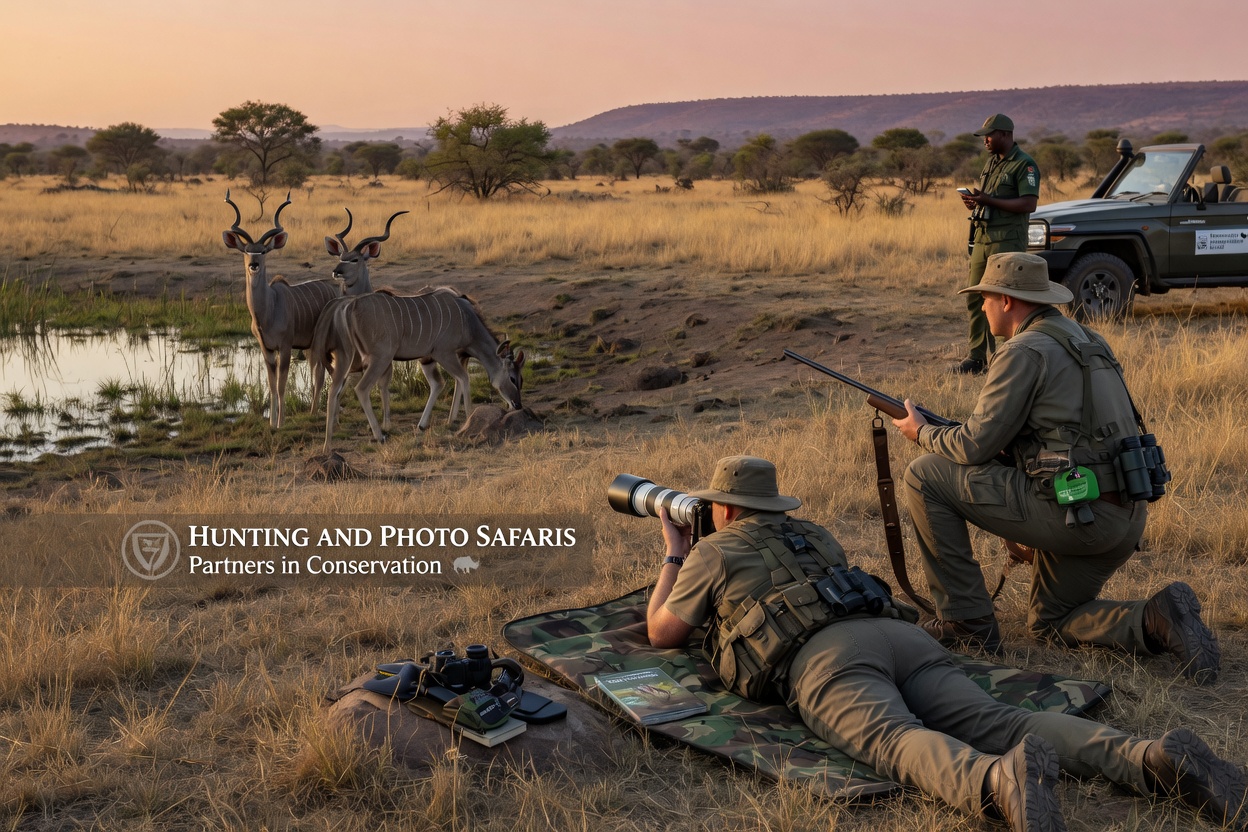
At first glance, hunting and photo safaris appear to stand on opposite sides of the wildlife world. One involves taking an animal, the other capturing its image. Yet anyone who spends time in the field quickly learns they share the same foundation: a deep dependence on healthy animal populations and unspoiled landscapes. Across Africa, North America, and other regions, these two activities operate side by side, often on neighboring properties, generating the money and political will that keep wild places wild. Understanding this partnership is essential for anyone who cares about real conservation outcomes rather than slogans.
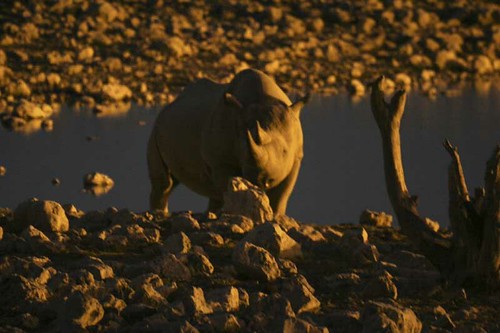
Both industries succeed only when wildlife thrives. A photographer wants to see lions, elephants, and rare antelope in natural settings. A hunter wants sustainable populations of those same species so that future generations can continue the tradition. This shared interest creates a powerful incentive to protect habitat. In Namibia, community conservancies cover more than 20 percent of the country. These areas host both photographic tourism and carefully regulated hunting. Wildlife numbers have rebounded dramatically since the 1990s precisely because local people receive tangible benefits from both activities. Elephants, lions, and black rhinos have increased because the land now has economic value that exceeds the temptation to convert it to livestock or crops.
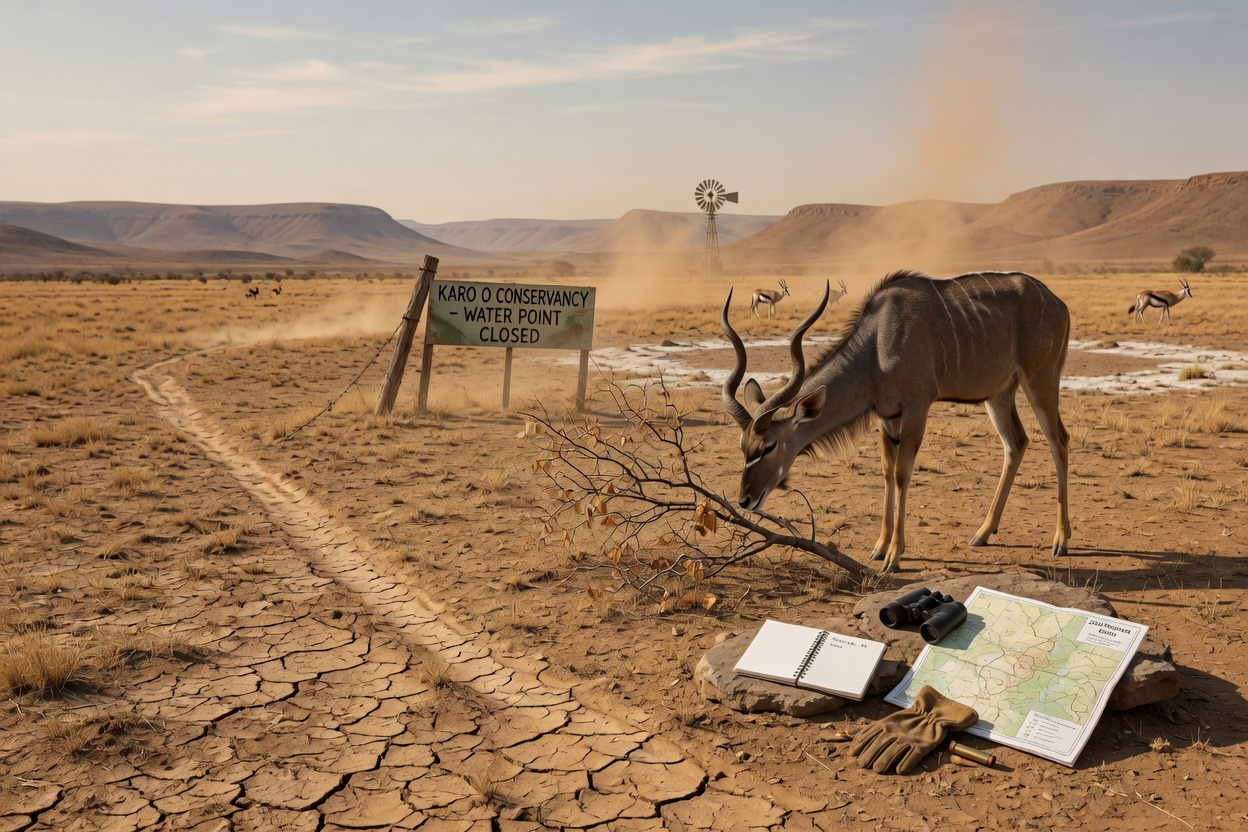
Revenue streams complement each other rather than compete. Photographic tourism typically relies on high visitor numbers in scenic, accessible parks. Hunting concessions often occupy more remote, rugged country that would never attract busloads of tourists. A single hunting client can pay tens of thousands of dollars for a week in the bush, money that covers anti-poaching patrols, water-point maintenance, and community development far more efficiently than a dozen photo tourists in some locations. Studies by the IUCN and independent researchers have shown that well-managed hunting can generate more conservation funding per hectare in certain landscapes than photography alone. That does not diminish the enormous contribution of photo tourism; it simply recognizes that different tools fit different places.
Habitat protection illustrates the partnership clearly. National parks and private reserves popular with photographers often sit next to hunting concessions. The hunting areas act as buffers, reducing human-wildlife conflict on park edges and providing extra space for animals to move. In Tanzania and Zimbabwe, hunting blocks surrounding protected areas have historically absorbed animals that wander out of parks, turning potential problem animals into a conservation asset. When hunting was banned in Botswana in 2014, elephant numbers in some areas exploded, leading to increased crop damage and retaliatory killings. The 2019 decision to resume limited hunting was driven by communities who had lost both income and tolerance for wildlife. Photo operators and hunters now work in the same broader ecosystem, each filling a niche.
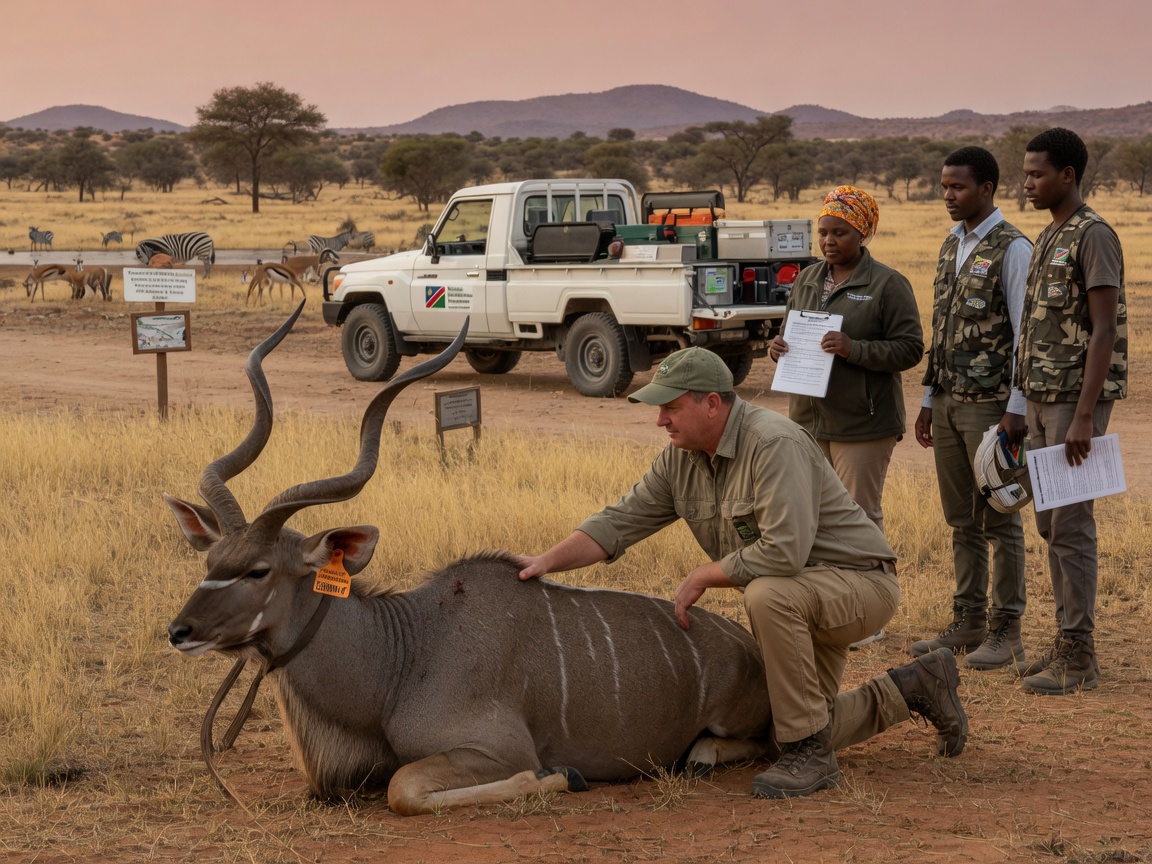
Anti-poaching efforts benefit from the combined presence. Hunting operators maintain camps and staff year-round in remote areas, providing eyes and ears that photo lodges cannot always match. Many concessions employ former poachers as trackers and scouts, converting a threat into a solution. Photo safari companies contribute through visitor fees and direct donations to ranger programs. Together they create a network of surveillance that neither could achieve alone. Recent camera-trap and aerial survey data from southern Africa show lower poaching rates in mixed-use landscapes compared with purely photographic or purely unprotected areas.
Misconceptions persist, of course. Critics sometimes claim hunting is incompatible with tourism, yet operators in South Africa, Namibia, and Zambia routinely run both on the same properties with careful zoning and scheduling. Hunting seasons often coincide with the dry months when animals concentrate around water, while photographers enjoy the green season or focus on different species. Ethical hunters and photographers share a code of respect for the animals and the land. Both groups condemn waste, unsustainable practices, and anything that damages the resource they both need.
Practical cooperation is growing. Some lodges now offer mixed itineraries where guests can photograph during the day and learn about hunting conservation in the evening. Hunters and photographers exchange information on animal movements, improving success and safety for everyone. Travelers can support the partnership by choosing operators who publish transparent conservation reports, employ local staff, and reinvest a clear percentage of revenue into habitat and community projects. Ask questions about how fees are used. Visit conservancies that demonstrate measurable wildlife increases. Share accurate information rather than recycled slogans.
The future of many iconic species depends on keeping both industries viable and ethical. Climate change, habitat loss, and human population growth will only increase pressure on wild lands. Photo safaris bring awareness and volume. Hunting brings high-value, low-impact use of marginal areas. Side by side they create a more resilient conservation model than either could achieve independently. The animals do not care about our philosophical debates; they need space, water, and protection from illegal killing. When hunting and photography work together, those needs are more likely to be met.
If you care about wildlife, look beyond the surface conflict. Support the operators, communities, and policies that treat both activities as legitimate tools. Visit a conservancy that hosts both. Talk to the people who live with the animals every day. The partnership is already happening on the ground. Our job is to understand it, strengthen it, and make sure it continues to deliver results for the wild places we all love.