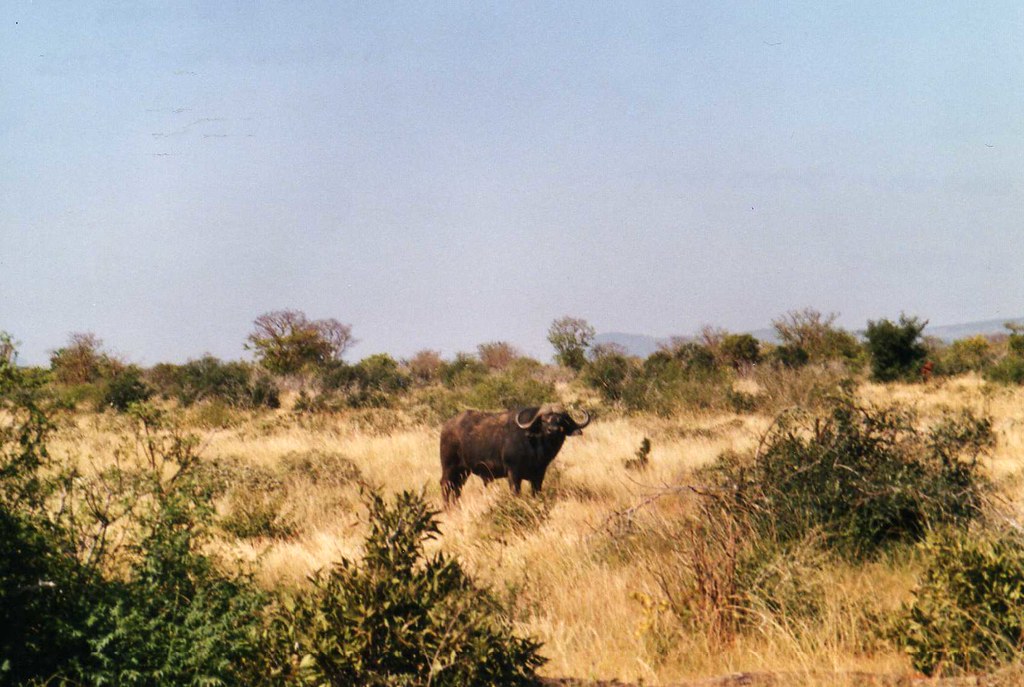
Hunting dangerous game represents the ultimate test for any hunter. Facing a Cape buffalo, lion, leopard, elephant, or hippo in thick cover delivers an adrenaline rush unlike anything else in the sporting world. For first-timers, that excitement often mixes with nerves, and nerves can lead to mistakes. These animals have killed hunters, trackers, and professional hunters (PHs) when protocols break down. The good news is that most incidents stem from preventable errors rather than bad luck.
Dangerous game hunting also plays a documented role in conservation. In southern Africa, legal hunting generates millions in revenue that funds anti-poaching units, habitat protection, and community programs. Organizations such as the Professional Hunters' Association of South Africa and various national parks report that well-regulated hunts help maintain healthy populations of species that would otherwise face greater pressure from habitat loss and illegal activity. Ethical, safe hunts therefore serve both the hunter and the wildlife. Getting home safely and leaving a positive conservation footprint starts with recognizing the most common mistakes new hunters make.
The first major error is arriving under-gunned or under-practiced. Many beginners show up with a rifle they have fired only a few times at a square range. Dangerous game demands a minimum of .375 H&H Magnum, with many PHs preferring .416 Rigby, .458 Lott, or similar for buffalo and elephant. More important than caliber is familiarity. You must be able to shoot accurately from shooting sticks, kneeling, sitting, and offhand after a long walk in heat. Recoil management, follow-through, and a second-shot capability matter because a wounded buffalo or lion often charges. Practice sessions should include rapid follow-up shots and shooting after physical exertion. Hunters who skip this preparation frequently miss vital zones or freeze when the animal turns. Data from safari operators consistently show that clients who complete pre-hunt rifle practice have significantly higher first-shot success and fewer dangerous follow-ups.
A second frequent mistake is failing to treat the professional hunter as the undisputed team leader. The PH has spent years reading animal behavior, wind, and terrain in that specific concession. First-time hunters sometimes second-guess instructions, wander off the line, or insist on a closer approach. This breaks the safety bubble the PH has established. Trackers and the PH position themselves to cover you and to deliver a backup shot if needed. When a client ignores a hand signal or speaks at the wrong moment, the entire party becomes exposed. Experienced PHs repeatedly emphasize that the client’s job is to stay quiet, stay in position, and shoot only when told. Those who follow this simple rule dramatically reduce the chance of a charge developing into a close-quarters emergency.
Positioning and approach errors rank high on the list of avoidable problems. New hunters often want to get as close as possible for photographs or a “better” shot. Dangerous game, especially buffalo and elephant, have poor eyesight but excellent hearing and smell. Approaching from the wrong angle, failing to use available cover, or standing in the open after the shot invites disaster. The correct method involves using the wind, staying in the PH’s shadow, and selecting a shooting lane that allows a clear escape route. After the shot, remaining still until the PH confirms the animal is down prevents many follow-up charges. Hunters who rush forward to “check” a downed animal have been surprised more than once.
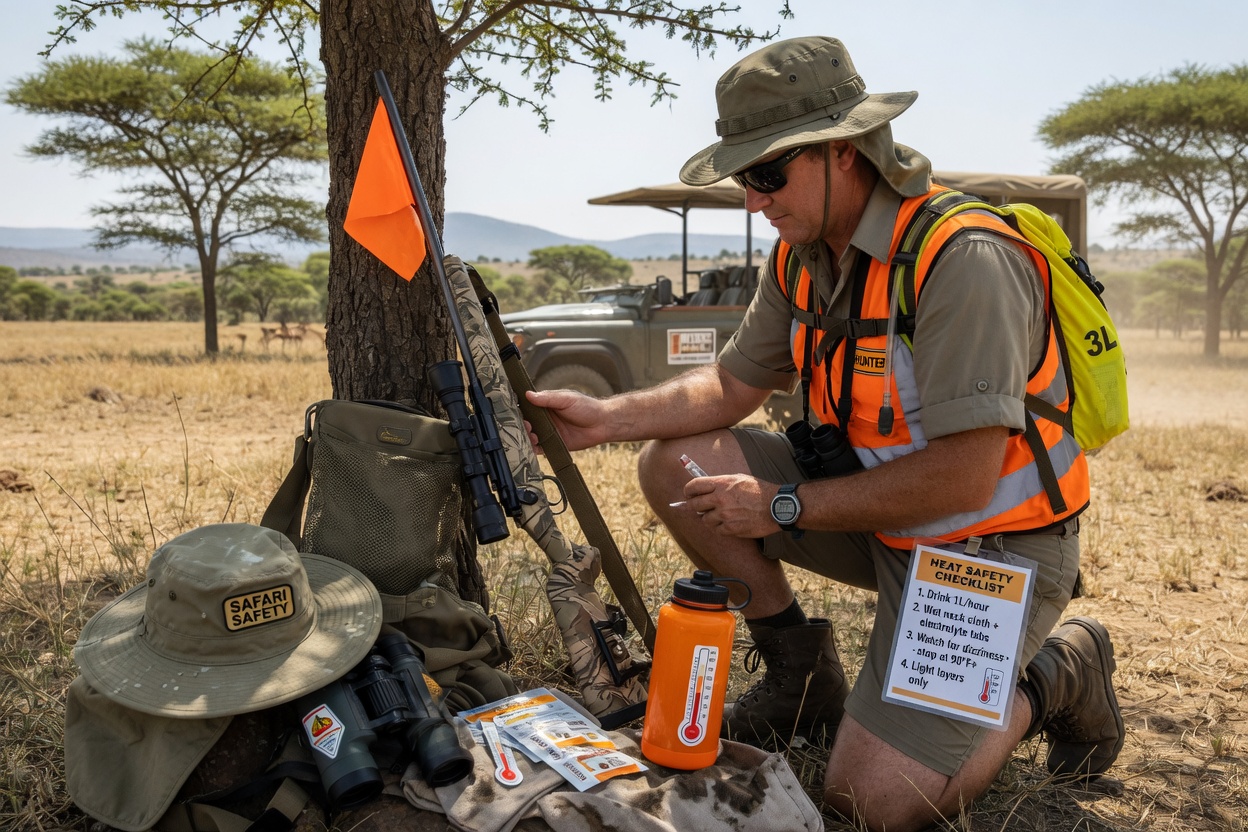
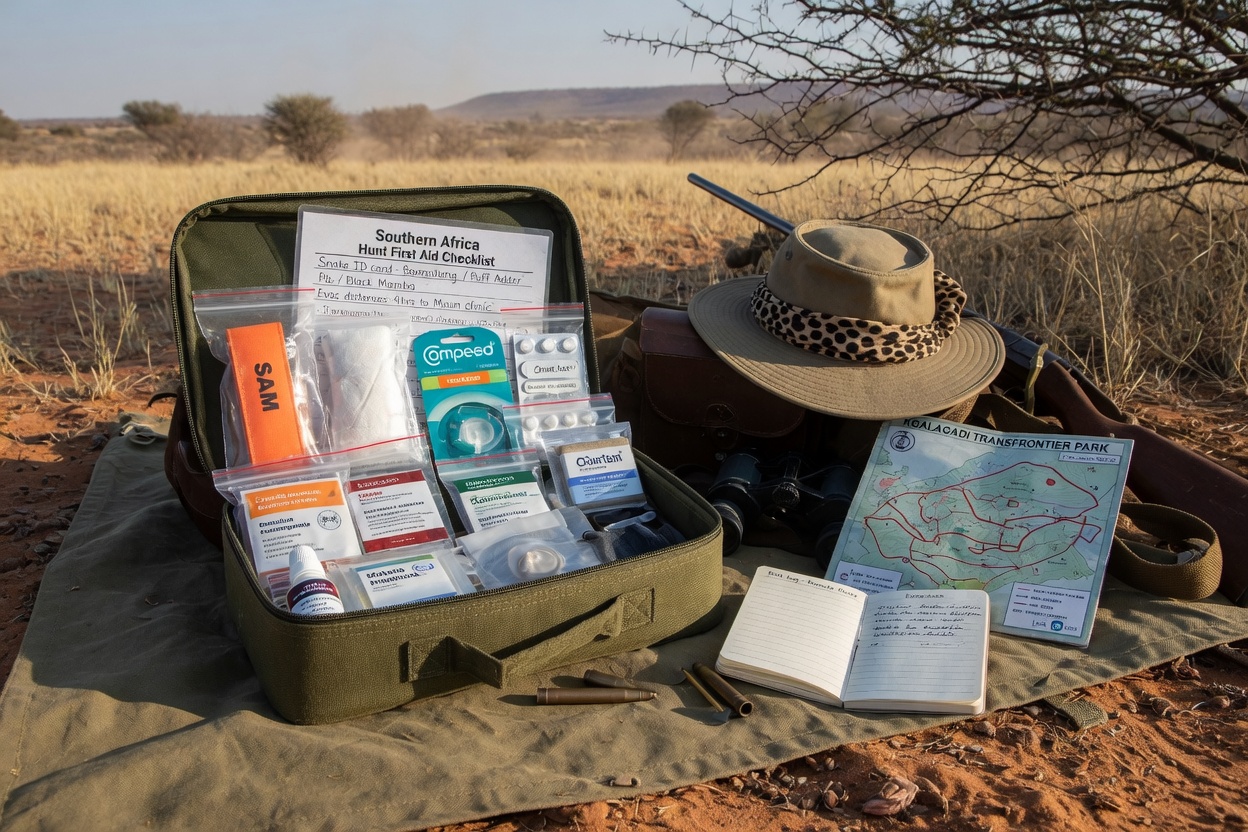
Environmental awareness is another area where beginners falter. Wind direction changes constantly in African bush. A shift of even a few degrees can carry human scent to a lion or buffalo that was previously unaware. Heat, dehydration, and fatigue compound the problem. Many first-timers underestimate how quickly 35-degree Celsius temperatures plus adrenaline drain decision-making ability. Poor hydration leads to shaky hands and delayed reactions. Simple habits—drinking regularly, wearing a hat, and taking short rest stops—keep judgment sharp. Terrain also matters. Soft sand, thick jesse bush, or riverine areas restrict movement and hide animals until they are dangerously close. Studying the concession map with the PH the night before and discussing likely scenarios prepares the mind for what the body will encounter.
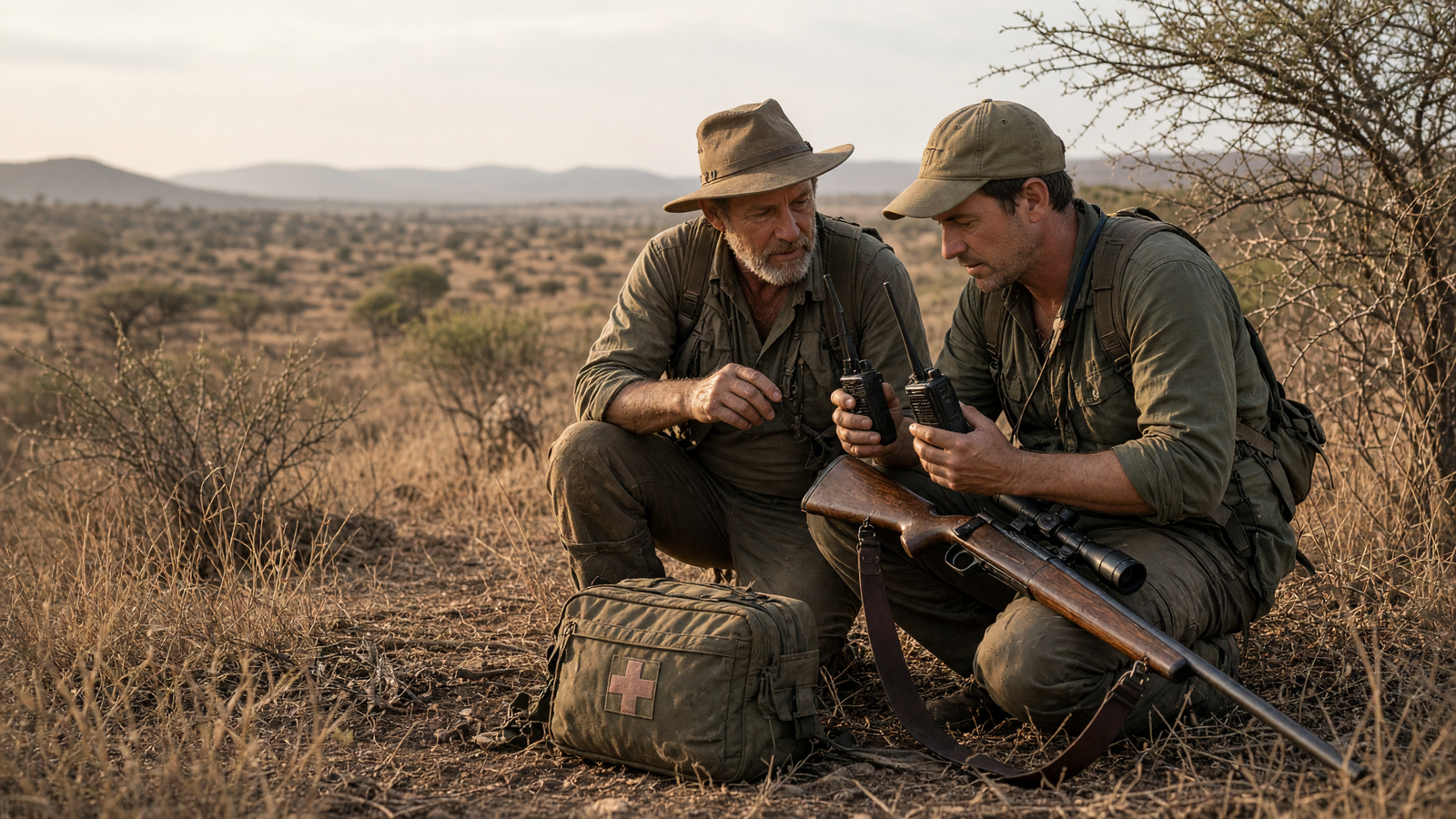
Communication breakdowns and the absence of a clear backup plan create additional risk. On a dangerous game hunt everyone must know who shoots first, who provides backup, and what the signal is for a charge. Radios or simple hand signals keep the party coordinated. Clients sometimes forget to announce when they are reloading or when they have lost sight of the animal. A wounded dangerous animal that disappears into cover requires an organized follow-up, not a panicked rush. Professional outfits rehearse these procedures; first-timers who treat the hunt like a casual walk often find themselves isolated at the worst moment.
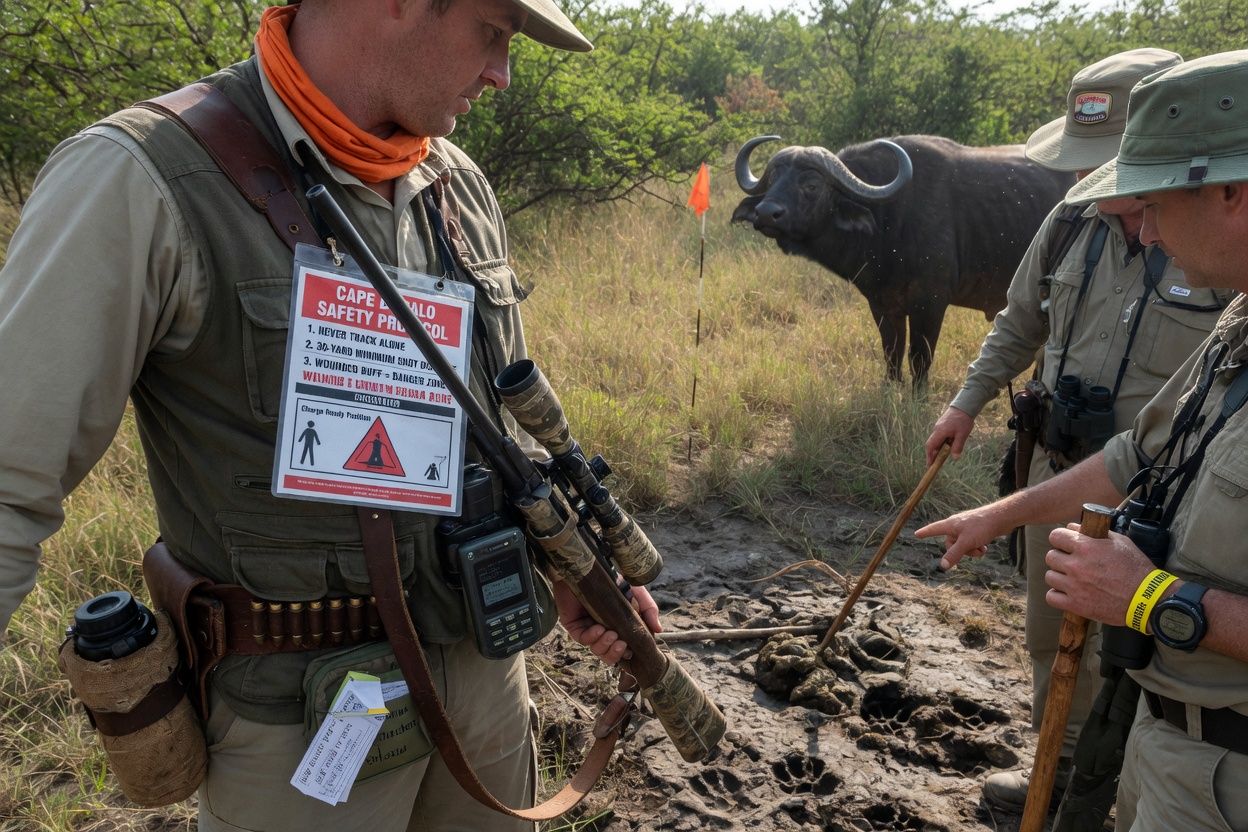
Overconfidence after an initial success is a subtle but real danger. A clean first buffalo can create the illusion that the hunt is easy. The next animal may be in thicker cover, the wind may switch, or the shot may be slightly off. Wounded dangerous game is exponentially more dangerous than unwounded game. Buffalo in particular are famous for circling back and waiting in ambush. Hunters who relax their focus or start taking photographs immediately after the shot have paid a high price. Maintaining the same level of alertness from first light until the animal is recovered and loaded is non-negotiable.
Physical and mental preparation extend beyond the rifle. Many first-time hunters arrive in average condition and discover that tracking for hours in heat, carrying a heavy rifle, and remaining motionless for long periods is exhausting. A basic fitness program of walking with a pack and practicing shooting positions weeks before departure pays dividends. Equally important is mental rehearsal. Visualize a charge, a miss, a follow-up shot, and the need to stay calm. Hunters who have mentally walked through these scenarios react faster and more correctly when they occur.
Legal and ethical considerations also affect safety. Hunting without the proper permits, using unregistered rifles, or ignoring local regulations can lead to rushed decisions or confrontations with authorities at the worst possible time. Ethical shot selection—waiting for a clear broadside or quartering-away presentation—reduces the chance of a wounded animal. Conservation-minded hunters understand that a clean, quick kill is both the ethical and the safest outcome.
The combination of these errors often appears in incident reports: an under-practiced shooter, a ignored PH instruction, a wind shift, and a follow-up that was never planned. The result can be injury or worse. Conversely, hunters who treat preparation as seriously as the hunt itself almost always return with great memories and a deeper respect for the animals.
If you are planning your first dangerous game hunt, start now. Book with a reputable, licensed outfitter who employs experienced PHs and trackers. Complete a dangerous-game shooting course if one is available in your area. Practice with the exact rifle and ammunition you will use. Study animal behavior, learn basic tracking signs, and get in shape. Discuss every scenario with your PH before you leave camp each morning. These steps are not optional extras; they are the difference between a successful, ethical hunt and a story no one wants to tell.
Dangerous game hunting, done correctly, is one of the most rewarding experiences a hunter can have. It demands humility, discipline, and respect for both the animal and the people who share the bush with you. Avoid the common errors, hunt ethically, and you will contribute to conservation while creating memories that last a lifetime. Contact a qualified outfitter today, ask the hard questions about safety protocols, and prepare thoroughly. The African bush rewards those who take it seriously.