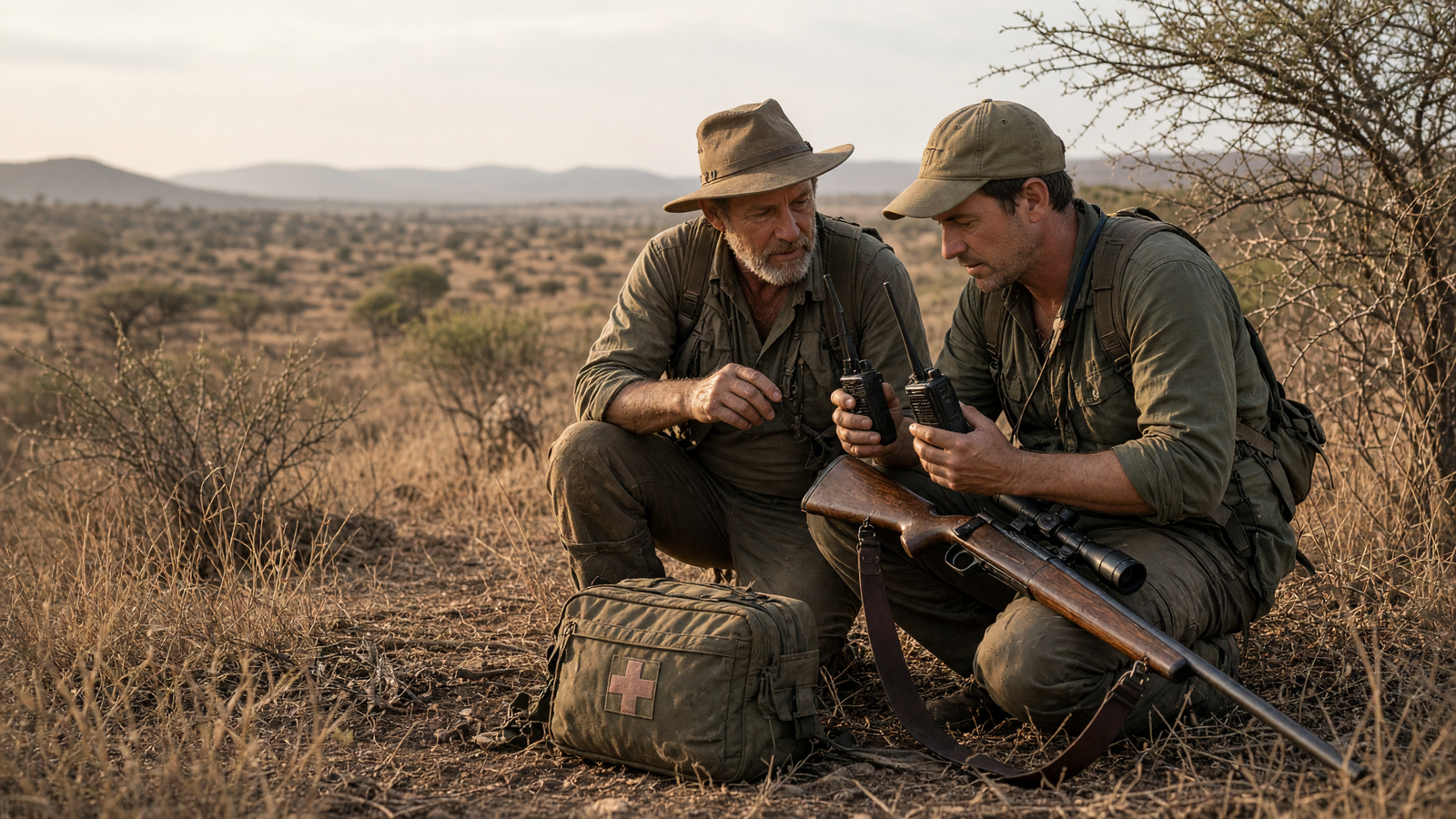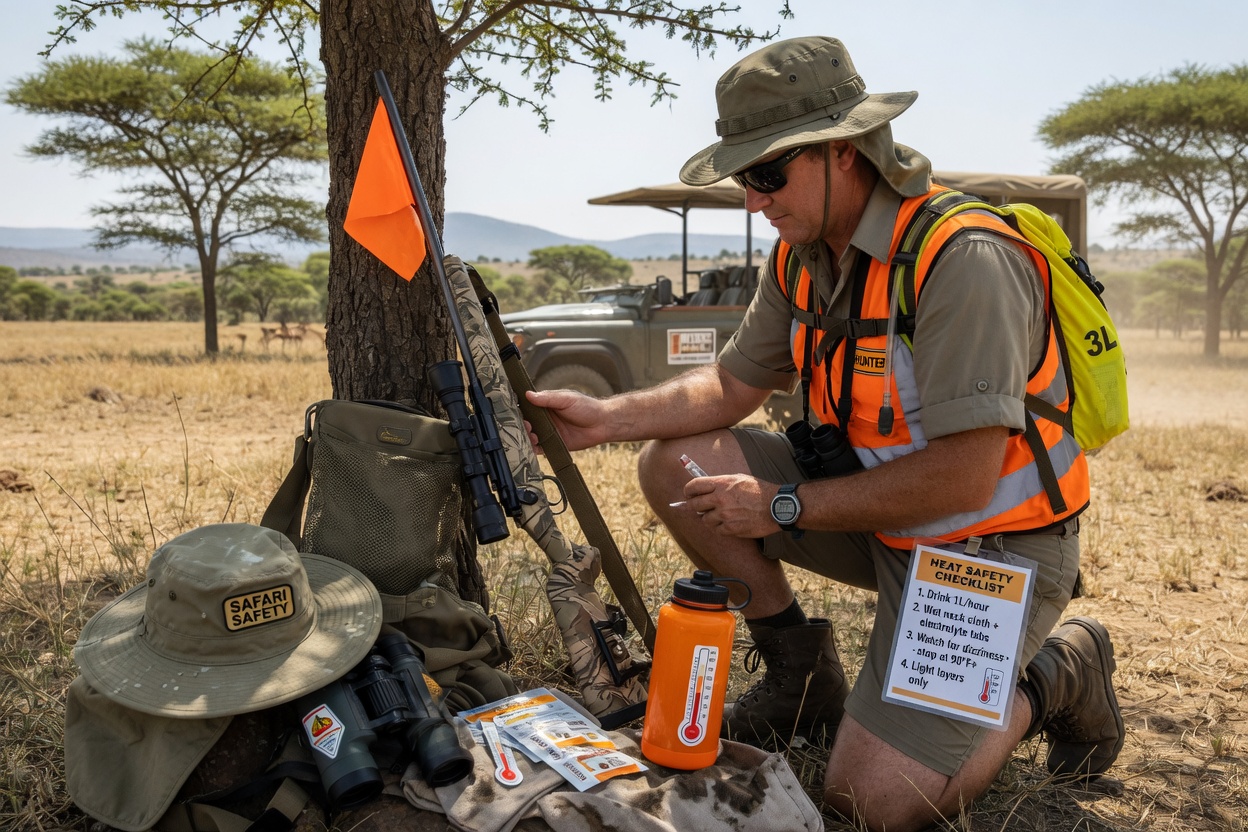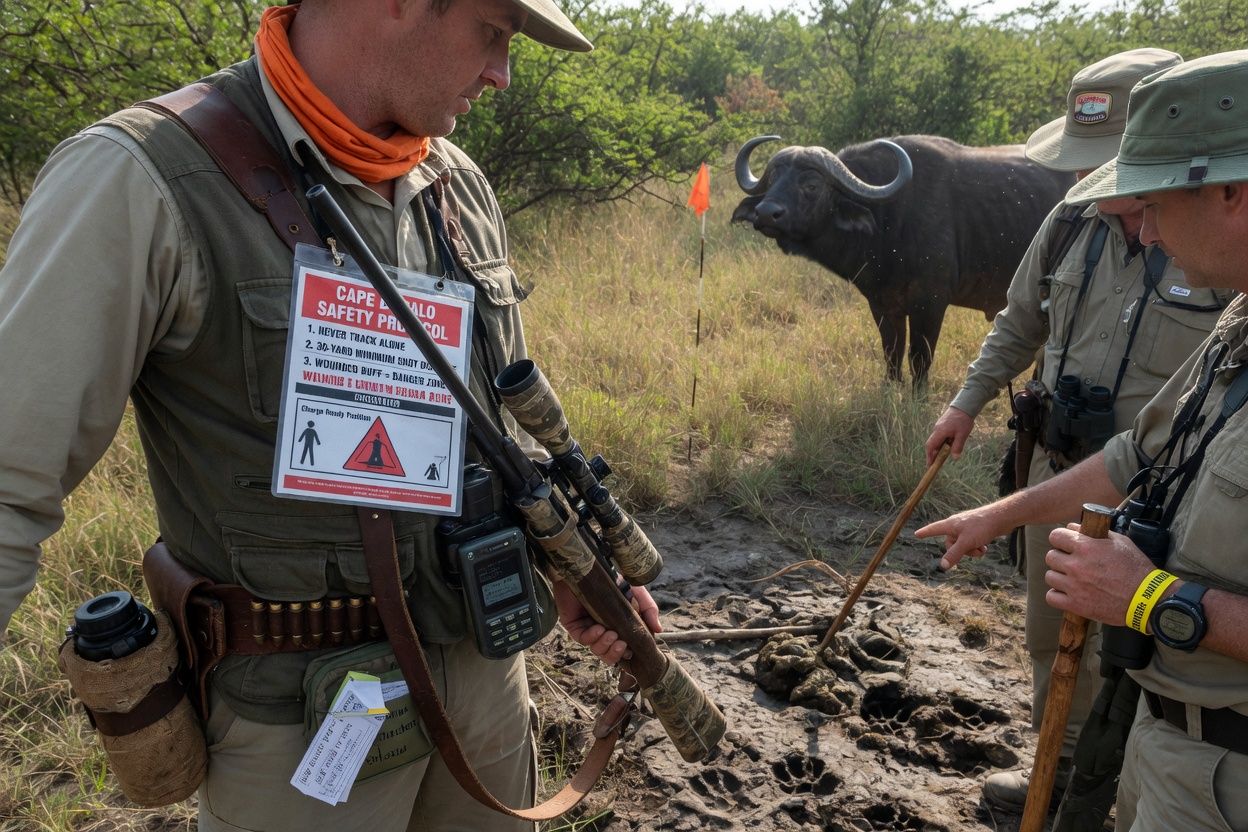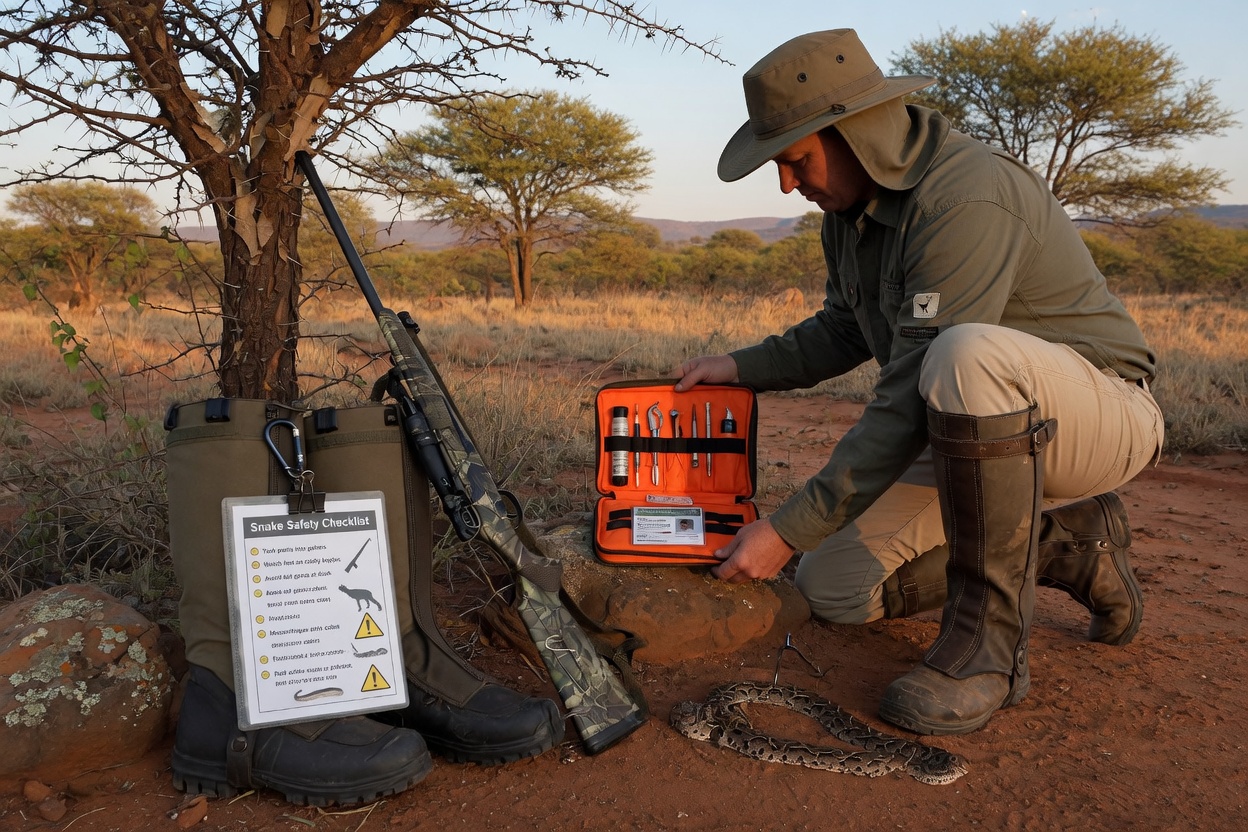
Hunting the diverse landscapes of Southern Africa ranks among the greatest adventures available to dedicated sportsmen. Tracking kudu through the thorny bushveld, glassing for gemsbok across the Kalahari, or sitting over a waterhole for buffalo delivers unmatched excitement and a deep connection to wild places. Yet these same habitats support a remarkable array of snakes, including several highly venomous species. Snake bite prevention therefore belongs at the top of every hunter’s preparation list. With sound knowledge, the right habits, and respect for the environment, the risk remains low and the hunt stays focused on the game rather than the ground.
Southern Africa hosts more than 170 snake species, of which roughly twenty can deliver medically significant bites. The puff adder accounts for the majority of serious incidents because of its superb camouflage and reluctance to move when approached. It prefers grasslands, rocky kopjes, and the edges of game paths, exactly the places hunters walk. The black mamba, though less frequently encountered, is justly famous for its speed and potent neurotoxic venom; it often occupies trees, termite mounds, and riverine thickets. Cape cobras, Mozambique spitting cobras, boomslangs, and rinkhals add further variety. Activity peaks during the warmer months from September through April, overlapping the prime hunting seasons in South Africa, Namibia, Botswana, and Zimbabwe. Understanding these patterns lets you anticipate rather than react.
Proper clothing forms the first practical line of defense. Choose leather boots that rise well above the ankle and consider adding snake-proof gaiters for extra protection in tall grass. Long, sturdy trousers tucked into the boots create a barrier that most fangs cannot easily penetrate. Leave sandals and light camp shoes packed away until you are inside a securely zipped tent. When moving through cover, adopt a deliberate walking style: plant each foot only after scanning the ground immediately ahead. A walking stick or shooting sticks can double as a probe to disturb vegetation before you step. Never place hands or feet into unseen spaces—under logs, inside aardvark holes, among loose rocks, or beneath a downed animal. These simple rules eliminate the majority of accidental encounters.
Camp discipline is equally vital. Keep tents fully zipped at all times and develop the habit of shaking out boots, clothing, and sleeping bags every morning. Store food in sealed containers so rodents do not attract snakes into the living area. At night use a bright flashlight and inspect chairs, paths, and the immediate surroundings of the fire before sitting or walking. Professional hunters and their trackers possess intimate local knowledge; they notice subtle signs of snake activity that visitors miss. Follow their instructions without debate. If a snake is spotted, give it a wide berth and allow it to move off. Most bites occur when people attempt to kill, capture, or photograph a snake at close range. Ethical hunting includes respect for every creature that shares the habitat. Snakes perform an essential service by controlling rodent populations that would otherwise damage vegetation and compete with game animals. Unnecessary killing serves neither conservation nor safety.
Should a bite occur despite precautions, the response must be calm and methodical. Panic accelerates circulation and can spread venom faster. Immobilize the affected limb with a splint or improvised support and keep it roughly level with the heart. For bites from cobras, mambas, and other elapids, apply a firm pressure-immobilization bandage starting at the bite and wrapping toward the torso; the pressure should be snug but not so tight that it cuts off blood flow. Avoid all the old folk remedies: do not cut the wound, suck out venom, apply ice, use a tourniquet, or administer electric shocks. These practices increase tissue damage and delay proper care. If it can be done safely, photograph the snake from a distance or note its appearance; this information helps medical staff select the correct antivenom. Immediate evacuation to a hospital is essential. Reputable outfitters maintain detailed emergency plans and satellite communication. Antivenom produced by the South African Vaccine Producers remains the cornerstone of treatment and is stocked at major hospitals throughout the region. Recent WHO initiatives launched in 2019 have improved rural clinic training and antivenom distribution, steadily reducing mortality even in remote areas.
In more than two decades of guiding hunts I have witnessed how quickly a relaxed moment can turn serious. One afternoon in the Limpopo lowveld a client, focused on a distant impala ram, nearly placed his boot on a perfectly camouflaged puff adder. A quiet word from the tracker froze everyone in place until the snake was given room to depart. That incident, like several others, reinforced that constant awareness is the hunter’s most reliable tool. Climate shifts appear to be extending snake activity later into the season in some districts, making vigilance year-round rather than merely seasonal.
By combining knowledge of local species, disciplined field habits, and a conservation-minded attitude, hunters can enjoy Southern Africa’s superb game fields with confidence. The same respect that guides ethical shot placement and fair-chase principles applies to every animal on the landscape, snakes included. Preparation does not diminish the adventure; it protects it.
If you are planning a Southern African hunt, choose an outfitter who includes thorough safety briefings and maintains proven medical evacuation protocols. Reach out to our team to discuss dates, species, and the practical steps we take to keep every client safe while pursuing the hunt of a lifetime.