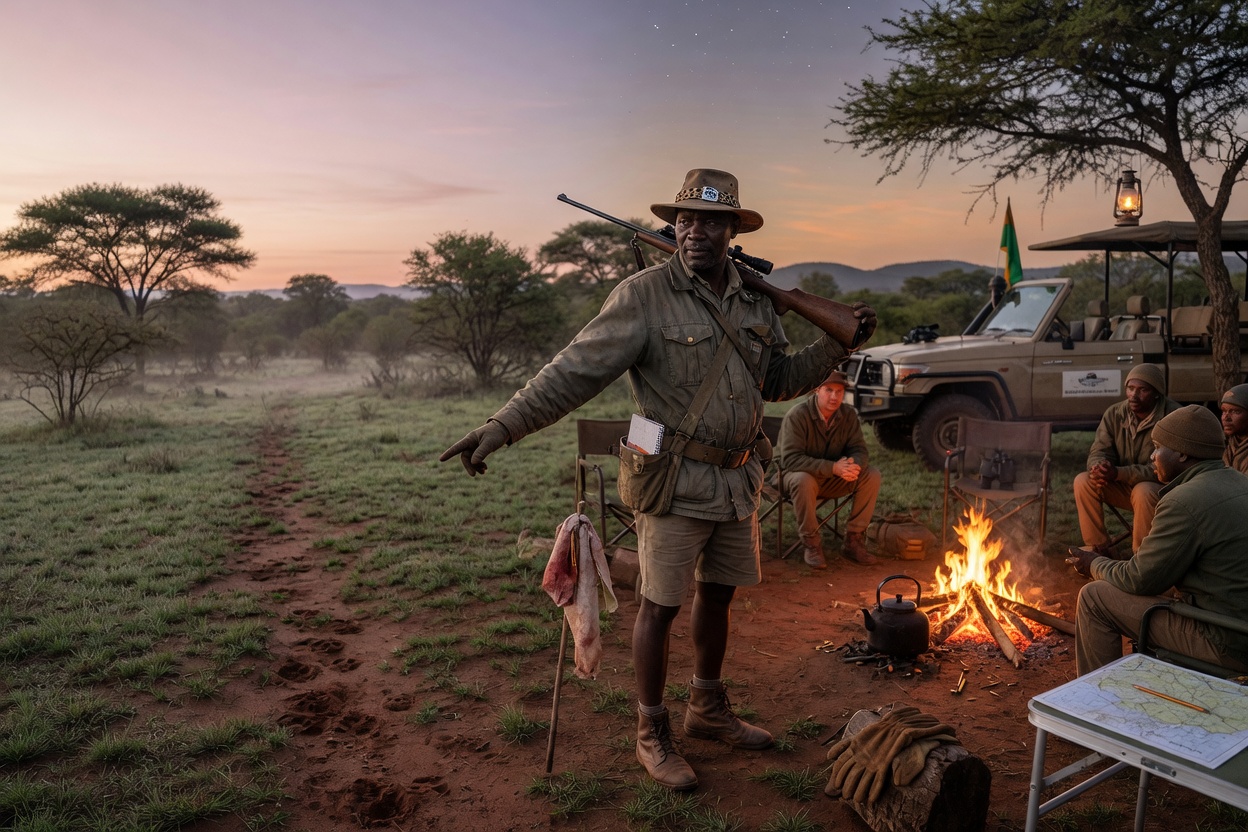
The first light has not yet touched the mopane trees when the alarm sounds. It is 4:15 a.m. in a hunting concession along the Luangwa Valley, and the professional hunter is already sitting up on his camp cot, listening. A distant hyena whoops. Somewhere closer, a nightjar calls. Coffee is already brewing on the fire that the camp staff started an hour earlier. This is how every hunting day begins in Zambia: not with drama, but with quiet readiness.
A professional hunter, or PH, in Zambia is far more than a guide with a rifle. He or she holds a government license issued by the Department of National Parks and Wildlife, has passed rigorous exams on law, ballistics, first aid, and species identification, and carries legal responsibility for every client, every tracker, and every animal taken. The work is seasonal, physically demanding, and deeply tied to the health of Zambia’s Game Management Areas. What follows is a typical day during the May-to-November hunting season, drawn from the routines of licensed operators who have spent decades in these concessions.
By 4:45 a.m. the PH is at the mess tent with the client, the head tracker, and the two skinners. Maps come out. Yesterday’s tracks are reviewed. The client wanted a mature buffalo bull; the tracker reported fresh spoor near a waterhole six kilometers east. Wind direction is checked with a simple pinch of dust. Breakfast is porridge, eggs, and strong tea—enough calories for a long walk, nothing heavy. The PH reminds everyone of the day’s safety rules: muzzle awareness, no shots beyond 150 meters unless the animal is already down, and the client never walks in front of the PH. These are not suggestions. They are the difference between a clean hunt and a tragedy.
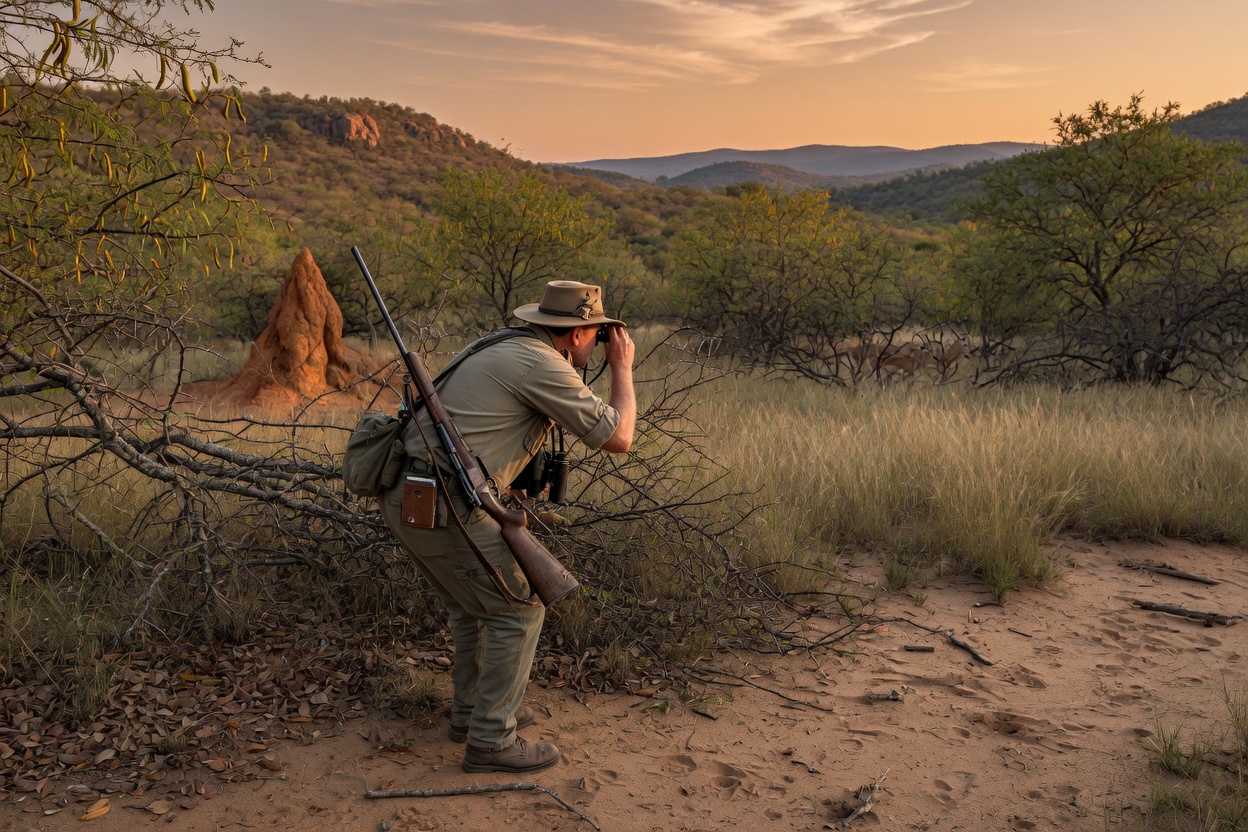
The vehicle leaves camp at first light. In Zambia most professional hunters still prefer to walk once they reach the hunting area. The Land Cruiser drops the party two kilometers from the last known tracks. Then it is boots on the ground. The tracker, often a local man who has read the bush since childhood, takes the lead. The PH walks second, rifle slung but instantly accessible, eyes constantly scanning for the animal, for other hunters, and for the client’s position. The client follows, learning to place each foot where the tracker placed his. Conversation stops. The only sounds are the crunch of dry grass and the occasional hand signal.
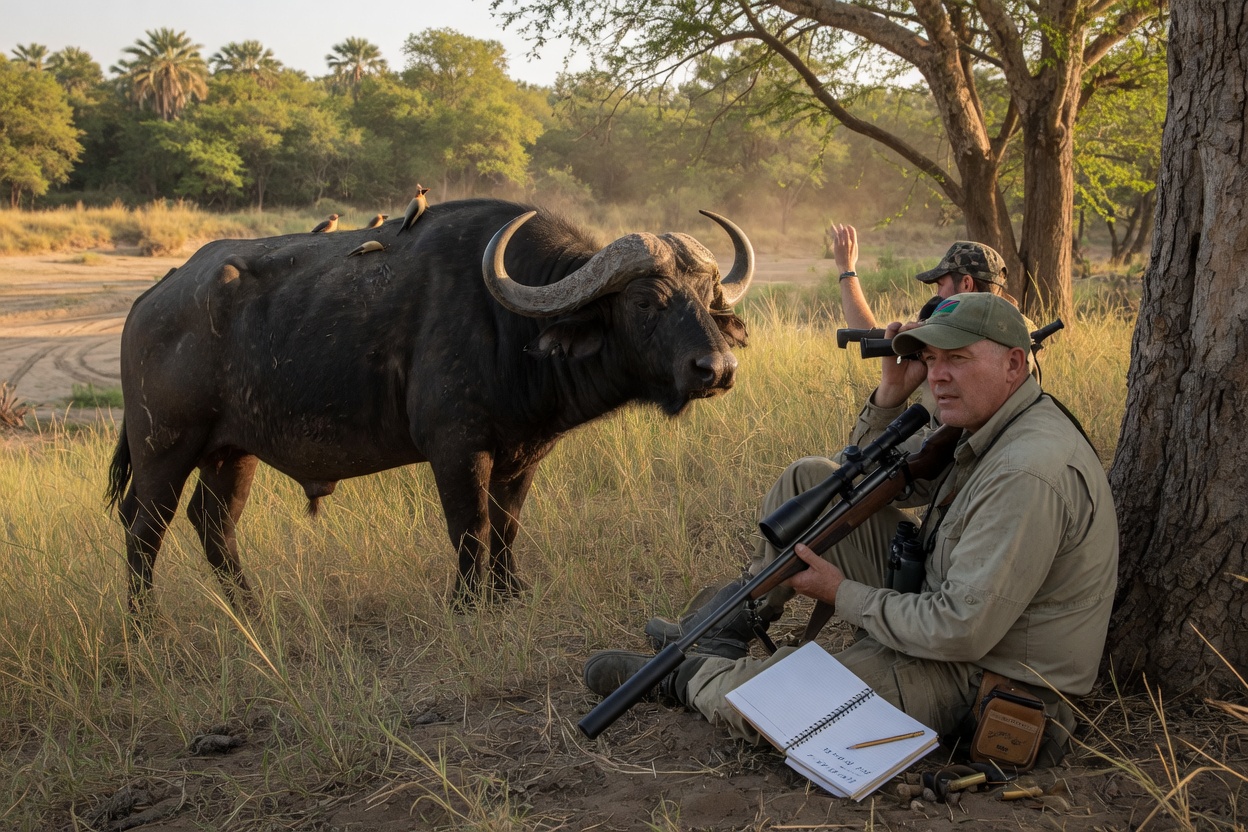
Tracking a buffalo in thick jesse bush can take three hours. The PH watches the client’s breathing, the way the rifle is carried, the first signs of fatigue. Heat builds quickly. By 9 a.m. it is already 32 degrees Celsius. Water is sipped, never gulped. The PH carries a compact medical kit, a GPS, and a satellite communicator; Zambia’s concessions are remote and evacuation can take hours. When the herd is finally located, the real work begins. The PH glass the animals, looking for the oldest bull with worn bosses and a heavy, hard-bossed head. Age and trophy quality matter because Zambia’s regulations, like those in many Southern African countries, are designed to remove older males that are past their breeding prime. A 2019 study published in the journal Conservation Biology noted that well-regulated offtake of post-prime males can actually improve herd genetics and reduce conflict with farmers. The PH will not allow a shot at a cow or a young bull, no matter how much the client wants it.
The stalk itself is slow. Ten meters, then freeze. Another five. The PH positions the client for a broadside or slightly quartering-away shot that will reach the heart-lung area. If the angle is wrong, they back out. Fair chase is not a slogan here; it is the only way the PH keeps his license and his reputation. When the shot is taken, the PH’s own rifle is already up, ready for a follow-up if needed. One clean shot is the goal. Two is acceptable. Three is a failure of judgment. After the animal is down, a moment of silence is observed. The PH then confirms the sex, age, and that the animal is indeed dead before anyone approaches. Photographs are taken quickly and respectfully. The skinners begin their work while the PH radios camp for the recovery vehicle.
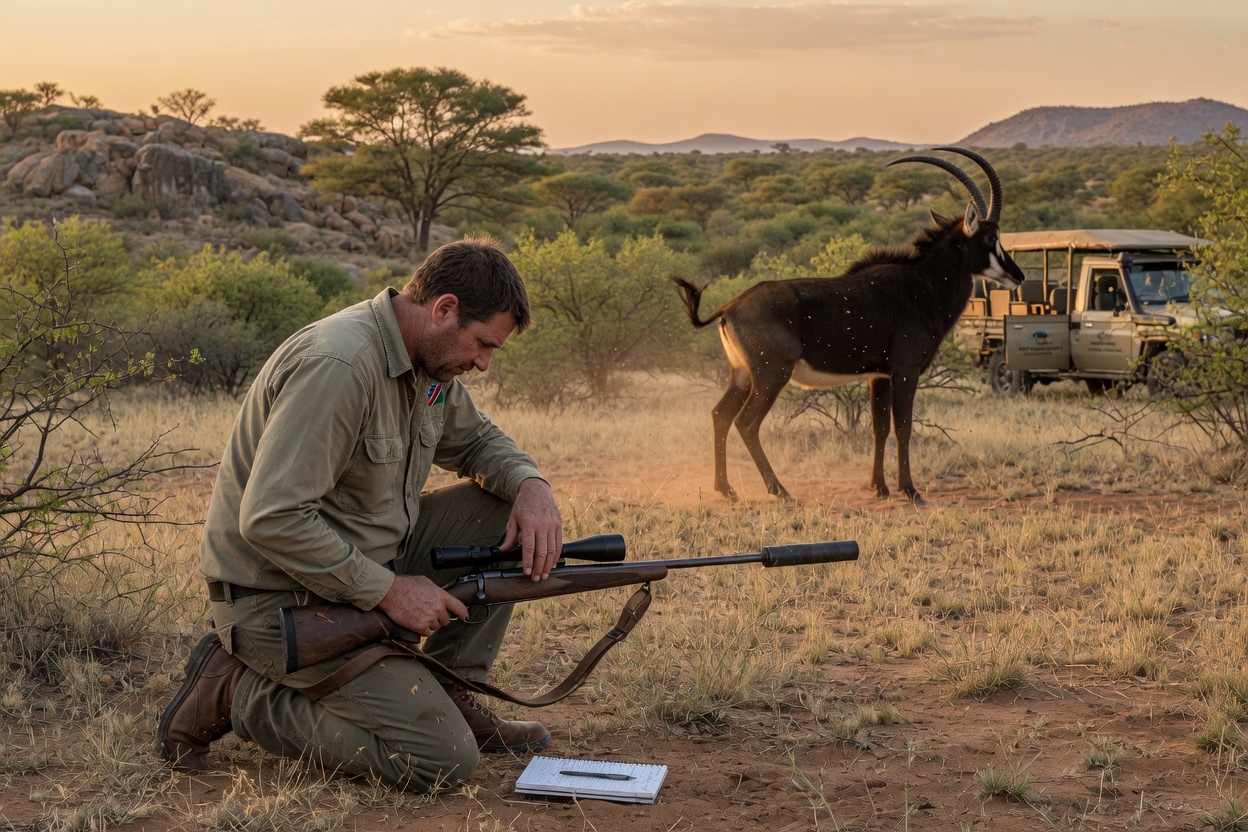
Midday is spent in the shade. Zambia’s midday heat is brutal, and most professional hunters schedule a two-hour rest. Lunch is simple—cold meat, fruit, more water. This is when stories are swapped: the time a wounded leopard charged from three meters, the night an elephant walked through camp, the tracker who can identify individual lions by their tracks. The PH uses these hours to check the client’s rifle zero again, to discuss the afternoon plan, and to talk frankly about conservation. Hunting in Zambia is not tourism dressed up as sport. License fees, concession rentals, and community levies generate millions of dollars that pay game scouts, maintain water points, and compensate villagers for crop-raiding elephants. A 2022 report by the Zambia Department of National Parks and Wildlife showed that hunting concessions in the Luangwa and Kafue ecosystems employed more than 1,200 local people seasonally and funded anti-poaching patrols that covered 28,000 square kilometers. Without that revenue, many of those areas would revert to agricultural pressure or illegal bushmeat hunting.
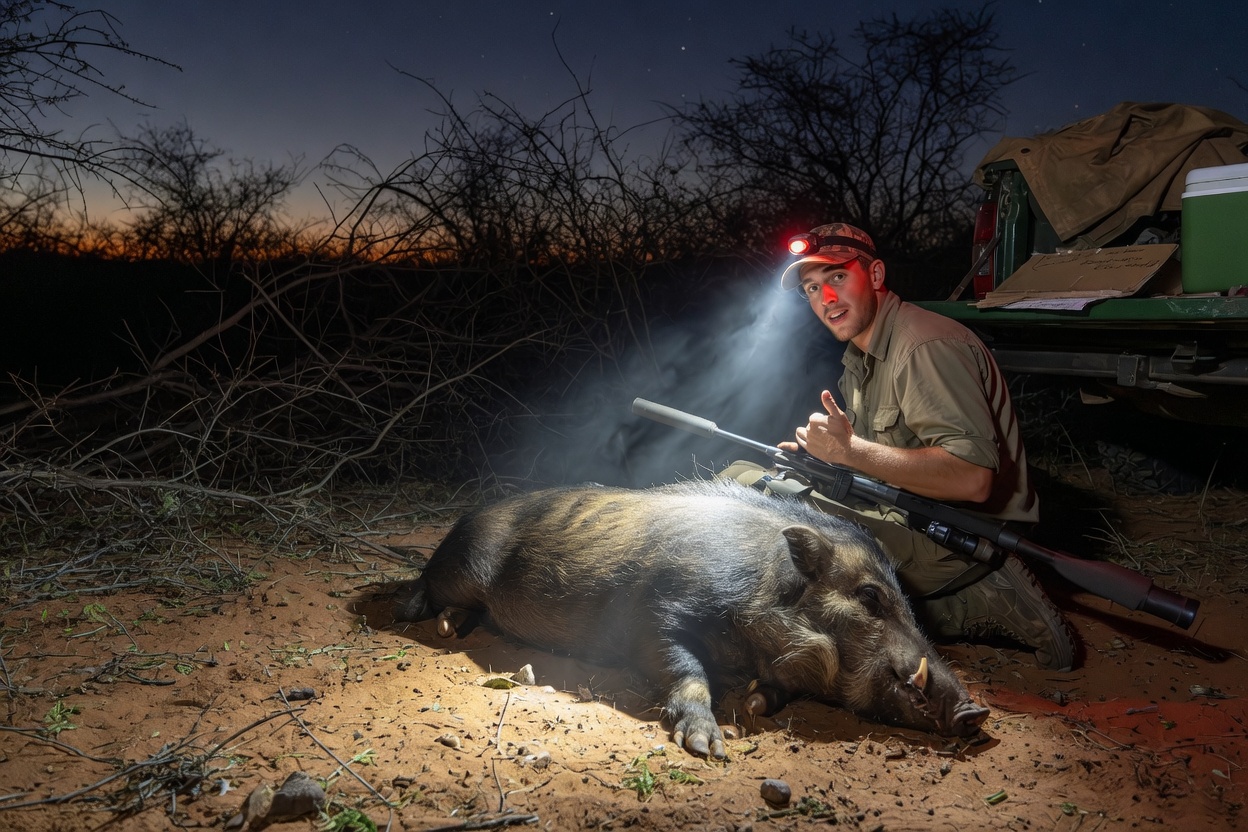
The afternoon hunt often targets plains game—impala, puku, or a warthog—or a second attempt at a buffalo if the morning was unsuccessful. Light is softer, animals more active. The same ethical standards apply. By 5:30 p.m. the party is heading back to camp. The PH never hunts after last light; Zambia’s laws and common sense both forbid it. Back at camp the animal is already hanging, the fire is lit, and the cook has prepared a meal that usually includes the day’s harvest. Meat that is not needed in camp is distributed to nearby villages the next morning—another legal requirement that turns a hunt into a community benefit.
Evening is for debriefing. The PH writes the day’s report for the wildlife authority, records GPS coordinates of the kill, and checks that all paperwork is in order. Then he sits with the client and the trackers. This is when the real education happens. The PH talks about the difference between a 40-inch buffalo and a 46-inch buffalo, about how climate change is shifting water sources, about the growing problem of wire snares. He answers questions honestly. Some clients arrive thinking hunting is simply shooting. They leave understanding it is land-use economics, cultural respect, and a daily negotiation with a landscape that can still kill you.
A professional hunter’s day ends late. Gear is cleaned, tomorrow’s plan is sketched, and the satellite phone is checked for weather or any messages from the operator’s office in Lusaka. Sleep comes quickly because 4:15 a.m. will arrive again. The work is exhausting, occasionally dangerous, and profoundly satisfying to those who do it well. It is also under constant scrutiny. Zambia, like the rest of Africa, faces pressure from both anti-hunting campaigns and from poaching syndicates. The licensed PH stands in the middle, arguing that the best way to keep wild country wild is to give it a legal, high-value use that local people can see and share.
If you ever sit across the fire from a Zambian professional hunter, listen more than you talk. Ask about the trackers by name. Ask how many years the concession has been hunted and whether elephant numbers are stable. The answers will tell you whether you are with a true professional or just someone who owns a rifle. Ethical hunting in Zambia is not a relic. It is a living, regulated practice that, when done correctly, puts money, meat, and pride back into the communities that live with the animals every day. That is the real story of a day in the life.