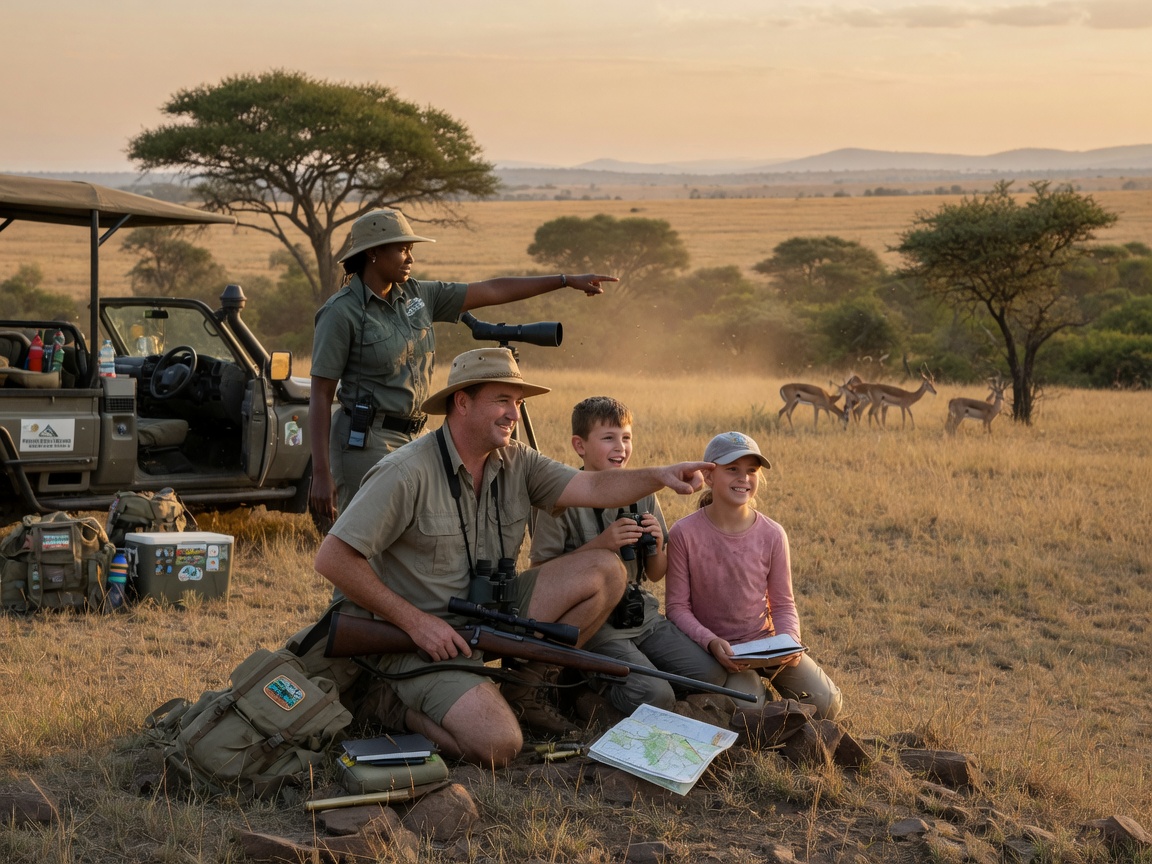
Heading into the African wilderness with your family for a safari hunt represents one of the most memorable adventures available to outdoor enthusiasts. For beginners, the idea can feel overwhelming at first, filled with questions about safety, costs, what the days will actually look like, and how children or first-time hunters will fit in. The reality is that well-planned family safari hunts, especially those focused on plains game in countries like South Africa and Namibia, offer a structured, educational, and deeply rewarding experience that goes far beyond the hunt itself.
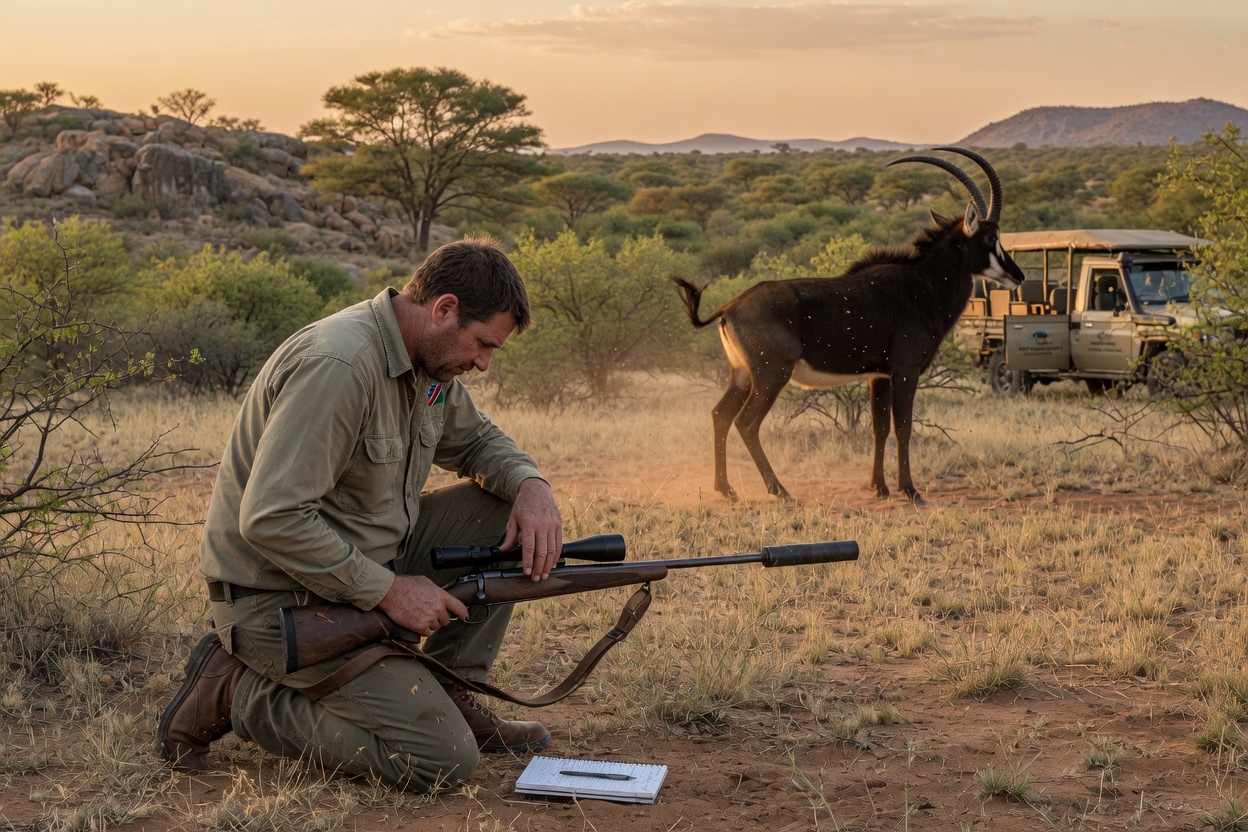
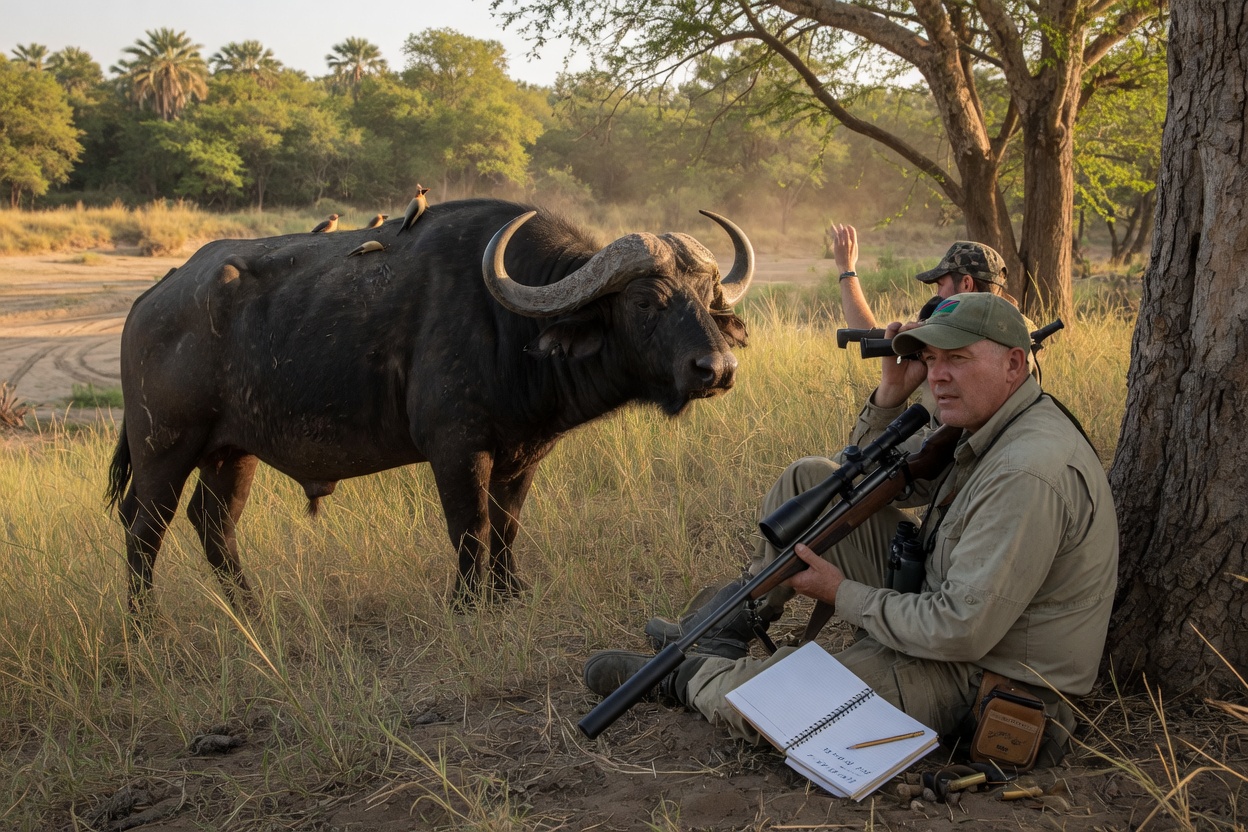
These trips typically last seven to ten days and center on species such as impala, springbok, blesbok, wildebeest, and kudu. These animals provide excellent opportunities for new hunters to learn proper shot placement, tracking, and field ethics without the added complexity of dangerous game. Professional hunters, known as PHs, lead every outing. They are highly trained, licensed, and focused on both safety and fair-chase principles. Families often find that the PH becomes a teacher as much as a guide, explaining animal behavior, habitat, and the role of hunting in modern conservation.
Planning begins months in advance. Start by selecting a reputable outfitter who specifically advertises family-friendly or beginner packages. Look for operations with solid reviews, proper insurance, and membership in recognized organizations. You will need to arrange hunting licenses, which the outfitter usually handles, along with any required firearm permits if you bring your own rifle. Many first-timers rent a rifle on site to simplify travel. Check current import and export rules if you plan to bring trophies home, as some species require CITES documentation. Health preparations matter too. Consult a travel clinic for recommended vaccinations and malaria prevention, especially if hunting in certain regions during warmer months.
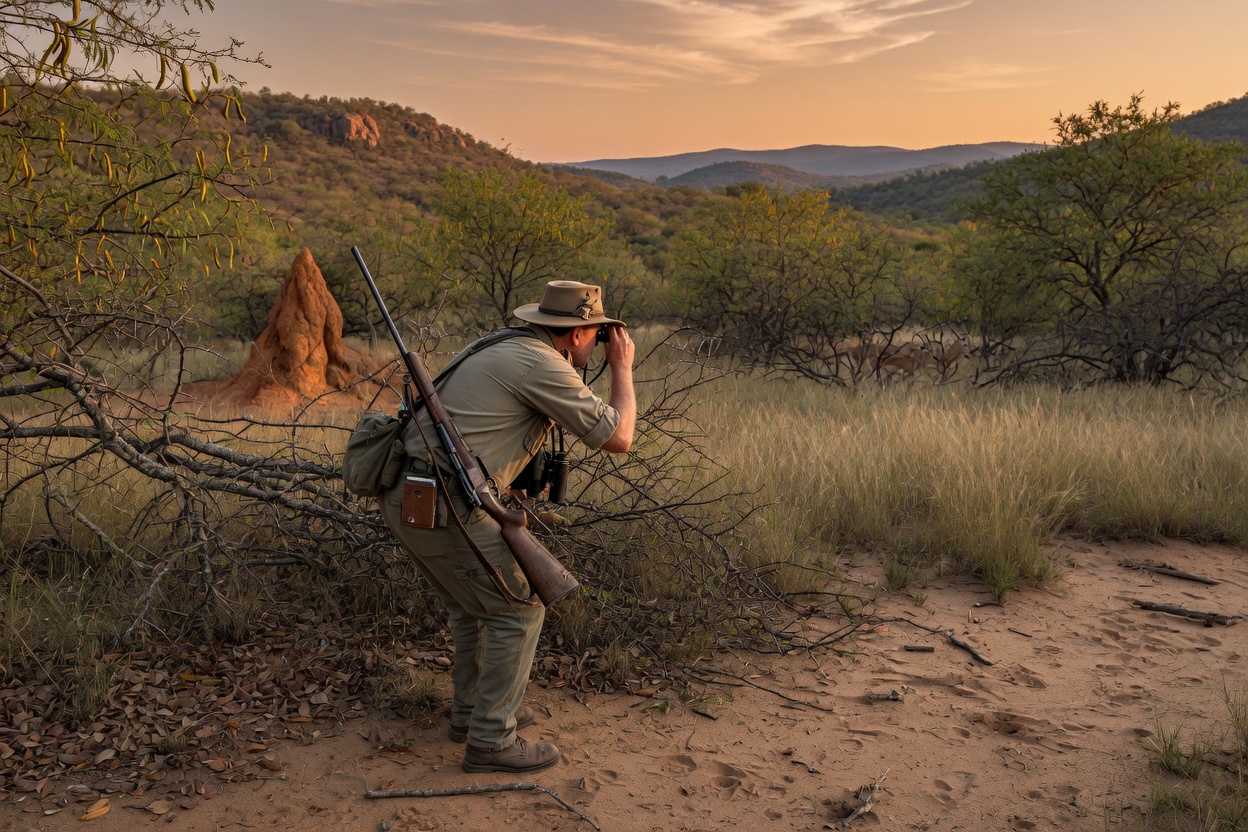
A typical day starts before sunrise. After a quick breakfast, the group heads out in a hunting vehicle to glass for game or walk and stalk in suitable areas. Beginners should expect a mix of excitement and patience. You may cover several miles on foot in warm conditions, so reasonable fitness helps. When an opportunity presents itself, the PH will assess the animal, confirm it meets legal and ethical standards, and coach the shooter through the shot. Success is never guaranteed, and that uncertainty is part of the lesson. After a harvest, the real work of tracking, recovery, and field dressing begins. Many families choose to participate in these steps, turning them into hands-on education about where food comes from and respect for the animal.
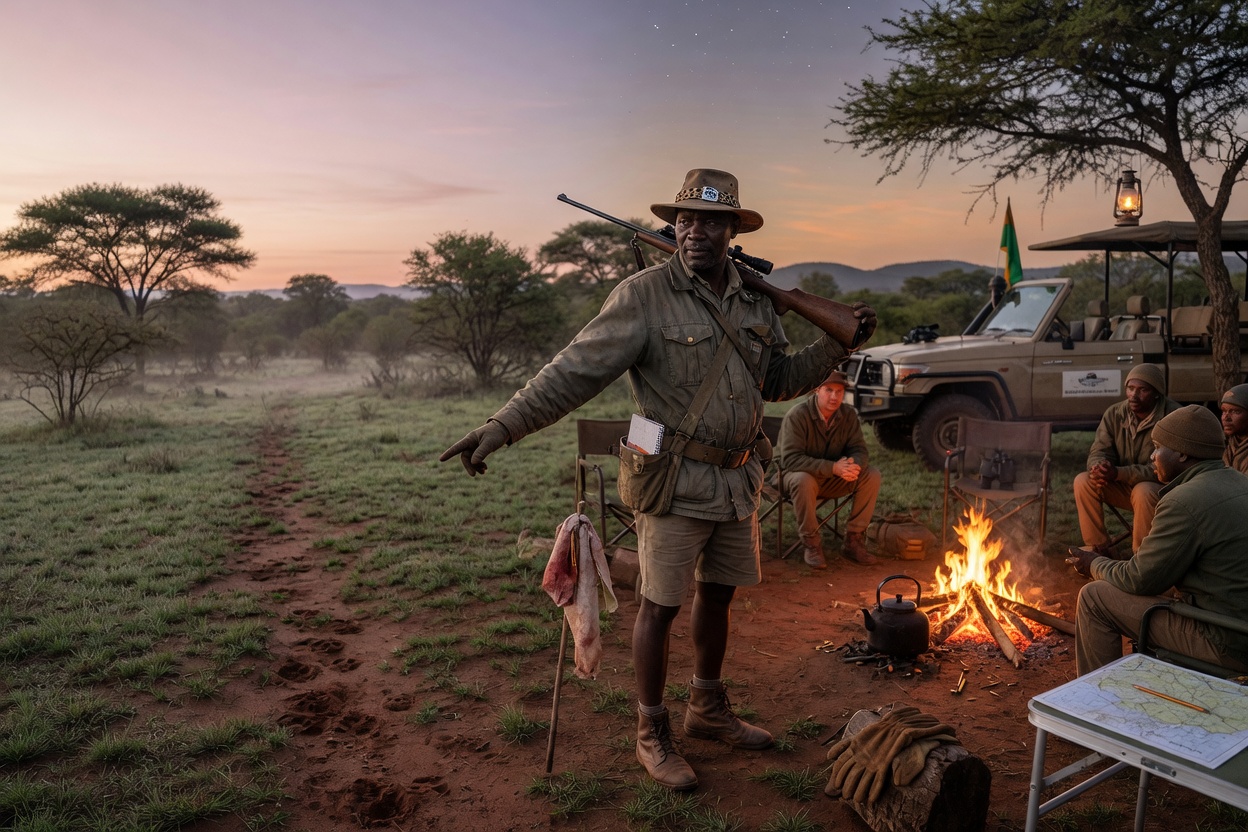
Non-hunting family members are rarely left out. Most camps offer game viewing, photography outings, bird watching, or visits to nearby communities and cultural sites. Lodges range from comfortable thatched chalets with swimming pools to more rustic tented camps that still provide excellent meals and hot showers. Evenings often include campfire discussions about the day’s events, local wildlife, and conservation. Children frequently describe these conversations as the highlight, gaining a practical understanding of ecology that no classroom can match.
Ethics sit at the center of every responsible safari. Shots are taken only when a clean, humane kill is likely. Wounded animals are followed until recovered. Many outfitters donate meat to staff and nearby villages, reinforcing the idea that hunting provides food as well as funding. Hunting fees and trophy fees generate significant revenue that supports anti-poaching patrols, habitat management, and community programs. In several southern African countries, well-managed hunting areas maintain healthy wildlife populations precisely because local people see direct economic benefit from living wildlife. This model has been documented by various conservation groups as an effective complement to photo tourism in more remote or less scenic regions.
Costs vary widely. A basic plains-game package for one hunter can start around four to eight thousand dollars, with additional hunters or observers paying less. Add international airfare, tips for the PH and staff (commonly ten to fifteen percent of the hunt cost), taxidermy or dip-and-pack fees, and possible extra animals. Families should budget realistically and ask outfitters for itemized quotes. All-inclusive options reduce surprises.
Practical preparation makes the difference between a good trip and a great one. Practice shooting from sitting, kneeling, and standing positions, including with shooting sticks, which are commonly used. Pack lightweight, earth-toned clothing, broken-in boots, a quality pair of binoculars, sunscreen, and a basic first-aid kit. Leave bright colors and strong scents at home. Teach younger participants firearm safety well before departure and discuss the realities of hunting so there are no shocks in the field.
From years of observing families in camp, the most lasting memories rarely center on the largest animal taken. They come from a child spotting tracks for the first time, a shared laugh when a curious warthog wanders through camp, or the quiet pride of making a good shot after patient waiting. These hunts instill patience, responsibility, and a genuine appreciation for wild places.
If you are considering a family safari hunt, begin conversations with experienced outfitters now. Ask detailed questions about daily schedules, what happens if weather or animal movement changes plans, and how they involve observers. The African bush rewards those who arrive prepared and respectful. It offers stories, skills, and a deeper connection to conservation that families carry home long after the trip ends. Start researching reputable operators and talk with others who have made the journey. The experience is waiting, and it is more accessible for beginners than many people realize.