Black Lechwe Hunting
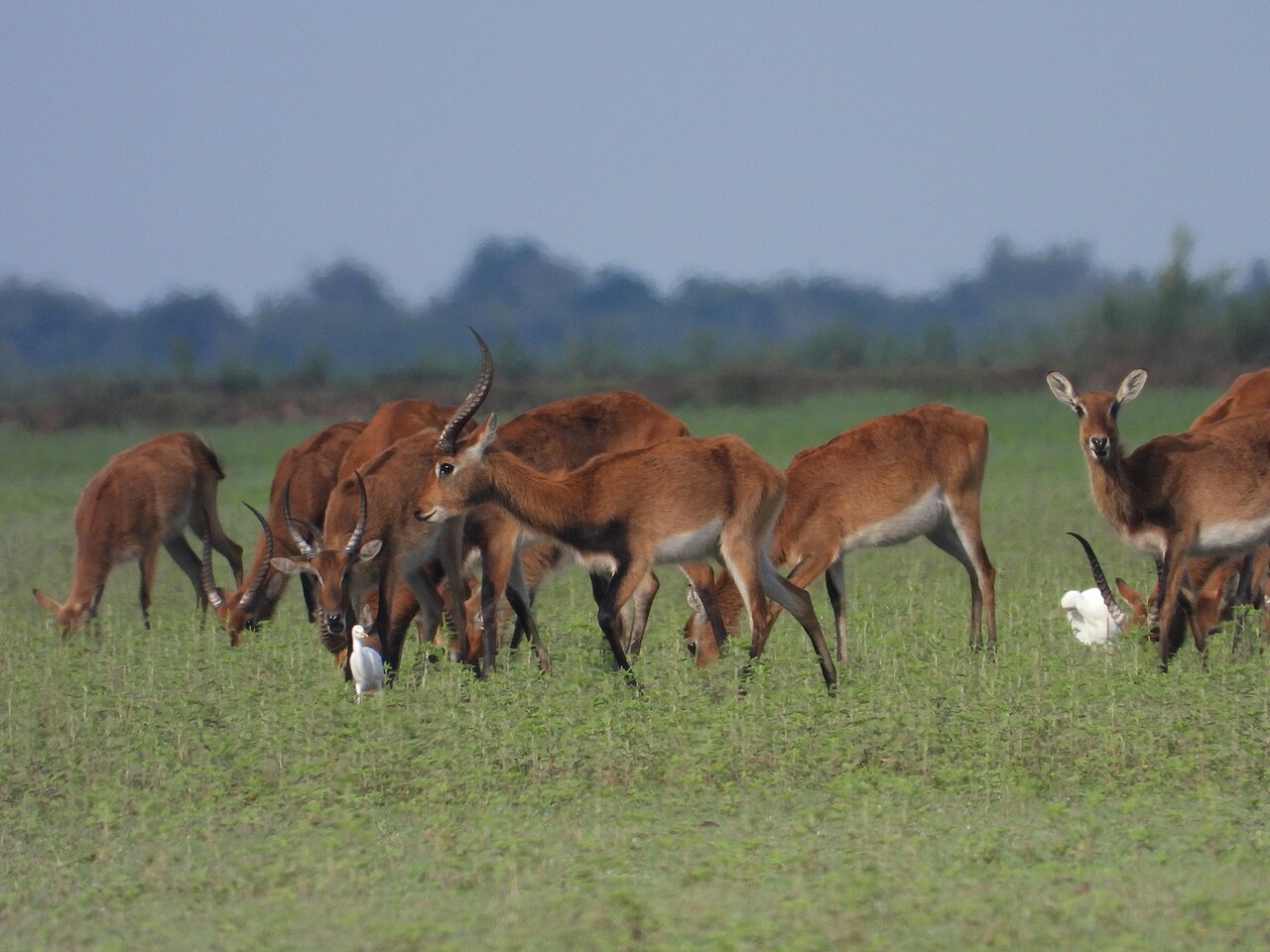
Kobus leche smithemani
The Black Lechwe (Kobus leche smithemani) is a striking wetland antelope unique to Zambia, instantly recognizable by the near-black coat of mature males that contrasts sharply with white underparts and a pale throat. Males stand 90 to 105 cm at the shoulder and weigh 90 to 130 kg, while females are smaller, lighter, and reddish-chestnut in color. Only males carry the long, heavily ridged lyre-shaped horns that commonly exceed 70 cm and can approach 90 cm, making them a distinctive African trophy. These animals are confined to the Bangweulu floodplains and surrounding swamps of northeastern Zambia, where they live a semi-aquatic life. They graze on aquatic grasses while wading belly-deep, form large mixed herds, and move with a characteristic bounding gait through water. Excellent swimmers, they retreat into deeper papyrus when threatened. Hunters prize the black lechwe for the demanding conditions of the hunt itself. Stalking or approaching by mokoro across flooded plains tests patience and marksmanship, and the dark males standing against green reeds create unforgettable visual moments. Regulated hunting in Zambia remains legal under quota and contributes directly to wetland protection and local communities. The subspecies is listed as Vulnerable, yet current numbers are stable thanks to habitat management and anti-poaching work funded in part by sustainable safari hunting.
Hunt facts
- Countries
- Zambia
- Hunt regions
-
Zambia: Luapula
- Habitat
- Wetland Riverine
- Best time to hunt
- June–October (Low water)
- Mass
- 80–120 kg (176–265 lb)
- Trophy minimum
-
- SCI (inches): 58
- SCI bow: 52
- Rowland Ward (inches): 26
- Rowland Ward record: 35
Typical record-book minimums; confirm the current edition with your professional hunter.
Where to Find Black Lechwe
Black Lechwe inhabit the unique floodplain ecosystems of the Bangweulu Swamps in Zambia, their only remaining natural range. These antelopes favor shallow wetlands, inundated grasslands, and marshy areas where they graze on aquatic vegetation. Zambia, specifically the Bangweulu Game Management Area, is the sole country offering hunting opportunities for this species through regulated safari concessions.
Seasonal flooding dictates access, with the dry period from May to October providing the best conditions as waters recede and herds concentrate on remaining pastures. The terrain is challenging, featuring vast open plains interspersed with channels, papyrus beds, and muddy flats that demand 4x4 vehicles or walking in waders.
To locate Black Lechwe, focus on edges of receding floods where they gather in large groups. Scan for the dark-coated males standing out against the landscape, often in mixed herds. Employ local knowledge from experienced trackers who understand their movements with water levels. Always hunt legally with proper permits to support conservation.
Why Hunt Black Lechwe
Hunters pursue the Black Lechwe for its striking trophy appeal, with mature rams displaying a distinctive dark coat and long, lyre-shaped horns that make a memorable mount. The hunt delivers real challenge and excitement in Zambia's Bangweulu floodplains, where hunters wade through swamps and stalk large, wary herds in difficult wetland terrain that tests skill and stamina unlike typical savanna pursuits. The meat is lean, tender and flavorful, prized for cooking as quality venison. This iconic species holds cultural value in Zambia as a symbol of its unique wetlands. Regulated hunting generates fees that fund habitat protection, anti-poaching and community programs, directly supporting conservation of the population. Hunters gain a rare experience amid vast seasonal floods and spectacular herds in a remote, watery wilderness that few other African hunts can match.
Black Lechwe Hunting Tips
Black lechwe inhabit the vast wetlands of Zambia, making their hunt a distinctive experience that demands specific tactics. The most effective hunting methods include careful stalking through shallow floodwaters or using a traditional mokoro canoe to close the distance on feeding herds. Always work into the wind and use the tall grasses for concealment, as these animals are highly alert. For equipment, a bolt action rifle in . 30-06 or 7mm caliber with a variable power scope is recommended, along with waterproof clothing, sturdy wading boots, and good optics. Shot placement should target the heart and lungs area immediately behind the shoulder for an ethical harvest. Be mindful of the animal's stance in water which may alter the angle.
Tracking relies on identifying fresh tracks in the soft mud and observing group movements. Stalking is best done slowly with frequent pauses to glass. Hunt during the dry months of June to October at dawn and dusk when black lechwe are most active grazing.
Avoid mistakes such as ignoring wind direction, taking rushed shots, or underestimating the physical effort required. Safety considerations include remaining alert for hippos and crocodiles in the water, using mosquito protection, and always being accompanied by a licensed professional hunter familiar with the terrain.
Featured Outfitters for Black Lechwe
View all
Hunt packages with Black Lechwe
Curated hunt ideas — no price on the page. Enquire and we'll match outfitters after review.
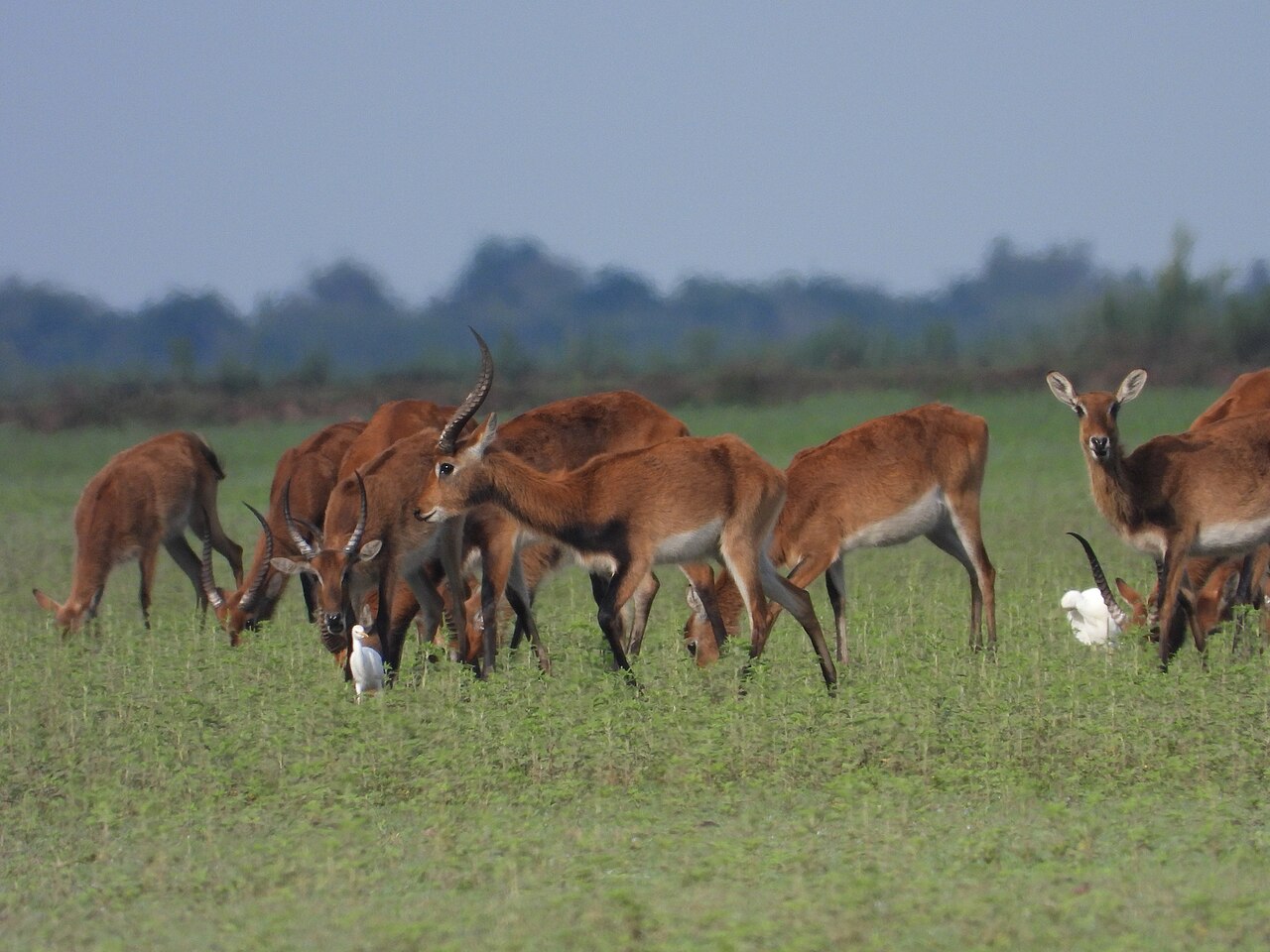
Bangweulu Lechwe — 7 Days
7 days · Zambia
Seven days Bangweulu — black lechwe, tsessebe and sitatunga.
$12,800 – $14,200
Plan Your Black Lechwe Hunt
Submit a free enquiry and we'll match you with outfitters who hunt Black Lechwe in your region.
Sign Up to Enquire Aardwolf
 Abyssinian Bushbuck
 Baboon
 Bat-Eared Fox
 Bay Duiker
 Beisa Oryx