Bay Duiker Hunting
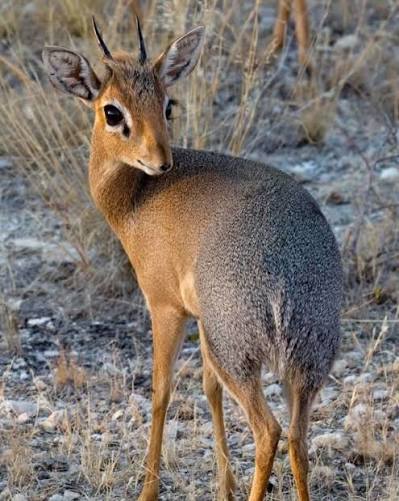
Cephalophus dorsalis
The Bay Duiker is a compact forest antelope that tests a hunter's patience and woodcraft in some of Africa's thickest cover. Adults stand 40 to 50 centimeters at the shoulder and weigh 15 to 24 kilograms, with a rich reddish-brown coat set off by a bold black stripe running the length of the back. Both sexes carry short, straight horns of 5 to 10 centimeters, giving collectors a distinctive if modest trophy. These animals live in the undergrowth of tropical rainforests and dense secondary woodland across West and Central Africa, from Sierra Leone and Guinea through Cameroon, Gabon and the Congo Basin to Uganda and northern Angola. They are largely nocturnal and solitary, spending daylight hours hidden and emerging to feed on fallen fruit, leaves and occasional insects. Their keen senses and preference for impenetrable thickets make them extremely hard to spot. Hunters pursue Bay Duiker by still-hunting or tracking in close quarters, often at first and last light, where a shotgun or light rifle is typical. The species rewards local knowledge and quiet movement more than long-range shooting. Because it is listed as Near Threatened, mainly from habitat loss and unregulated bushmeat take, legal hunting should be conducted only under licensed, sustainable programs that help keep remaining forest intact.
Hunt facts
- Countries
- Benin Cameroon Central African Republic
- Hunt regions
-
Benin: Alibori Atakora BorgouCameroon: East SouthCentral African Republic: Sangha-Mbaéré
- Habitat
- Forest
- Best time to hunt
- May–October (West / Central dry season)
- Mass
- 18–24 kg (40–53 lb)
Where to Find Bay Duiker
Bay Duikers inhabit the dense tropical rainforests of West and Central Africa, primarily in Cameroon, Gabon, Congo, DRC, Liberia, Ivory Coast and Ghana. They thrive in thick understory vegetation near water in lowland forests. Best hunting opportunities exist in Cameroon and Gabon concessions during the dry season from December to March for better visibility and access. The environment is humid jungle with limited sightlines requiring skilled navigation. To find them, focus on fruiting trees at dawn and dusk. Watch for tracks, droppings and feeding signs. Local guides are vital given their elusive, often nocturnal habits in the dense forest.
Why Hunt Bay Duiker
Hunters pursue the Bay Duiker for its remarkable trophy qualities, including a rich reddish-brown pelage with a distinctive black stripe down the back and short, sharp horns that form an elegant display. The hunt offers substantial challenge and excitement, as these elusive creatures inhabit impenetrable rainforests, relying on camouflage and keen hearing, making successful stalks or still-hunts a true test of skill and patience that heightens the thrill.
Bay Duiker meat is celebrated for its high quality, being lean, tender, and flavorful, suitable for a variety of culinary preparations from simple roasts to exotic African stews. It holds cultural and traditional significance in many communities as a vital protein source and in hunting folklore. Conservation efforts benefit from hunting revenues that fund protection of forest habitats and combat illegal poaching. This species provides unique experiences by taking hunters deep into tropical woodlands, offering close-range encounters and a sense of adventure in one of Africa's most mysterious environments.
Bay Duiker Hunting Tips
The Bay Duiker lives in dense West and Central African rainforests and is mostly nocturnal, so still-hunting near trails or slow stalking at dawn and dusk works best. Traditional hunts with dogs can also flush them from cover in legal areas. Use a lightweight rifle in . 223 or . 243 or a shotgun with slugs for typical close shots in thick vegetation, plus a red-dot or low-power scope. Place the shot just behind the shoulder to hit the heart-lungs on this compact animal. Track small cloven hoofprints and low browse signs, always moving silently into the wind. Hunt early morning or late evening, or at night with lights where permitted; the dry season can improve visibility slightly. Avoid rushing shots through brush that wound the animal and never hunt without checking seasons and permits. Stay safe by confirming your target, watching for other wildlife, and following all local rules for ethical, legal hunting.
Featured Outfitters for Bay Duiker
View all


Plan Your Bay Duiker Hunt
Submit a free enquiry and we'll match you with outfitters who hunt Bay Duiker in your region.
Sign Up to Enquire African Civet
 African Wildcat
 Baboon
 Bat-Eared Fox
 Black-Fronted Duiker
 Blue Duiker