Black-Fronted Duiker Hunting
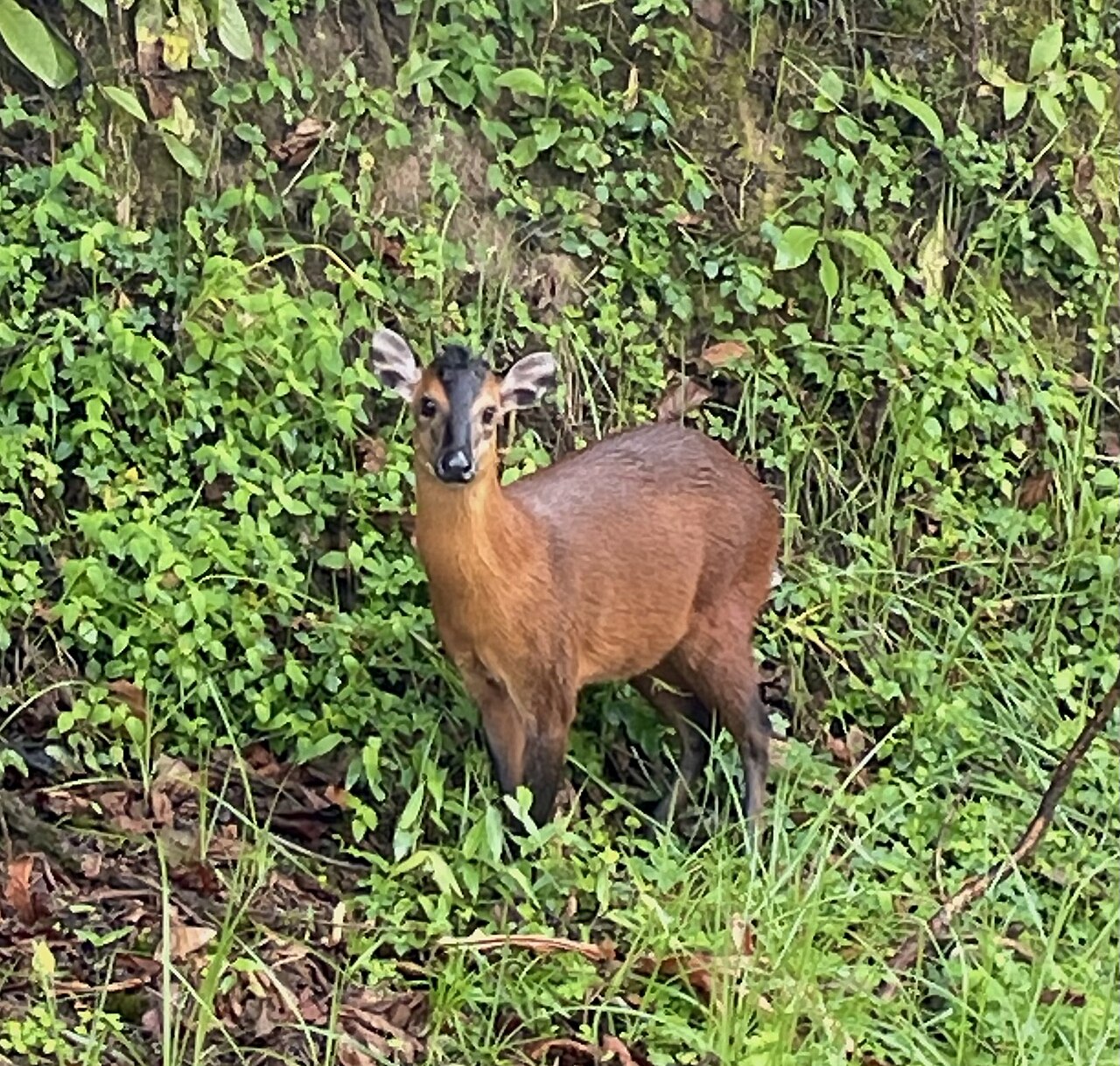
Cephalophus nigrifrons
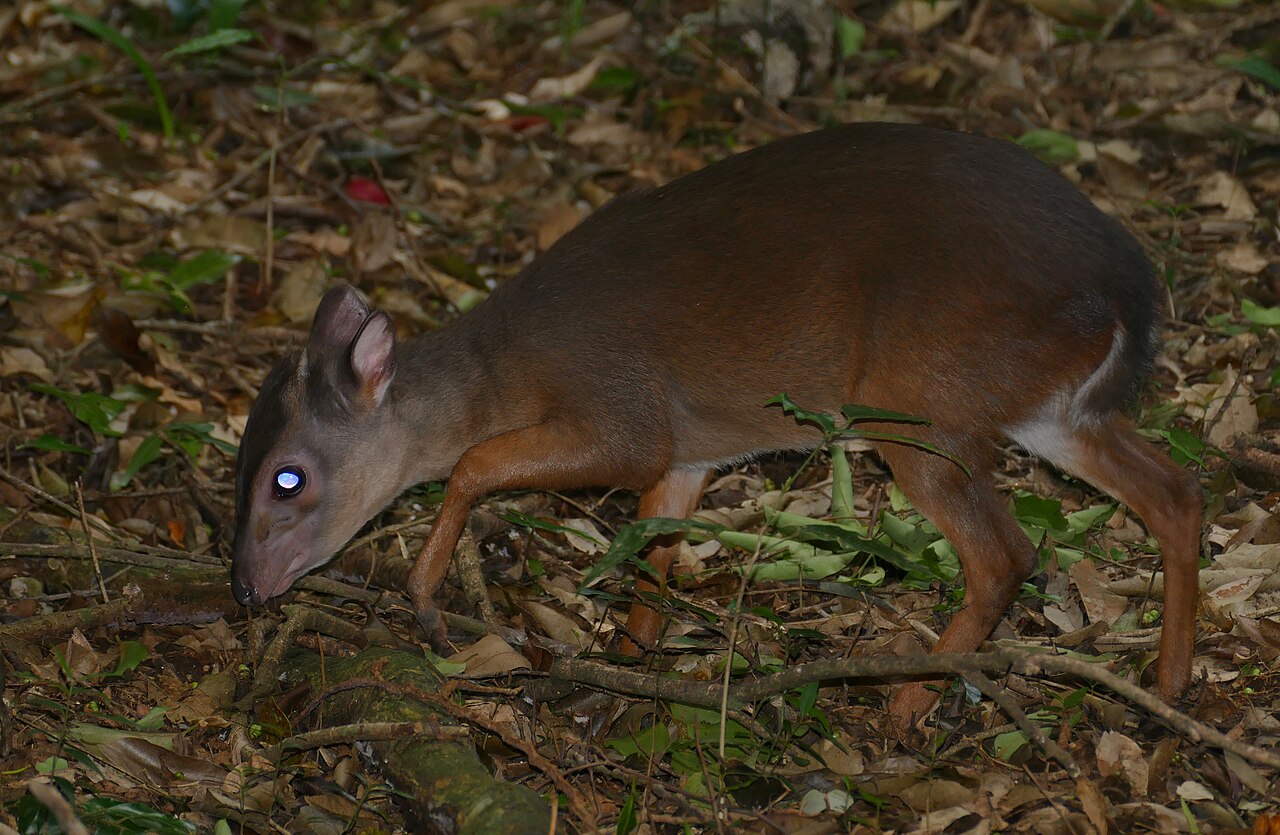
The Black-Fronted Duiker, or Cephalophus nigrifrons, is a compact and elusive forest antelope that challenges even experienced hunters with its secretive habits in Africa's dense rainforests. Adults typically stand 18 to 22 inches at the shoulder and weigh 28 to 35 pounds, sporting a glossy chestnut-brown coat that fades to darker shades on the legs and a prominent black facial stripe extending from the muzzle over the forehead, giving the species its name. Both sexes grow short, straight horns of 3 to 4. 5 inches, providing a distinctive small trophy. These duikers inhabit primary and secondary tropical forests as well as montane woodlands from Cameroon and Equatorial Guinea across the Congo Basin to Uganda, Rwanda, Burundi, and parts of Kenya. They prefer thick understory cover where they browse on fallen fruits, tender leaves, and flowers. Generally solitary or found in pairs, they are territorial and most active during twilight hours, using sharp hearing and a whistling alarm call to detect threats. Hunters prize the black-fronted duiker for the demanding pursuit it requires in thick vegetation, often involving tracking, still-hunting, or traditional forest methods. Its small stature and rapid flight make accurate shot placement essential. The species holds Least Concern status with the IUCN, though ongoing habitat loss and unregulated hunting in some areas highlight the value of ethical, licensed hunts that support conservation.
Hunt facts
- Countries
- Cameroon Central African Republic Uganda
- Hunt regions
-
Cameroon: East SouthCentral African Republic: Sangha-MbaéréUganda: Western
- Habitat
- Forest
- Best time to hunt
- May–October (Dry season)
- Mass
- 13–18 kg (29–40 lb)
Where to Find Black-Fronted Duiker
The black-fronted duiker lives in dense equatorial rainforests across Central Africa. Primary habitats include lowland rainforests, montane forests, and swamp forests with thick undergrowth and high humidity. Key countries for this species are Gabon, Cameroon, the Republic of the Congo, and parts of the Democratic Republic of the Congo, where they occupy remote forested zones.
Regulated hunting concessions in Gabon and Cameroon provide some of the more accessible opportunities for legal hunts. The dry season from June through September generally offers better forest access and visibility as animals move toward remaining water and fruit sources. Terrain features tangled vegetation, muddy ground, and limited sight lines that demand slow, quiet movement.
Hunters locate them by following well-used trails, checking droppings and browse signs near fruiting trees, and listening for their whistling calls around dawn and dusk. Local guides familiar with the area greatly improve success in this secretive, often crepuscular species. Always follow local laws and obtain required permits.
Why Hunt Black-Fronted Duiker
Hunters pursue the Black-Fronted Duiker for its distinctive trophy, marked by a bold black facial blaze and compact, ringed horns that make a unique forest prize unlike larger plains game. The hunt delivers real challenge and excitement, as these secretive antelopes live in dense equatorial rainforests where tracking through thick cover, limited visibility, and their sharp senses demand patience, stealth, and close-range shots that heighten every moment. The meat is tender and mildly gamey, highly regarded for grilling or traditional African stews that showcase its quality. In local cultures it holds traditional value as both food and a figure in folklore. Legal, regulated hunting generates fees that fund habitat protection, anti-poaching patrols, and community benefits that help sustain populations. This species offers an immersive jungle experience with local trackers in misty woodlands, creating an intimate adventure far from typical safari hunts.
Black-Fronted Duiker Hunting Tips
Hunting black-fronted duikers in Central African rainforests calls for patience, local expertise, and close-range tactics suited to thick cover. Still-hunting along well-used trails at dawn and dusk is most productive, as these small crepuscular antelope feed then. Pair this with skilled local trackers who read faint hoof prints, droppings, and browse signs. Hound work occurs in some traditional areas, but confirm regulations first.
A lightweight . 243 Winchester or similar rifle with a 1-4x scope delivers ethical kills on a 15-20 kg animal without ruining meat. A 12-gauge shotgun with buckshot or slugs handles sudden close encounters. Place the shot just behind the shoulder into the compact heart-lung area; vegetation often deflects poorly aimed rounds.
Stalk slowly into the wind, pausing to listen and scan. The dry season improves trail visibility and access. Common mistakes include rushing shots through brush, hunting without a professional hunter, and underestimating the duiker’s wariness.
Stay with your party to avoid getting lost, watch for snakes, carry a first-aid kit, and follow all local laws and ethical standards.
Featured Outfitters for Black-Fronted Duiker
View all


Plan Your Black-Fronted Duiker Hunt
Submit a free enquiry and we'll match you with outfitters who hunt Black-Fronted Duiker in your region.
Sign Up to Enquire African Civet
 African Wildcat
 Baboon
 Bat-Eared Fox
 Bay Duiker
 Blue Duiker