Bohor Reedbuck Hunting
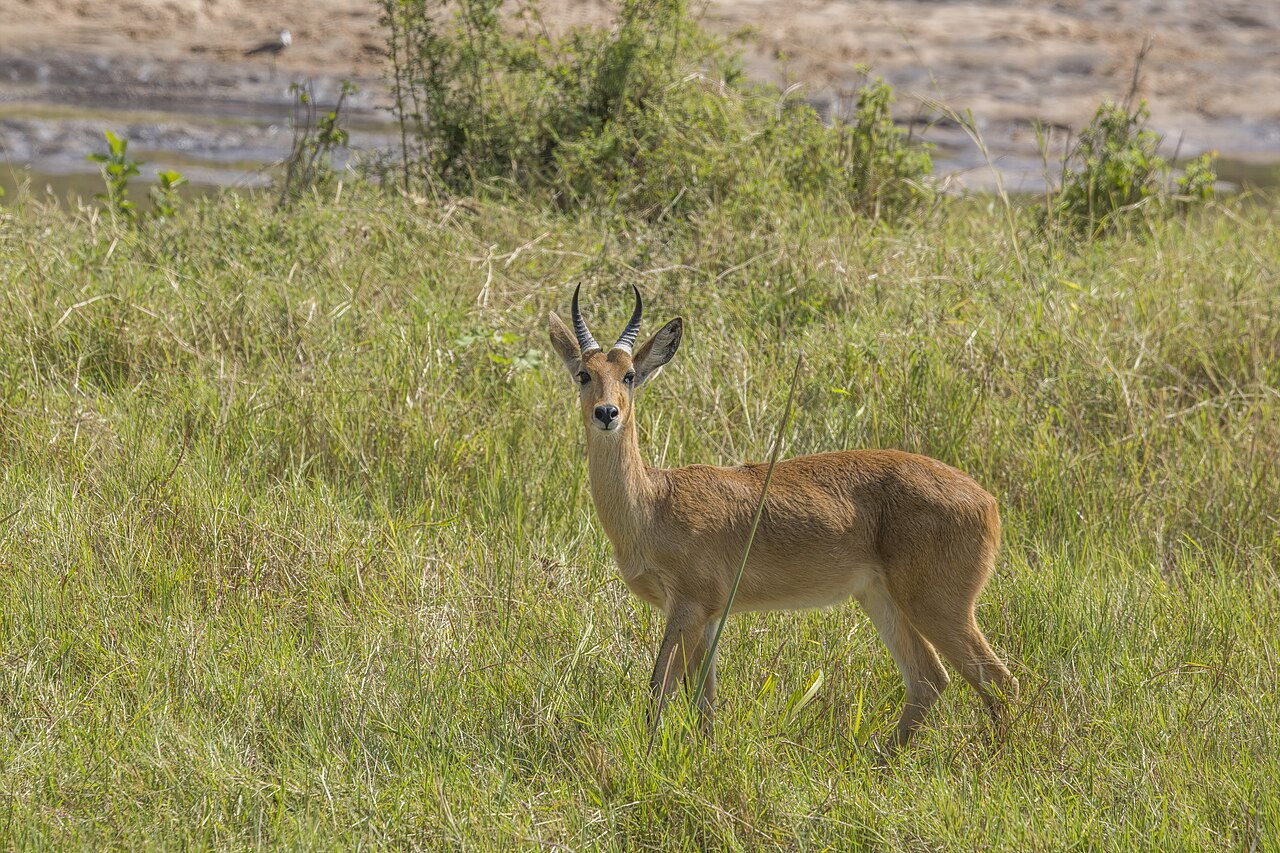
Redunca redunca
The Bohor reedbuck is a medium-sized African antelope well known to hunters for its wary nature and distinctive forward-curving horns. Rams typically stand 80 to 90 centimeters at the shoulder and weigh 45 to 65 kilograms, while ewes are smaller at 70 to 80 centimeters and 35 to 50 kilograms. The coat is yellowish-tan to reddish-brown with paler underparts and a dark facial stripe. Only males carry horns, which are heavily ridged, lyre-shaped, and average 30 to 40 centimeters, forming a classic trophy. These animals favor moist grasslands, floodplains, and reedbeds close to water, where they graze on grasses. They are most active at dawn and dusk, remaining hidden in cover during the heat of the day. Small family groups of females and young are common, with territorial rams defending their patches. When startled they give a sharp whistle and bound away with a characteristic rocking gait. Bohor reedbuck occur from Senegal eastward through Central Africa to Ethiopia and south into Tanzania and northern Zambia. Hunters encounter them on regulated safari hunts in countries such as Tanzania, Cameroon, and Ethiopia, where patient stalking through tall grass and reeds is required. Their conservation status is Least Concern, and well-managed hunting areas help maintain habitat and populations.
Hunt facts
- Countries
- Tanzania Uganda
- Hunt regions
-
Tanzania: Arusha Katavi Lindi Manyara Morogoro Pwani Rukwa Simiyu Singida TaboraUganda: Central Northern Western
- Habitat
- Grassland Wetland Riverine
- Best time to hunt
- July–December (Dry season (East Africa))
- Mass
- 40–65 kg (88–143 lb)
- Trophy minimum
-
- SCI (inches): 21
- SCI bow: 18
- Rowland Ward (inches): 13
- Rowland Ward record: 19 4/8
Typical record-book minimums; confirm the current edition with your professional hunter.
Where to Find Bohor Reedbuck
Bohor reedbucks inhabit grasslands, floodplains, and savanna regions near water throughout much of sub-Saharan Africa, from West Africa across to Ethiopia and down to Tanzania. The best countries for hunting this species include Tanzania, Ethiopia, and Cameroon, with excellent opportunities in licensed concessions featuring mixed woodland and wetland habitats. During the dry season from June to October, these antelope become more concentrated around remaining water sources, making them easier to locate in open terrain with tall grasses and reeds. Hunters should search riverine areas, swamps, and floodplains at first light or late afternoon, watching for their distinctive bounding run and listening for alarm whistles while using binoculars to scan from vantage points.
Why Hunt Bohor Reedbuck
The Bohor Reedbuck draws hunters with its distinctive forward-curving horns, often 12 to 16 inches long, paired with a rich reddish coat that makes for a handsome and unique trophy. These wary antelopes inhabit dense wetlands and tall grasslands, where they hide expertly and demand patient stalking or careful still-hunting, delivering real excitement and a genuine test of skill. The lean, flavorful meat ranks among Africa’s finest venison, excellent grilled or in traditional stews. Hunting this species connects to long-standing African traditions of respectful harvest. Licensed hunts generate vital funds for habitat protection, anti-poaching work, and local communities, directly supporting conservation. Tracking Bohor Reedbuck through remote reedbeds offers an authentic, immersive African adventure few other species can match.
Bohor Reedbuck Hunting Tips
Hunting the Bohor Reedbuck demands skill in navigating wetland habitats where these antelopes thrive in grassy floodplains of Africa. The best technique is a combination of glassing open areas and then stalking on foot through the reeds, always approaching from downwind to avoid detection by their keen senses. They are most visible when grazing at the edges of marshes.
For equipment, a bolt-action rifle in calibers such as . 270 Winchester or . 308 Winchester loaded with 130 to 150 grain bullets provides sufficient power for clean kills. A 3-9x riflescope aids in precise aiming amid the vegetation. Wear camouflage suited to grassy environments and invest in quality waterproof boots to handle the soggy ground.
Aim your shot at the center of the shoulder to ensure a heart and lung hit, as the animal's size requires accurate placement to prevent it from escaping into dense cover. After the shot, track using hoof prints in the mud and listen for movement.
Prime times are dawn and dusk throughout the hunting season, particularly in drier months when they gather near water. Common errors include moving too fast, which spooks the reedbuck, or failing to account for bullet deflection in thick grass. Safety is paramount: watch for dangerous animals like crocodiles in waterways, maintain muzzle control on uneven terrain, and never shoot unless you have a clear, identified target.
Featured Outfitters for Bohor Reedbuck
View all
Hunt packages with Bohor Reedbuck
Curated hunt ideas — no price on the page. Enquire and we'll match outfitters after review.
 Featured
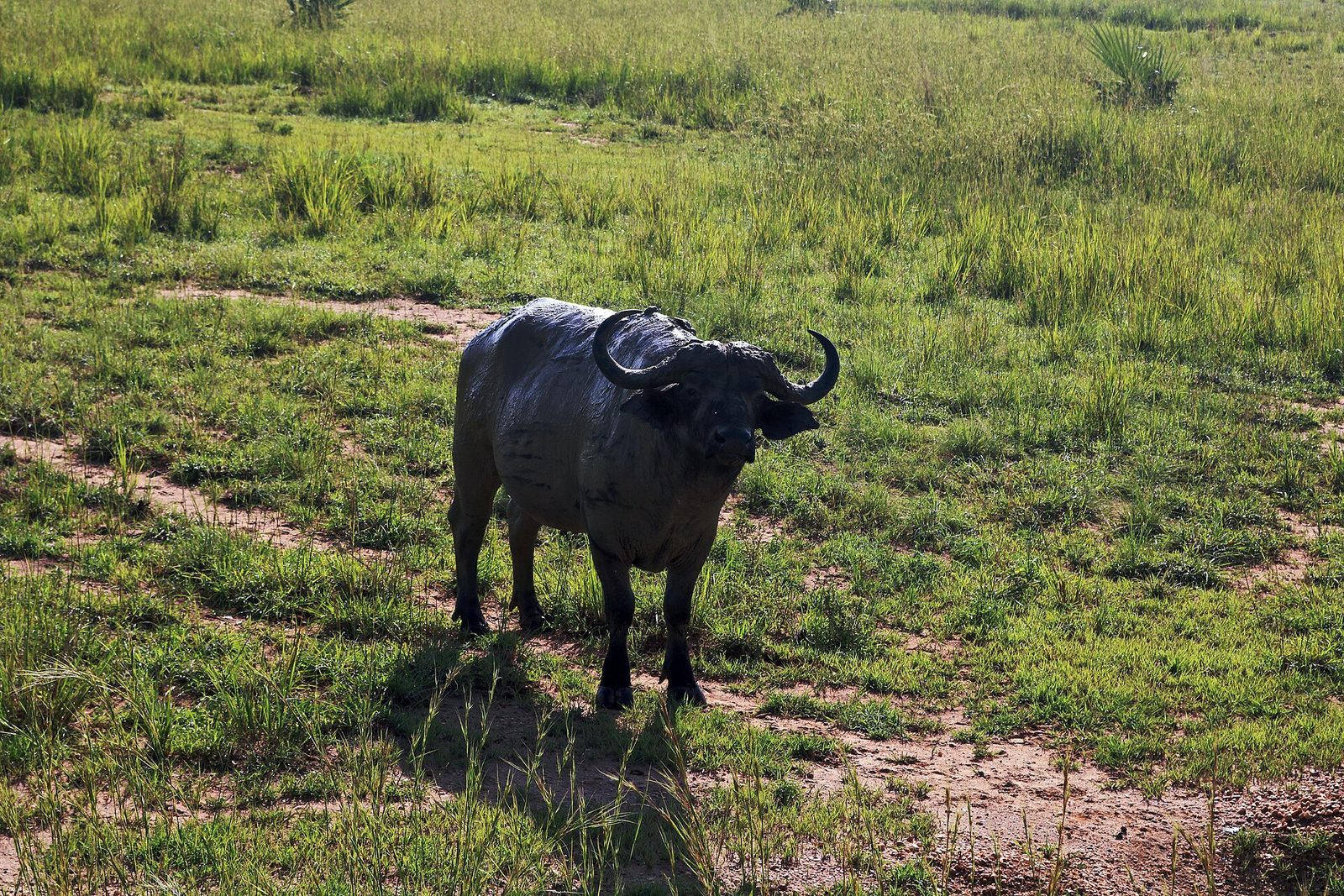
Uganda Buffalo — 10 Days
10 days · Uganda
Ten days Uganda buffalo with impala and warthog.
$18,500 – $20,500
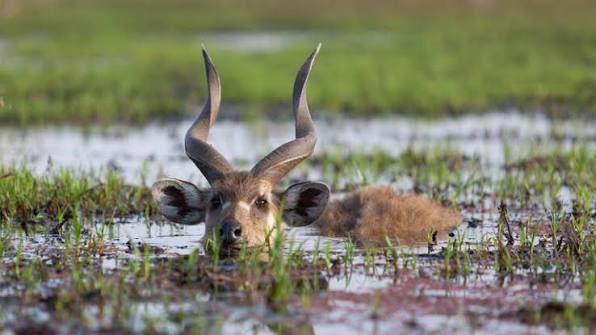
Sitatunga Specialty — 7 Days
7 days · Uganda
Seven days wetland specialty — sitatunga, bushbuck and reedbuck.
$11,200 – $12,400
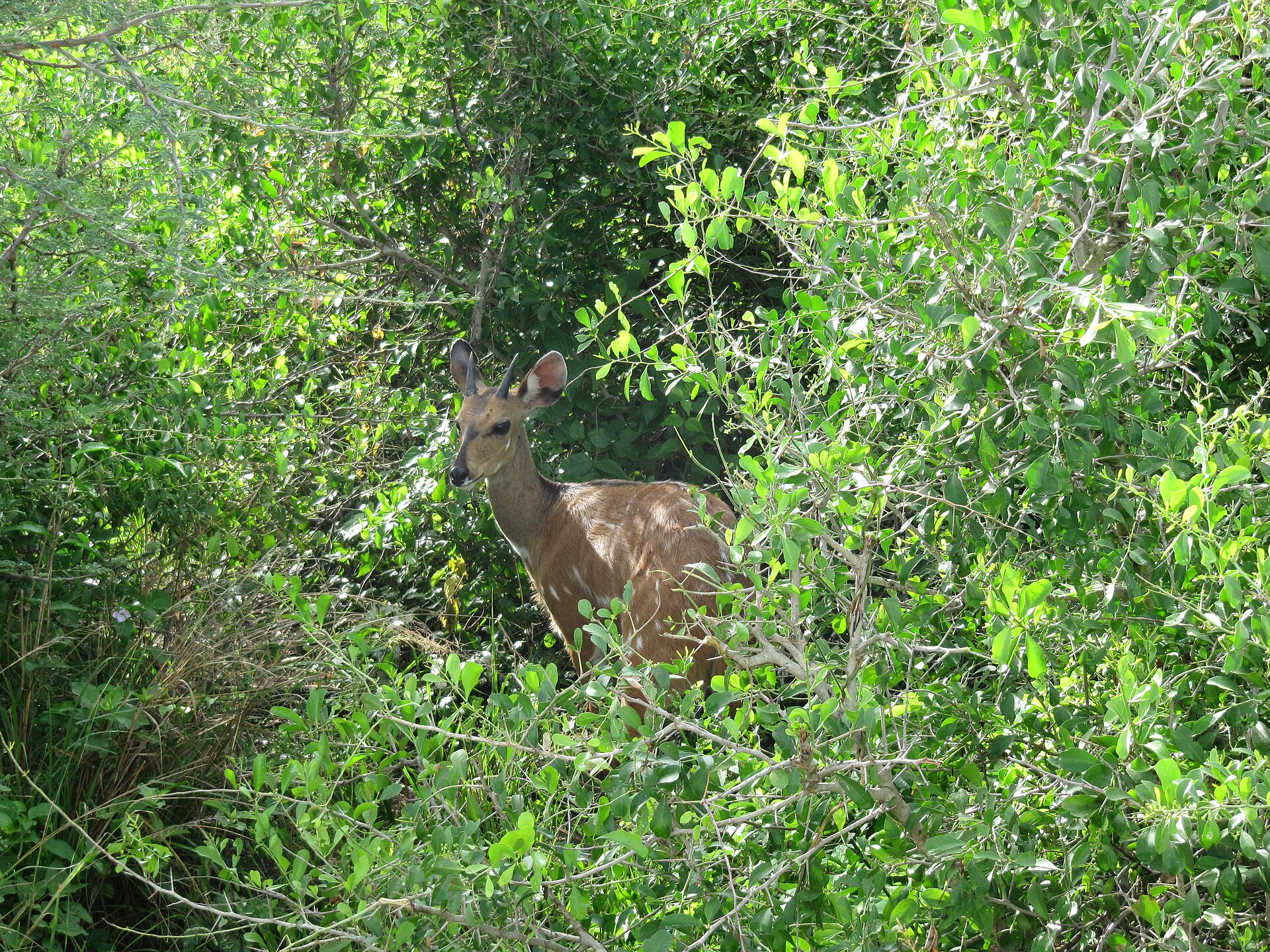
Central Uganda Wetland & Plains — 7 Days
7 days · Uganda
7-day central uganda wetland & plains — bohor reedbuck, bushbuck, warthog in Central Uganda wetland edge.
$8,800 – $10,000
Plan Your Bohor Reedbuck Hunt
Submit a free enquiry and we'll match you with outfitters who hunt Bohor Reedbuck in your region.
Sign Up to Enquire Aardwolf
 Abyssinian Bushbuck
 Baboon
 Bat-Eared Fox
 Bay Duiker
 Beisa Oryx