Brown Hyena Hunting
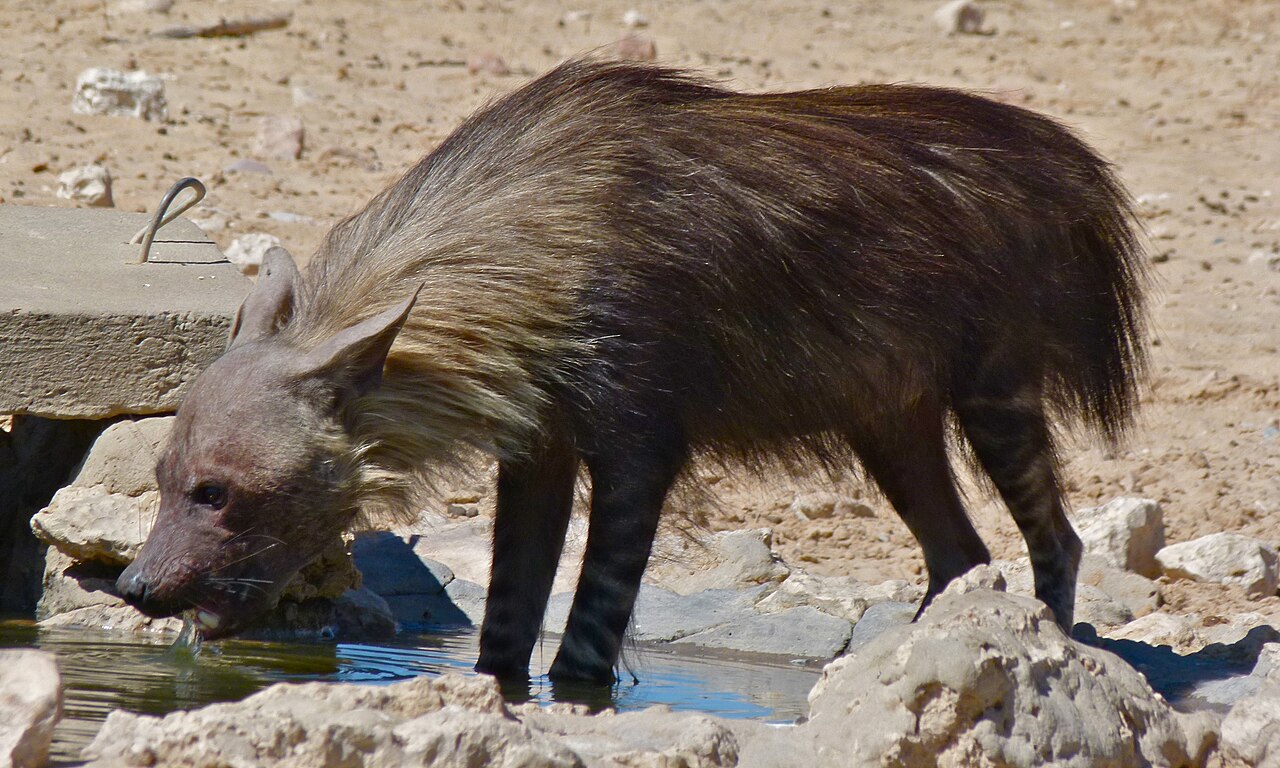
Parahyaena brunnea
The brown hyena is a distinctive southern African scavenger that hunters may encounter in arid landscapes, though it is far less commonly pursued than spotted hyenas or big cats. Adults typically weigh 40 to 55 kg, stand 70 to 80 cm at the shoulder, and measure 110 to 140 cm in body length with a short bushy tail. The coat is dark brown to nearly black, with a long, coarse mane running along the back and nape that can be erected in display. Forelegs and hindlegs show bold dark stripes, and the muzzle is short and powerful. These hyenas occupy deserts, semi-deserts, savannas, and coastal dunes, often in rocky or shrubby country with access to water and carrion. They are mainly nocturnal and largely solitary outside of small family groups, traveling long distances on well-used paths to scavenge carcasses, take small mammals, reptiles, insects, and fruit. They are territorial, marking with paste from anal glands, and generally shy of humans. The species occurs across Namibia, Botswana, South Africa, and parts of Angola, Zimbabwe, and Mozambique, with the strongest populations in the Kalahari and Namib regions. Hunters note their secretive habits, distinctive striped legs, and long-legged, somewhat awkward gait that leaves clear tracks. They are not a primary trophy animal and are more often seen as incidental or problem animals near livestock. The brown hyena is listed as Near Threatened, with declines linked to habitat loss, vehicle collisions, and persecution, so any hunting must follow strict local regulations and permits.
Hunt facts
- Countries
- Botswana Mozambique Namibia South Africa Zimbabwe
- Hunt regions
-
Botswana: Central Ghanzi KgalagadiMozambique: GazaNamibia: Erongo Hardap Karas Khomas Kunene Omaheke OtjozondjupaSouth Africa: Free State Gauteng Limpopo Mpumalanga North West Northern CapeZimbabwe: Mashonaland West Matabeleland South Midlands
- Habitat
- Mixed savanna Semi-arid Desert
- Best time to hunt
- May–October (Dry season)
- Mass
- 40–55 kg (88–121 lb)
- Trophy minimum
-
- SCI (skull): 15
- SCI bow: 15
- Rowland Ward (skull): 16
- Rowland Ward record: 19 12/16
Typical record-book minimums; confirm the current edition with your professional hunter.
Where to Find Brown Hyena
Brown hyenas inhabit arid and semi-arid habitats across southern Africa, including deserts, savannas, and coastal dunes. Key regions are the Namib Desert in Namibia, the Kalahari in Botswana and South Africa, and parts of Angola. Namibia and South Africa offer the best opportunities for hunting this species in designated conservancies and private lands, particularly in the Northern Cape and Namibian desert areas. Permits are required and regulations must be followed. The dry season from May to September is ideal, as water scarcity concentrates wildlife and makes tracking easier in dry conditions. Terrain features sandy soils, rocky hills, dry washes, and sparse bush where they den in burrows or caves. Locate them by following tracks in sand, checking around carcasses they scavenge, or using professional guides who know den sites and nocturnal habits. They avoid dense vegetation and prefer open, dry landscapes.
Why Hunt Brown Hyena
The brown hyena draws dedicated hunters with its distinctive trophy features, from the coarse mane and sloping back to the powerful jaws that create a striking and uncommon mount. Tracking these wary nocturnal scavengers across arid southern African terrain at night demands real skill, patience, and stamina, delivering genuine excitement through long stalks and sudden close encounters. Meat is rarely the goal and is typically not considered palatable, though a few local traditions have used it in limited ways. The animal holds a place in regional folklore as a cunning survivor of harsh landscapes. Carefully regulated hunts can generate funds that support habitat work and community conservation programs. Pursuing a brown hyena offers a rare, atmospheric experience unlike typical plains-game or big-cat hunts, set in remote desert and scrub country that few hunters ever see.
Brown Hyena Hunting Tips
Brown hyenas roam the dry savannas and deserts of southern Africa as primarily nocturnal scavengers with exceptional hearing and smell. Successful hunts typically rely on baiting established carcass sites or using electronic predator calls after dark, often with legal spotlighting from a vehicle or hide. Daytime stalks almost never work because these animals stay hidden in dense cover or burrows.
A bolt-action rifle in . 308 Winchester or . 30-06 Springfield with a low-light scope handles the job; hyenas possess thick skin and heavy bone so a well-constructed expanding bullet is required. Carry a reliable headlamp, rangefinder, and a backup sidearm. Place the shot tightly behind the shoulder into the heart-lung area for a quick, ethical kill; the skull is massive and head shots frequently fail.
Track by following the distinctive four-toed prints and droppings that smell strongly of musk, preferably with a trained dog or by waiting downwind of known dens and waterholes. Peak activity occurs during the dry winter months around dusk, midnight, and just before dawn.
Never hunt without confirming current permits and seasons, as brown hyenas receive protection in most range countries. Common errors include ignoring wind direction, approaching too close, or assuming the animal will not charge when wounded. Always hunt with a partner, keep a clear escape route, and treat every encounter as potentially dangerous because a wounded hyena can inflict serious injury.
Featured Outfitters for Brown Hyena
View all
Hunt packages with Brown Hyena
Curated hunt ideas — no price on the page. Enquire and we'll match outfitters after review.
Central Predator Week — 7 Days
7 days · Botswana
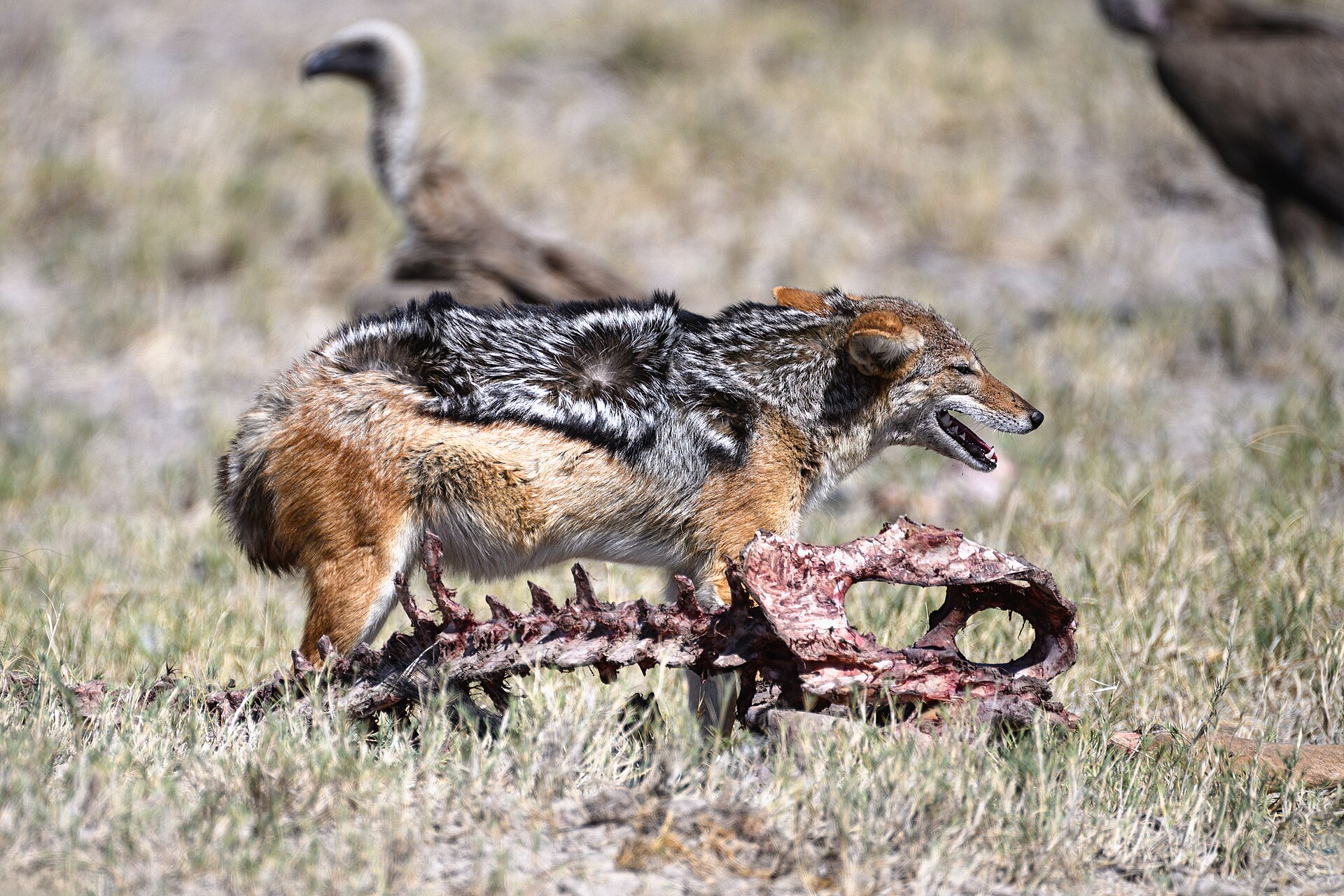
7-day central predator week — black-backed jackal, brown hyena, caracal in Central Botswana ranch / fringe.
$7,500 – $8,800
Southern Africa Predator Sampler — 7 Days
7 days · South Africa
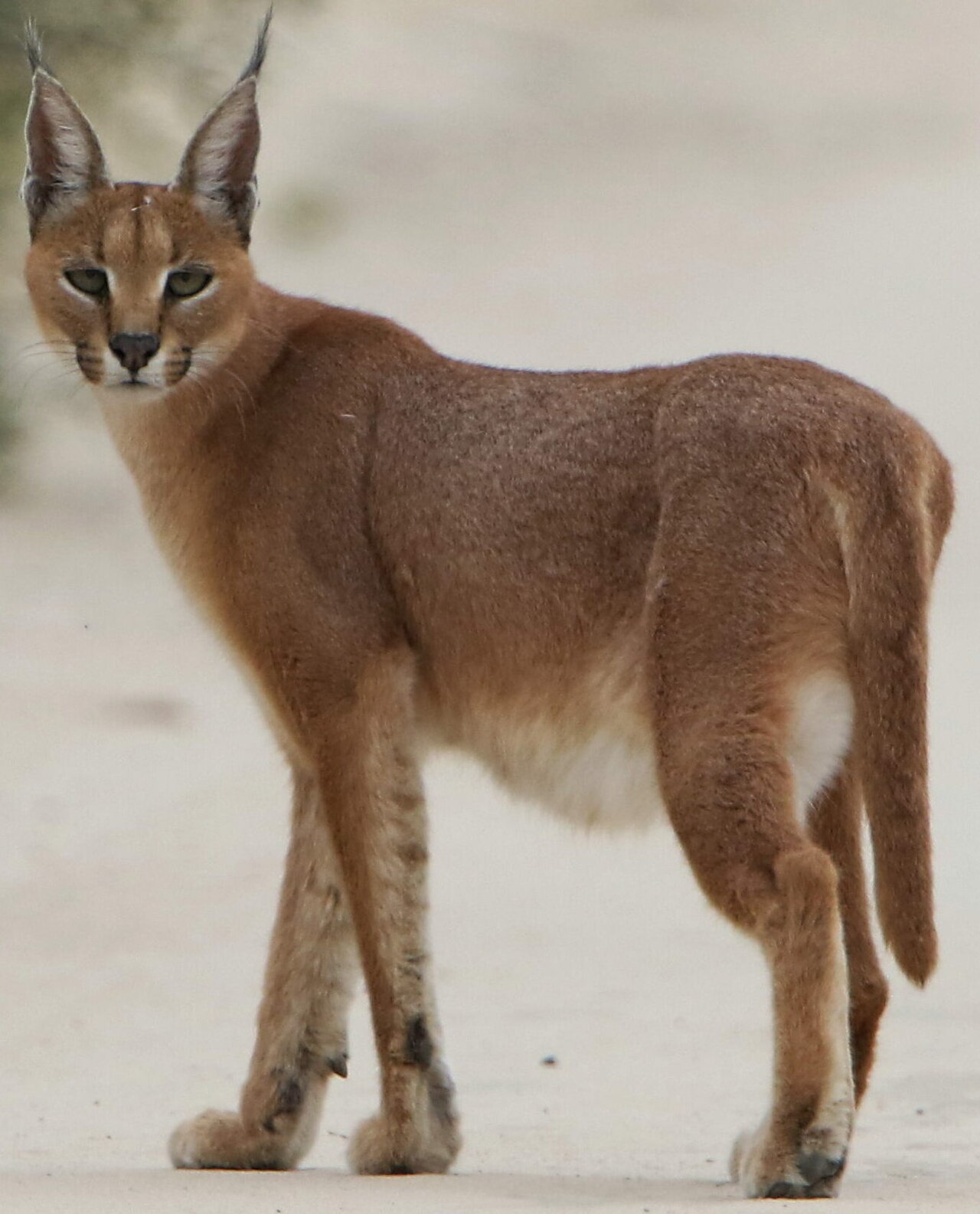
7-day southern africa predator sampler — caracal, serval, african wildcat in North West ranch predator.
$7,800 – $9,200
Botswana Hyena & Jackal — 7 Days
7 days · Botswana
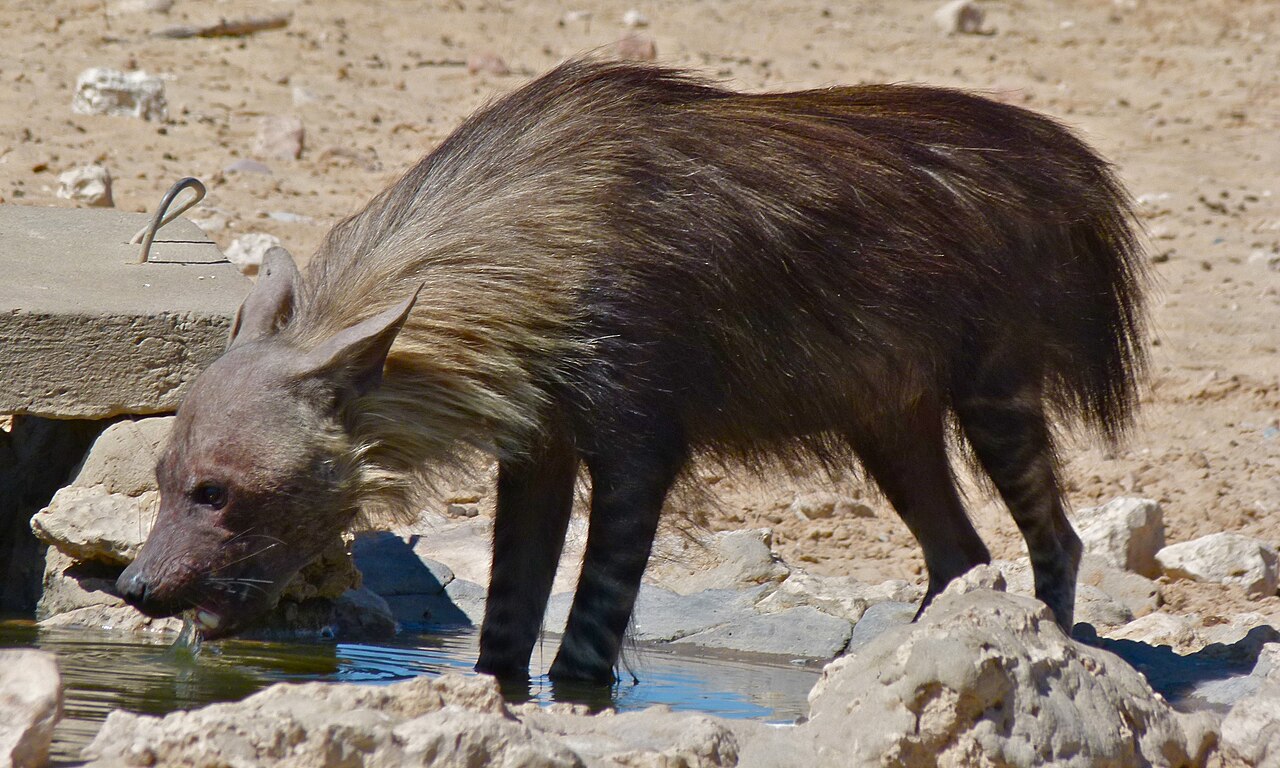
7-day botswana hyena & jackal — spotted hyena, brown hyena, black-backed jackal in Central Kalahari fringe.
$8,200 – $9,800
Plan Your Brown Hyena Hunt
Submit a free enquiry and we'll match you with outfitters who hunt Brown Hyena in your region.
Sign Up to Enquire Abyssinian Bushbuck
 African Elephant
 African Lion
 Beisa Oryx
 Black Lechwe
 Black Rhinoceros