Buffon's Kob Hunting
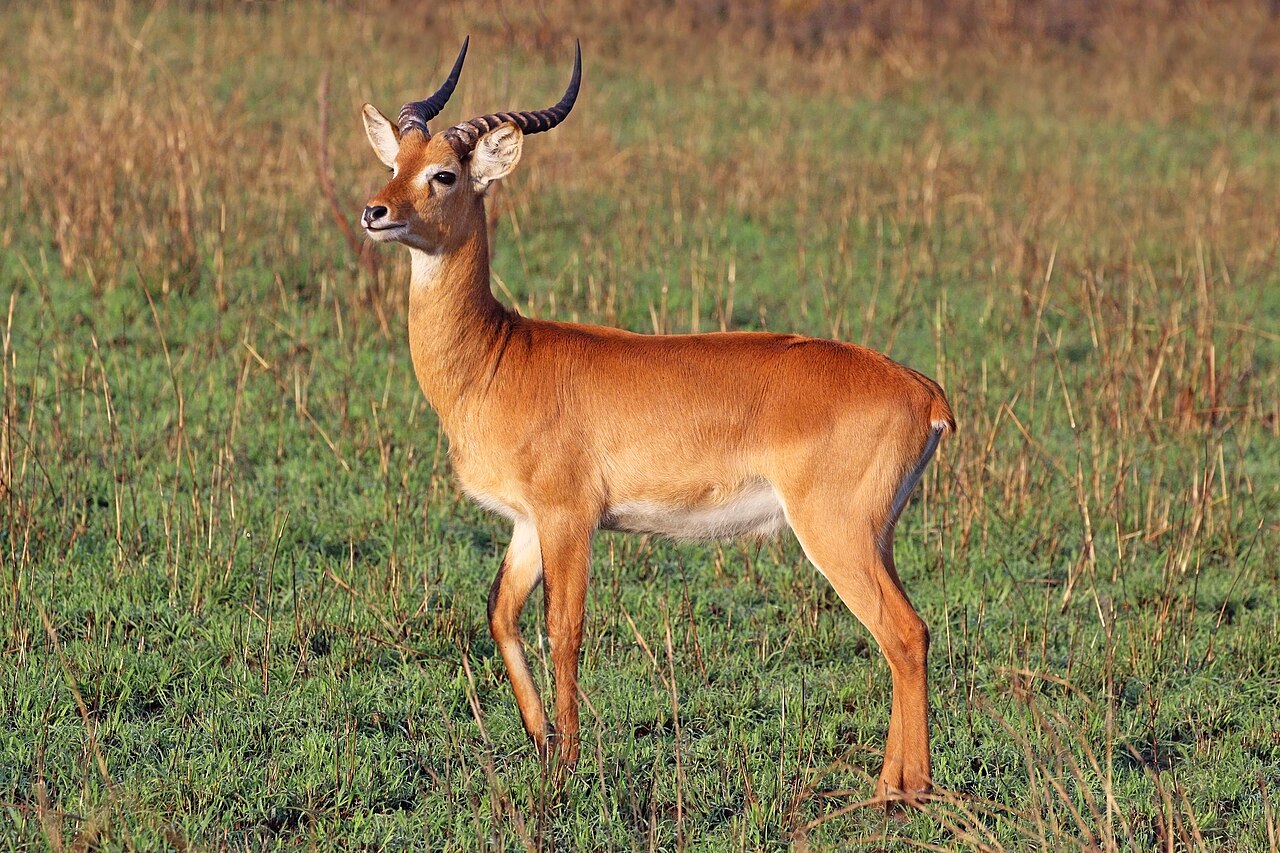
Kobus kob kob
Buffon's Kob (Kobus kob kob) is a handsome West African antelope that captivates hunters with its distinctive looks and the thrill of pursuing it in expansive floodplain habitats. Males typically stand 80 to 100 cm at the shoulder, weighing 80 to 120 kg, and grow elegant lyre-shaped horns measuring 40 to 70 cm that serve as excellent trophies. Their reddish-brown coat features white underparts, striking white eye rings, a white muzzle, and a prominent white throat, while females are smaller and generally lack horns. These kobs thrive in moist grasslands, floodplains, and savannas near water, grazing on short, nutritious grasses. They are gregarious, living in herds that may include dozens of individuals, with adult males becoming territorial during the breeding season. Wary and fleet-footed, they present a fair challenge, often requiring hunters to employ careful stalking techniques in relatively open country. Buffon's Kob ranges across West Africa from Senegal eastward to Cameroon and parts of the Central African Republic. Hunters appreciate this species for its availability in several hunting areas, the quality of its horns, and the opportunity it provides for plains game hunting in unique West African ecosystems. While the kob species overall holds Least Concern status, local populations of Buffon's Kob benefit from conservation efforts tied to regulated hunting, which helps fund anti-poaching and habitat protection.
Hunt facts
- Countries
- Benin Burkina Faso Cameroon Central African Republic
- Hunt regions
-
Benin: Alibori Atakora BorgouCameroon: Adamawa Far North NorthCentral African Republic: Bamingui-Bangoran Haute-Kotto Vakaga
- Habitat
- Grassland Wetland
- Best time to hunt
- May–October (West / Central dry season)
- Mass
- 80–120 kg (176–265 lb)
Where to Find Buffon's Kob
Buffon's Kob inhabit open grasslands, floodplains, and wooded savannas across West Africa, staying close to rivers and wetlands for grazing and water. Key regions include the Senegal River valley, Niger River basin, and similar lowland areas in Senegal, Gambia, Guinea, Mali, Burkina Faso, and Cameroon. Legal hunting occurs mainly in designated concessions and reserves in Cameroon and Burkina Faso, where populations remain huntable under permit.
The dry season from December through May offers the best conditions, as herds of 20 to 80 animals concentrate around shrinking waterholes and riverbanks, improving visibility. Wet-season dispersal into tall grass makes spotting harder. Terrain is generally flat or gently rolling with mixed grass, scattered acacias, and seasonal marshes; they avoid dense forest.
Hunters locate them by scanning floodplains and water edges at first and last light, watching for reddish-brown coats and the males' lyre-shaped horns. Local trackers help identify fresh tracks, droppings, and grazing patterns near water. Focus on known concentration points rather than random searching.
Why Hunt Buffon's Kob
Buffon's Kob captivates hunters with its elegant trophy horns, the males displaying beautifully curved lyre-shaped antlers that stand out as a classic African game animal. The pursuit offers a rewarding challenge, as these agile antelopes inhabit the savannas of West Africa, demanding patience and skill to close the distance on alert herds, delivering adrenaline-fueled excitement in the field. The meat from a harvested kob is lean, tender, and flavorful, making it a favorite for meals back at camp or home. In local cultures, the kob has traditional significance, appearing in stories and as a source of sustenance. Importantly, ethical hunting provides conservation benefits by generating funds that support habitat preservation, anti-poaching patrols, and local economies, helping sustain populations for future generations. This species offers unique experiences through African hunting safaris, where hunters encounter diverse wildlife and immerse themselves in wild, unforgettable landscapes.
Buffon's Kob Hunting Tips
Hunting Buffon's kob successfully means understanding their preference for open grasslands and floodplains near water in West Africa. The dry season offers the best opportunities as herds gather at remaining water sources. Spot-and-stalk is the preferred method. Use binoculars to locate animals from afar, then stalk in using available cover while keeping the wind in your face. Move slowly and freeze when they look up.
A bolt-action rifle chambered in . 308 Winchester or . 30-06 Springfield with premium 150-grain bullets is ideal. Aim for the vital zone behind the shoulder, roughly one-third of the way up the body for a heart-lung shot. Wait for a stationary broadside presentation.
Track kobs by following trails to waterholes and looking for fresh tracks and droppings. Early morning and late afternoon provide peak activity. Avoid the midday hours.
Common errors include failing to check wind direction, which alerts these wary antelope instantly, taking poor-angle shots, and rushing the stalk. Always confirm identification and a safe backdrop.
Prioritize safety by following all firearm rules, hunting with experienced guides in licensed areas, and watching for hazards like snakes or buffalo. Adhere strictly to local hunting laws and seasons.
Featured Outfitters for Buffon's Kob
View all
Hunt packages with Buffon's Kob
Curated hunt ideas — no price on the page. Enquire and we'll match outfitters after review.
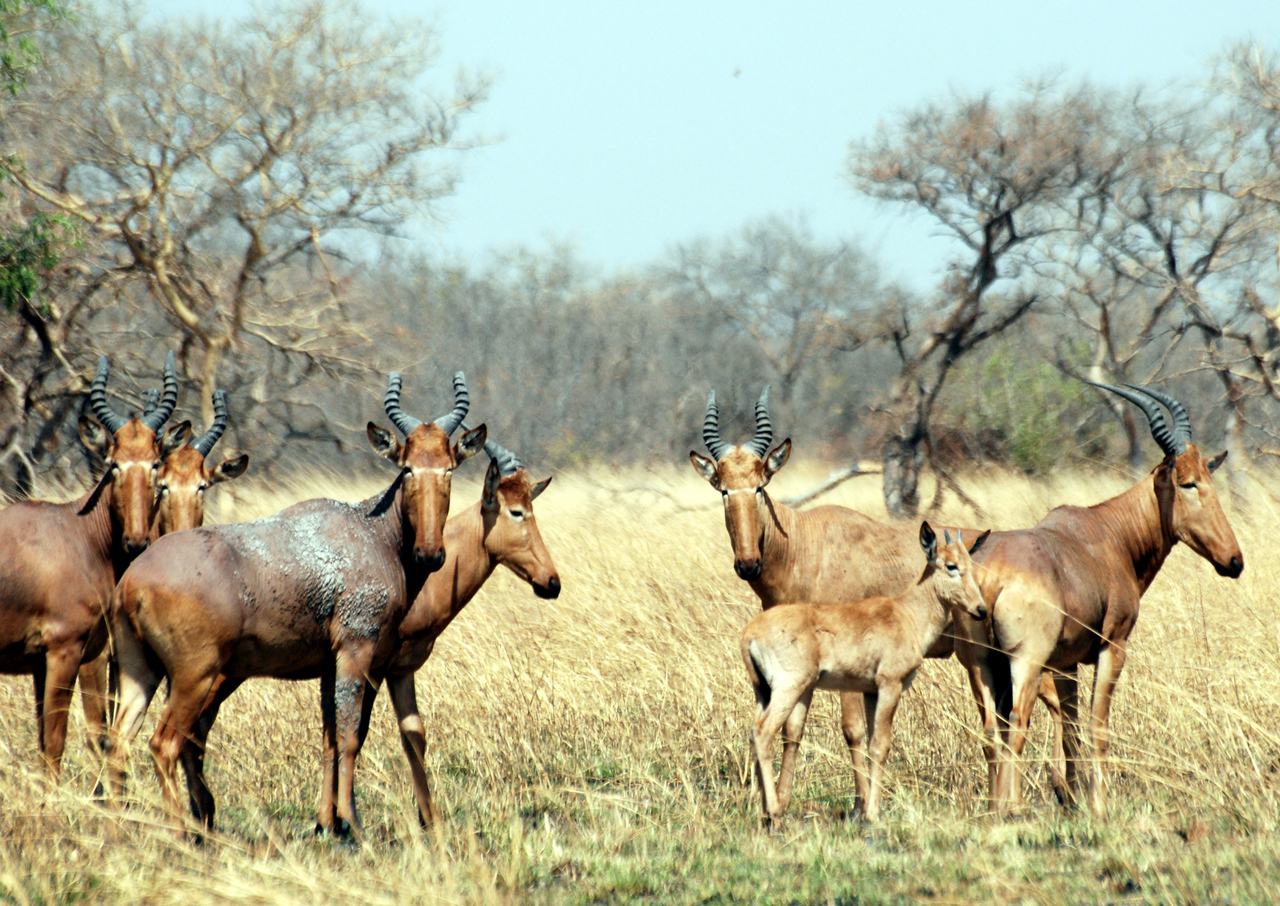
Cameroon Savanna Plains — 10 Days
10 days · Cameroon
10-day cameroon savanna plains — western hartebeest, buffon's kob, harnessed bushbuck in North Cameroon savanna.
$16,000 – $20,000
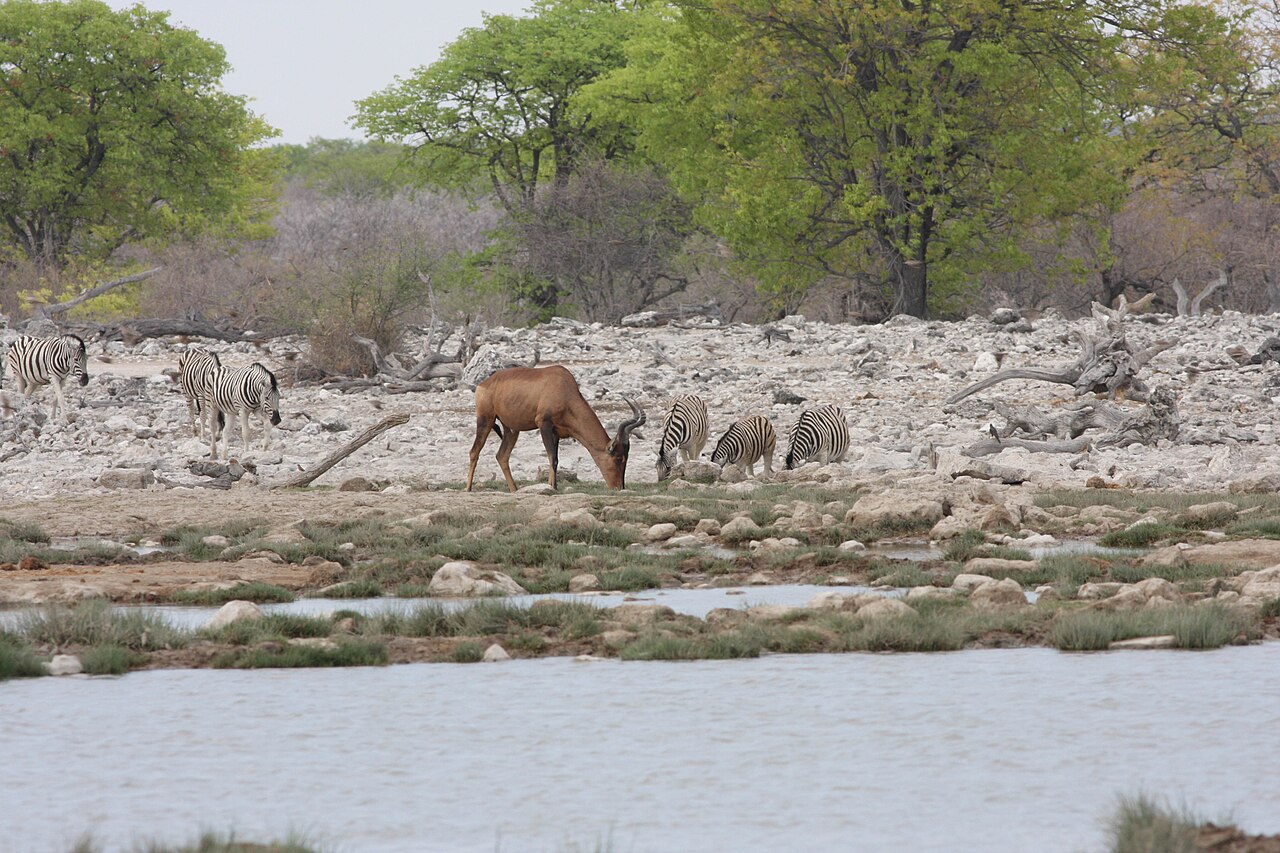
CAR Vakaga Savanna — 12 Days
12 days · Central African Republic
12-day car vakaga savanna — western hartebeest, buffon's kob, harnessed bushbuck in Vakaga savanna.
$22,000 – $28,000
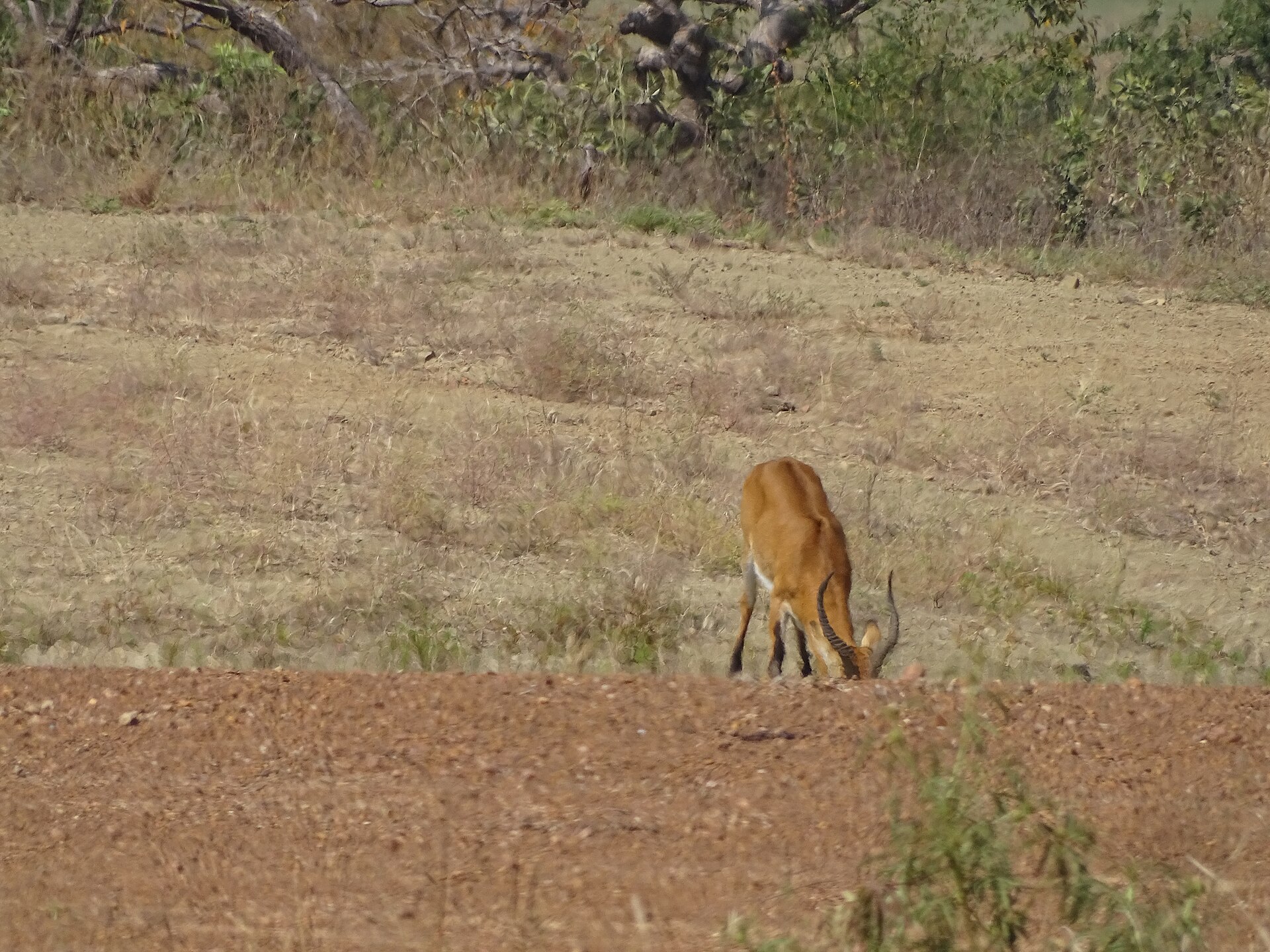
Benin Northern Plains — 10 Days
10 days · Benin
10-day benin northern plains — western hartebeest, buffon's kob, harnessed bushbuck in Alibori savanna.
$15,000 – $19,000
Plan Your Buffon's Kob Hunt
Submit a free enquiry and we'll match you with outfitters who hunt Buffon's Kob in your region.
Sign Up to Enquire Aardwolf
 Abyssinian Bushbuck
 Baboon
 Bat-Eared Fox
 Bay Duiker
 Beisa Oryx