Chobe Bushbuck Hunting
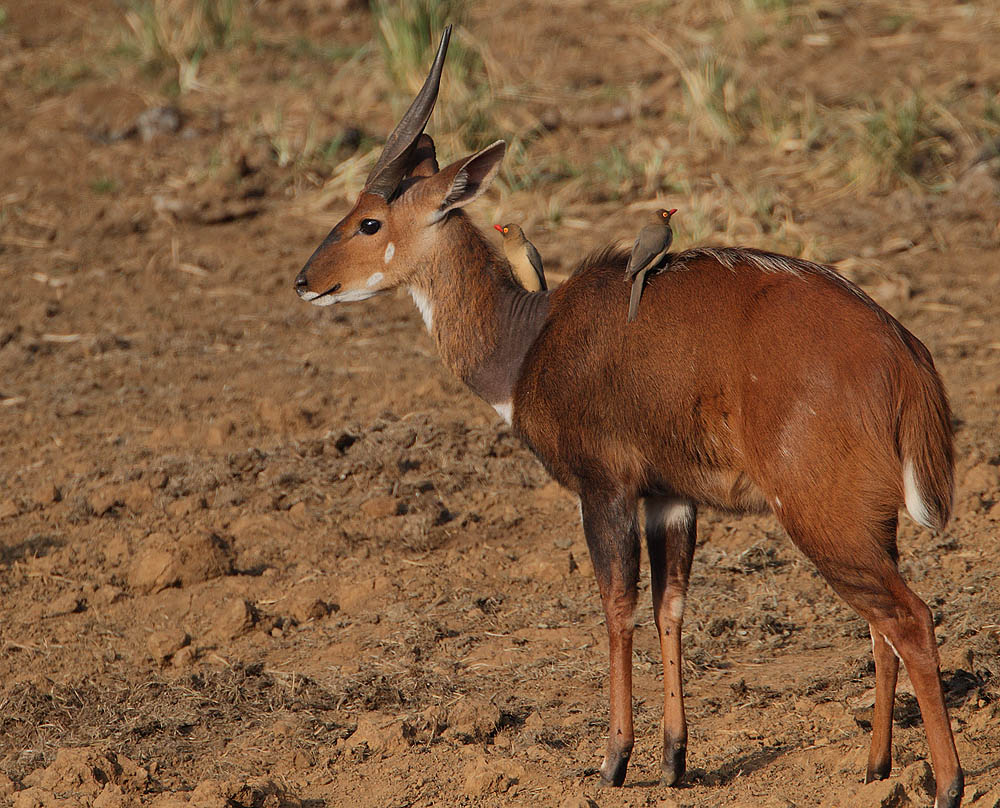
Tragelaphus sylvaticus ornatus
The Chobe Bushbuck, known scientifically as Tragelaphus sylvaticus ornatus, captivates hunters with its ornate beauty and elusive nature. Rams typically measure 70 to 90 centimeters at the shoulder and weigh 40 to 80 kilograms, while ewes are smaller. Their coat is a rich rufous brown highlighted by white spots, stripes, and facial markings that are especially pronounced in this Chobe subspecies, earning it the ornate designation. Males carry elegant spiral horns that range from 25 to 50 centimeters, providing a handsome trophy. These bushbucks inhabit the dense, tangled vegetation along rivers, floodplains, and woodland thickets in their range. They are solitary and highly territorial, most active at dawn, dusk, and night, using their keen senses and camouflage to avoid detection. As browsers, they feed on leaves, twigs, and fruits, remaining close to cover. The Chobe Bushbuck's distribution centers on the Chobe River system in Botswana, extending into Namibia, Zambia, and parts of Zimbabwe, where suitable habitat exists. For hunters, this animal represents a true test of skill. Hunting typically involves still-hunting or stalking through thick bush, where visibility is limited and the bushbuck can disappear instantly. Successful hunters value not only the horns but the overall quality and markings of this striking antelope. It is often pursued during safari hunts in the region. Populations remain stable, classified as Least Concern, with regulated hunting supporting habitat conservation and anti-poaching efforts.
Hunt facts
- Countries
- Angola Botswana Mozambique Namibia Zambia Zimbabwe
- Hunt regions
-
Angola: Cuando Cubango MoxicoBotswana: Chobe North WestMozambique: TeteNamibia: Kavango East Kavango West ZambeziZambia: SouthernZimbabwe: Matabeleland North
- Habitat
- Woodland Riverine
- Best time to hunt
- May–October (Dry season)
- Mass
- 40–80 kg (88–176 lb)
- Trophy minimum
-
- SCI (inches): 31
- SCI bow: 28
- Rowland Ward (inches): 15
SCI race of Bushbuck
Typical record-book minimums; confirm the current edition with your professional hunter.
Where to Find Chobe Bushbuck
The Chobe bushbuck thrives in dense riverine forests, thickets, and floodplain areas along major rivers in southern Africa. Primary regions include the Chobe District in northern Botswana, the Zambezi Region in Namibia, and parts of western Zambia and northern Zimbabwe. For hunting this species, Namibia and Zimbabwe provide the best legal opportunities through established hunting concessions, as Botswana restricts hunting in protected areas like Chobe National Park. Seasonal considerations favor the dry season from May to October, when water sources concentrate wildlife and vegetation is less dense, making tracking easier. The terrain consists of thick bush, mopane woodlands, and swampy riverine environments that offer ample cover. To locate Chobe bushbuck in the wild, focus on areas near water during early morning and late afternoon. Look for tracks, droppings, and feeding signs in dense cover. They are shy and often hide in thick vegetation, so patience and knowledge of their secretive habits are key for successful hunts.
Why Hunt Chobe Bushbuck
The Chobe bushbuck draws hunters with its tightly spiraled horns and distinctive spotted coat that form an elegant, collectible trophy unlike larger spiral-horned species. These secretive antelope inhabit dense riverine thickets along the Chobe, where limited visibility and their wariness demand patient stalking and sharp observation, creating genuine excitement and a true test of skill when a ram finally steps into view.
Bushbuck venison is prized for its tenderness and mild flavor, making excellent camp meals and traditional dishes. The hunt carries cultural weight in African heritage as a pursuit of skill and provision. Regulated hunting generates fees that fund habitat protection, anti-poaching, and community benefits in Botswana. Pursuing this species offers a distinctive experience in one of Africa’s iconic wilderness areas, blending challenge with responsible conservation.
Chobe Bushbuck Hunting Tips
Hunting the Chobe bushbuck demands stealth and patience in the dense riverine thickets along Botswana's Chobe River. The proven technique is slow still-hunting or tracking with a skilled local tracker, moving quietly through cover at first and last light when these secretive antelope feed. Glass from riverbanks or termite mounds then stalk in during the dry season when bush thins and animals visit water more predictably.
A scoped rifle in . 270, 7mm-08 or . 308 with 140-165 grain expanding bullets handles these 40-80 kg animals well at typical 20-80 metre ranges. Binoculars and quiet clothing are essential. Place the shot tightly behind the shoulder into the heart-lung area; a quartering-away angle works if the shoulder is covered by vegetation. Follow blood and tracks immediately, as a wounded bushbuck will dive into impenetrable cover.
Look for small cloven tracks, fresh droppings and browse lines near water. Hunt June through October for best visibility. Avoid rushing shots through thick brush, shooting at running animals, or neglecting to mark the hit site. In this landscape stay alert for elephant, buffalo, hippo and crocodile; always hunt with a licensed professional hunter and never approach a downed animal alone.
Featured Outfitters for Chobe Bushbuck
View all


Plan Your Chobe Bushbuck Hunt
Submit a free enquiry and we'll match you with outfitters who hunt Chobe Bushbuck in your region.
Sign Up to Enquire Aardwolf
 Abyssinian Bushbuck
 Baboon
 Bat-Eared Fox
 Bay Duiker
 Beisa Oryx