Cookson's Wildebeest Hunting
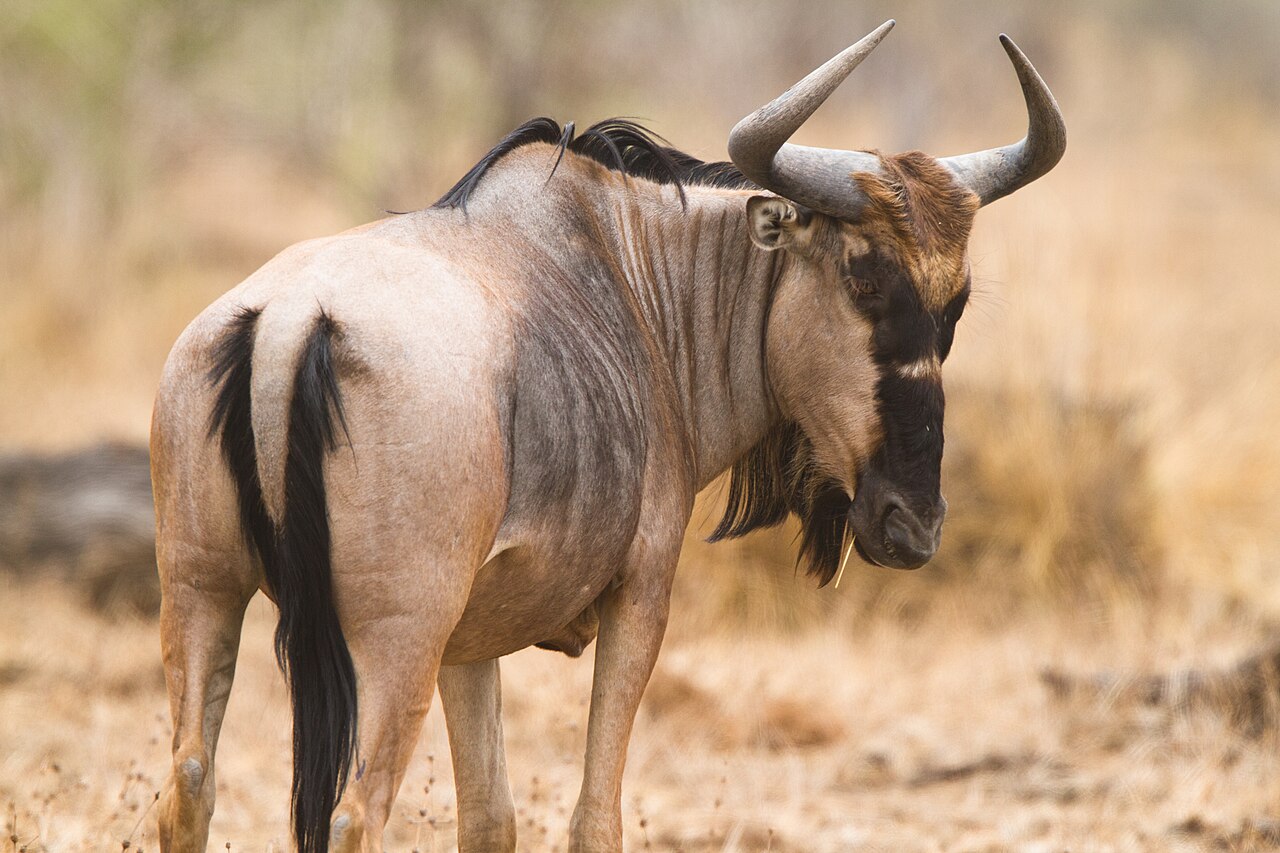
Connochaetes taurinus cooksoni
Cookson's wildebeest is a distinctive subspecies of the blue wildebeest restricted to Zambia's Luangwa Valley, prized by hunters for its unique appearance and limited range. These animals show a rufous to chestnut-brown coat rather than the typical slate-grey of other blue wildebeest, with darker facial markings, a flowing mane, and a black tail. Mature bulls typically weigh 180 to 250 kilograms and stand 1. 3 to 1. 5 meters at the shoulder, carrying heavy, curved horns that sweep outward then inward with spreads often reaching 70 to 85 centimeters. They occupy the valley's floodplains, open grasslands, and woodland mosaics, forming herds of a few dozen animals that may gather in larger groups during the dry season. Restless grazers, they remain constantly alert and on the move, relying on keen senses and group vigilance. This behavior, combined with the Luangwa's mix of open country and thick riverine cover, makes them a challenging stalk that rewards patience and accurate shooting at moderate ranges. Endemic to the Luangwa ecosystem, Cookson's wildebeest appeal to hunters seeking a specialized African trophy not available elsewhere. Their attractive coloration and status as a localized form add prestige to a plains-game collection. Hunts are typically conducted on foot during the dry months when animals concentrate near water. Populations are stable and managed through Zambia's regulated hunting programs, which help fund habitat protection and anti-poaching work. The subspecies is not considered threatened, supporting ethical, sustainable hunting that contributes to conservation in the region.
Hunt facts
- Countries
- Zambia
- Hunt regions
-
Zambia: Eastern Muchinga
- Habitat
- Grassland Mixed savanna Woodland
- Best time to hunt
- May–October (Dry season)
- Mass
- 180–250 kg (397–551 lb)
- Trophy minimum
-
- SCI (inches): 70
- SCI bow: 54
- Rowland Ward (inches): 28 4/8
- Rowland Ward record: 36
Same operator-table blue wildebeest row; confirm Cookson's / Luangwa category
Typical record-book minimums; confirm the current edition with your professional hunter.
Where to Find Cookson's Wildebeest
Cookson's wildebeest occurs only in Zambia's Luangwa Valley, the sole place hunters can pursue this blue wildebeest subspecies. They occupy floodplains, open grasslands, and mopane woodlands along the Luangwa River. Licensed hunts take place in game management areas next to South and North Luangwa National Parks through established outfitters. Dry-season months from June to October work best because water is scarce, vegetation is low, and herds gather at remaining rivers and waterholes. Terrain mixes flat savannas, riverine thickets, and gentle wooded hills that favor vehicle scouting plus short stalks on foot. Glass open plains from high ground at dawn, follow fresh tracks in sandy soil, and watch for herds of a few dozen animals that often mix with zebra or impala near water. Local knowledge of water points and early starts raise the odds of finding them.
Why Hunt Cookson's Wildebeest
Cookson's Wildebeest captivates hunters with its unique trophy qualities, boasting impressive curved horns and a robust physique that makes for a memorable mount. The pursuit offers significant challenge and excitement, as these wary animals roam the challenging landscapes of Zambia's Luangwa Valley, demanding expert tracking skills and patience in thick cover for a thrilling stalk.
The meat is of high quality, lean and flavorful with a rich game taste that shines in traditional recipes, providing both sustenance and culinary satisfaction. Culturally, hunting this species ties into African safari traditions and local heritage. Importantly, ethical hunting supports conservation efforts, with license fees aiding anti-poaching and habitat preservation to ensure sustainable populations.
This hunt delivers unique experiences in pristine wilderness, blending adventure, stunning scenery, and the chance to encounter Zambia's diverse fauna, creating unforgettable memories for dedicated hunters.
Cookson's Wildebeest Hunting Tips
Hunting Cookson's wildebeest in Zambia's Luangwa Valley woodlands favors patient stalking with a professional hunter. Glass from high ground or termite mounds then use mopane cover to close from downwind within 150-250 yards, as these alert animals rely on keen senses and often mill in small herds.
A bolt-action rifle in . 30-06, . 308 or . 300 Winchester Magnum with 150-180 grain premium expanding bullets and a 3-9x scope delivers reliable performance on this tough plains game. Place the shot just behind the shoulder, one-third of the way up the body, for a heart-lung hit; they can absorb poorly placed bullets and run far.
Follow fresh tracks, dung and feeding signs in sandy riverine soil. If wounded, wait then track blood carefully rather than rushing into thick cover.
Focus on the dry season from June to October, hunting the first and last hours of daylight when animals move to water. Avoid long unsupported shots, underestimating their stamina, or hunting without local knowledge and permits.
Stay with experienced guides, watch for buffalo, predators and snakes, hydrate well, and never approach a downed animal until it is confirmed still. Ethical, legal hunting with proper licenses keeps the experience safe and sustainable.
Featured Outfitters for Cookson's Wildebeest
View all
Hunt packages with Cookson's Wildebeest
Curated hunt ideas — no price on the page. Enquire and we'll match outfitters after review.
Muchinga Luangwa Plains — 10 Days
10 days · Zambia
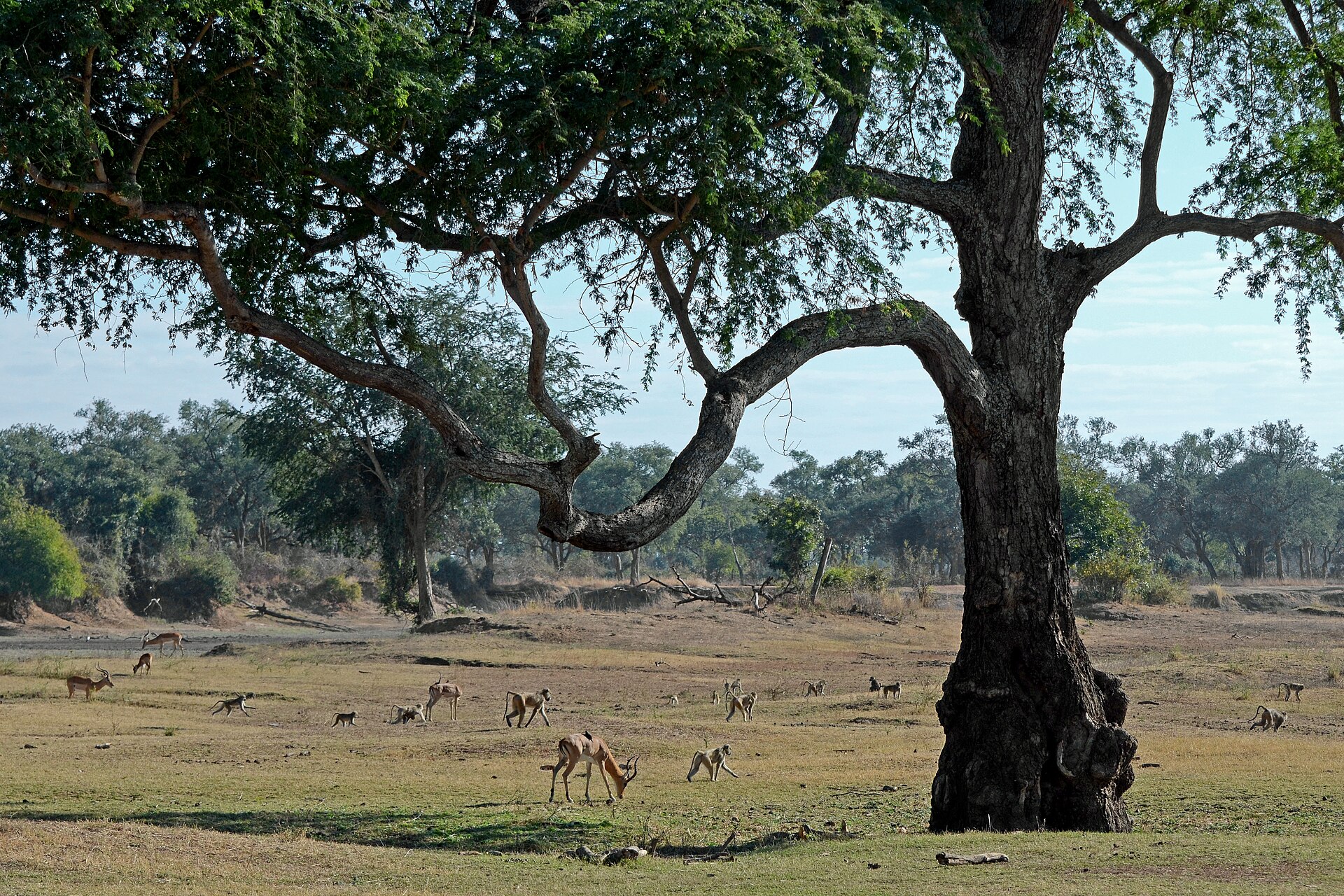
10-day muchinga luangwa plains — impala, puku, warthog in Muchinga / North Luangwa fringe.
$12,500 – $14,500
Plan Your Cookson's Wildebeest Hunt
Submit a free enquiry and we'll match you with outfitters who hunt Cookson's Wildebeest in your region.
Sign Up to Enquire Aardwolf
 Abyssinian Bushbuck
 Baboon
 Bat-Eared Fox
 Bay Duiker
 Beisa Oryx