Copper Blesbok Hunting
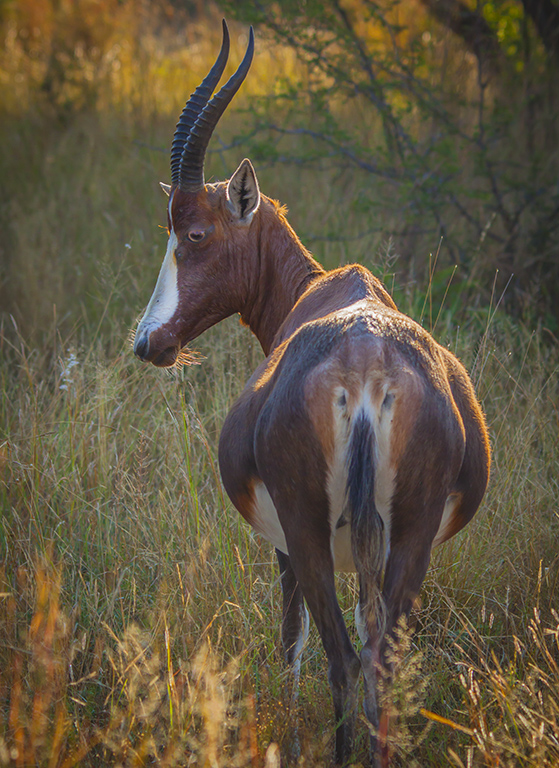
Damaliscus pygargus phillipsi
The Copper Blesbok is a distinctive color variant of the South African blesbok, Damaliscus pygargus phillipsi, prized by hunters for its rich copper or chestnut coat that contrasts sharply with the familiar white facial blaze. Rams typically stand 85 to 100 centimeters at the shoulder and weigh 55 to 80 kilograms, with ewes somewhat smaller. Both sexes carry lyre-shaped horns, though those of mature rams are thicker and more impressive, often measuring 40 centimeters or more. The body pelage shows a glossy metallic copper tone rather than the usual dark brown, while the underparts, rump, and lower legs remain white. These antelope inhabit open grasslands and highveld plains, grazing short grasses in mixed herds that can number from a few dozen to several hundred animals. They are diurnal and highly social, with territorial rams defending areas during the rut. Keen eyesight and explosive speed help them detect and evade threats across the open country they prefer. Originally native to the Free State and surrounding regions of South Africa, copper blesbok now occur widely on private game ranches throughout Southern Africa thanks to selective breeding. Hunters pursue them as challenging plains game, typically with medium-caliber rifles from blinds or by walking and stalking. Their wariness in open terrain rewards careful approach and shot placement, yielding a unique and colorful trophy that stands out among more common blesbok. The species as a whole is listed as Least Concern, and well-managed hunting of color variants on private land supports habitat conservation and rural livelihoods.
Hunt facts
- Countries
- South Africa
- Hunt regions
-
South Africa: Eastern Cape Free State Gauteng Limpopo Mpumalanga North West Northern Cape
- Habitat
- Grassland
- Best time to hunt
- May–October (SA ranch colour morph — not wild range)
- Mass
- 55–80 kg (121–176 lb)
- Trophy minimum
-
- SCI (inches): 40
- SCI bow: 35
- Rowland Ward (inches): 16 4/8
SA ranch colour morph of Blesbok — not wild range
Typical record-book minimums; confirm the current edition with your professional hunter.
Where to Find Copper Blesbok
Copper Blesbok, a distinctive color variant of the blesbok, inhabit open highveld grasslands and short-grass plains across South Africa. They prefer expansive, treeless or lightly wooded savanna where visibility is high and forage is abundant. Almost all hunting takes place on private game ranches and concessions rather than free-ranging wilderness.
South Africa remains the primary destination, with the strongest populations in the Free State, Eastern Cape, Northern Cape and parts of Mpumalanga. Limited numbers also occur on selected properties in Namibia.
The most productive period is the dry winter season from May to August, when grass is short, water sources concentrate herds and animals are easier to glass. They occupy flat to gently rolling terrain with good sight lines, often near pans or dams.
Locate them by glassing open plains at first and last light from ridges or vehicles. Watch for their copper coats and white facial blazes in groups of 10–30. They are creatures of habit, so checking known grazing areas and waterholes repeatedly is effective.
Why Hunt Copper Blesbok
Hunters pursue Copper Blesbok for their striking trophy appeal, with a shimmering copper coat, bold white facial blaze, and elegant lyre-shaped horns that create standout mounts unlike any other plains game. These wary antelope roam open grasslands, demanding skilled stalking or patient blind hunts that deliver real excitement amid the African veldt. Their lean, mild venison ranks among the finest, ideal for steaks, roasts, or traditional South African dishes. This hunt ties into longstanding African traditions of ethical harvest and respect for wildlife. Regulated hunting generates vital funds for habitat protection, anti-poaching, and species management, supporting conservation across the region. Tracking this distinctive color variant offers a unique, memorable adventure that combines challenge, scenery, and the satisfaction of a well-earned trophy.
Copper Blesbok Hunting Tips
Copper blesbok hunting typically occurs on South African game farms where these striking antelope roam open plains. The best method is walk-and-stalk hunting. Glass the area from a vantage point to locate a herd then close the distance slowly while staying downwind and using any cover available. Their keen eyes make a careful approach essential.
A reliable rifle in . 270 Winchester, 7mm-08, or . 308 Winchester loaded with premium 130 to 150 grain bullets is recommended. Zero at 200 yards and be proficient at offhand or kneeling shots.
Shot placement should target the heart-lung area immediately behind the shoulder, about one third of the way up the body for a quick ethical kill.
If the animal runs, mark the spot and begin tracking promptly looking for blood, tracks, and disturbed vegetation as they can travel far when hit poorly.
Hunt during early morning and late afternoon hours when blesbok are most active feeding. The winter dry season from May through August provides excellent visibility with shorter grass.
Avoid mistakes like shooting at running animals, ignoring wind direction, or using too light a caliber. Always wait for a broadside or quartering away presentation.
Safety requires treating firearms with respect, confirming the target and background, wearing blaze if required, and hunting with an experienced PH who knows the property and animal behavior. Stay alert for other game and environmental hazards.
Featured Outfitters for Copper Blesbok
View all


Hunt packages with Copper Blesbok
Curated hunt ideas — no price on the page. Enquire and we'll match outfitters after review.
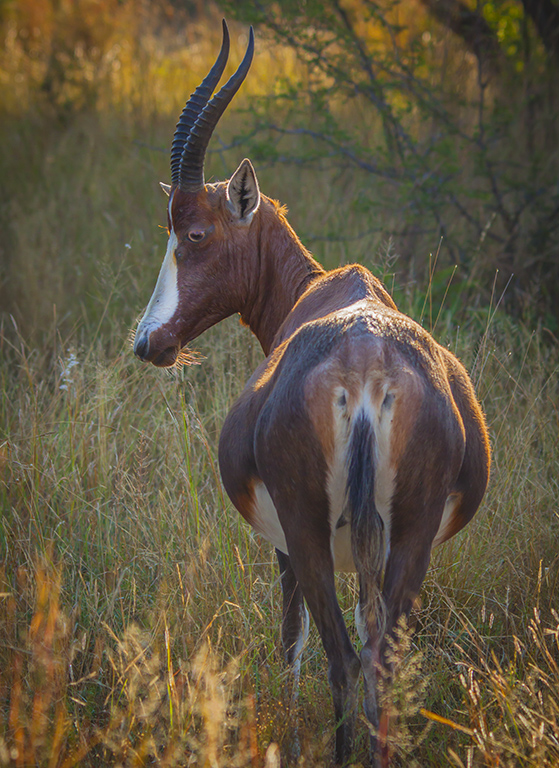
Free State Colour Variants — 7 Days
7 days · South Africa
7-day free state colour variants — white blesbok, copper blesbok, yellow blesbok in Free State ranch plains.
$8,500 – $9,800
Plan Your Copper Blesbok Hunt
Submit a free enquiry and we'll match you with outfitters who hunt Copper Blesbok in your region.
Sign Up to Enquire Aardwolf
 Abyssinian Bushbuck
 Baboon
 Bat-Eared Fox
 Bay Duiker
 Beisa Oryx