East African Bushbuck Hunting
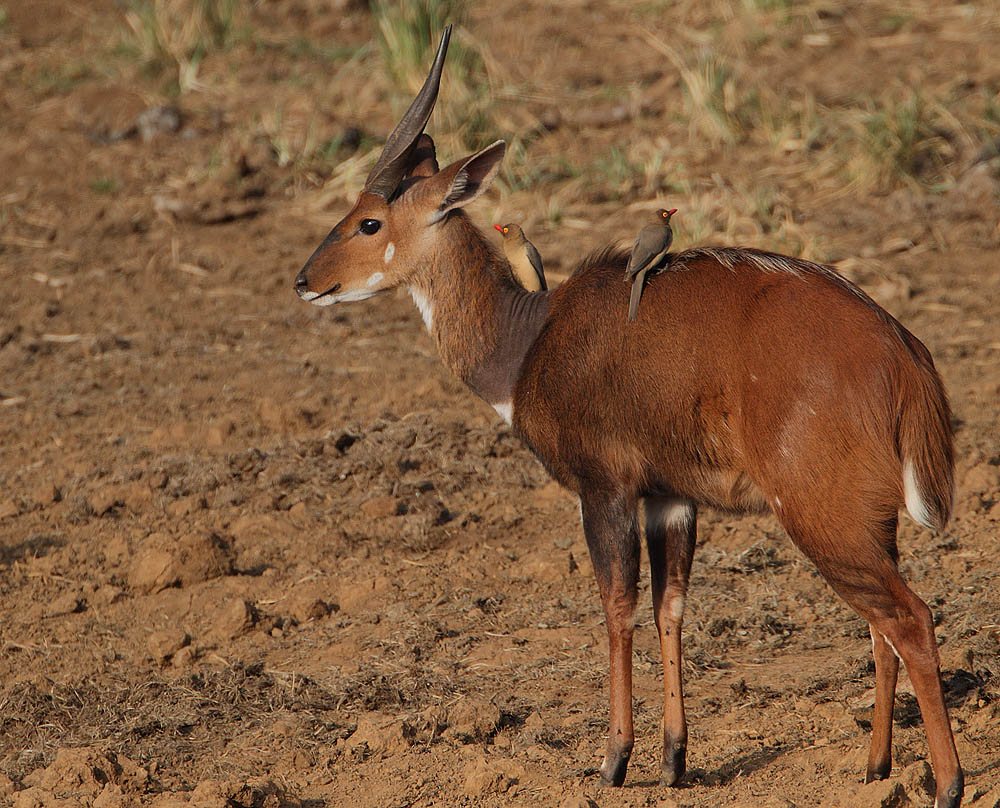
Tragelaphus sylvaticus massaicus
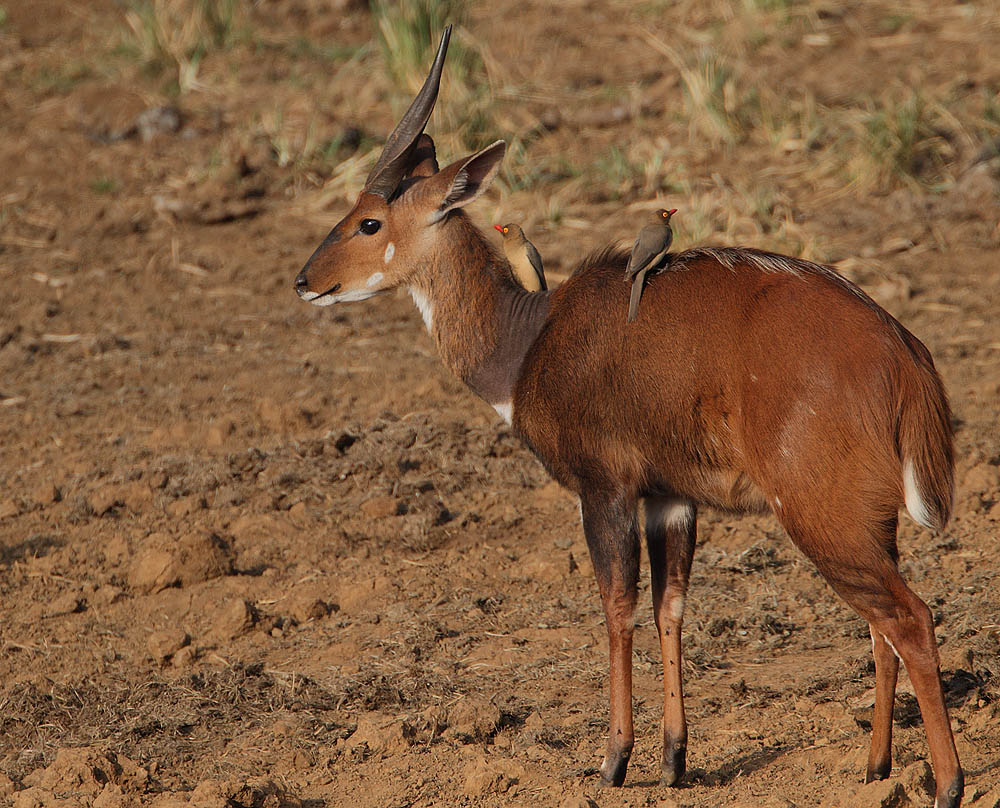
The East African Bushbuck (Tragelaphus sylvaticus massaicus) is one of Africa's most attractive and challenging antelopes for the dedicated hunter. Mature rams reach a shoulder height of 80 to 95 centimeters and weigh 50 to 80 kilograms, displaying a handsome reddish-brown to almost black coat patterned with white spots along the sides, a white neck patch, and distinctive white inner ears. Only the males carry the characteristic slightly spiraled horns that typically measure 30 to 50 centimeters, providing a fine trophy. These bushbucks thrive in dense cover such as riverine vegetation, thickets, and forest margins throughout East Africa, including Kenya, Tanzania, and Uganda. They are largely solitary and territorial, most active at dawn, dusk, and night while browsing leaves, shoots, and fruits. Their elusive habits and ability to remain motionless in thick bush make them difficult to spot, requiring hunters to use tracking skills, knowledge of feeding patterns, or waiting near waterholes. The hunt demands patience and stealth in impenetrable cover, and a wounded bushbuck may charge with surprising aggression, adding real excitement. Persistent still-hunting in suitable habitat often brings success. The East African Bushbuck is of Least Concern status, with healthy populations in well-managed hunting areas where fees support anti-poaching and habitat protection.
Hunt facts
- Countries
- Tanzania
- Hunt regions
-
Tanzania: Arusha Katavi Lindi Manyara Morogoro Pwani Rukwa Simiyu Singida Tabora
- Habitat
- Woodland Riverine
- Best time to hunt
- July–December (Tanzania hunting season)
- Mass
- 40–80 kg (88–176 lb)
- Trophy minimum
-
- SCI (inches): 31
- SCI bow: 28
- Rowland Ward (inches): 15
SCI race of Bushbuck
Typical record-book minimums; confirm the current edition with your professional hunter.
Where to Find East African Bushbuck
East African Bushbuck primarily inhabit dense riverine thickets, forest edges, and bushy woodlands in East Africa. They are found across Tanzania, Kenya, and Uganda, with excellent hunting opportunities in Tanzania's Selous area concessions, Kenya's Tsavo and northern blocks, and Uganda's hunting zones around Lake Mburo and Queen Elizabeth National Park. The dry season from July to October provides the best conditions as cover decreases and bushbuck frequent water sources. These animals favor thick, tangled vegetation and rocky terrain near rivers for concealment. Locate them by checking tracks and signs near water at dawn and dusk, listening for alarm barks, and stalking quietly through dense habitat. Professional guided hunts ensure ethical and legal success.
Why Hunt East African Bushbuck
Hunters pursue the East African bushbuck for its exceptional trophy qualities, featuring males with tightly spiraled horns up to 18 inches long and a handsome dark coat adorned with distinctive white markings that create an impressive display. The hunt itself ranks as moderately challenging yet highly exciting, as these wary antelope inhabit dense bush and thickets, demanding patient tracking and silent approaches that often culminate in thrilling close-range shots. Bushbuck meat is renowned among hunters for its tenderness and rich, gamey flavor, making it a favorite for camp meals and gourmet preparations. In East African traditions, the bushbuck holds cultural significance as a symbol of the wild and a source of sustenance for local communities over centuries. Regulated hunting contributes to conservation by generating funds for anti-poaching patrols, habitat management, and wildlife research, ensuring healthy populations persist. Unique experiences include immersing in the vibrant ecosystems of Tanzania or Uganda, encountering other wildlife, and the personal triumph of outwitting one of Africa's most secretive spiral-horned antelopes.
East African Bushbuck Hunting Tips
East African bushbuck hunting requires stealth and patience because these antelope prefer dense thickets along rivers and in forests. The best techniques involve slow still-hunting or stalking at first light and last light when they feed and move. Sitting quietly near waterholes or trails in the dry season also works well as bushbuck visit water regularly then. Use a medium caliber rifle like a . 270 Winchester, . 308, or . 30-06 with a good low-light scope. These provide enough power for clean kills at typical close ranges of under 100 yards. Place your shot just behind the shoulder into the heart and lungs for a quick, ethical harvest. Avoid raking shots through heavy cover. Track by looking for small cloven hoof prints in mud, fresh droppings, and browse lines. Listen for their loud alarm bark which often gives away their position. Move slowly, scan constantly, and be ready for them to freeze rather than run. Hunt the dry months for better access and visibility. Common mistakes include making too much noise, hunting midday when they bed down, and taking poor shots that result in lost animals. For safety, always hunt with a professional guide in East Africa, watch for other dangerous game like buffalo, protect against thorns and insects, and never follow a wounded animal into thick cover without backup.
Featured Outfitters for East African Bushbuck
View all


Hunt packages with East African Bushbuck
Curated hunt ideas — no price on the page. Enquire and we'll match outfitters after review.
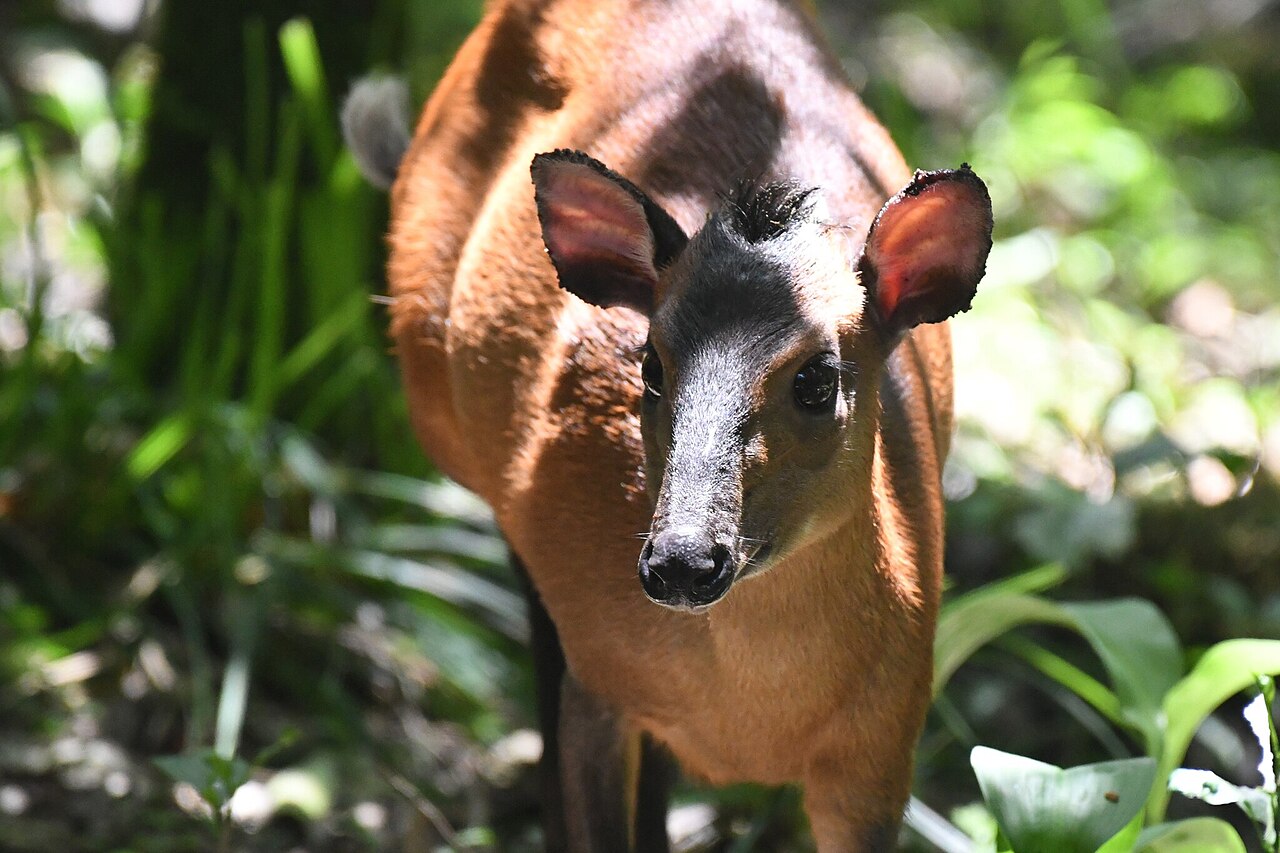
Tanzania Harvey Duiker & Bushbuck — 8 Days
8 days · Tanzania
8-day tanzania harvey duiker & bushbuck — harvey's red duiker, east african bush duiker, east african bushbuck in Morogoro thicket / miombo…
$9,500 – $11,500
Plan Your East African Bushbuck Hunt
Submit a free enquiry and we'll match you with outfitters who hunt East African Bushbuck in your region.
Sign Up to Enquire Aardwolf
 Abyssinian Bushbuck
 Baboon
 Bat-Eared Fox
 Bay Duiker
 Beisa Oryx