East African Eland Hunting
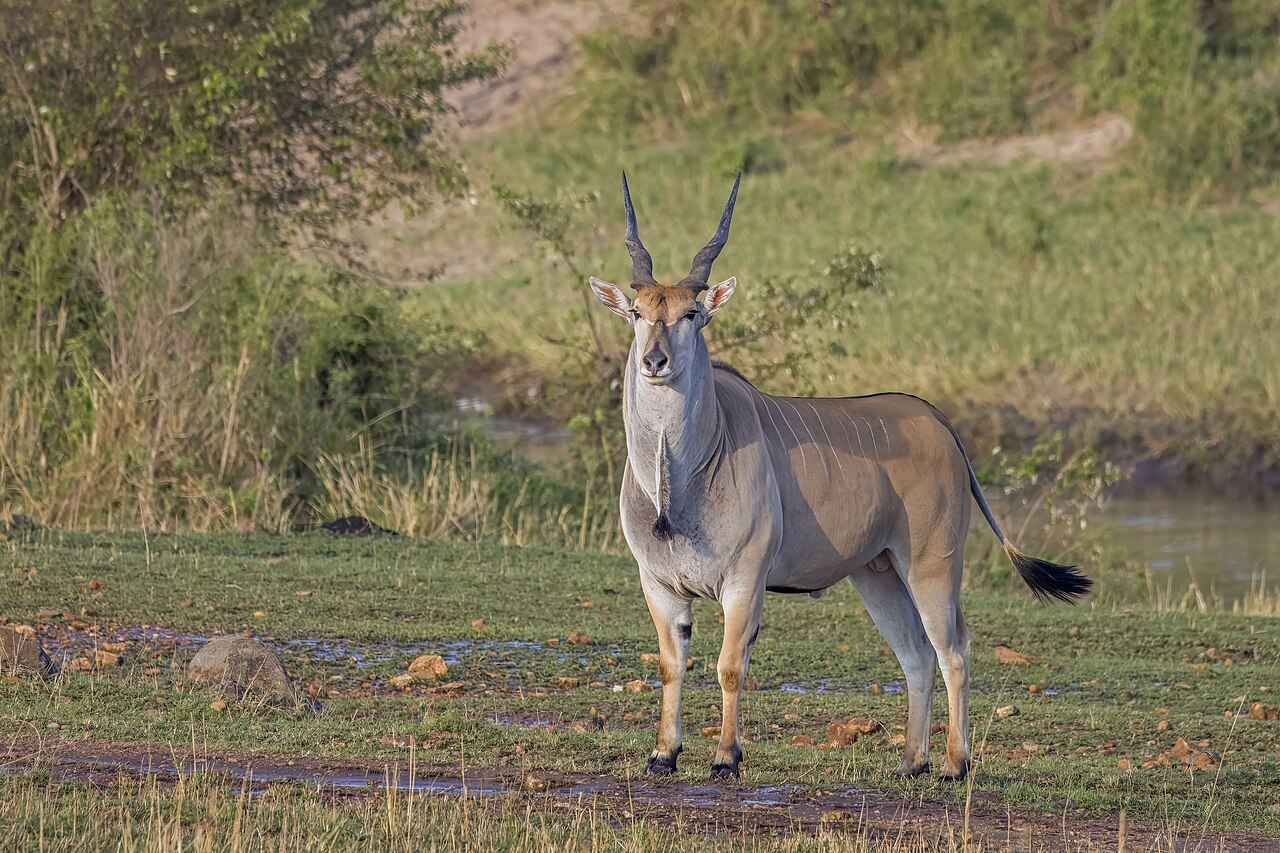
Tragelaphus oryx pattersonianus
The East African Eland, Tragelaphus oryx pattersonianus, ranks as Africa's largest antelope and a premier trophy for dedicated hunters. Mature bulls stand 1. 6 to 1. 8 meters at the shoulder and can weigh 700 to over 900 kilograms, while cows are somewhat smaller yet still imposing. Both sexes carry tightly spiraled horns, with those of older males thicker, heavier, and often measuring 70 to 90 centimeters or more. The coat is typically tawny to rufous-brown with faint vertical white stripes, a prominent dewlap, and dark markings on the legs and face that become more pronounced with age. These eland occupy open savannas, woodlands, and mixed grasslands across East Africa, particularly in Kenya and Tanzania. They form herds ranging from small family groups to gatherings of 50 or more, though mature bulls frequently live alone or in bachelor groups. Highly adaptable browsers and grazers, they remain active in cooler periods and can cover long distances. Despite their bulk they are surprisingly agile, capable of leaping more than two meters from a standstill, and they possess excellent eyesight, hearing, and a keen sense of smell. Hunters prize the East African Eland for its sheer size, distinctive spiral horns, and the demanding nature of the pursuit. Stalking these wary animals in relatively open country tests patience, marksmanship, and field craft. The species is currently assessed as Least Concern, and well-managed hunting programs in East Africa help fund habitat conservation and anti-poaching efforts that benefit the wider ecosystem.
Hunt facts
- Countries
- Tanzania Uganda
- Hunt regions
-
Tanzania: Arusha Katavi Manyara Rukwa Simiyu Singida TaboraUganda: Northern
- Habitat
- Grassland Mixed savanna Woodland
- Best time to hunt
- July–December (Dry season (East Africa))
- Mass
- 400–900 kg (882–1984 lb)
- Trophy minimum
-
- SCI (inches): 77
- SCI bow: 69
- Rowland Ward (inches): 35
- Rowland Ward record: 47 4/8
Same operator-table eland row as Cape eland; confirm East African SCI category
Typical record-book minimums; confirm the current edition with your professional hunter.
Where to Find East African Eland
The East African Eland thrives in savanna grasslands, acacia woodlands, and open plains across Tanzania, with key populations in the Masailand hunting blocks and Selous ecosystem. Tanzania offers the prime legal hunting destinations for this subspecies through licensed concessions, unlike Kenya where sport hunting remains banned. The dry season from June through October provides optimal conditions as animals concentrate around remaining water sources amid thinning vegetation. Expect rolling terrain of short-grass plains mixed with rocky outcrops, riverine thickets, and scattered bush that demands long-range glassing and stalking on foot. Locate herds by scanning dawn and dusk waterholes for tracks, droppings, and their distinctive large groups of cows with a few bulls; they favor mixed grazing areas near cover but remain wary, so work downwind using natural concealment while covering ground by vehicle then on foot.
Why Hunt East African Eland
The East African Eland ranks among Africa's premier trophies for its massive size as the largest antelope and those distinctive long spiral horns that make an outstanding mount. Hunters chase this wary giant across open plains and mixed bush because its keen senses, stamina, and tendency to keep moving demand skilled long-range stalking and careful shot placement, delivering real excitement and a true test of fieldcraft.
Eland meat is lean, tender, and mild, highly regarded for steaks, roasts, and traditional dishes. The animal carries cultural weight in African folklore and rock art as a symbol of power. Regulated hunting generates fees that fund habitat work, anti-poaching, and community programs that help keep populations healthy. Tracking herds, watching these animals jump astonishing heights, and taking part in a classic safari create experiences few other species can match.
East African Eland Hunting Tips
Hunting East African Eland requires patient stalking in savanna and woodland areas of Tanzania and Kenya. Locate herds from high ground or tracks showing large cloven prints and browse marks, then approach slowly from downwind using bushes or termite mounds for cover. Early mornings and late afternoons during the June to October dry season work best as animals feed and visit remaining water.
A . 375 H&H Magnum with 300-grain bullets handles their size well; add a solid scope. Aim for the heart-lung zone just behind the shoulder, one-third up the body, for a clean kill. Their thick hide demands quality ammunition and follow-up if needed.
Avoid rushing shots, ignoring wind, or firing at running animals. Always hunt with a licensed professional hunter. Stay safe by treating firearms as loaded, watching for buffalo or lions, and wearing thorn-proof clothing and boots.
Featured Outfitters for East African Eland
View all


Hunt packages with East African Eland
Curated hunt ideas — no price on the page. Enquire and we'll match outfitters after review.
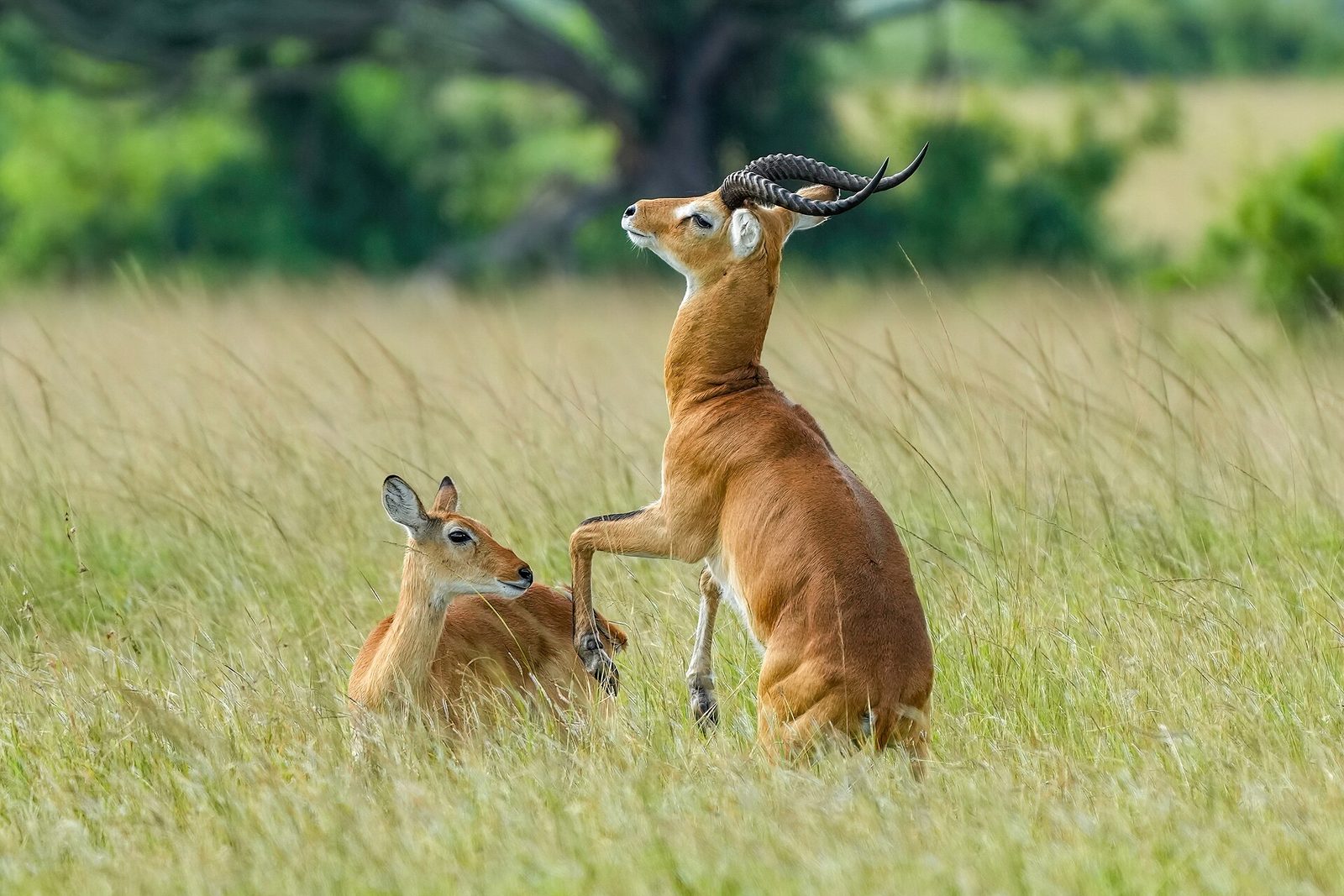
Lake Mburo Plains — 7 Days
7 days · Uganda
Seven days Lake Mburo plains — impala, zebra, eland, warthog and bushbuck.
$9,500 – $10,500
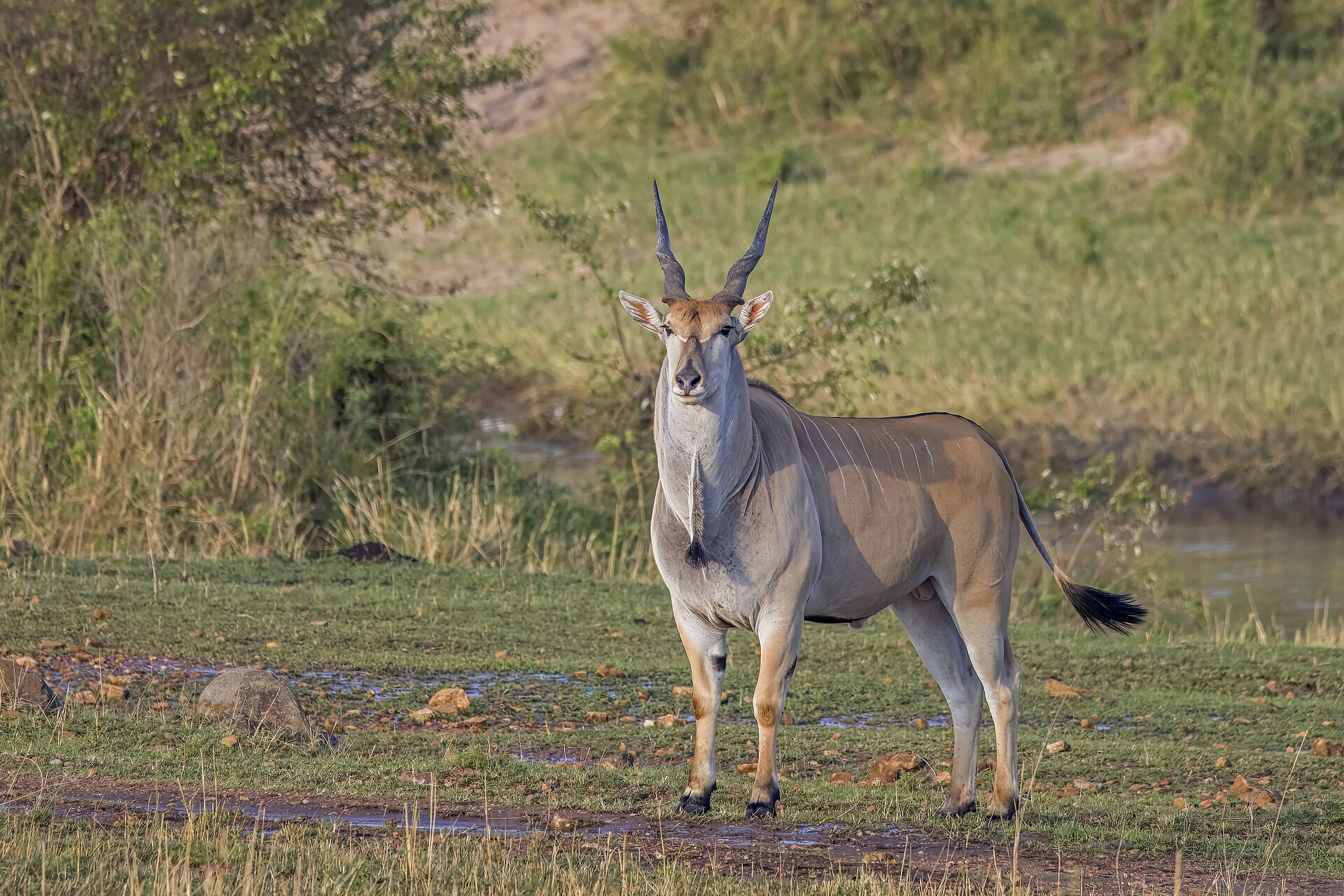
Morogoro East African Eland — 12 Days
12 days · Tanzania
12-day morogoro east african eland — east african eland, cape buffalo, impala in Morogoro Selous miombo.
$22,000 – $25,000
Plan Your East African Eland Hunt
Submit a free enquiry and we'll match you with outfitters who hunt East African Eland in your region.
Sign Up to Enquire Aardwolf
 Abyssinian Bushbuck
 Baboon
 Bat-Eared Fox
 Bay Duiker
 Beisa Oryx