Giant Forest Hog Hunting
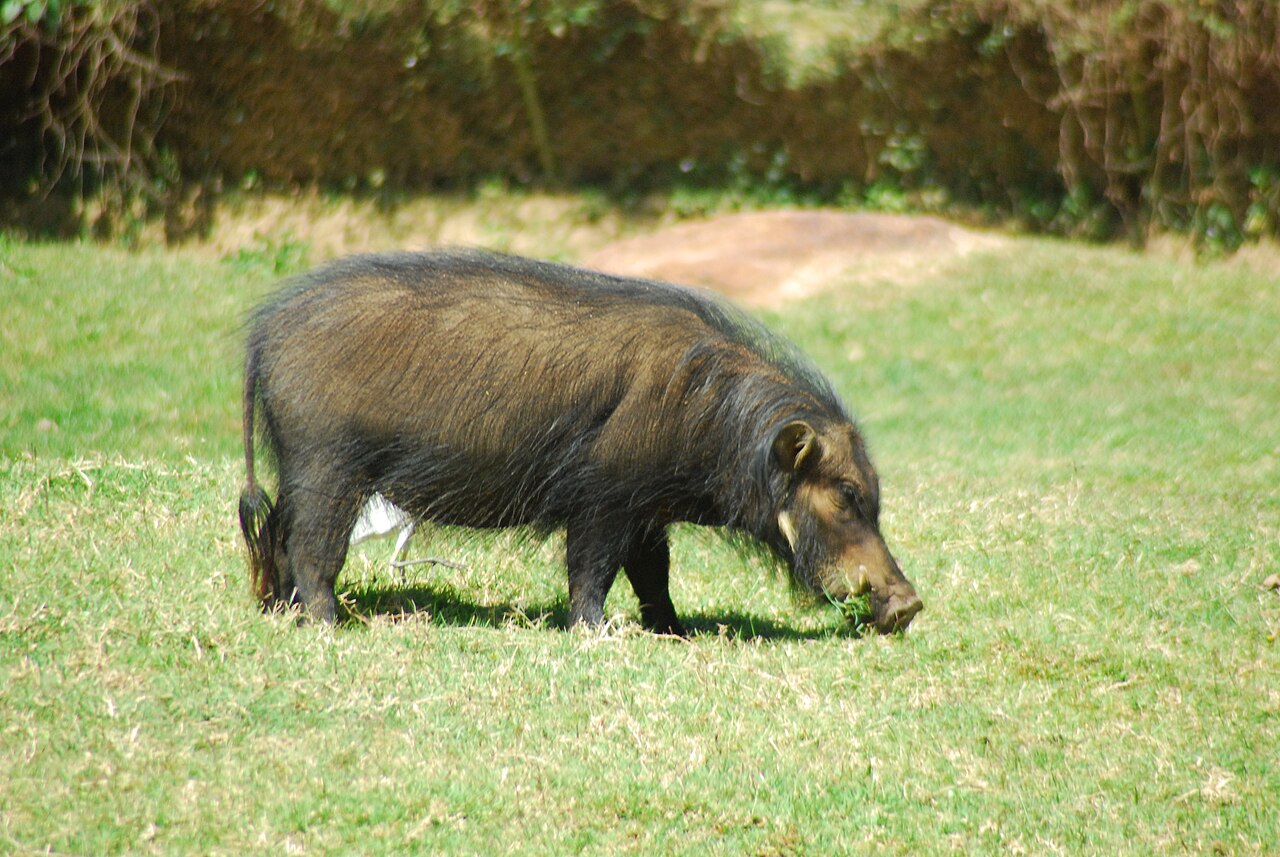
Hylochoerus meinertzhageni
The Giant Forest Hog (Hylochoerus meinertzhageni) is the largest of all wild pigs and a prized trophy for hunters exploring Africa's dense forests. These massive animals can weigh between 180 and 275 kilograms, with body lengths reaching 1. 5 to 2. 1 meters and shoulder heights up to 1. 1 meters. Their coarse, dark brown to black hair, enormous heads with long, curved tusks, and unique inflatable snout glands distinguish them immediately. Giant Forest Hogs thrive in the rainforests, gallery forests, and high-altitude woodlands of equatorial Africa, from Sierra Leone and Guinea eastward through the Democratic Republic of Congo to western Kenya and Ethiopia. They live in small sounders of up to 20 individuals, are mostly nocturnal or crepuscular, and feed on a variety of vegetation including grasses, leaves, and fallen fruit. Their preference for thick cover makes them elusive. Hunters value this species for the extreme challenge it presents. Stalking through nearly impenetrable jungle requires local trackers, silent movement, and readiness for a close-range shot, as the hog can charge with surprising speed and power using its formidable tusks. Trophy hogs are assessed by tusk size and body mass. While the species is listed as Least Concern, sustainable hunting practices help conserve habitat amid growing human pressures.
Hunt facts
Where to Find Giant Forest Hog
Giant forest hogs inhabit the dense equatorial rainforests of Africa, mainly across Central and East African countries including Cameroon, the Central African Republic, Uganda, Kenya, and Ethiopia. Their primary habitats consist of lowland and montane rainforests, swamp forests, and thick gallery forests near rivers and water sources, where they find cover, roots, and fruit. Licensed hunting opportunities exist in forested concessions in these nations, particularly the Congo Basin and highland forests of Kenya and Uganda. The dry season from November to April offers the best conditions, as reduced rainfall improves access and slightly thins vegetation for tracking. Terrain is humid, muddy, and densely vegetated with heavy undergrowth, frequent wallows, and limited visibility. Locate them by following large tracks, rooting signs, dung, and trails to muddy wallows, listening for grunts at dawn and dusk when family groups of six to twenty animals are most active in secluded forest interiors.
Why Hunt Giant Forest Hog
The Giant Forest Hog stands as one of Africa's most impressive yet least pursued trophies, drawing dedicated hunters with its massive frame, formidable tusks, and jet-black coat that make for an unforgettable mount. Tracking this elusive giant through dense equatorial forests presents a supreme challenge, demanding stealth, endurance, and nerve as the animal can charge when cornered, delivering heart-pounding excitement unlike open-country hunts. Its meat offers excellent table fare, lean and richly flavored, often prepared in camp as succulent roasts that rival the finest wild pork. In some Central African traditions, the forest hog holds cultural value as a source of sustenance and respect for the bush. Regulated hunting generates vital funds for habitat protection and anti-poaching efforts, helping sustain populations amid deforestation pressures. Pursuing this species delivers a rare, immersive rainforest experience, combining adventure with the chance to encounter one of the continent's true wilderness icons far from typical safari routes.
Giant Forest Hog Hunting Tips
Giant forest hogs inhabit dense equatorial rainforests across central and eastern Africa, requiring specialized hunting approaches. The primary technique is slow stalking with skilled local trackers who can detect subtle signs like large cloven hoof prints, mud wallows, rooted earth, and distinctive droppings amid thick undergrowth. Still-hunting from a hidden spot near known travel routes or water sources also works well given the limited visibility. Recommended equipment includes a . 375 H&H Magnum or similar large caliber rifle loaded with premium bullets capable of penetrating brush and the hog's heavy bone structure. Keep shots close, typically under 50 yards. Place the bullet just behind the front shoulder into the heart and lungs for a quick, ethical kill. Head or neck shots are not advised due to the animal's agility and thick skull. These hogs are most active at dawn and dusk, so plan hunts accordingly, preferably in the dry season when trails are clearer. Common mistakes include firing through heavy cover without a clear path, underestimating the need for an experienced professional hunter, and delaying follow-up on a hit animal. Safety is paramount: hunt only with licensed guides in legal areas, stay vigilant for elephants, buffalo, and other threats in the same habitat, and practice strict muzzle control in close quarters.
Featured Outfitters for Giant Forest Hog
View all
Hunt packages with Giant Forest Hog
Curated hunt ideas — no price on the page. Enquire and we'll match outfitters after review.
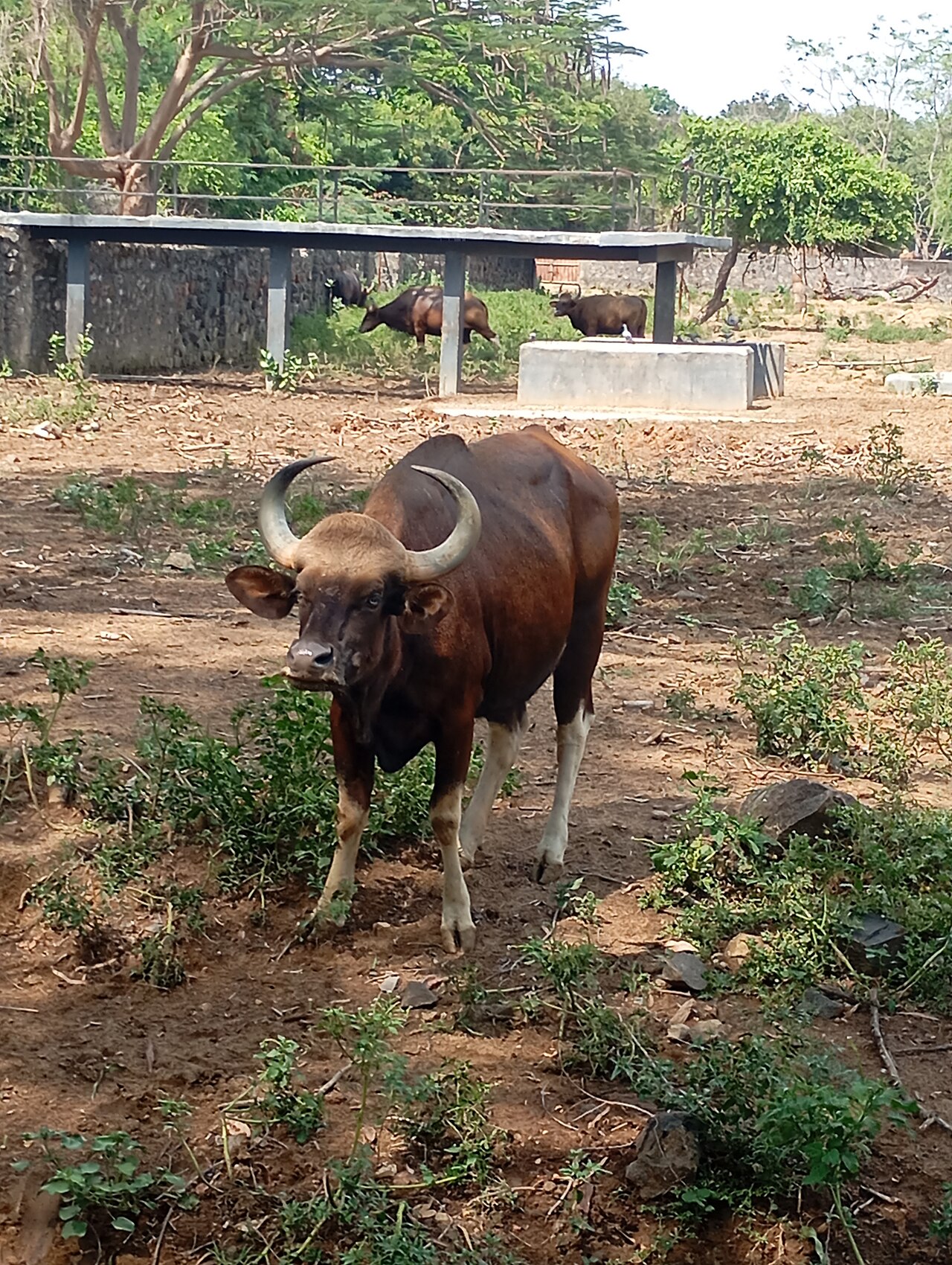
Western Forest Buffalo Intro — 12 Days
12 days · Uganda
12-day western forest buffalo intro — forest buffalo, bushbuck, giant forest hog in Western Uganda forest fringe.
$24,500 – $28,000
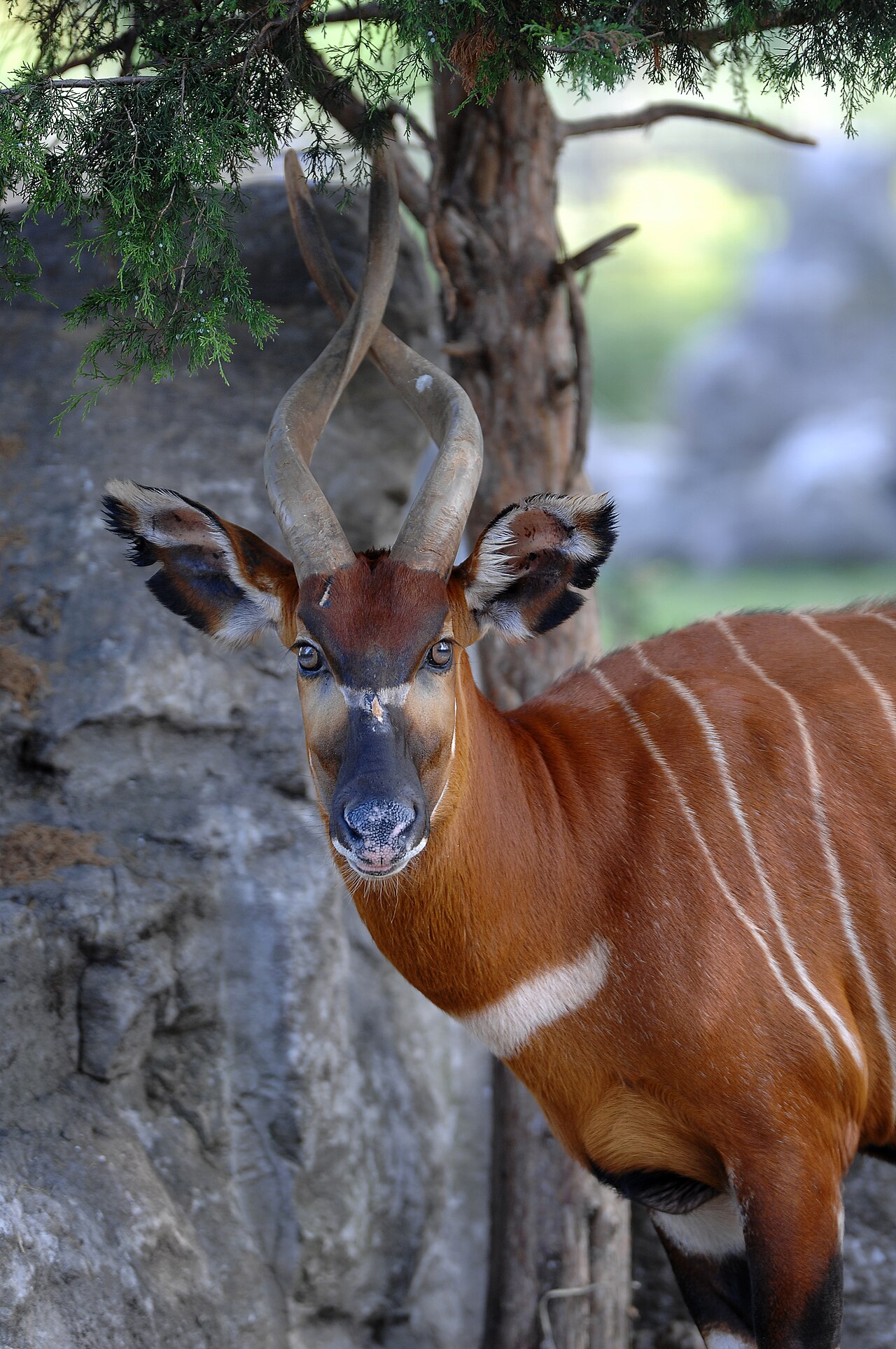
Cameroon Bongo Quest — 14 Days
14 days · Cameroon
14-day cameroon bongo quest — bongo, forest buffalo, yellow-backed duiker in East Cameroon forest (quota-dependent).
$45,000 – $65,000
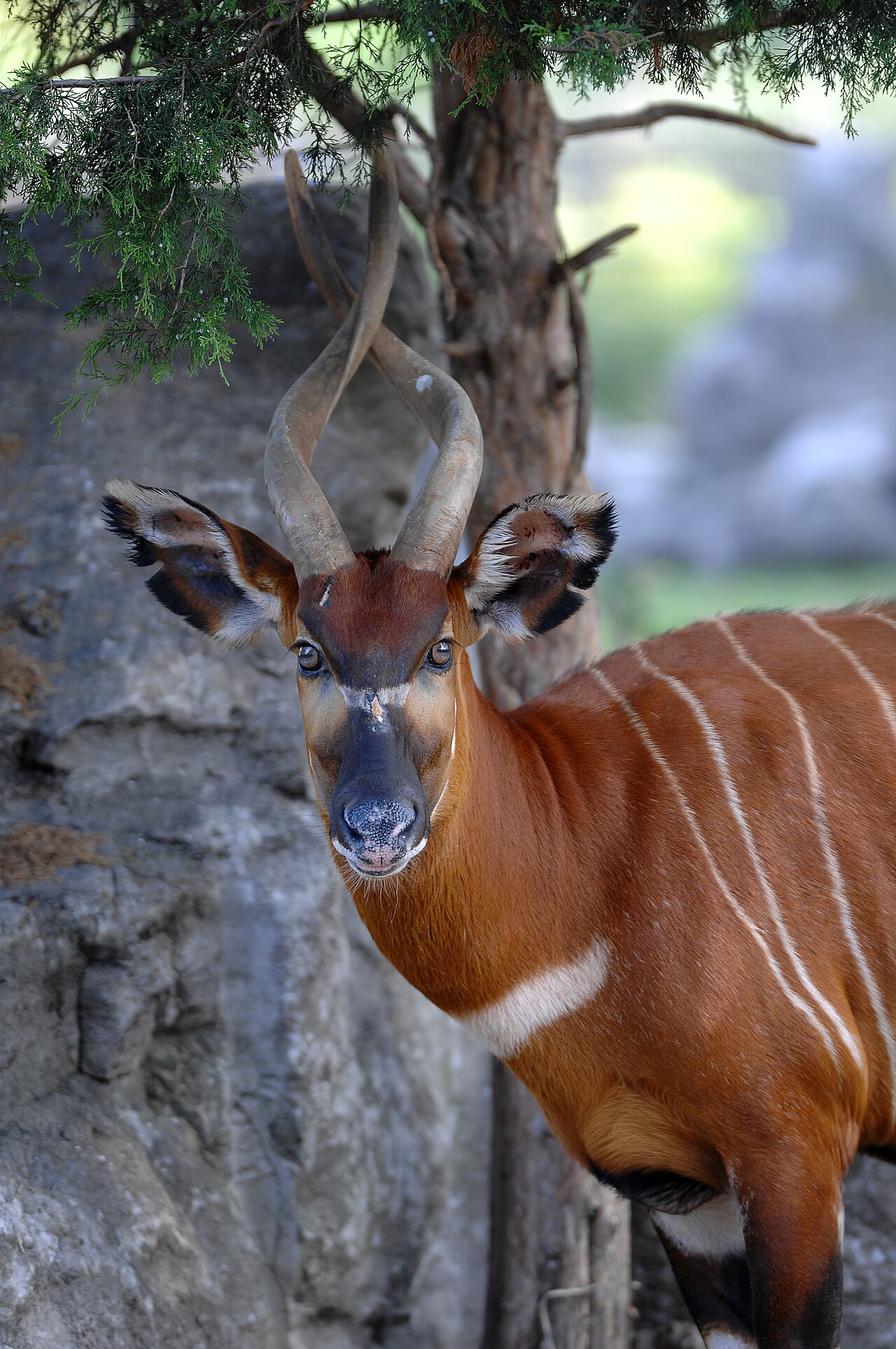
Bamingui-Bangoran Forest — 12 Days
12 days · Central African Republic
Twelve days Bamingui-Bangoran — bongo and forest buffalo focus.
$42,000 – $58,000
Plan Your Giant Forest Hog Hunt
Submit a free enquiry and we'll match you with outfitters who hunt Giant Forest Hog in your region.
Sign Up to Enquire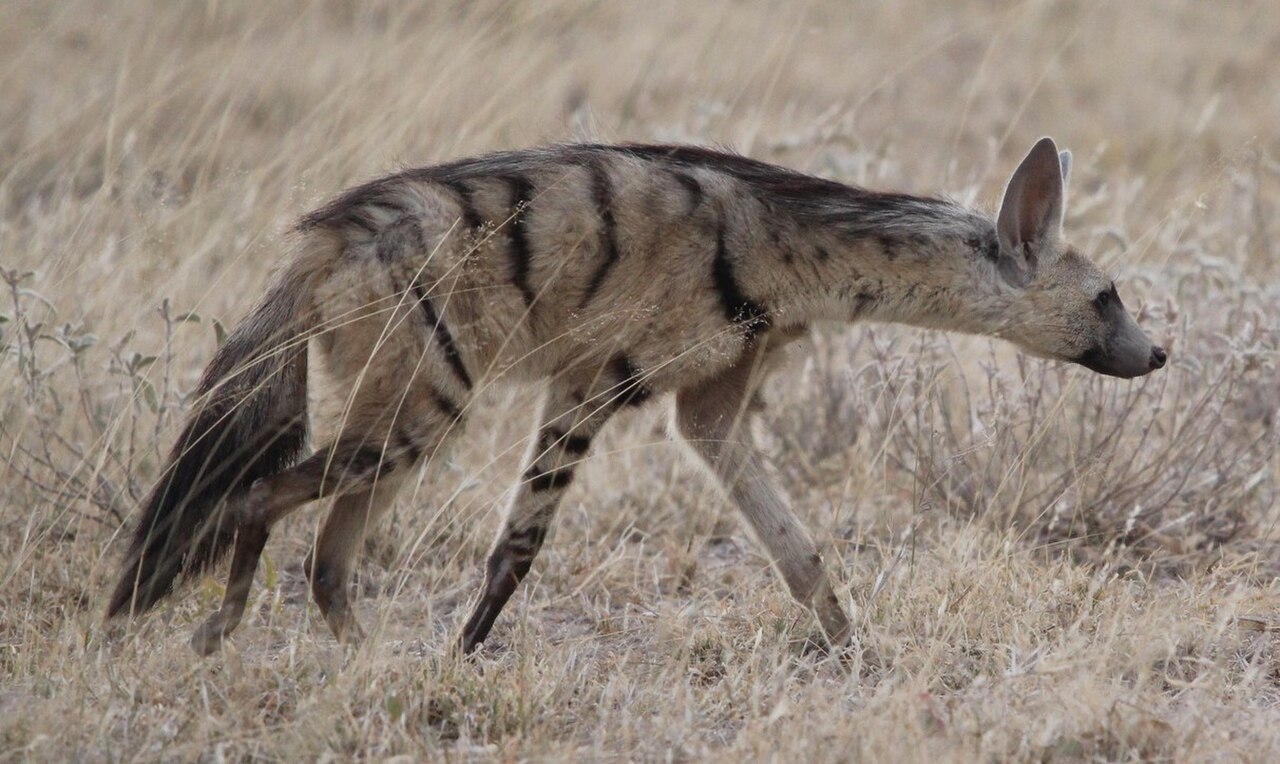 Aardwolf
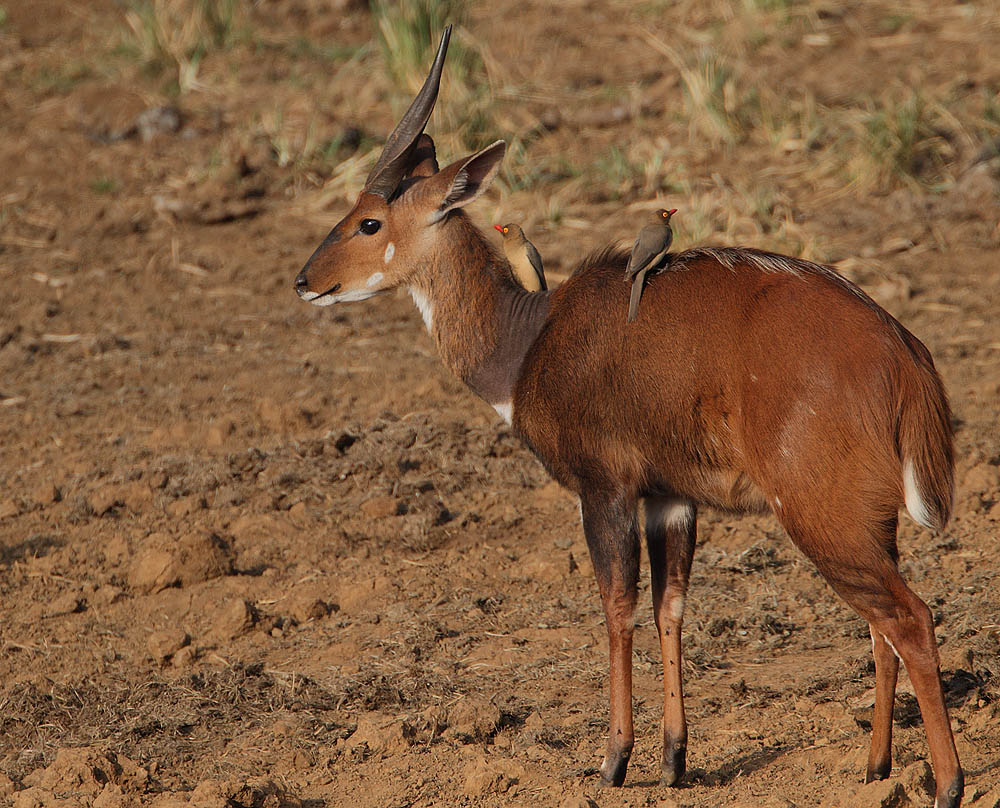 Abyssinian Bushbuck
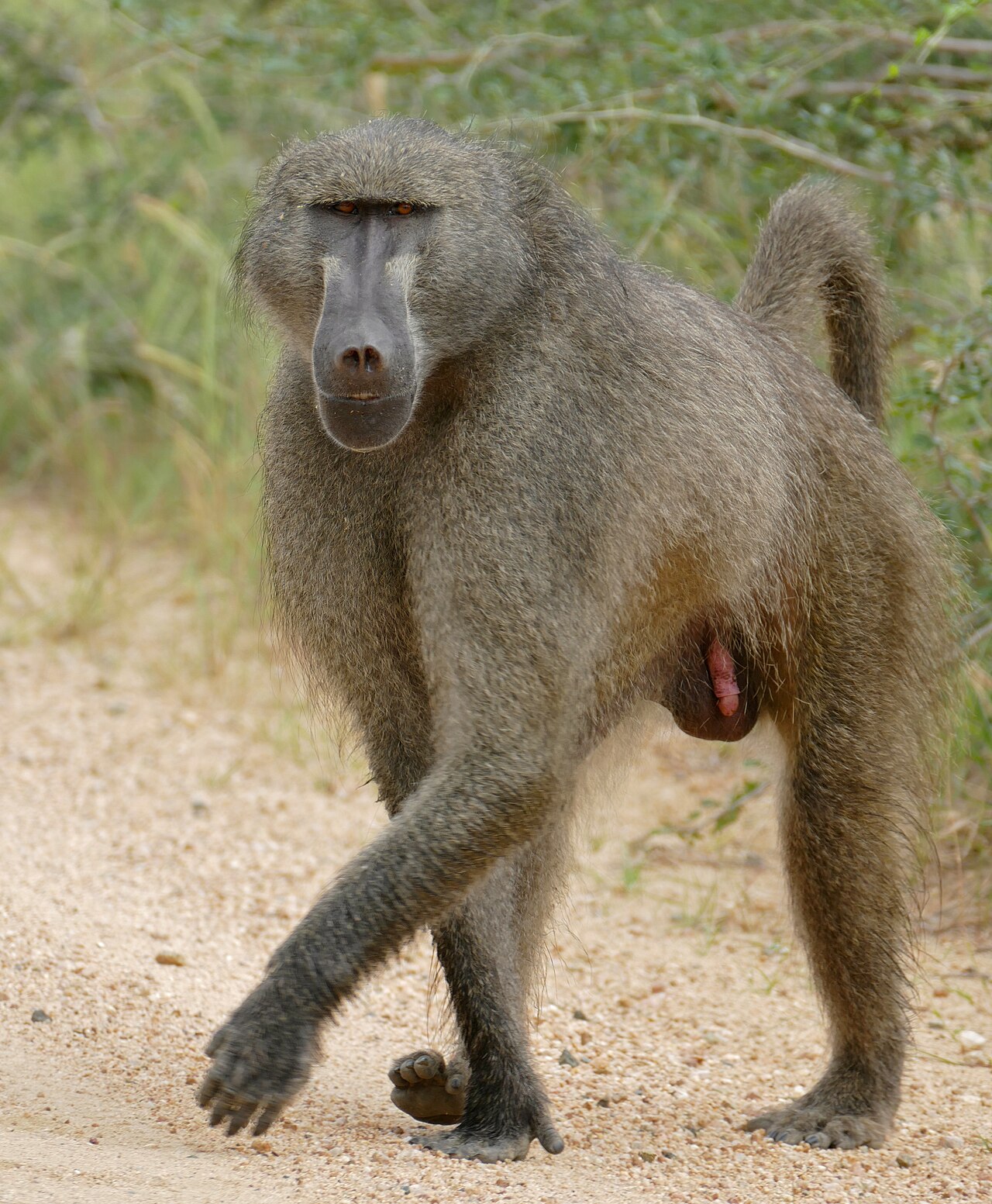 Baboon
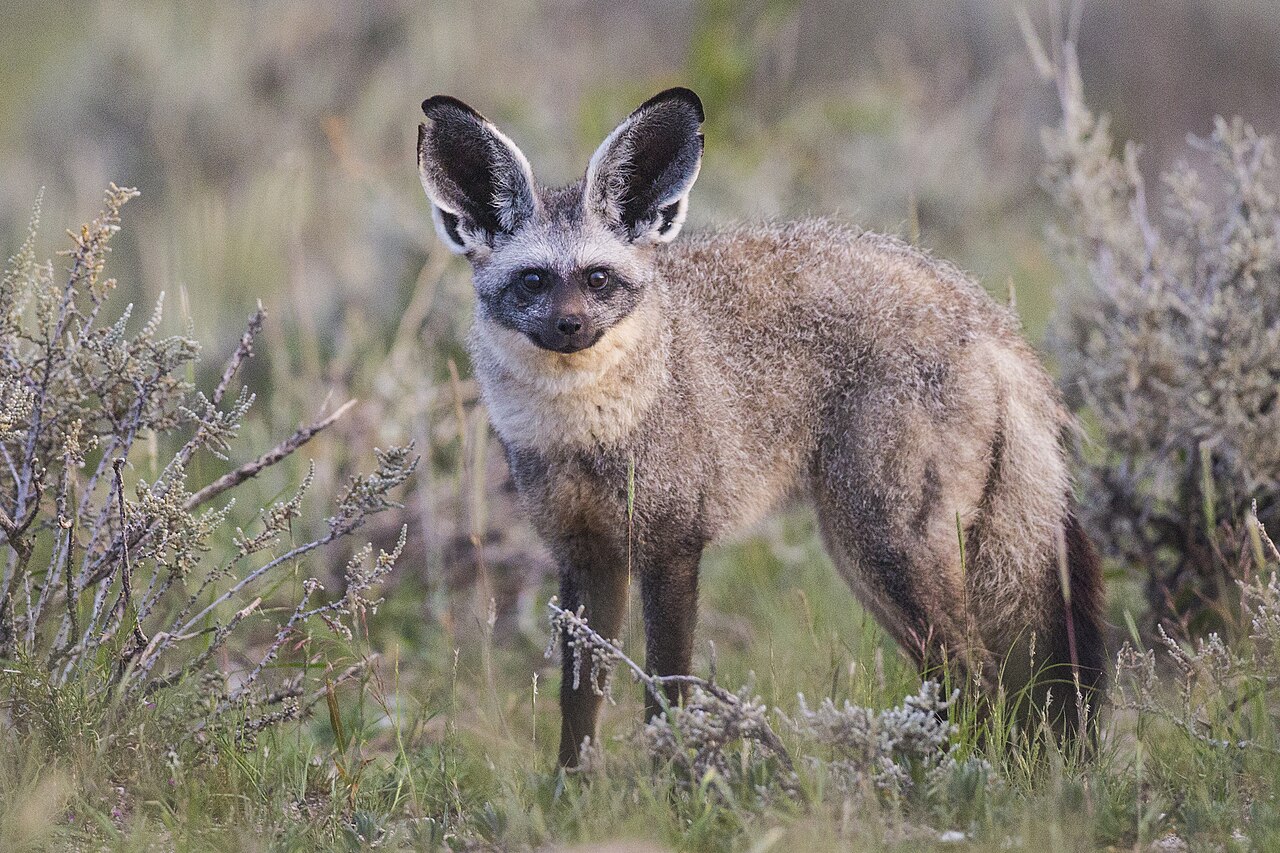 Bat-Eared Fox
 Bay Duiker
 Beisa Oryx