Golden Wildebeest Hunting
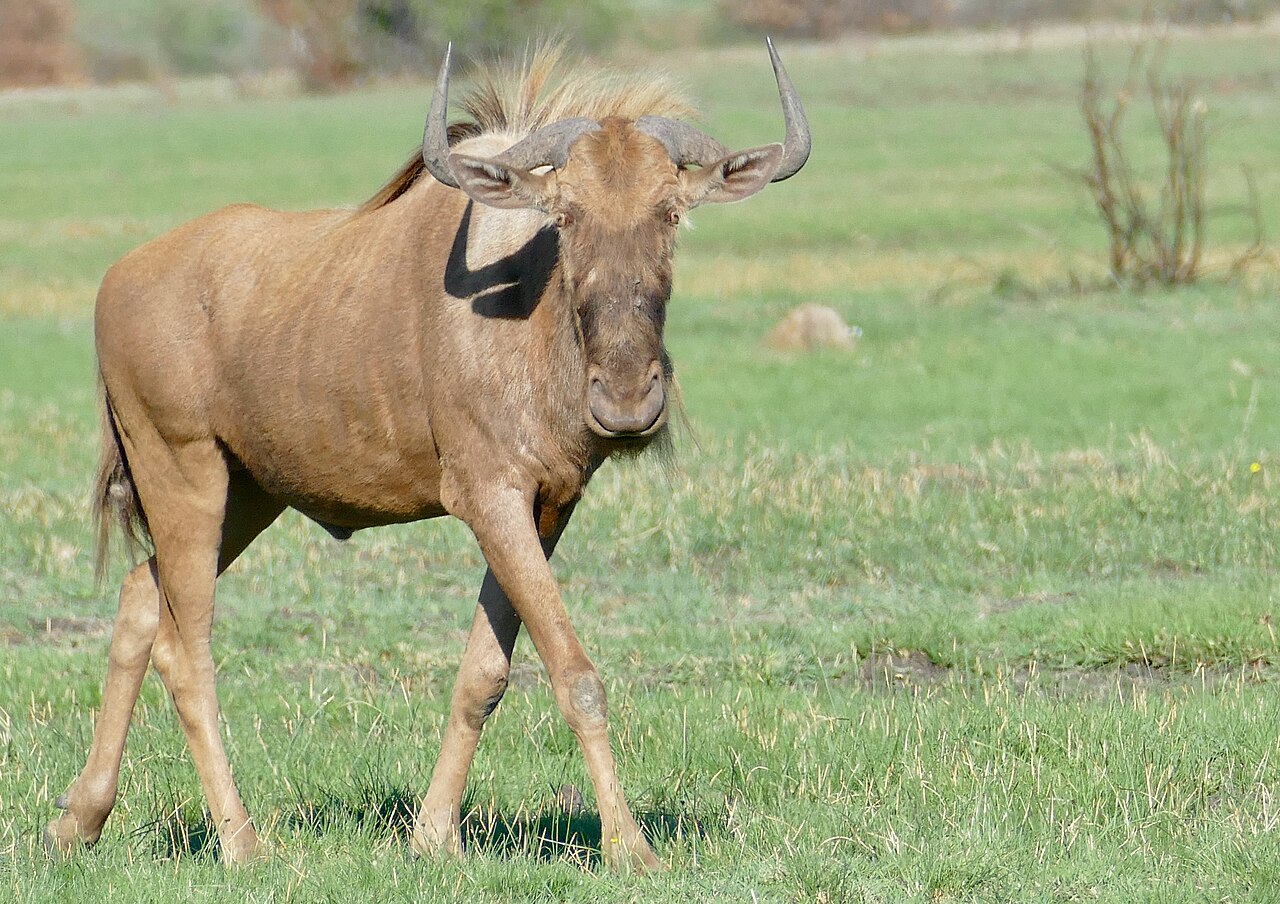
Connochaetes taurinus
The Golden Wildebeest is a striking color variant of the Blue Wildebeest, Connochaetes taurinus, renowned among hunters for its golden-blonde coat that glows in the sunlight. Physically similar to the common blue wildebeest, it features a large, boxy head, a prominent shoulder hump, and a sloping back. Both males and females grow curved horns, with those of males being thicker and more impressive, often spanning 70 to 80 centimeters. Adults typically stand 1. 4 to 1. 5 meters at the shoulder. Males weigh 200 to 270 kilograms, while females range from 180 to 230 kilograms. These animals inhabit open grasslands, floodplains, and savanna areas across southern Africa. The golden coloration originated as a natural mutation but is now primarily found on game farms and hunting concessions in South Africa, with some in Namibia and Botswana. Golden wildebeest live in herds of varying sizes, displaying social behavior and a tendency to graze on short grasses. They are alert, with excellent senses, and can run at speeds exceeding 70 kilometers per hour. During the rut, males become territorial and aggressive. For hunters, the Golden Wildebeest represents a unique and challenging trophy due to its rarity and beautiful coloration. Stalking these wary animals in open country tests a hunter's skills in concealment and marksmanship. The horns and distinctive hide make for exceptional mounts. Conservation-wise, the Blue Wildebeest is classified as Least Concern, and sustainable hunting of golden variants on private lands helps fund conservation initiatives and maintain healthy populations.
Hunt facts
- Countries
- South Africa
- Hunt regions
-
South Africa: Eastern Cape Free State Gauteng Limpopo Mpumalanga North West Northern Cape
- Habitat
- Grassland Mixed savanna
- Best time to hunt
- May–October (SA ranch colour morph — not wild range)
- Mass
- 180–250 kg (397–551 lb)
- Trophy minimum
-
- SCI (inches): 70
- SCI bow: 54
- Rowland Ward (inches): 28 4/8
SA ranch colour morph of Blue Wildebeest — not wild range
Typical record-book minimums; confirm the current edition with your professional hunter.
Where to Find Golden Wildebeest
Golden wildebeest, a unique golden-hued variant of the common blue wildebeest, are mainly found on private hunting ranches in South Africa. Their primary habitats include open savannas, grasslands, and mixed bushveld regions. The best countries for hunting this species are South Africa, particularly in Limpopo, Eastern Cape, and Free State provinces, along with some ranches in Namibia. Seasonal considerations favor the dry winter period from May to September, when water is scarce and herds are easier to locate. The environment features vast open plains with scattered acacia trees and rolling terrain that provides good stalking opportunities. To find them in the wild, use binoculars to scan large open areas during early mornings and late afternoons. Look for their distinctive golden color among mixed herds of other antelope near waterholes or grazing in the grasslands.
Why Hunt Golden Wildebeest
The Golden Wildebeest draws hunters with its rare golden coat and classic sweeping horns, creating a striking, photogenic trophy that stands apart from typical blue wildebeest. These alert herd animals demand skilled stalking across open plains, with wind, cover, and shot placement turning each encounter into a tense, heart-pounding pursuit that rewards patience and fieldcraft.
Lean, flavorful meat yields excellent biltong, steaks, and stews, adding table value to the hunt. The experience connects to longstanding African safari traditions of ethical plains-game hunting. Regulated hunts generate revenue for habitat, anti-poaching, and local communities, supporting conservation of the species and its rangelands. Few hunts combine such distinctive color, genuine challenge, and authentic African adventure in one unforgettable outing.
Golden Wildebeest Hunting Tips
Golden wildebeest hunting rewards careful stalking across open African grasslands. Approach from downwind using ridges, bushes or termite mounds to close to 100-200 yards, as these herd animals have sharp eyes and a strong sense of smell. Still-hunting near water during dry periods also produces results.
A bolt-action rifle in . 308 Winchester, . 30-06 Springfield or 7mm Remington Magnum with 150-180 grain bullets delivers the needed energy and penetration on animals weighing around 500 pounds. Pair it with a reliable scope and practice from field positions.
Aim for the heart-lung area just behind the shoulder on a broadside or quartering-away animal. Avoid head or neck shots except at very close range.
Follow distinctive cloven tracks and dung while watching for sentinels in the herd. Glass from a distance, then move slowly and pause often.
Dawn and dusk in the dry winter months of May through August offer the best activity around water sources.
Do not take overly long shots, ignore wind, or rush toward a fallen animal. A wounded wildebeest can charge, so wait and confirm it is down.
Always hunt with a licensed professional hunter, treat firearms as loaded, and know your backstop. Ethical hunting and proper permits keep this pursuit sustainable.
Featured Outfitters for Golden Wildebeest
View all


Hunt packages with Golden Wildebeest
Curated hunt ideas — no price on the page. Enquire and we'll match outfitters after review.
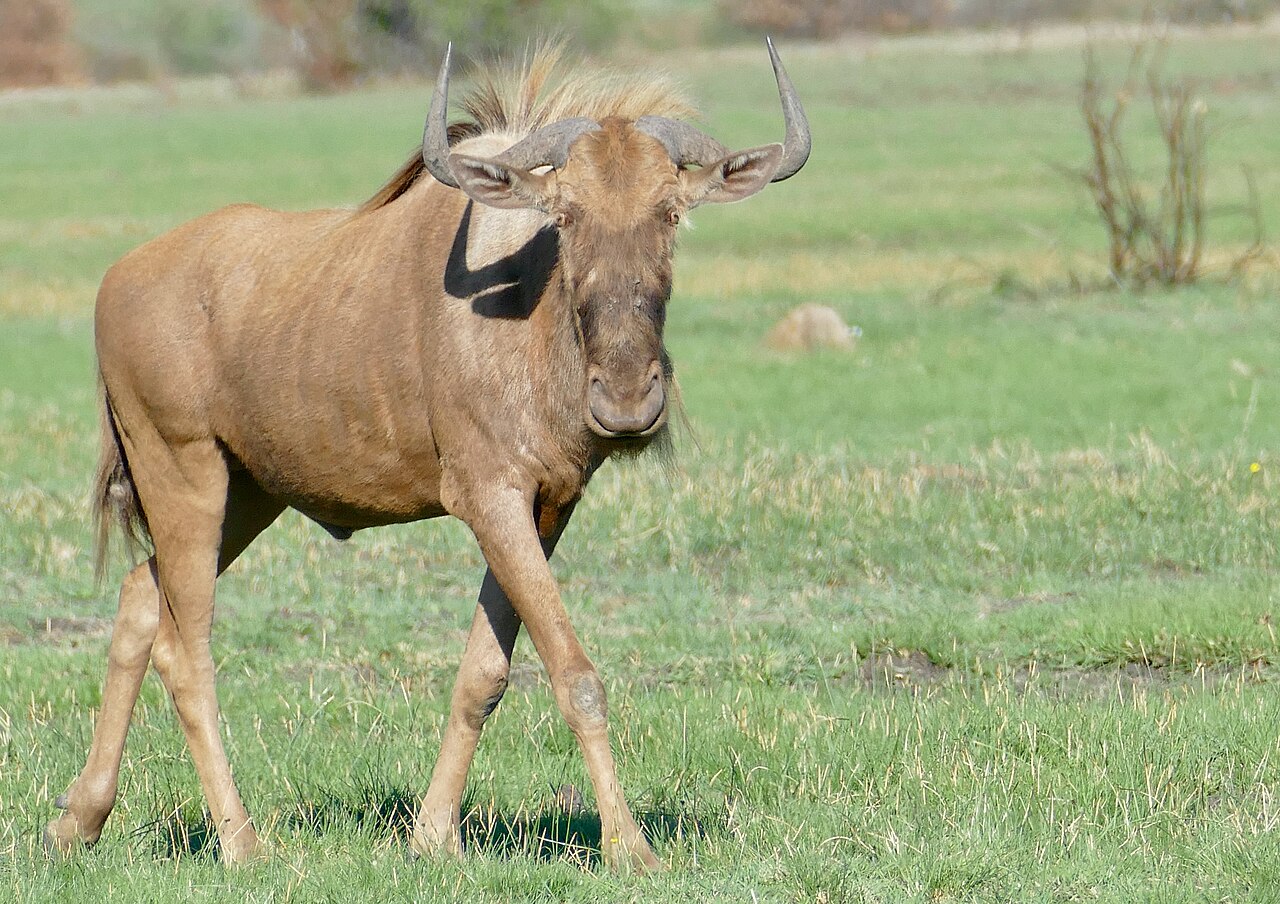
Golden & King Wildebeest — 7 Days
7 days · South Africa
7-day golden & king wildebeest — golden wildebeest, king wildebeest, impala in Limpopo colour-variant ranch.
$9,000 – $10,500
Plan Your Golden Wildebeest Hunt
Submit a free enquiry and we'll match you with outfitters who hunt Golden Wildebeest in your region.
Sign Up to Enquire Aardwolf
 Abyssinian Bushbuck
 Baboon
 Bat-Eared Fox
 Bay Duiker
 Beisa Oryx