Grant's Gazelle Hunting
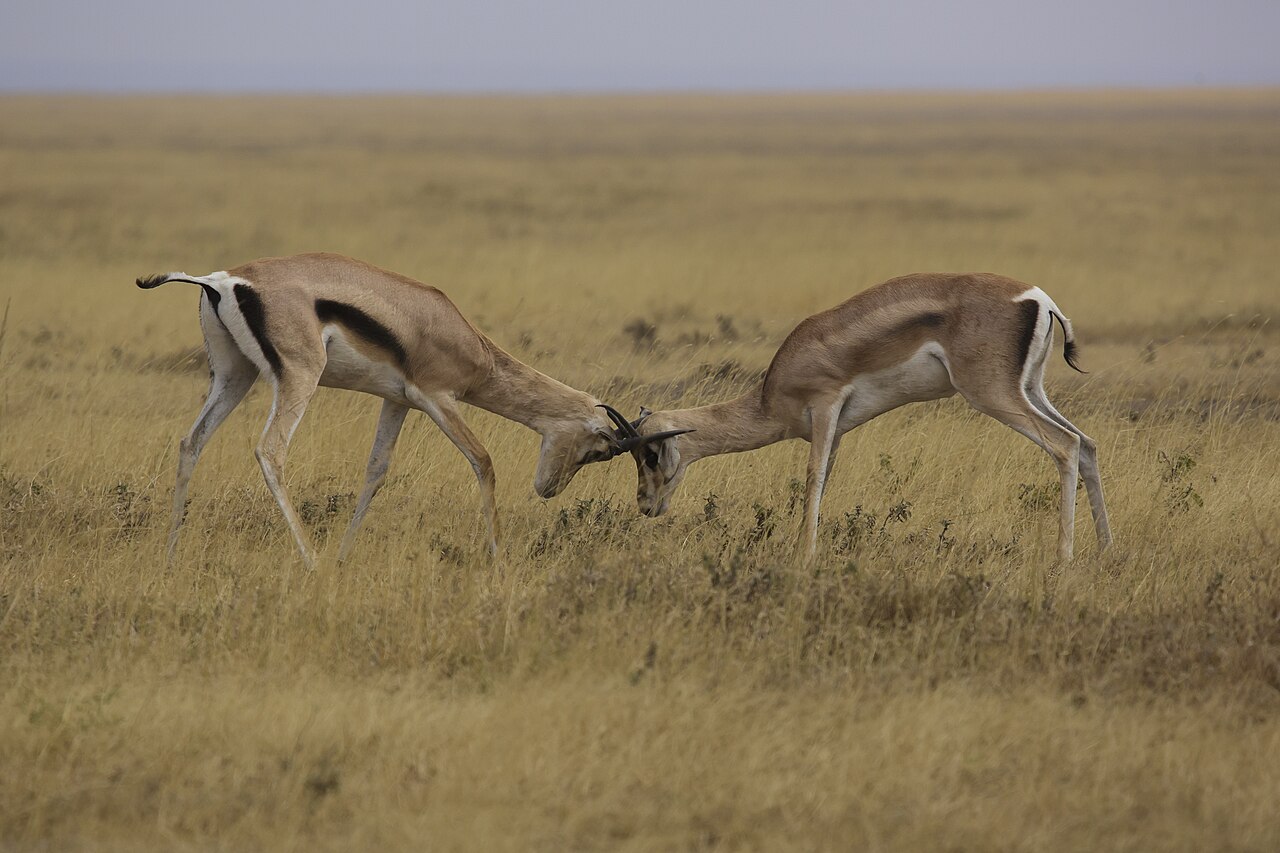
Nanger granti
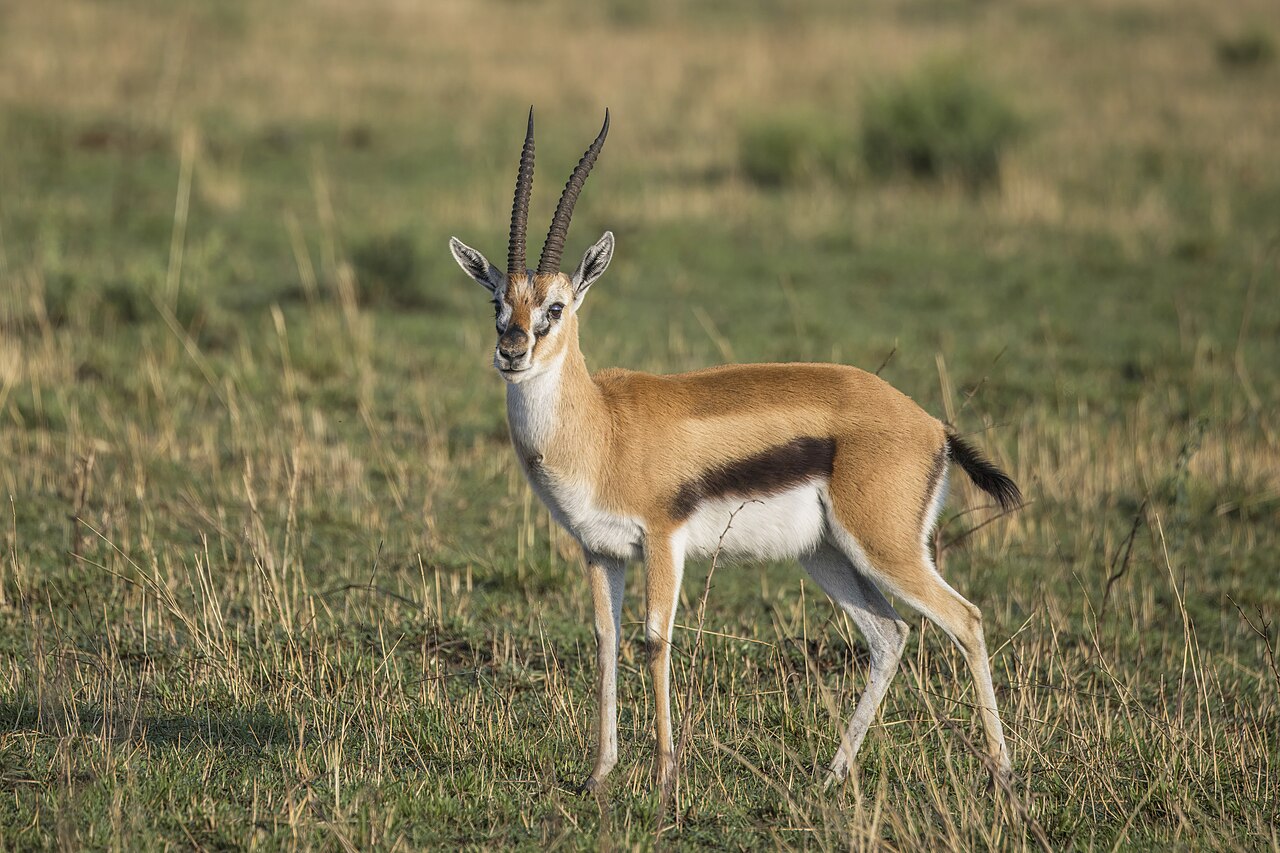
Grant's gazelle, known scientifically as Nanger granti, is a large and elegant East African antelope prized by hunters for its impressive horns and graceful presence across open plains. Adults stand 75 to 95 centimeters at the shoulder. Males typically weigh 50 to 80 kilograms while females range from 35 to 50 kilograms. The coat is pale fawn to reddish-brown with a white belly, a large white rump patch often edged by a faint dark line, and a distinctive dark facial stripe. Both sexes carry horns, but those of mature males are the main attraction, growing 50 to 80 centimeters long in a lyrate, backward-then-forward curve with heavy rings. These gazelles inhabit open grasslands, acacia savannas, and semi-arid regions where they graze grasses and browse shrubs. They are exceptionally well adapted to dry country and can go long periods without drinking by drawing moisture from vegetation. Herds of 10 to 50 animals are common, sometimes mixing with other plains game. Territorial rams hold breeding areas and use displays or fights to defend them. Fast and alert, they can reach speeds over 80 kilometers per hour, making them a demanding quarry in wide-open terrain. The species ranges across Kenya, Tanzania, Ethiopia, Uganda, and South Sudan, including classic hunting areas such as the Serengeti ecosystem. Hunters value the long, sweeping horns of older males as a classic plains-game trophy that rewards careful stalking and accurate shooting at moderate to longer ranges. Their keen eyesight and preference for open country add to the challenge. Grant's gazelle is listed as Least Concern by the IUCN with generally stable numbers, though habitat conversion and livestock competition affect some local populations. Well-regulated hunting in permitted areas supports conservation through habitat protection and anti-poaching funding.
Hunt facts
- Countries
- Tanzania
- Hunt regions
-
Tanzania: Arusha Manyara Simiyu
- Habitat
- Grassland Mixed savanna Semi-arid
- Best time to hunt
- July–December (Tanzania hunting season)
- Mass
- 50–80 kg (110–176 lb)
Where to Find Grant's Gazelle
Grant's gazelles thrive in the open savannas, grasslands, and semi-arid regions of East Africa. Their primary habitats include the Serengeti ecosystem in Tanzania, parts of Kenya's northern rangelands, and similar landscapes in Ethiopia and Uganda. They prefer short-grass plains with scattered acacia trees and avoid dense forests or wetlands. Tanzania provides the best opportunities for hunting Grant's gazelle, as licensed hunting is allowed in designated concessions. Other countries like Kenya have longstanding hunting bans. The optimal hunting season is the dry period from June to October, when animals congregate around water and the sparse vegetation aids in spotting. The environment features expansive open plains, rocky outcrops, and dry riverbeds, offering good visibility but requiring long-range shots. To locate Grant's gazelles, glass open areas at dawn and dusk using quality binoculars. Search near water sources during the dry season and look for mixed herds. Their distinctive horns and pale coloration help identify them against the landscape. Understanding their preference for grazing in open, predator-visible areas is key to successful hunts.
Why Hunt Grant's Gazelle
Grant's Gazelle is a favorite for hunters due to its striking horns. The horns are long and lyre-shaped. They make an excellent trophy. This gazelle lives on the savannas of East Africa. Hunting it is challenging and fun. The animals are fast and always alert. They can see you from a distance. You need to stalk carefully in the open plains. A good shot at range is often required. The experience is thrilling. People hunt Grant's Gazelle for sound reasons. Hunting licenses fund conservation efforts. This money protects habitats and fights poaching. It also supplies meat and income to local people. Sustainable hunting helps keep populations balanced.
Grant's Gazelle Hunting Tips
Hunting Grant's gazelle takes place across East African plains where their keen eyesight and open habitat make stalking the most effective method. Glass from a rise or vehicle with quality binoculars, then close the distance on foot using termite mounds, drainage lines, or low vegetation while staying strictly downwind. Move only when the animals feed or look away.
A scoped bolt-action rifle in . 270 Winchester, . 308 Winchester, or 7mm Remington Magnum with 130- to 150-grain controlled-expansion bullets delivers the flat trajectory needed for typical 150- to 300-yard shots. Aim for the heart-lung area just behind the shoulder on a broadside animal; a slightly quartering-away angle also works well. Avoid head or neck shots except at very close range.
Early morning and late afternoon offer the best activity as gazelles feed. Dry-season hunts improve visibility and concentrate animals near remaining water and forage. Track by watching the pale rump patch and distinctive lyre-shaped horns against the grass.
Common errors include moving too fast, ignoring wind, shooting at running animals, and misjudging distance in featureless country. Always hunt under a licensed professional hunter, stay hydrated, remain alert for other dangerous game, and confirm your target and background before firing.
Featured Outfitters for Grant's Gazelle
View all


Hunt packages with Grant's Gazelle
Curated hunt ideas — no price on the page. Enquire and we'll match outfitters after review.
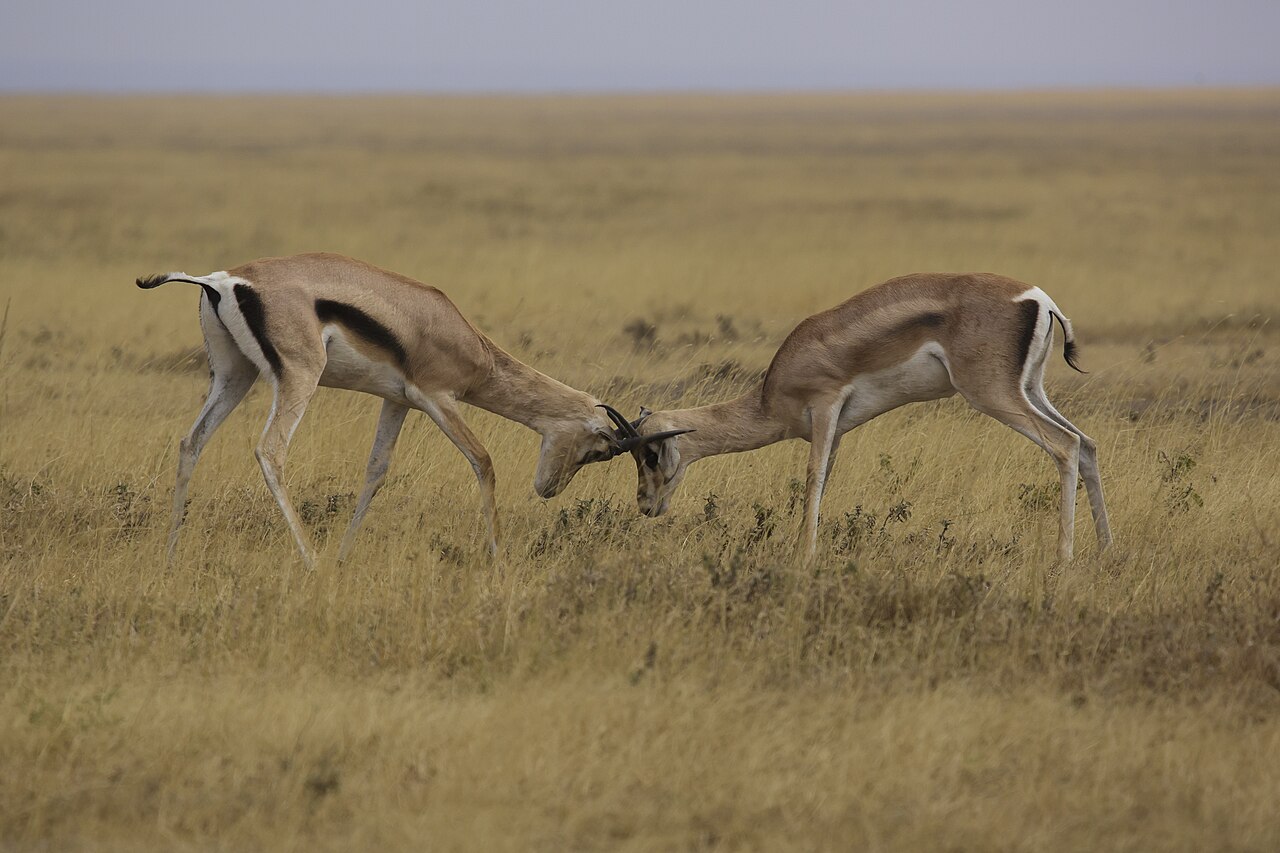
Masailand Plains — 10 Days
10 days · Tanzania
Ten days Maasai Steppe plains — gazelles, impala, wildebeest and zebra.
$22,500 – $24,800
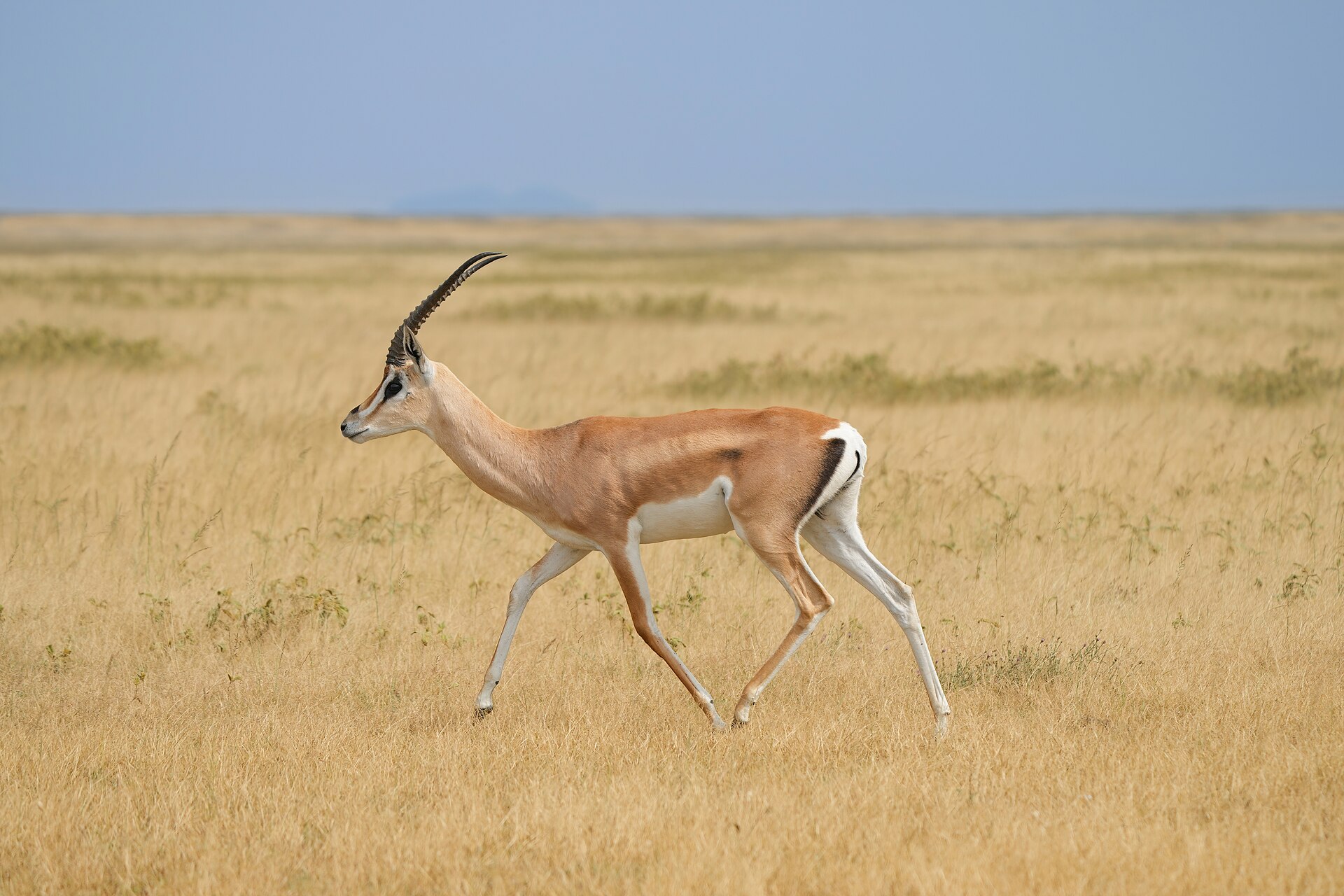
Arusha Masailand Plains — 10 Days
10 days · Tanzania
10-day arusha masailand plains — grant's gazelle, thomson's gazelle, impala in Arusha Maasai Steppe.
$14,500 – $16,500
Simiyu Plains Short — 7 Days
7 days · Tanzania
7-day simiyu plains short — thomson's gazelle, grant's gazelle, impala in Simiyu open grassland.
$10,500 – $12,000
Plan Your Grant's Gazelle Hunt
Submit a free enquiry and we'll match you with outfitters who hunt Grant's Gazelle in your region.
Sign Up to Enquire Aardwolf
 Abyssinian Bushbuck
 Baboon
 Bat-Eared Fox
 Bay Duiker
 Beisa Oryx