Kafue Lechwe Hunting
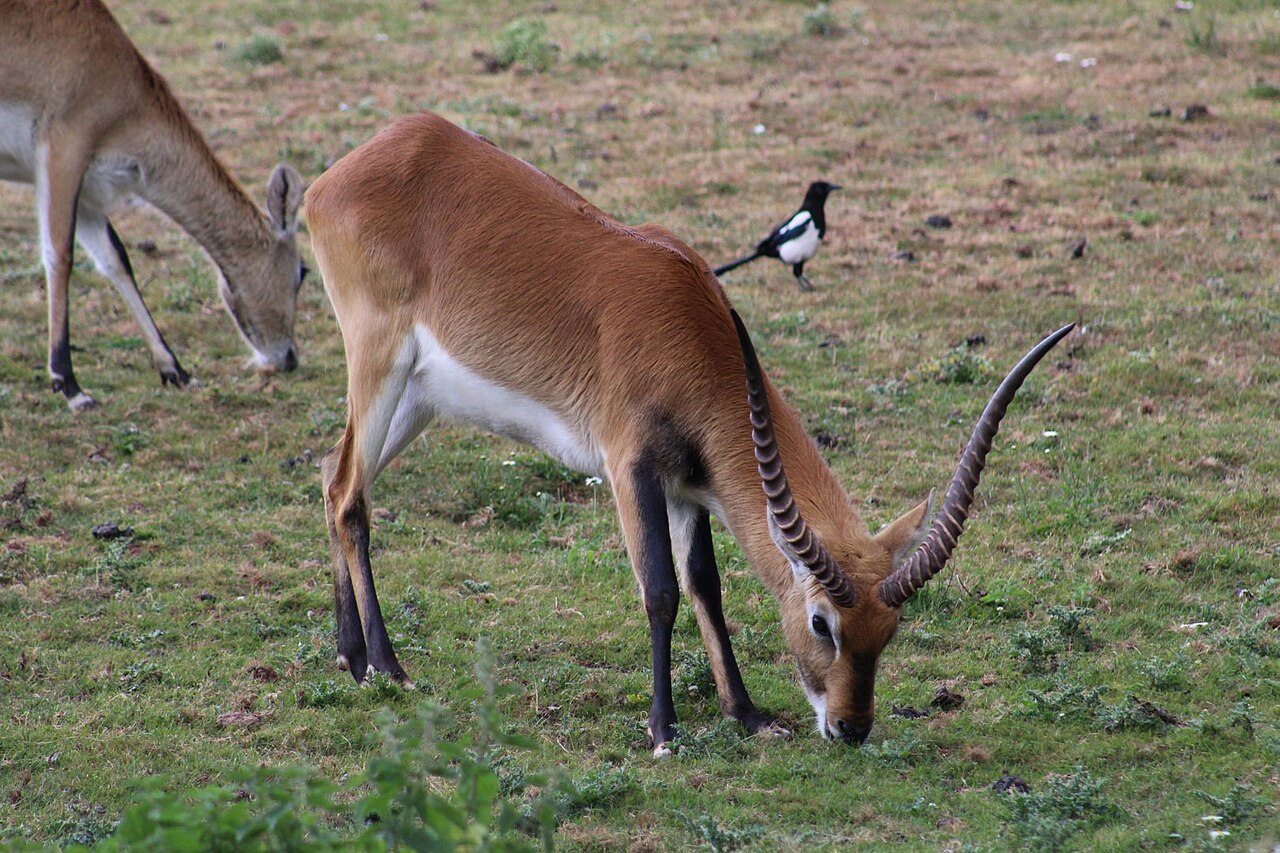
Kobus leche kafuensis
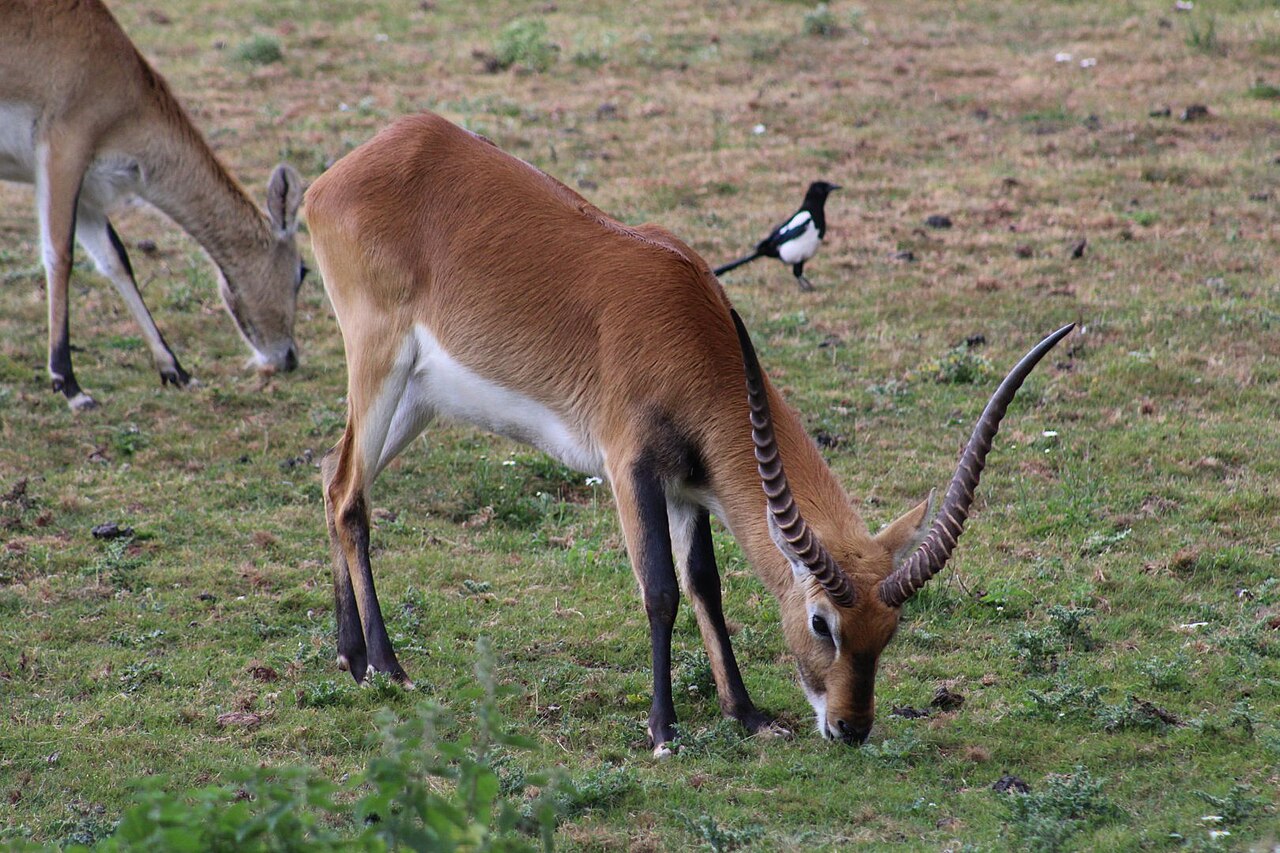
The Kafue lechwe (Kobus leche kafuensis) is an endemic antelope of Zambia's Kafue Flats, renowned among hunters for its striking appearance and challenging wetland habitat. Males stand 90-110 cm at the shoulder, weighing 80-120 kg with a rich reddish-brown coat that darkens with age, white undersides, and bold facial markings. Females are smaller at 50-75 kg with paler coloring. The males' lyre-shaped, heavily ridged horns curve backward before hooking forward, typically 60-90 cm long, forming a prized trophy. Restricted to about 6,500 square kilometers of floodplains and swamps along the Kafue River, these lechwe form large herds of hundreds to thousands. They graze in shallow water on grasses and sedges, swimming effortlessly and bounding through marshes with a distinctive gait. Social and often vocal, males become territorial during the annual rut. Hunters seek Kafue lechwe for the unique pursuit in flooded terrain, where stalking through water and reeds tests endurance and shooting skills. Their speed and use of water for cover make for exciting hunts. The population is Vulnerable due to habitat loss from dams and farming plus poaching, but sustainable hunting programs in Zambia support conservation by generating revenue for habitat protection and anti-poaching efforts.
Hunt facts
- Countries
- Zambia
- Hunt regions
-
Zambia: Central Southern
- Habitat
- Wetland Riverine
- Best time to hunt
- June–October (Low water)
- Mass
- 80–130 kg (176–287 lb)
- Trophy minimum
-
- SCI (inches): 58
- SCI bow: 52
- Rowland Ward (inches): 26
- Rowland Ward record: 35
Typical record-book minimums; confirm the current edition with your professional hunter.
Where to Find Kafue Lechwe
The Kafue lechwe inhabits the floodplains and wetlands of Zambia's Kafue Flats, the only region where this subspecies occurs. Hunters find them in Game Management Areas and concessions bordering the Kafue River system, where regulated safari hunting takes place. Zambia remains the sole country offering legal hunts for this animal. Dry-season months from May through October concentrate herds around shrinking lagoons and remaining water, improving visibility and access. Terrain consists of open grassy plains, shallow inundated meadows, reed beds, and muddy channels that often require walking, wading, or boat travel. Scan early-morning and late-afternoon floodplains for mixed herds standing in water up to their bellies; males display distinctive lyre-shaped horns. Local professional hunters know the seasonal movement patterns and prime viewing spots along the flats.
Why Hunt Kafue Lechwe
The Kafue Lechwe draws hunters with its striking trophy qualities, including long lyre-shaped horns on mature rams and a distinctive chestnut coat with white underparts that make for a memorable African prize. The hunt offers real challenge and excitement in Zambia's Kafue Flats wetlands, where stalking through marshes and shallow water tests skill and endurance amid vast herds.
Meat from this species is tender, lean, and flavorful, ideal for camp meals or traditional dishes. It holds cultural value in Zambian communities, while regulated hunting generates funds that support habitat protection, anti-poaching, and sustainable populations. The experience stands apart for its unique flooded landscape, close wildlife encounters, and the adventure of pursuing this specialized swamp antelope.
Kafue Lechwe Hunting Tips
Hunting the Kafue lechwe, a specialized antelope of Zambia's Kafue Flats, demands wetland-specific strategies. Spot and stalk through floodplains using natural cover like papyrus and grass, always approaching from downwind to counter their sharp hearing and smell. Equip yourself with a . 30-06 or . 300 Win Mag rifle firing 165-grain bullets, quality 3-9x scope, and waders or waterproof boots. A rangefinder helps in open flats.
For shot placement, target the vital zone behind the front leg, one third up from the belly. Wait for a broadside presentation even if the animal is in shallow water. Track by identifying the distinctive splayed hooves in mud and watching for grazing paths. Hunt at first light and last light, focusing on the dry season from May to October when lechwe herd up near receding waters.
Common mistakes include making noise in water, ignoring thermals, and taking hurried shots. Stay safe by remaining vigilant for crocodiles, using insect repellent, hydrating well, and hunting exclusively with experienced professional hunters in regulated concessions.
Featured Outfitters for Kafue Lechwe
View all
Hunt packages with Kafue Lechwe
Curated hunt ideas — no price on the page. Enquire and we'll match outfitters after review.
Southern Kafue Lechwe — 8 Days
8 days · Zambia
8-day southern kafue lechwe — kafue lechwe, impala, warthog in Southern Kafue flats.
$12,000 – $14,000
Plan Your Kafue Lechwe Hunt
Submit a free enquiry and we'll match you with outfitters who hunt Kafue Lechwe in your region.
Sign Up to Enquire Aardwolf
 Abyssinian Bushbuck
 Baboon
 Bat-Eared Fox
 Bay Duiker
 Beisa Oryx