King Wildebeest Hunting
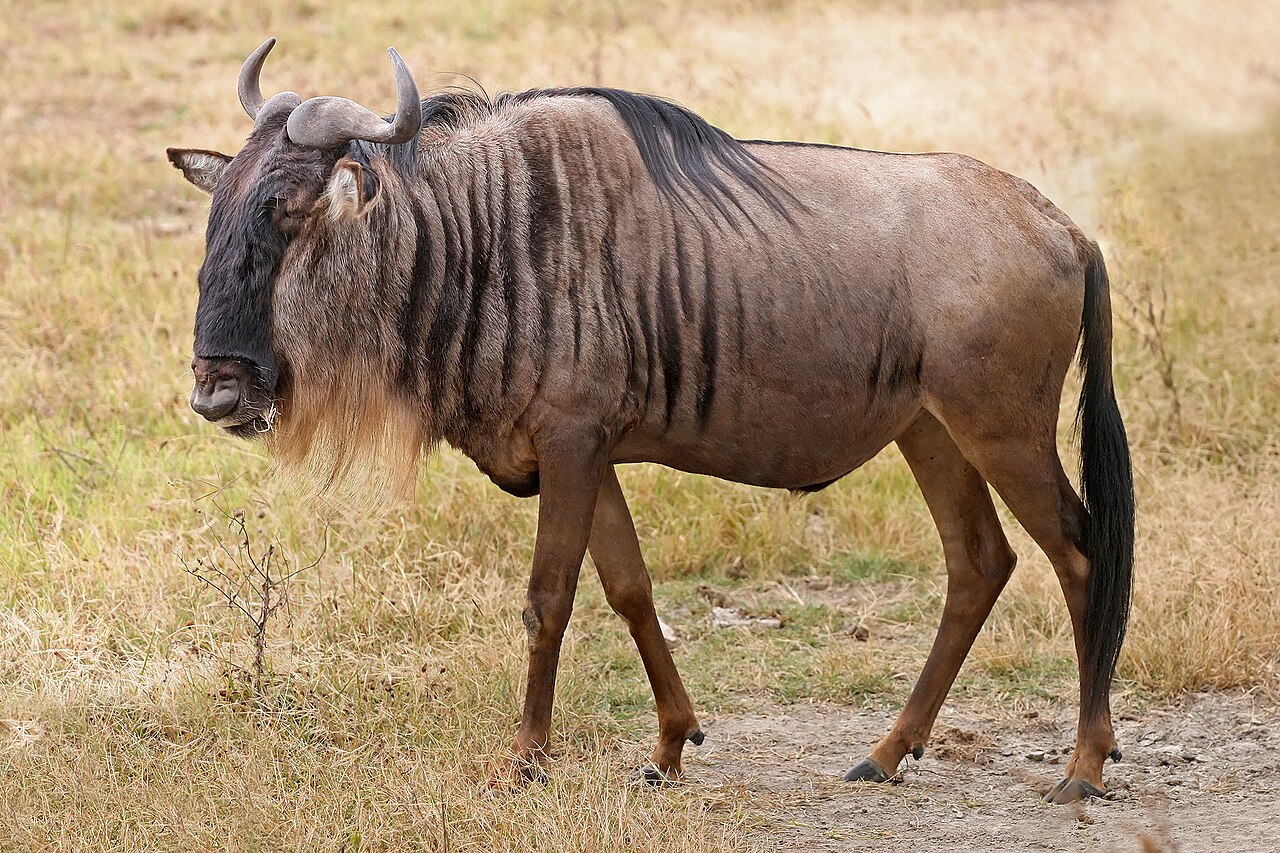
Connochaetes taurinus
The King Wildebeest, known scientifically as Connochaetes taurinus, is a magnificent African antelope that captivates hunters with its unique appearance and challenging hunt. These animals display a dark bluish-gray coat, a striking black mane, and a beard that gives them a distinctive look. Adult bulls stand approximately 1. 4 meters at the shoulder and weigh between 250 and 290 kilograms. Their horns, which both males and females possess, are particularly impressive in mature males, curving backward and inward to form a U-shape measuring up to 80 centimeters, often with a well-developed boss that hunters prize for trophies. King Wildebeest inhabit the open grasslands, savannas, and light woodlands of southern Africa, where they live in large, social herds. They are primarily grazers that feed on short grasses and are most active during the cooler hours of the day. Known for their restless and sometimes unpredictable behavior, they frequently snort, kick, and run in sudden bursts, making them an exciting quarry. These herds can be migratory in some regions but tend to be more sedentary on hunting properties. Their natural range includes South Africa, Namibia, Botswana, Zimbabwe, and Mozambique, with thriving populations on game ranches that support sustainable hunting. Hunters find the King Wildebeest notable for requiring skillful stalking in open country due to their keen senses and herd dynamics. Trophy quality is assessed by horn length, thickness, and overall symmetry. Listed as Least Concern on the IUCN Red List, wildebeest numbers remain healthy thanks to conservation efforts funded in part by regulated hunting, which also provides economic benefits to local communities.
Hunt facts
- Countries
- South Africa
- Hunt regions
-
South Africa: Eastern Cape Free State Gauteng Limpopo Mpumalanga North West Northern Cape
- Habitat
- Grassland Mixed savanna
- Best time to hunt
- May–October (SA ranch colour morph — not wild range)
- Mass
- 180–250 kg (397–551 lb)
- Trophy minimum
-
- SCI (inches): 70
- SCI bow: 54
- Rowland Ward (inches): 28 4/8
SA ranch colour morph of Blue Wildebeest — not wild range
Typical record-book minimums; confirm the current edition with your professional hunter.
Where to Find King Wildebeest
King wildebeest inhabit the open savannas and grasslands of southern Africa, favoring short-grass plains with reliable water access for grazing in large herds. Top hunting destinations include South Africa, Namibia, and Botswana, especially private concessions in the Kalahari, Northern Cape, and Free State regions where ethical, regulated hunts occur.
The dry winter season from May to August offers the best conditions, as limited water concentrates animals and improves visibility for tracking. Terrain features vast sandy plains, scattered acacia, rocky kopjes, and riverine thickets that require stamina for stalks across open ground.
Locate them by scanning for dust plumes from moving herds, checking waterholes at dawn and dusk, and glassing dark forms against the horizon with binoculars. Follow tracks and dung near zebra mixed groups. Hunt only with licensed outfitters who know local populations and laws to ensure sustainable, legal pursuit.
Why Hunt King Wildebeest
Hunters pursue the King Wildebeest for its commanding trophy qualities, from sweeping curved horns and a shaggy beard to a powerful, muscular frame that makes an outstanding addition to any collection. The hunt itself delivers real challenge and excitement, as these alert animals live in open country and large herds, demanding careful stalking, patience, and precise shooting while offering the thrill of sudden charges and fast movement across the plains. The meat is lean, flavorful, and well regarded for cooking, with a distinctive game taste that works well in steaks, roasts, and traditional recipes. In many African cultures the wildebeest has long held practical and symbolic importance as a source of food and a living emblem of the savanna. Regulated hunting generates fees that support habitat protection, anti-poaching work, and local communities, helping keep populations healthy. Few species offer the same mix of iconic African scenery, herd drama, and the satisfaction of a hard-earned, sustainable trophy.
King Wildebeest Hunting Tips
The king wildebeest is best hunted using spot and stalk techniques in its grassland habitat. Glass for herds from elevated positions then stalk in from downwind using natural cover to close the distance. Early morning and late afternoon during the dry season provide optimal conditions as animals are active and visible near water. A rifle in . 30-06 or similar caliber with 180 grain bullets and a quality scope is recommended. Shot placement is critical; aim for the heart lung region just behind the shoulder to drop the animal quickly and humanely. When tracking, follow fresh tracks and observe the herd's behavior from afar. Stalk patiently, moving only when the animals are feeding or looking away, taking advantage of their vision limitations in certain lights. Avoid common mistakes like shooting at running wildebeest or failing to check wind direction which can ruin the stalk. For safety, always hunt with experienced guides, be mindful of dangerous game in the area, wear blaze if required, and never take a shot without a clear view of the target and beyond.
Featured Outfitters for King Wildebeest
View all


Hunt packages with King Wildebeest
Curated hunt ideas — no price on the page. Enquire and we'll match outfitters after review.
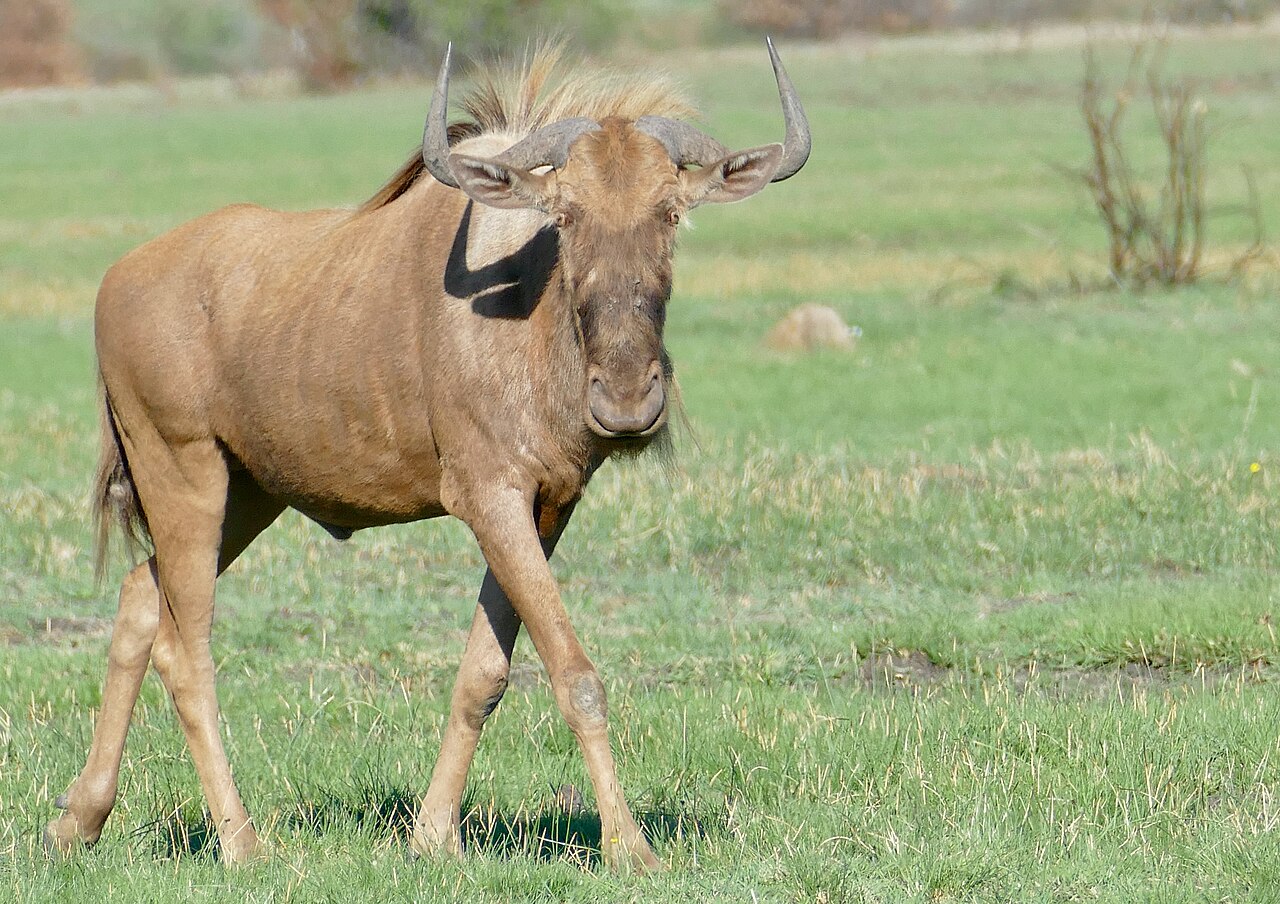
Golden & King Wildebeest — 7 Days
7 days · South Africa
7-day golden & king wildebeest — golden wildebeest, king wildebeest, impala in Limpopo colour-variant ranch.
$9,000 – $10,500
Plan Your King Wildebeest Hunt
Submit a free enquiry and we'll match you with outfitters who hunt King Wildebeest in your region.
Sign Up to Enquire Aardwolf
 Abyssinian Bushbuck
 Baboon
 Bat-Eared Fox
 Bay Duiker
 Beisa Oryx