Korrigum Hunting
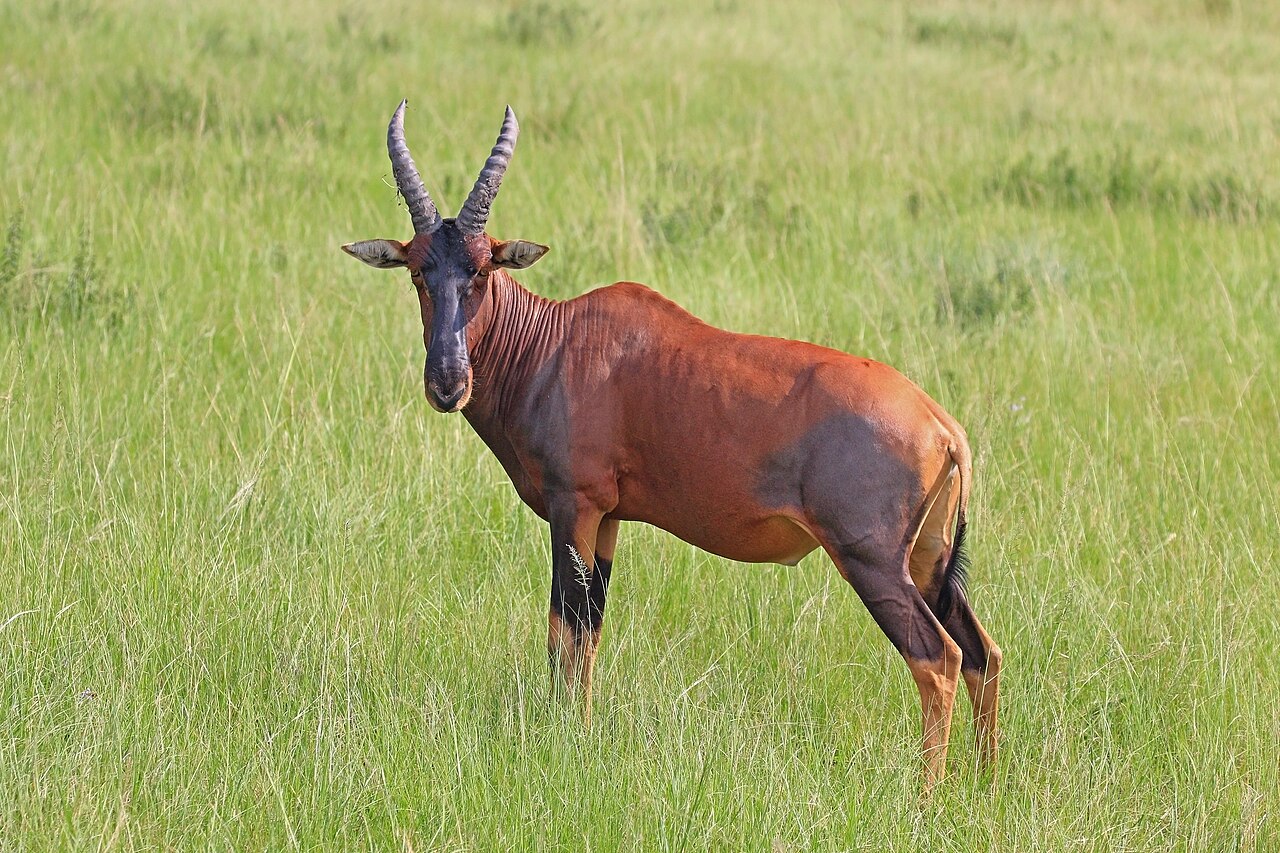
Damaliscus lunatus korrigum
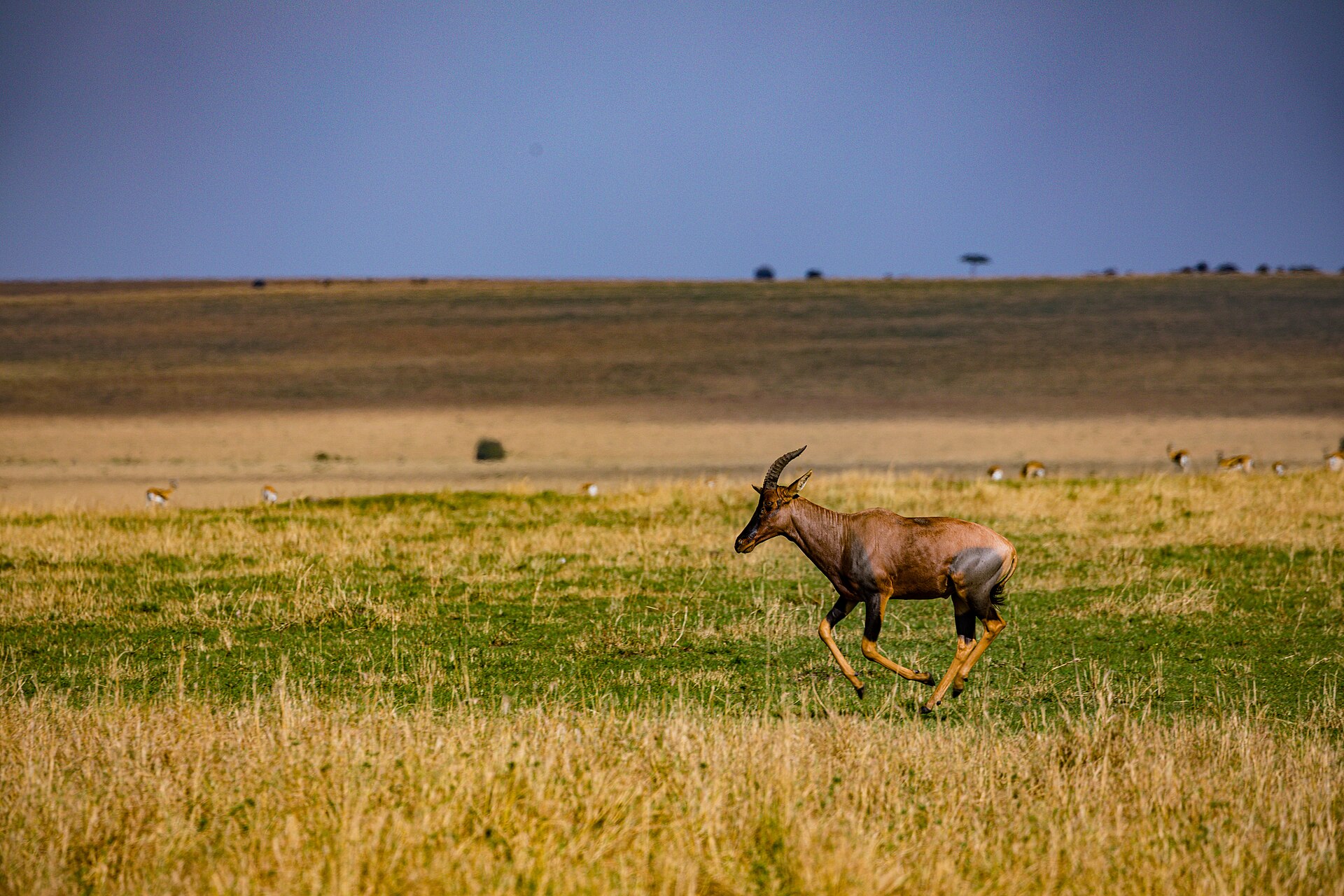
The Korrigum, scientifically Damaliscus lunatus korrigum, is a striking West African antelope that draws hunters seeking a distinctive plains game trophy. Adult males stand 40 to 50 inches at the shoulder and weigh 220 to 330 pounds, with females somewhat lighter. The coat is a rich reddish-brown highlighted by a dark facial mask, blackish patches on the shoulders and upper legs, and strongly ridged lyre-shaped horns that typically measure 18 to 24 inches. Korrigum favor open grasslands, floodplains, and moist savannas where they graze short grasses in large, mixed herds that can number in the hundreds. Territorial males defend breeding grounds with energetic displays. These antelope are exceptionally fast and alert, often exceeding 40 miles per hour, which makes them a demanding quarry in wide-open country. Once ranging from Senegal across Mali, Burkina Faso, and into Nigeria, the species now survives mainly in remnant populations of the W-Arly-Pendjari landscape in Burkina Faso, Benin, and Niger. Habitat loss and unregulated hunting have reduced numbers, and the subspecies is considered endangered. Hunters value the korrigum for its speed, keen senses, and unique horn shape that produces an impressive trophy. Successful stalks or well-placed shots at distance in open terrain reward patience and marksmanship. Regulated hunting under quota in remaining concessions helps fund habitat protection and anti-poaching work, giving ethical hunters a direct role in the animal’s future.
Hunt facts
- Countries
- Benin Cameroon
- Hunt regions
-
Benin: Alibori Atakora BorgouCameroon: Adamawa Far North North
- Habitat
- Grassland Mixed savanna
- Best time to hunt
- May–October (West / Central dry season)
- Mass
- 120–160 kg (265–353 lb)
Where to Find Korrigum
The korrigum prefers open grassland and floodplain habitats in the West African savanna. These antelopes occur mainly in the Sudanian and Sahelian zones of Senegal, Mali, Burkina Faso, Niger, Nigeria, Cameroon and Chad, though remaining groups are small and fragmented. Legal hunting, where it still occurs, is restricted to a few concessions in Burkina Faso, Niger and Cameroon; always confirm current regulations and permits because the subspecies is endangered. Dry-season months from November to May offer the best chance as animals concentrate around permanent water. Wet-season herds scatter into taller grass. They occupy flat to gently rolling plains with mixed grass and scattered acacia. Locate them by glassing open ground at dawn and dusk near waterholes; local trackers who know their daily movements are essential.
Why Hunt Korrigum
Hunters pursue the korrigum for its standout trophy qualities, including distinctive lyre-shaped horns that sweep backward in an elegant curve and a rich chestnut coat marked by bold black patches on the face, shoulders and legs. These features create a striking mount unlike more common African antelope. The hunt itself delivers high challenge and excitement, as these wary animals inhabit open savannas where they use keen eyesight and speeds exceeding 40 miles per hour to evade danger, demanding patient stalks, precise shooting and real skill under the African sun.
Korrigum meat is lean, tender and flavorful, comparable to quality venison and well suited to grilling, roasting or traditional stews. The species carries cultural weight in West African communities where hunting has long formed part of heritage and livelihood. Regulated hunting generates conservation benefits through license fees that fund habitat protection, anti-poaching work and local development, helping maintain healthy populations. Unique experiences include remote West African safaris that combine this pursuit with encounters of other regional wildlife and authentic cultural settings few hunters ever see.
Korrigum Hunting Tips
Korrigum hunting in West African savannas requires stealth due to their keen eyesight in open grasslands. Stalk after spotting herds with binoculars, approaching slowly downwind using any cover like grass or mounds, and pausing often. Safari hunts typically use a vehicle for initial approach then a quiet foot stalk for the shot.
A . 308 Winchester or . 30-06 Springfield rifle with 165-grain expanding bullets handles these antelope well at 100-200 yards. Pair it with a reliable variable scope and shooting sticks for steady aim. Place shots in the heart-lung area just behind the shoulder on a broadside animal for a quick, ethical kill. Avoid head shots or running targets.
Follow tracks and droppings in sandy soil if needed, noting their bounding gait when fleeing. Hunt at dawn and dusk in the dry season when they concentrate near water and are more visible. Skip midday heat.
Do not ignore wind direction, which carries scent and alerts the herd, or take rushed long-range shots. Never hunt without confirming the animal and local permits. Stay safe by positively identifying targets, watching for other wildlife such as predators, carrying first aid, and always using experienced local guides while following all regulations.
Featured Outfitters for Korrigum
View all
Hunt packages with Korrigum
Curated hunt ideas — no price on the page. Enquire and we'll match outfitters after review.
Benin Borgou Plains — 8 Days
8 days · Benin
8-day benin borgou plains — korrigum, western hartebeest, harnessed bushbuck in Borgou woodland savanna.
$14,000 – $17,500
Plan Your Korrigum Hunt
Submit a free enquiry and we'll match you with outfitters who hunt Korrigum in your region.
Sign Up to Enquire Aardwolf
 Abyssinian Bushbuck
 Baboon
 Bat-Eared Fox
 Bay Duiker
 Beisa Oryx