Lelwel Hartebeest Hunting
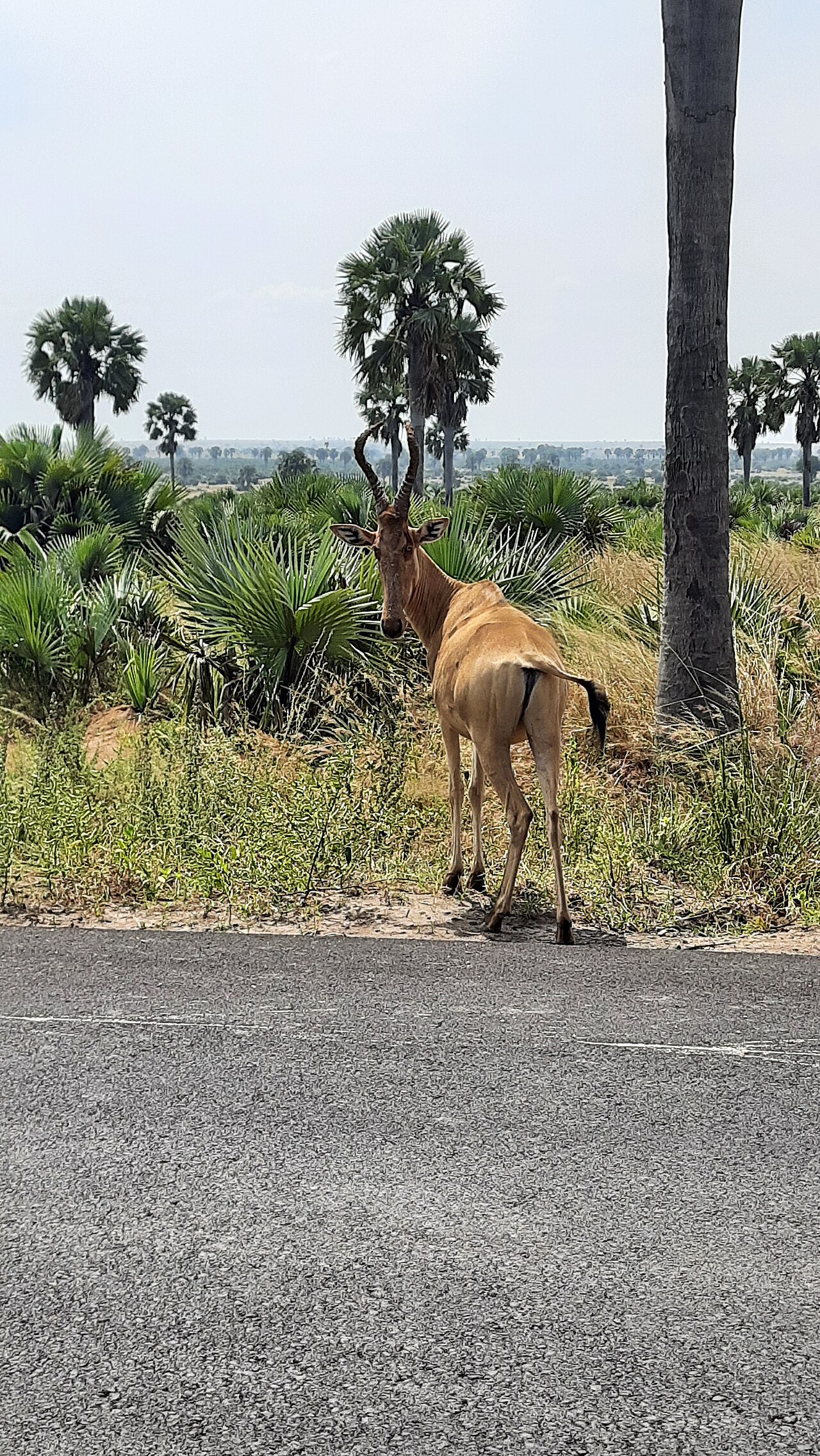
Alcelaphus buselaphus lelwel
The Lelwel Hartebeest is a distinctive African antelope known for its long, narrow face, high withers, and steeply sloping back. Adults stand 48 to 55 inches at the shoulder and weigh 250 to 450 pounds, with males larger than females. The coat is a rich reddish-tan, and both sexes grow horns. Bulls carry heavier, more impressive lyre-shaped horns that can exceed 20 inches, making them a standout trophy. These animals inhabit open savannas, acacia woodlands, and grassy plains where they graze in herds of 10 to 100. They are highly alert, using keen eyesight and often standing on termite mounds to watch for danger. Most active in cooler morning and evening hours, they can reach speeds of 50 miles per hour when fleeing, offering hunters a genuine challenge in open country. The Lelwel Hartebeest ranges across parts of the Central African Republic, Chad, South Sudan, Ethiopia, Kenya, and Uganda. Hunters prize them for the stalking required in classic plains habitat and the unique horn shape that produces an attractive mount. A well-placed shot on a mature male yields both a memorable hunt and quality venison. The subspecies is currently listed as Least Concern, though some local populations have declined from habitat loss. Licensed, quota-based hunting helps fund conservation, anti-poaching work, and benefits for local communities.
Hunt facts
- Countries
- Central African Republic Ethiopia Tanzania Uganda
- Hunt regions
-
Central African Republic: Bamingui-Bangoran Haute-Kotto VakagaEthiopia: Benishangul-GumuzTanzania: Katavi Rukwa Singida TaboraUganda: Northern
- Habitat
- Grassland Mixed savanna
- Best time to hunt
- July–December (Dry season (East / Central))
- Mass
- 120–200 kg (265–441 lb)
- Trophy minimum
-
- SCI (inches): 62
- SCI bow: 53
- Rowland Ward (inches): 23
SCI race of hartebeest; confirm current record-book category
Typical record-book minimums; confirm the current edition with your professional hunter.
Where to Find Lelwel Hartebeest
The Lelwel hartebeest inhabits open savanna grasslands, floodplains and lightly wooded areas throughout East and Central Africa with primary populations in northern Uganda, South Sudan, southwestern Ethiopia and adjacent parts of Kenya and Tanzania. Hunters seeking this species will find the best legal opportunities in designated concessions in Tanzania and select areas of Uganda subject to current quotas and permits. The dry season from June to October offers optimal conditions as animals concentrate around remaining water and the reduced vegetation improves visibility across the rolling plains dotted with acacia woodlands and seasonal watercourses. Locating them involves scanning open grasslands at dawn and dusk with binoculars to detect their distinctive high withers and sloping rumps. Herds of eight to fifteen frequent well-worn paths to water holes. Local knowledge of recent movements greatly aids in finding these wary antelope.
Why Hunt Lelwel Hartebeest
The Lelwel Hartebeest attracts dedicated hunters with its remarkable trophy horns, which form an elegant lyre shape and can measure up to 24 inches, showcasing the animal's distinctive high withers and sloping hindquarters that create a one-of-a-kind mount. Hunting this species presents a significant challenge and excitement, as they possess excellent vision and inhabit open grasslands, requiring stealthy approaches and long-range shots while they dash away at impressive speeds.
Its meat is prized for being tender and flavorful, ideal for grilling or traditional African dishes, adding a culinary dimension to the hunt. Culturally, the hartebeest features in local folklore and historical hunting practices across its range in East Africa. Regulated hunting contributes to conservation by generating funds for habitat preservation and anti-poaching efforts, supporting the species' future. This pursuit offers unique experiences like witnessing their odd, rocking gait and large herds in pristine wilderness, delivering an authentic safari thrill unlike any other.
Lelwel Hartebeest Hunting Tips
Hunting Lelwel Hartebeest in East African savannas rewards patience and precise execution. Walk-and-stalk remains the most reliable method, closing distance on foot after spotting from a vehicle or ridge while staying downwind and using termite mounds or grass for cover. They rely on exceptional eyesight, so slow, low movements during feeding periods work best.
A scoped bolt-action rifle in . 270 Winchester, . 308, or . 30-06 Springfield with 150-grain expanding bullets handles typical 150-250 yard shots effectively. Quality binoculars help glass open country.
Place shots in the heart-lung zone just behind the shoulder, roughly one-third of the way up the body, accounting for the high withers and sloping back. Wait for a broadside angle rather than attempting head or neck shots.
Follow fresh tracks and droppings in sandy soil to locate herds. Approach during early morning and late afternoon when animals are most active and less alert. Dry season months generally provide shorter grass and better visibility.
Avoid rushing shots without a rest, ignoring wind, or underestimating how far a wounded animal can run. Always confirm a clear background, stay aware of other dangerous game sharing the habitat, and hunt only with licensed professional hunters while observing all local regulations.
Featured Outfitters for Lelwel Hartebeest
View all


Hunt packages with Lelwel Hartebeest
Curated hunt ideas — no price on the page. Enquire and we'll match outfitters after review.
Karamoja Plains — 10 Days
10 days · Uganda
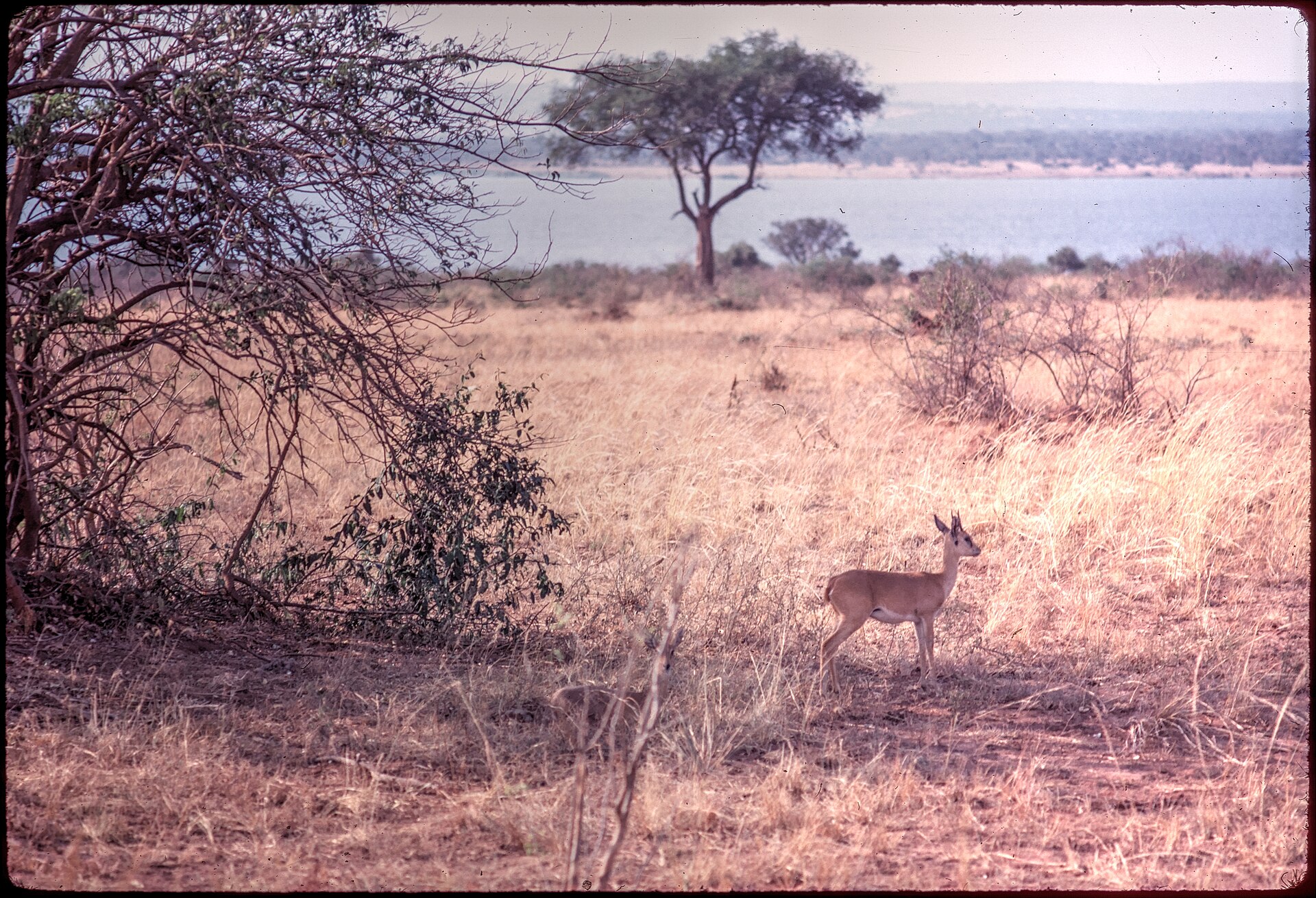
Ten days Karamoja — Grant’s gazelle, oribi, hartebeest and warthog.
$14,800 – $16,300
Ugandan Kob Classic — 7 Days
7 days · Uganda
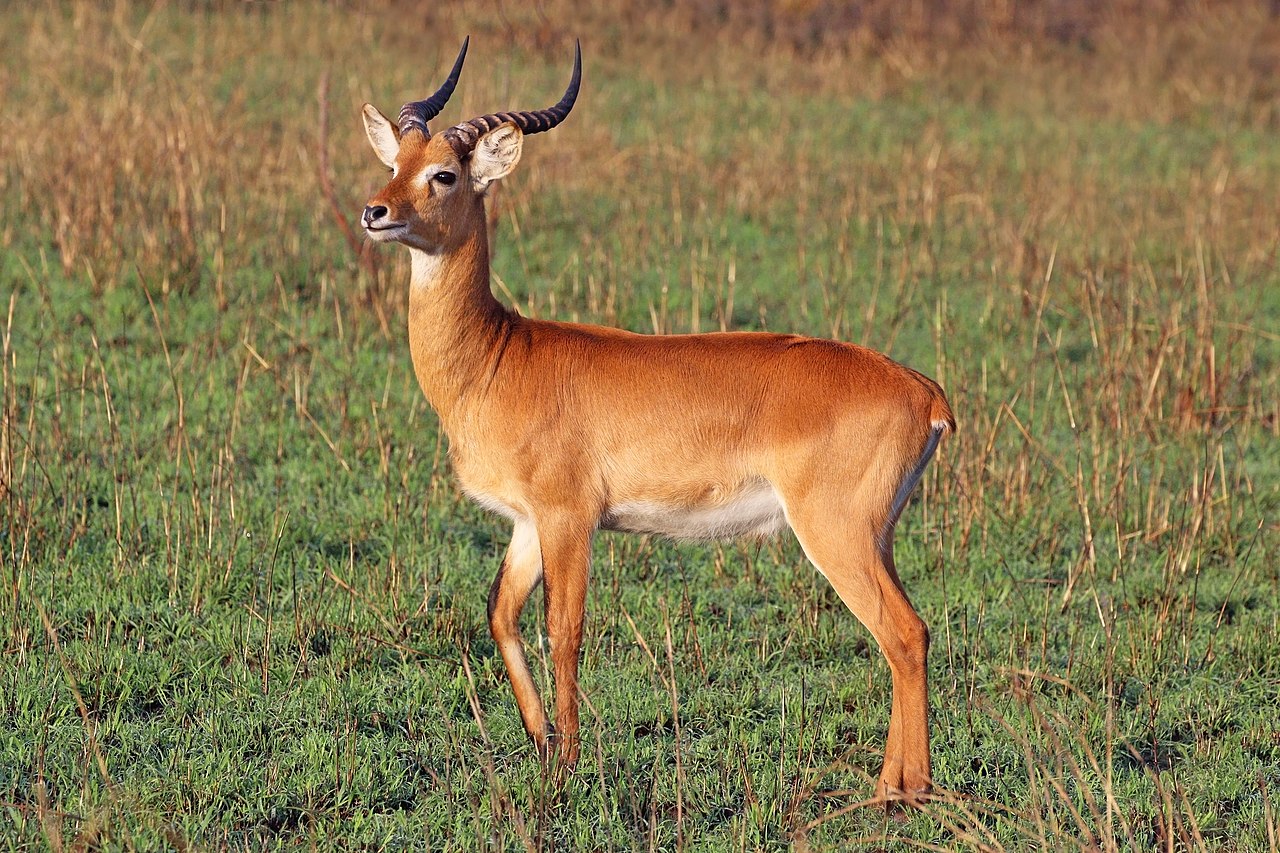
Seven days western Uganda — Uganda kob, hartebeest, warthog and bushbuck.
$8,800 – $9,700
Northern Tiang & Kob — 10 Days
10 days · Uganda
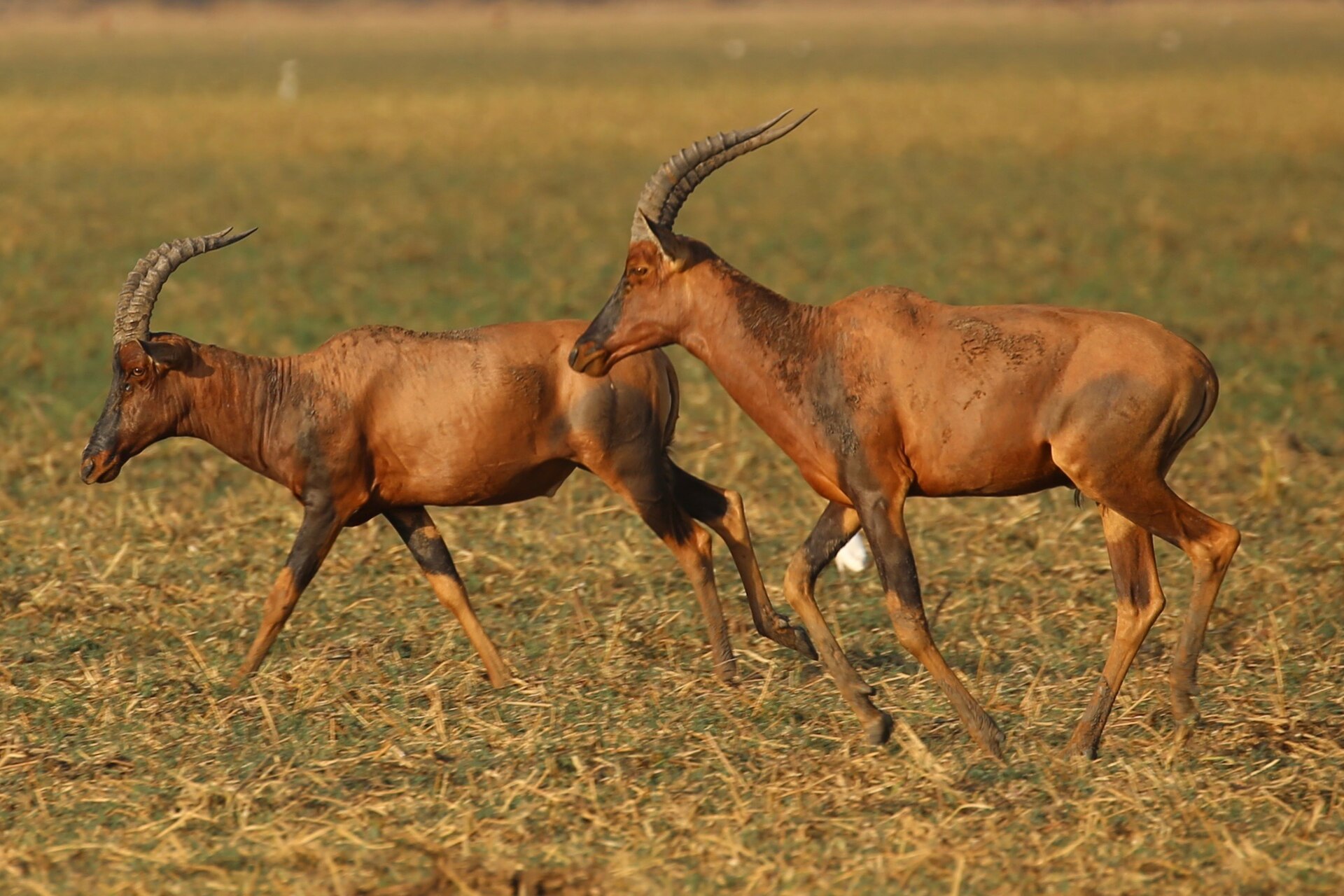
10-day northern tiang & kob — tiang, uganda kob, oribi in Northern Uganda savanna.
$14,800 – $16,800
Plan Your Lelwel Hartebeest Hunt
Submit a free enquiry and we'll match you with outfitters who hunt Lelwel Hartebeest in your region.
Sign Up to Enquire Aardwolf
 Abyssinian Bushbuck
 Baboon
 Bat-Eared Fox
 Bay Duiker
 Beisa Oryx